























Do Zero Gravity Recliners Actually Help with Back Pain? A 2026 Review

The Science Behind the Name: What is Zero Gravity?
The term "zero gravity recliner" is inspired by NASA's research into the body's natural resting position in microgravity. In space, the human body naturally settles into what researchers call the Neutral Body Posture (NBP)—a state where the torso is reclined at roughly 128 degrees, knees are slightly bent, and legs are elevated. This position is designed to minimize stress on the spine and joints by neutralizing the pull of gravity.
This NASA documentation on neutral body posture specifications details how this posture was observed across multiple astronauts. Modern furniture design has adapted these specifications for Earth-bound use. The goal is to recreate a low-load state, allowing muscles to relax more effectively than they might in a standard upright chair or a traditional recliner.
In the current landscape of home wellness design, this NASA-inspired concept has evolved into a practical recovery station for remote workers and those managing daily postural fatigue. While no chair can truly eliminate gravity, the specific angled recline and leg elevation aim to replicate the spinal unloading observed in microgravity environments.
Does It Actually Help with Back Pain? The Spinal Decompression Effect
Research suggests that reclining to a range of approximately 120–128 degrees may help reduce intradiscal pressure in the lumbar spine compared to traditional 90-degree sitting. This range is often referred to as a "decompression zone" because it allows the spinal discs to experience a lower compressive load, which can help ease muscle tension for many users.
Research published by the NIH on seated positions indicates that moving beyond 110 degrees produces a measurable unloading effect, with trends showing the most significant pressure reduction as the torso reaches the 120-degree threshold. It is important to note that these studies were conducted under specific measurement conditions; at a standard 90-degree angle, pressure on the discs remains relatively high. By shifting the body's weight, a zero-gravity angle allows the backrest to support the spine more evenly.
At What Angle Does Spinal Pressure Drop?
Relative spinal loading by sitting angle: 90° remains high stress, 110° offers partial relief, and the 120–128° range marks the clearest decompression zone.
View chart data
| Category | Relative spinal pressure | Decompression benefit |
|---|---|---|
| 90° Sitting | 3.0 | 0.0 |
| 110° Reclined | 2.0 | 1.0 |
| 120–128° Zero-G Zone | 1.0 | 3.0 |
While the 120–128° zone is associated with a drop in spinal pressure, results are highly individual. Factors such as body mass index, existing spinal conditions, and the specific geometry of the chair play a role. Therefore, these chairs should be viewed as wellness aids rather than guaranteed medical fixes for chronic back issues.
Improving Circulation and Reducing Swelling: The Role of Leg Elevation
Elevating the legs above heart level assists the body in using gravity to return blood to the heart more efficiently. This mechanism supports better venous return and can help reduce the "heavy-leg" sensation or mild swelling (edema) in the lower legs and ankles often caused by long periods of standing or sitting.
According to Cleveland Clinic guidance, positioning the legs higher than the heart is a recognized way to assist circulation. True zero-gravity recliners are engineered to achieve this specific elevation in tandem with the torso recline. This is a key differentiator from standard recliners, which may only lift the legs to a horizontal position.
For evening recovery, this distinction is vital. However, the benefits depend on the actual height achieved and the duration of use. While helpful for managing mild circulation concerns, zero-gravity seating remains a supportive tool and not a replacement for medical treatment for vascular conditions.

What to Look For: Why Lumbar Support Still Matters in Zero-G
A common misconception is that the recline angle does all the work. However, the spine's natural S-curve must still be supported. Reclining without proper lumbar reinforcement can cause the lower back to flatten or "slouch," which may lead to stiffness over time.
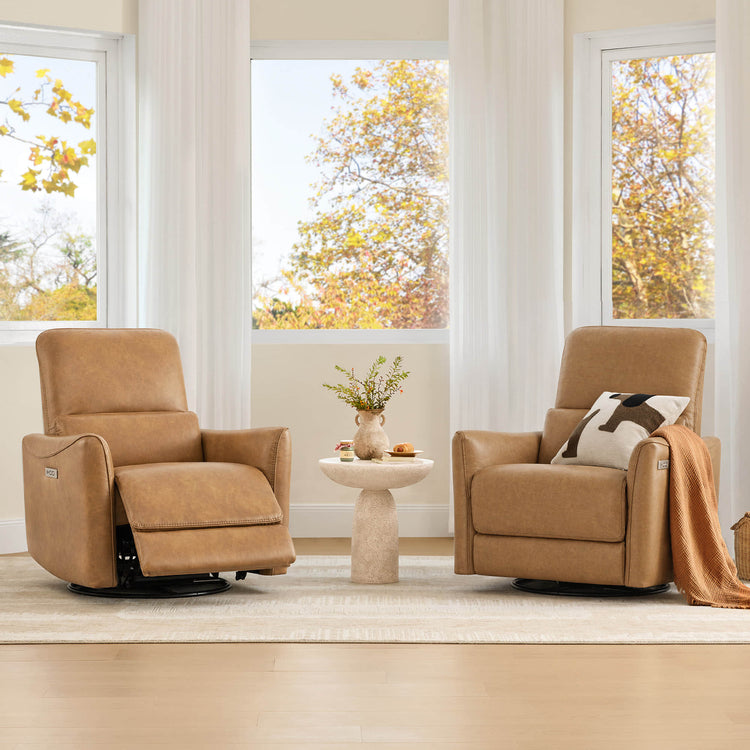
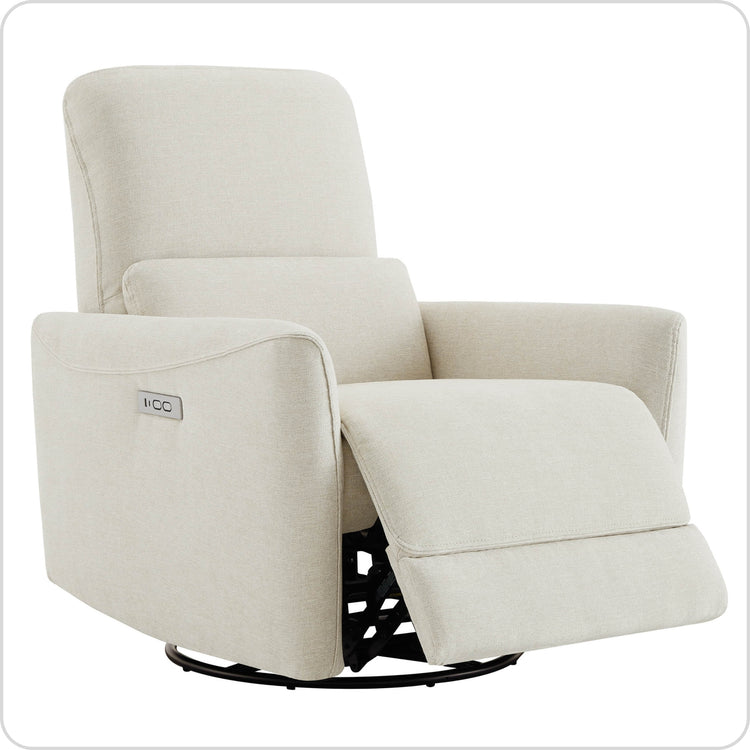
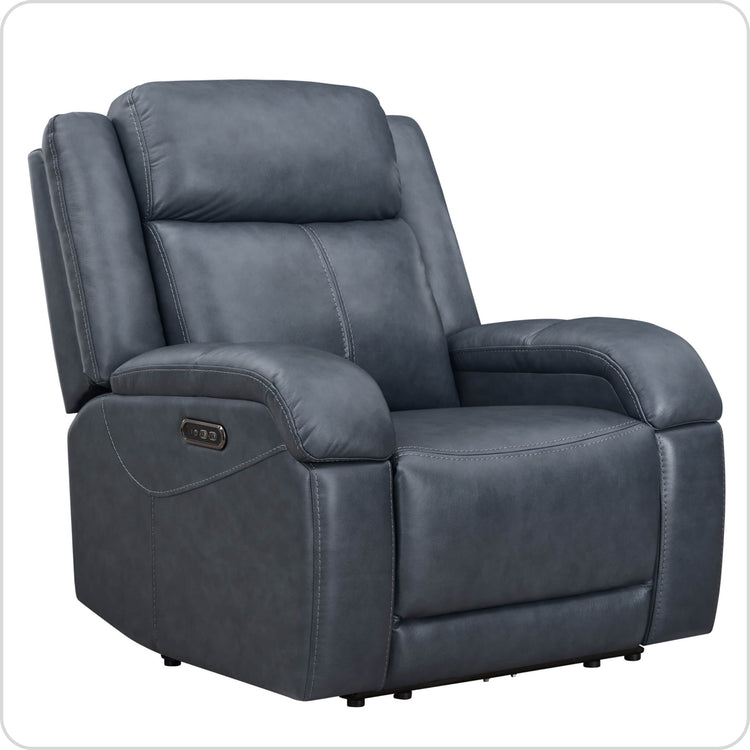
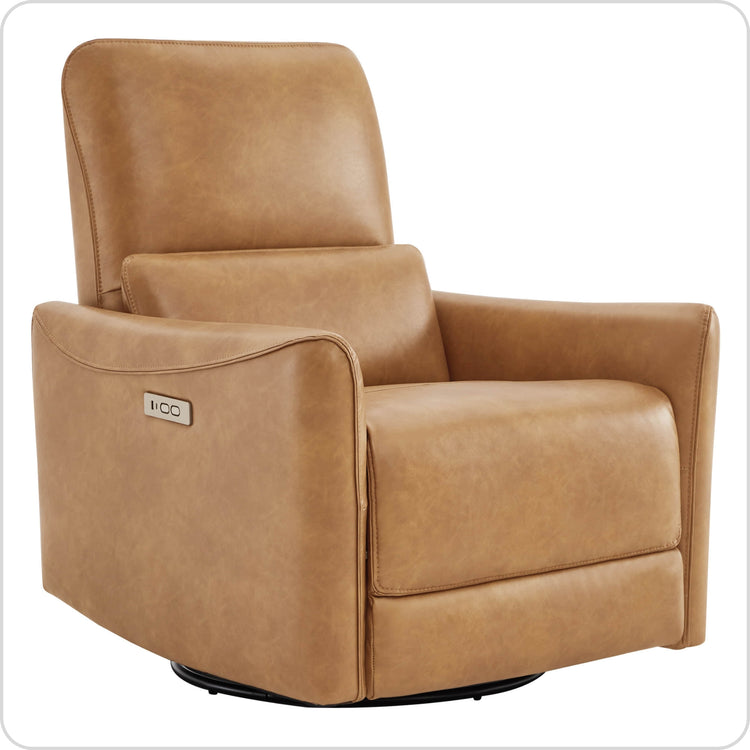
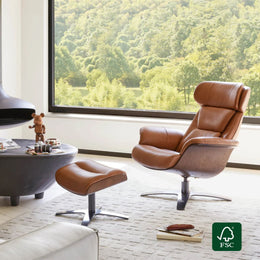
Studies on lumbar disc pressure confirm that maintaining the lumbar curve is essential regardless of the recline angle. When shopping, look for models with adjustable power lumbar or contoured high-density foam. Our Noah Zero-Gravity Genuine Leather Recliner and Leif Super Zero Gravity Power Leather Recliner are designed with integrated support to prevent the "slouch trap" and maintain ergonomic alignment.
Pro Tip: If a chair only offers a soft, non-adjustable pillow, it may not provide the structural support needed for long-term wellness. Ensure your lower back maintains contact with the backrest throughout the full range of motion.
Who Should Use a Zero Gravity Recliner (and Safety Precautions)
Zero gravity recliners are generally well-suited for remote workers, adults with mild lower back tension, and those seeking to reduce leg swelling after a long day. They function best as a home recovery station for short-to-medium relaxation sessions.
When to Exercise Caution
While these chairs offer symptomatic relief, they are not a substitute for professional medical diagnosis. Healthline’s overview of related therapies notes that while positional changes can help, they must be used safely.
Stop using the chair and consult a healthcare professional immediately if you experience:
- Sharp, shooting, or worsening back pain during or after use.
- New or increased numbness, tingling, or weakness in your legs or arms.
- Dizziness, lightheadedness, or chest tightness when reclining or returning to an upright position.
- Discomfort following a recent spinal surgery or injury.
For most healthy adults, a well-designed zero-gravity recliner is a practical tool for temporary unloading and posture breaks, rather than a permanent cure for underlying medical issues.
The Verdict: Is a Zero Gravity Recliner Right for Your Home?
A zero gravity recliner is a valuable addition to a home wellness routine if it meets three specific criteria: a verifiable 120–128° recline for decompression, leg elevation that reaches above heart level, and active lumbar contouring.
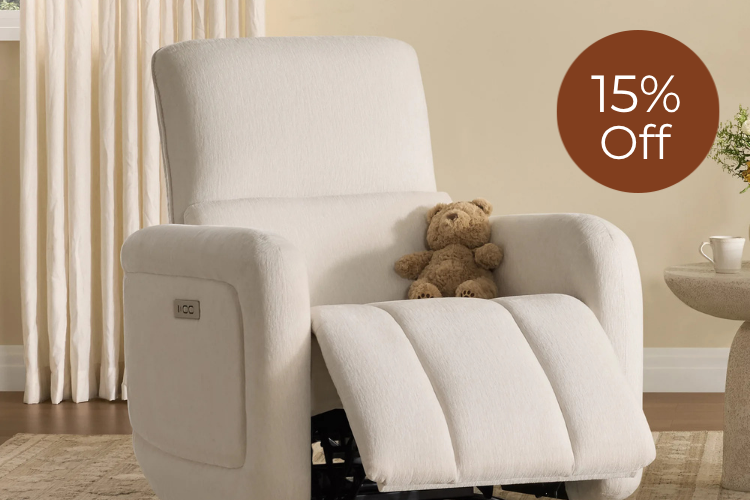
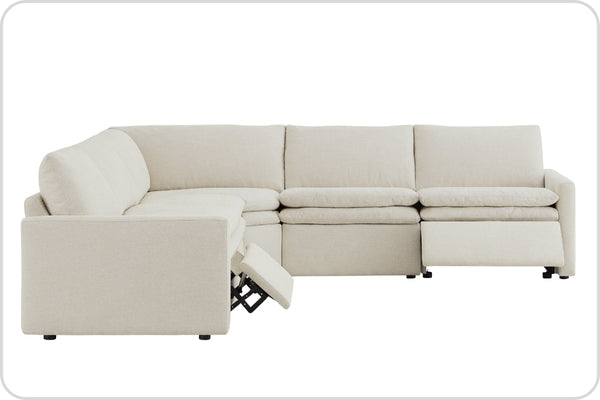
For those seeking deep individual recovery, the Leif Super Zero Gravity Power Leather Recliner offers dual-motor precision. The Noah Zero-Gravity Genuine Leather Recliner provides a versatile balance of premium materials and adjustable support. If you want to bring these ergonomic benefits to a shared space, the Skyline 4-Seat Zero Gravity Reclining Sectional or Ohana Modular Reclining Sofa are excellent options.
Explore our full range of recliners with headrest or leather recliners to find the right fit for your space. For more insights, read our guide on Are Recliners Good for Lower Back Pain? or learn about The Rise of the Wellness Recliner.

Recommended Products

More to Read
 7 Sofa Trends That Actually Improve Comfort in 2026
Upgrade your living room with furniture that supports your body. Here are 7 modern sofa features designed to maximize your daily comfort...
7 Sofa Trends That Actually Improve Comfort in 2026
Upgrade your living room with furniture that supports your body. Here are 7 modern sofa features designed to maximize your daily comfort...
 Mother's Day Gift Guide: Cozy and Stylish Furniture Picks for Modern Moms
Make Mother's Day more meaningful with furniture gifts that bring comfort, smart features, storage, and quiet luxury into her everyday routine.
Mother's Day Gift Guide: Cozy and Stylish Furniture Picks for Modern Moms
Make Mother's Day more meaningful with furniture gifts that bring comfort, smart features, storage, and quiet luxury into her everyday routine.
 Performance Fabric Reality Check: Does It Really Repel Pet Hair and Stains?
Performance fabric is often marketed as a miracle solution for homes with pets and kids, but the reality is more nuanced. It...
Performance Fabric Reality Check: Does It Really Repel Pet Hair and Stains?
Performance fabric is often marketed as a miracle solution for homes with pets and kids, but the reality is more nuanced. It...