


























Beyond the Lever: The 2026 Definitive Guide to High-Spec Power Recliners

High-spec power recliners in 2026 stand apart through documented engineering standards rather than marketing labels. Models that meet UL 962 safety certification, target 50,000-cycle durability ratings, operate below 45 dB, and deliver verified wall-hugger clearance under 6 inches offer a more reliable path to quiet, compact, long-term comfort than standard levers or unrated motors.
集群地图
- The End of Bulky Seating: How Hidden Power Recliners Are Redefining Modern Living Rooms
- Zero Gravity Recliners: The Ultimate Home Recovery Station
- Wall-Hugger Recliner Clearance: The Small Space Guide
- Recliners That Don't Look Like Recliners: Blending High-Tech Comfort with Modern Design
- Pet-Proof Luxury: How to Choose a Power Recliner That Survives Claws and Paws

Beyond the Lever: The Evolution of the High-Spec Power Recliner
The traditional manual recliner relied on a visible lever that many homeowners found awkward or visually disruptive. Today's high-spec power recliners replace that mechanical lever with quiet, multi-motor systems controlled by hidden buttons or touch panels. This shift creates smoother motion and micro-adjustments but also introduces what buyers often call the "electronics lottery"—the risk that an under-engineered motor or wiring may fail prematurely.
CHITA's approach, often described as Engineered Comfort, focuses on balancing sleek aesthetics with transparent performance data. Rather than hiding the technology entirely, the best designs conceal only the controls while disclosing motor count, clearance measurements, noise ratings, and cycle-test results. This transparency helps buyers move past superficial appearance and judge real usability for nightly TV viewing, reading, or family-room relaxation.
The 2026 Engineering Standard: What Defines 'High-Spec'?
The clearest way to verify a power recliner's quality is to treat a small set of measurable thresholds as non-negotiable filters. UL 962, updated in 2026, remains the mandatory safety baseline for motor-operated household furnishings; compliance screens out uncertified low-cost motors that pose electrical or mechanical hazards (UL 962: Household and Commercial Furnishings Safety Standard).
Durability is best judged by cycle rating—one full recline and return counts as a single cycle. While many residential models are rated around 15,000 cycles, high-spec mechanisms commonly target 50,000 cycles or higher, providing a practical benchmark for households that use the chair daily. Noise offers another quick check: premium motors with helical-cut gears typically stay under 45 dB at three feet, quiet enough for nurseries or late-night use without disturbing others.
Motor architecture further separates tiers. Triple-motor systems allow independent control of the recline, headrest, and lumbar support, whereas linked dual-motor designs force coupled movement and limit customization. These thresholds together create a reliable screening process rather than relying on vague "premium" claims.
2026 High-Spec Recliner Screen: Standard vs High-Spec Tiers
Use this screen to judge whether a recliner clears the 2026 high-spec tier on the core engineering checks.
View chart data
| Category | Standard | High-Spec |
|---|---|---|
| UL 962 compliance | 1 | 1 |
| Durability | 15000 | 50000 |
| Noise level | 45 | 44 |
| Wall clearance | 8 | 6 |
| Motor architecture | 2 | 3 |
The chart above visualizes the practical divide between standard residential recliners and high-spec models across the five core engineering checks. Use it as a quick reference when comparing spec sheets.
Engineered Comfort: The Science of Neutral Body Posture and Weightlessness
Zero Gravity reclining draws directly from NASA research on Neutral Body Posture. In microgravity, astronauts' bodies naturally settle at roughly a 128-degree angle between the trunk and thighs. This position, when replicated on Earth, redistributes body weight, reduces pressure on the lower spine, and can improve circulation during extended seated periods (NASA Spinoff: Ergonomic Chairs and Neutral Body Posture).
High-spec models achieve this angle through precisely calibrated mechanisms and layered high-density foam (typically 2.0 lb per cubic foot or higher). The foam resists the "slouch trap"—the gradual compression that turns an initially plush seat into an unsupportive hammock after months of use. While many users report reduced fatigue and easier recovery after long days, these outcomes reflect comfort and postural support rather than medical treatment. Always consult a healthcare professional for back-pain or mobility concerns.
Power vs. Manual: Decoding Durability and Daily Use
Manual recliners avoid electronics entirely and often deliver straightforward durability when well maintained. Their mechanisms are commonly rated for 20,000 cycles or more in basic testing, yet real-world longevity depends on lubrication and usage intensity. Power recliners add motors, wiring, and control boards, which increase complexity and introduce potential points of failure—the electronics lottery many buyers worry about.
High-spec power models close much of this gap by targeting 50,000-cycle ratings and incorporating features such as helical-cut gears that reduce vibration. Maintenance remains similar for both types: applying white lithium grease to pivot points every six months prevents metal-on-metal wear. The real difference appears in daily convenience—power systems allow infinite micro-adjustments and powered headrests or lumbar support, while manual levers offer faster, lever-free operation once the chair is positioned.
For households that value quiet, hands-free adjustment and are willing to verify electrical safety and warranty support, a high-spec power recliner can match or exceed the practical lifespan of a standard manual model. Buyers who prefer simplicity and have no need for powered features may still find a well-built manual recliner the lower-risk choice.
'Stealth Tech' and Space: Integrating Power into Modern Layouts
Modern rooms often lack the 12–18 inches of rear clearance once required by traditional recliners. True wall-hugger or zero-clearance designs use a forward-sliding track that lets the chair recline fully within 4–6 inches of a wall. Always confirm the manufacturer's exact clearance specification, because marketing terms like "wall-hugger" are not standardized (Power Recliner vs Manual Recliner: Is the Upgrade Worth It?).
Operational footprint matters more than static dimensions. Measure the full arc the footrest and headrest describe when moving, plus any swivel radius if the chair rotates. In tight nurseries or urban dens, hidden tactile controls and dim backlighting reduce visual clutter and prevent accidental activation. Power cords and nearby outlets also require planning—many high-spec models include built-in USB-C ports, but the chair must still reach a grounded outlet.
Stealth should never mean opaque engineering. Quality spec sheets disclose motor count, noise rating, and cycle testing so buyers can judge long-term reliability rather than trusting appearance alone.

The 2026 Power Recliner Quality Checklist
Use this practical checklist to evaluate any high-spec power recliner before purchase:
- Safety & Certification: Confirm UL 962 compliance (2026 revision) on the spec sheet or safety label.
- Durability: Look for 50,000-cycle mechanism rating and evidence of helical-cut gears or equivalent low-vibration design.
- Quiet Operation: Target under 45 dB measured at typical seating distance; request or find third-party noise data if available.
- Space Fit: Verify actual rear clearance (under 6 inches for wall-huggers) and measure the full operational footprint in your room.
- Support & Materials: Check for high-density foam (2.0+ lb/ft³), top-grain or genuine leather where durability matters, and independent power controls for headrest, lumbar, and recline.
- Warranty & Support: Prioritize brands that publish motor and electronics warranty terms and offer clear customer-service channels—the best hedge against the electronics lottery.
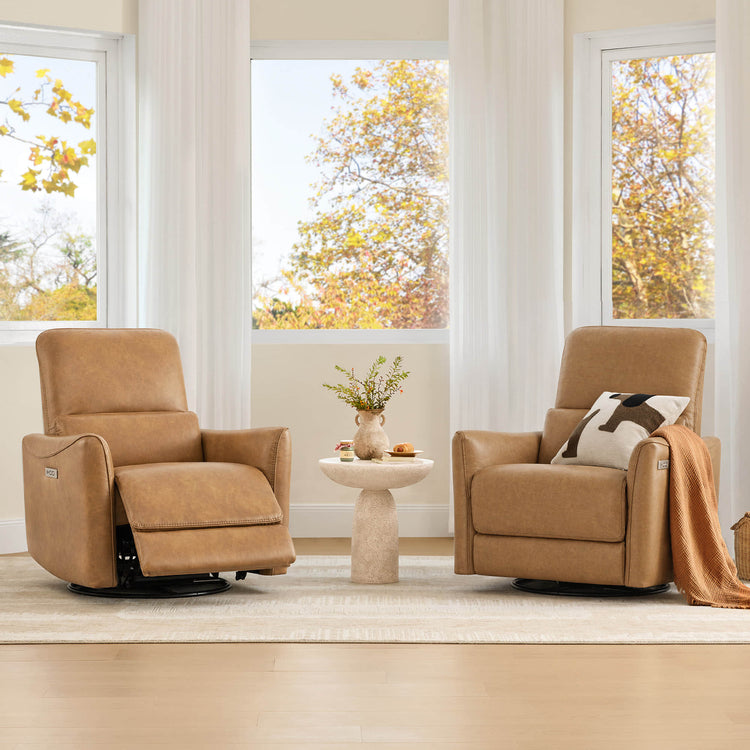
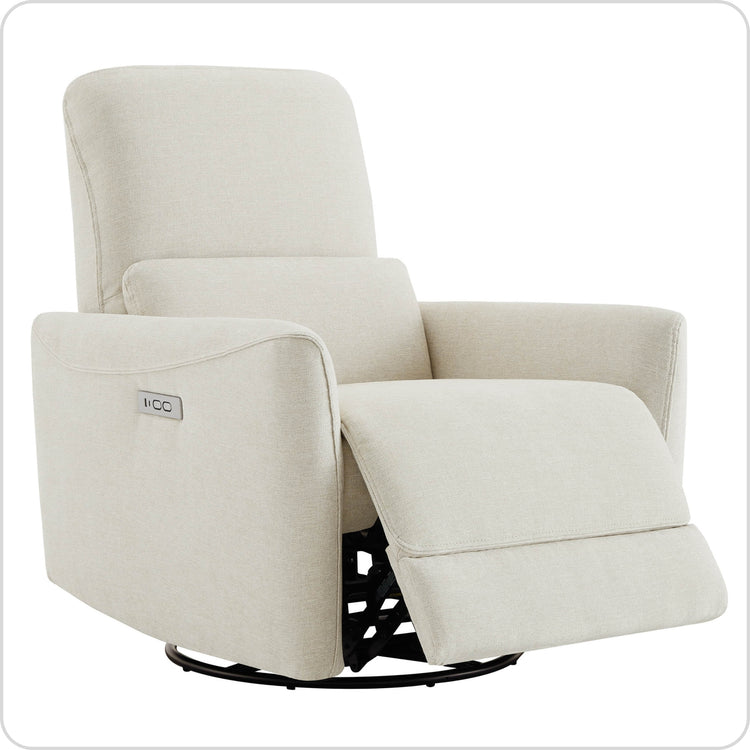
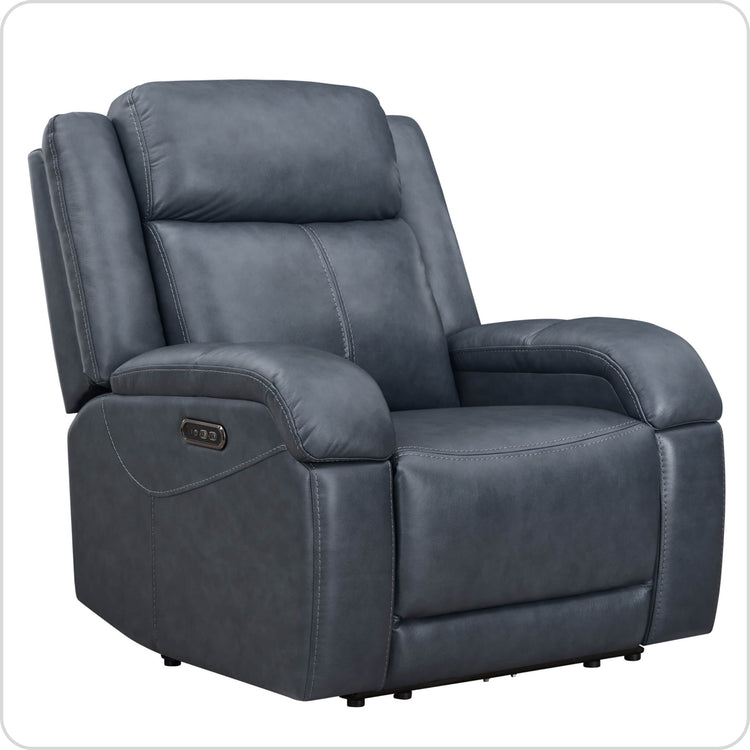
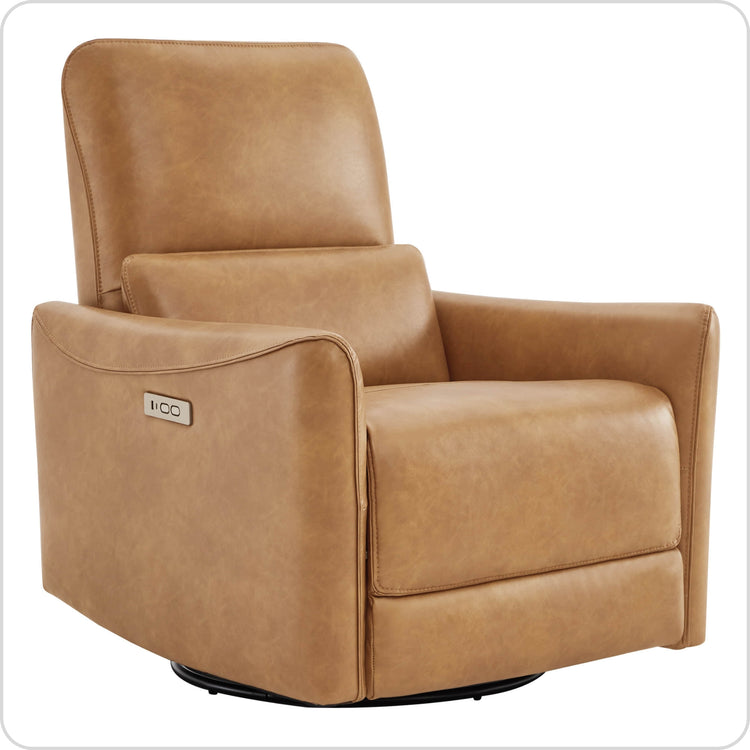
Models such as the Sable Super Zero-gravity Triple-Motor Power Recliner illustrate many of these high-spec traits with triple-motor independence, generous storage, and zero-gravity positioning. For smaller spaces, the Raven Wall Hugger Genuine Leather Power Recliner delivers verified 3.9-inch clearance and intuitive controls.
If you need more guidance on specific mechanisms, explore our guide to Hidden Tech: The Best Power Recliner Features You Didn't Know You Needed or the deeper dive into The Rise of the Wellness Recliner: Why Zero Gravity Is a Smart Living Room Upgrade. For swivel options, see the Swivel Recliners collection.
Frequently Asked Questions
Are power recliners less durable than manual ones?
High-spec power recliners rated for 50,000 cycles can outlast many standard manual mechanisms in lab testing. However, they require occasional electrical checks and lubrication just as manual models need pivot-point greasing. Real longevity depends more on build quality, usage frequency, and maintenance than on power versus manual architecture.
What does UL 962 certification actually mean for a recliner?
UL 962 is the recognized safety standard for motor-operated household furnishings. It covers electrical, mechanical, and fire-safety requirements for the entire powered system. Compliance serves as a reliable baseline filter but does not guarantee lifetime performance or replace reading the manufacturer's warranty terms.
How much space do wall-hugger power recliners really need?
True wall-huggers typically require 4–6 inches of rear clearance to reach full recline. Always confirm the exact figure for the model you are considering, because some chairs marketed as space-saving still need 10–12 inches. Factor in the full forward footrest extension and any swivel radius as well.
Is Zero Gravity the same as a medical lift chair?
No. Zero Gravity refers to a specific 128-degree neutral posture angle inspired by NASA research that redistributes weight and may reduce spinal pressure. Lift chairs add a separate upward-tilt function primarily for mobility assistance. They can overlap in features but address different primary needs.
What maintenance do high-spec power recliners require?
Apply white lithium grease to all visible pivot points every six months. Keep the area around the power cord and motors free of dust. Periodically test all functions and address any unusual noise promptly. Most manufacturers also recommend avoiding overloading the mechanisms with excessive weight or rapid repeated cycling.
Can I place a power recliner on a rug or near baseboards?
Yes, provided the rug is low-pile and the chair has adequate clearance for its full motion path. Wall-hugger designs minimize baseboard interference, but always test the complete recline arc in your actual space before final placement to avoid pinching cords or damaging trim.
Do all power recliners with USB ports support fast charging?
Not necessarily. Many include standard USB-A or USB-C ports rated at 5 V / 1–2 A for convenience charging. Check the product specifications for PD or QC support if you need faster tablet or phone charging while seated.
Recommended Products



More to Read
 7 Sofa Trends That Actually Improve Comfort in 2026
Upgrade your living room with furniture that supports your body. Here are 7 modern sofa features designed to maximize your daily comfort...
7 Sofa Trends That Actually Improve Comfort in 2026
Upgrade your living room with furniture that supports your body. Here are 7 modern sofa features designed to maximize your daily comfort...
 Mother's Day Gift Guide: Cozy and Stylish Furniture Picks for Modern Moms
Make Mother's Day more meaningful with furniture gifts that bring comfort, smart features, storage, and quiet luxury into her everyday routine.
Mother's Day Gift Guide: Cozy and Stylish Furniture Picks for Modern Moms
Make Mother's Day more meaningful with furniture gifts that bring comfort, smart features, storage, and quiet luxury into her everyday routine.
 Performance Fabric Reality Check: Does It Really Repel Pet Hair and Stains?
Performance fabric is often marketed as a miracle solution for homes with pets and kids, but the reality is more nuanced. It...
Performance Fabric Reality Check: Does It Really Repel Pet Hair and Stains?
Performance fabric is often marketed as a miracle solution for homes with pets and kids, but the reality is more nuanced. It...