
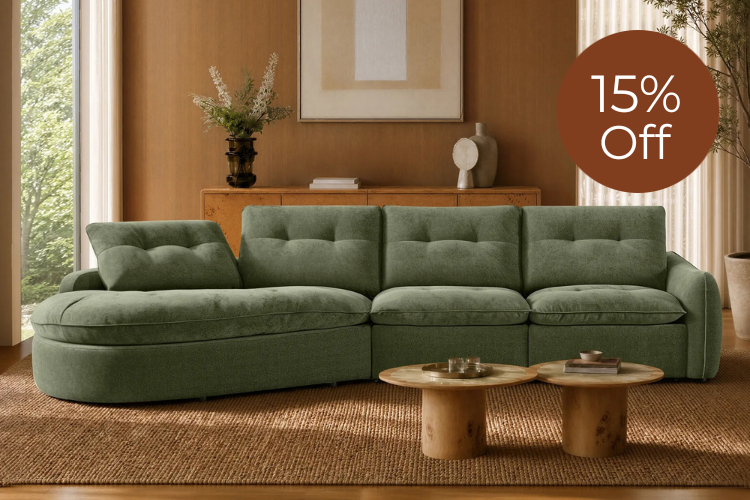






















Game Nights Layout Ideas with modular sectional sofas

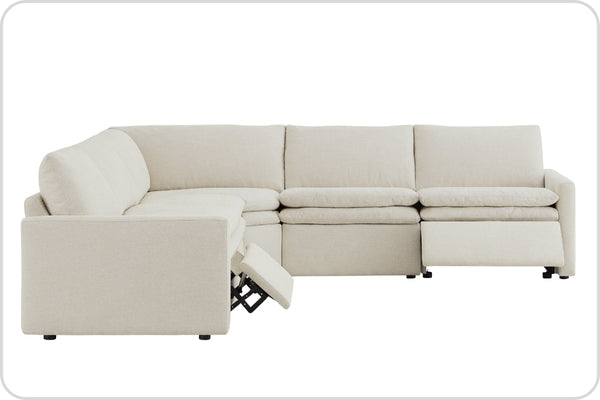
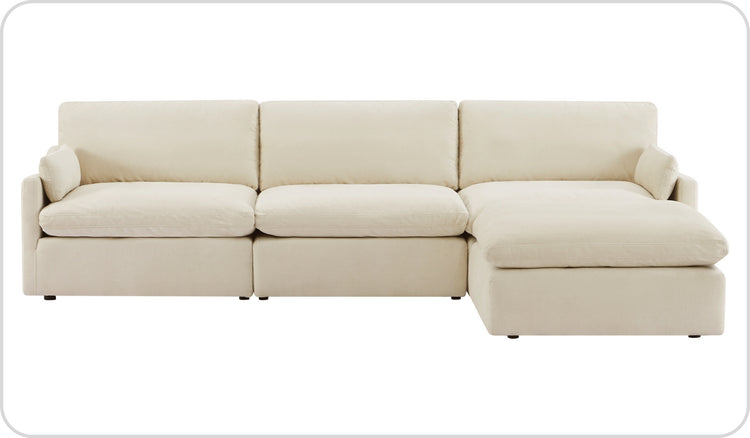
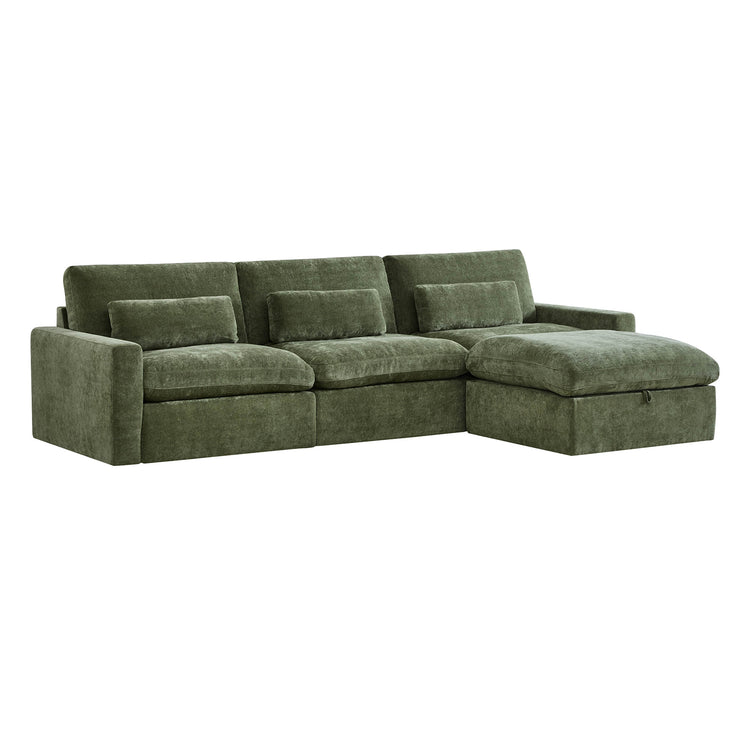
A modular sectional sofa works best for game nights when the layout fits the activity, the group size, and how often you switch the room back to daily use. The smartest setup is usually the one that keeps the center usable, preserves walkways, and still feels like a normal living room when the guests leave.

Start With the Game Night Mix
Before you choose a layout, decide what your game nights look like most often. A board-game night, a console session, and a mixed family night all ask for different seating patterns. Many hosts find that a modular sectional helps because it can shift between a tighter circle and a more open social setup without replacing the whole room as sectional layout ideas show.
A good first check is whether your room needs to support conversation first or screen viewing first. If the answer changes from week to week, the layout should stay simple enough to reset fast. That is where a modular sectional sofa usually beats a fixed sofa.
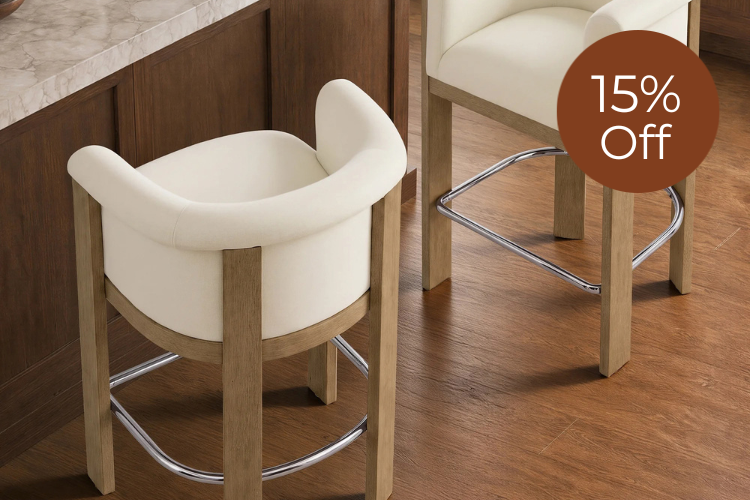
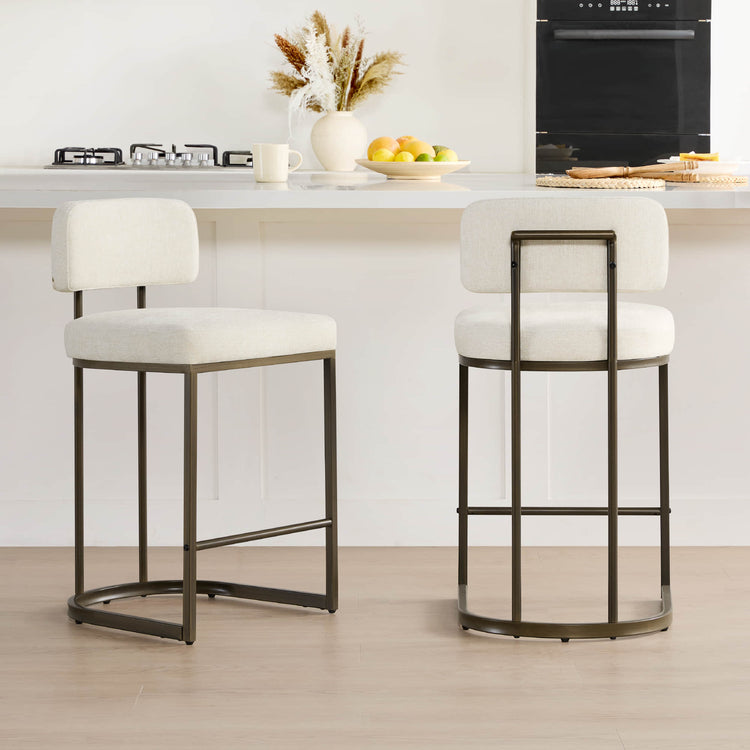
If your game-night setup also needs a raised perch near a counter or snack zone, the Amalia Modern Metal Base Barstool can work as a helpful support seat. It is not the main seating answer for every room, but it can make sense when you want one or two elevated spots outside the sectional footprint.
Layouts That Fit Different Game Nights
For most rooms, the right arrangement depends less on a perfect shape and more on the night's main goal. Some setups favor a central table, some favor screen sightlines, and some favor easy movement for people coming and going. The layout articles that compare L-shaped, U-shaped, and floating arrangements point to the same basic rule: the shape changes how people talk, watch, and move.

Board Game Circle Around a Central Table
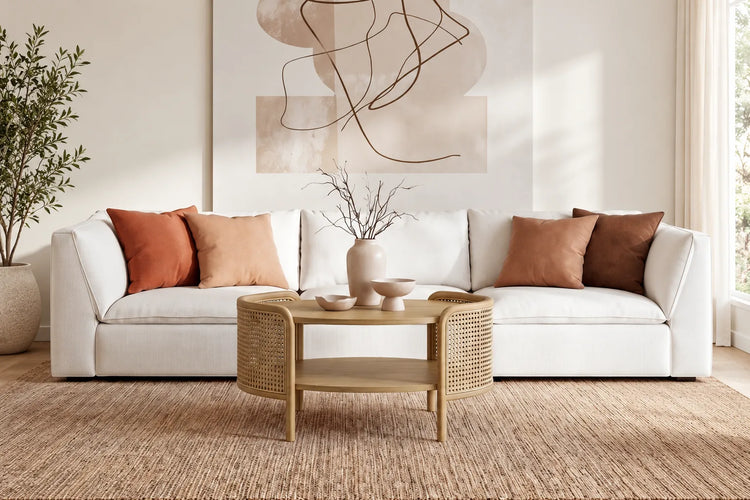
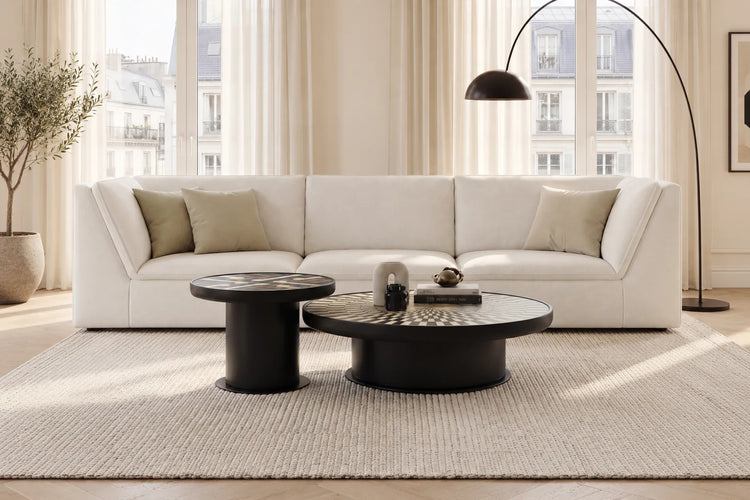
This is the best starting point when the game itself is the center of the night. Keep seats facing inward so everyone can reach the table without leaning across another guest. A modular sectional sofa is useful here because you can pull the pieces into a more social loop instead of leaving one long side stranded against the wall.
What matters most is reach. If one seat has to twist awkwardly to join the game, the layout is too stretched out. A central focal point, like a coffee table, is the natural anchor for this kind of arrangement because seating works better around a shared center.
Video Game Lounge With Clear Screen Sightlines
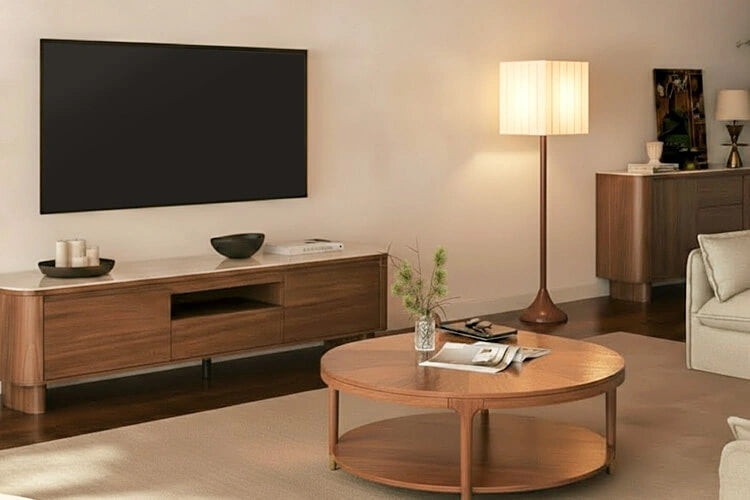
This layout works best when the screen matters more than the table. Angle the sectional so the main seats face the display, then keep side pieces from blocking the view. In real use, this is often the easiest setup for group play because people can still chat, but nobody has to keep turning their neck the whole night. For more ideas on high-spec gaming setups, see Beyond the Console: Designing a 2026 Gaming Lounge with High-Spec Modular Seating.
A modular sectional sofa helps here because you can widen the arrangement when more players join, then tighten it again when the room goes back to movie or everyday lounge mode. The key is to keep controllers, drinks, and chargers at the edges instead of crowding the middle where open center space matters most.
Family Night Layout With Flexible Side Seating
This setup is the most forgiving when ages and activities vary. Leave one side a little looser so kids, guests, or late arrivals can slide in without disturbing the whole room. The best version usually feels relaxed rather than perfectly symmetrical.
For family nights, the value of modular seating is flexibility. You can shift one piece closer to the table for board games, then move it back when someone wants more floor space or easier access to snacks. If the room has to work hard on weekdays and weekends, a flexible layout usually ages better than a locked-in one.
Party-Ready Open Configuration for Easy Traffic
Choose this when your main goal is movement. It is a better fit for mixed groups, buffet-style snacks, and nights when people keep standing up to check a second screen or refill drinks. The layout should feel open enough that guests can pass through without asking everyone to move.
This is also the scenario where a modular sectional sofa can save the most time. Instead of dragging a heavy sofa away from the wall, you can re-form the pieces so the center stays open and the edges do the work. That makes the room easier to reset after the game ends.
Balance Seating, Flow, and Comfort
The biggest trade-off is simple: more seating usually means less open movement, and more open movement usually means fewer people can sit comfortably. If your most common night is a board game, choose a tighter arrangement. If your most common night is a party or a mixed-activity hangout, leave more room in the middle.
| Planning Priority | Best For | What To Watch | Modular Advantage |
|---|---|---|---|
| More seats | Bigger guest lists | A crowded center can slow movement | You can add pieces when the group grows |
| More table access | Board games and snacks | Seats that sit too far from the table | Pieces can be angled closer to the action |
| Easier movement | Parties and mixed-age nights | Walkways that get blocked by side tables | You can open the center faster |
| Better sightlines | Video game nights | Side pieces that block the screen | The arrangement can face the display more directly |
| Faster reset | Weekly hosts | Too many extra tables or stools | The room can shift back with less effort |
A useful rule of thumb is to protect the path first, then fill in seats around it. That idea appears in common furniture-arranging guidance, including suggestions to leave roughly 30 to 36 inches for primary walkways, but treat that as a starting point rather than a universal rule. In smaller rooms, the real test is whether people can move comfortably without brushing furniture.
If the room already feels tight, choose the shape that best serves the main night instead of trying to make it do everything at once. For board games, that usually means a more compact circle. For screen nights, it usually means a cleaner line of sight. For parties, it usually means a looser edge-led arrangement.
Place Tables and Extras Without Crowding
- Pick the main activity zone first. Decide whether the room is centered on a table, a screen, or a conversation circle.
- Set the primary surface where every seat can reach it. A coffee table or low table should support the game, not force guests to stretch.
- Add only the support pieces you actually use. Side tables, stools, and small movable surfaces are best when they handle snacks, controllers, scorecards, and drinks.
- Keep cords and chargers at the room edge. The center should stay open enough for players to move, lean in, and reset between rounds.
- Test the layout before game night starts. Sit in every seat once, then check whether anyone feels blocked from the table or screen.
That same logic is why a raised extra seat can help in some rooms. The Amalia Modern Metal Base Barstool is worth considering when you want a perch near a counter, island, or snack bar, while the sectional handles the main lounge seating. It is more of a support piece than a centerpiece, so it fits best when the room has a second social zone.
Choose Materials That Handle Frequent Hosting
- Choose finishes that match your cleanup routine. Weekly hosts usually do better with surfaces that are easy to wipe down after snacks and drinks.
- Think about how the room looks on non-game nights. The best game-night setup still feels intentional when the controllers are put away.
- If you want a broader shopping path for easier upkeep, browse the Performance Fabric collection as a sensible starting point. It is a category-first navigation option, not a guarantee of fit.
- Keep the styling simple. A modular sectional sofa looks more finished when the room has one clear anchor and only a few support pieces.
For busy homes, the main regret usually comes from choosing a layout that looks great in photos but feels annoying in real use. Extra pieces can make hosting easier, but too many small tables or stools can also make the room feel cluttered. The best setup is the one you can reset quickly after the last round.
Final Checks Before You Buy
- Confirm the layout works for your most common guest count and activity.
- Check that daily walking paths still feel comfortable after the sectional is in place.
- Make sure every main seat can reach the table or screen without awkward stretching.
- Decide whether you need one elevated support seat, like the Amalia Modern Metal Base Barstool, or whether the sectional alone is enough.
- If you want to keep browsing after you settle the layout, the Together Time collection is a useful next stop for a broader look at social seating.
The right modular sectional sofa setup is the one that matches how you actually host. If your nights are mostly board games, keep the center reachable. If they are mostly video games, protect the sightlines. If they swing between both, choose the easiest layout to reset so the room still works every day.
FAQs
Q1. How Do I Set Up a Modular Sectional for Board Games?
Keep the seating wrapped around a central table so every player can reach the game without leaning too far. The best version usually keeps the middle open enough for cards, dice, and snacks, while the sectional pieces stay close enough for easy conversation.
Q2. What Is the Best Modular Sectional Layout for Video Game Nights?
Face the main seats toward the screen and keep side pieces from blocking the view. This works best when the room needs clear sightlines, room for controllers, and enough open space for people to pass behind the seating without disrupting the game.
Q3. Can a Modular Sectional Work in a Small Living Room?
Yes, if you keep the layout simple. Smaller rooms usually do better with fewer support tables, a cleaner center, and one clear activity focus. The goal is not to fit every idea at once, but to keep the room comfortable enough to use every day.
Q4. Why Choose a Modular Sectional Over a Fixed Sofa for Hosting?
A modular sectional gives you more freedom to change the room for different guest counts and activities. That flexibility matters when one night is a board game circle and the next is a screen-heavy hangout, because you can adapt without replacing the whole sofa.
Q5. How Do I Keep a Game-Night Layout Stylish Every Day?
Choose one main focal point, limit extra furniture, and repeat a simple style palette across the room. The layout should feel intentional even when no one is playing, which usually means fewer filler pieces and more focus on clean lines and balanced seating.
A Layout That Works After Guests Leave
The best game-night setup is the one that still feels good on a normal Tuesday. Start with your most common activity, protect the walking paths, and keep support pieces light. If your room needs a raised extra seat, the Amalia barstool can help. If you want more browsing after that, start with a modular sectional collection that matches your daily routine as well as your hosting habits. Test the reset time once more before finalizing any purchase.
Related Resources
- The 2026 Modular Living Manifesto: How to Design a 'Forever Home' with Reconfigurable Seating
- From L-Shaped to U-Shaped: Discover Your Perfect Modular Sofa Configuration
- The 5-Year Sectional: Scaling Your Modular Sofa with Your Life
- Modular Sectional Sofas
- Amalia Modern Metal Base Barstool
- Decoding Upholstery Standards: The 2026 Guide to Performance Fabric Durability
Recommended Products

More to Read
 7 Sofa Trends That Actually Improve Comfort in 2026
Upgrade your living room with furniture that supports your body. Here are 7 modern sofa features designed to maximize your daily comfort...
7 Sofa Trends That Actually Improve Comfort in 2026
Upgrade your living room with furniture that supports your body. Here are 7 modern sofa features designed to maximize your daily comfort...
 Mother's Day Gift Guide: Cozy and Stylish Furniture Picks for Modern Moms
Make Mother's Day more meaningful with furniture gifts that bring comfort, smart features, storage, and quiet luxury into her everyday routine.
Mother's Day Gift Guide: Cozy and Stylish Furniture Picks for Modern Moms
Make Mother's Day more meaningful with furniture gifts that bring comfort, smart features, storage, and quiet luxury into her everyday routine.
 Performance Fabric Reality Check: Does It Really Repel Pet Hair and Stains?
Performance fabric is often marketed as a miracle solution for homes with pets and kids, but the reality is more nuanced. It...
Performance Fabric Reality Check: Does It Really Repel Pet Hair and Stains?
Performance fabric is often marketed as a miracle solution for homes with pets and kids, but the reality is more nuanced. It...