






















How to Choose recliners for TV watching

Choosing a recliner for TV watching comes down to one thing: can you sit for hours without your neck, back, or legs fighting the chair? The best choice for how to choose recliners for watching tv depends on your body size, screen height, and room layout, not just on how soft the seat feels at first.

What Makes a Recliner Work for TV Time
For most buyers, the right TV recliner keeps your head supported, your lower back relaxed, and your feet planted in a position that does not pinch behind the knees. OSHA's chair guidance is a useful baseline: seat depth and foot placement matter because you want the thighs supported without pressure at the back of the legs.
Screen Angle and Head Support
If you watch TV for long stretches, a fixed headrest can be fine only when it lines up with your screen height. If it pushes your chin forward or leaves your eyes tilted up, the chair may feel comfortable for ten minutes and annoying later. A reclining back and a supportive headrest work best when they let you keep a neutral viewing angle instead of forcing your neck to hold the pose.
That is why an adjustable headrest is often worth more than an extra decorative feature. It gives you a better chance of matching different screen heights, taller and shorter viewers, and upright versus leaned-back viewing positions. If you want a deeper comparison, 5 Hidden Benefits of an Adjustable Headrest on Your Recliner is a useful next read.
Seat Depth, Height, and Leg Position
Seat depth should let you sit back fully without leaving a large gap behind your knees. Seat height should let your feet rest flat, or close to flat, so your legs do not hang awkwardly. That is the practical meaning of the ergonomic guidance: the chair should fit your body, not just your living room.
If the seat is too deep, shorter viewers often scoot forward and lose back support. If it is too shallow, taller viewers may feel perched instead of settled. For TV watching, the better seat is usually the one that lets you stay in place without constantly shifting to find a better angle.
Recline Range and Pressure Relief
A useful recline range should reduce pressure on your lower back without tilting you so far back that the screen becomes hard to follow. In real use, this matters most during movies, sports, or binge sessions that last long enough for small discomforts to show up. You do not need the deepest recline available if a smaller range already lets you relax and keep the screen in view.
BIFMA's ergonomics guideline for seating is another reminder that seat dimensions and back angles work together. The right recline is the one that helps you stay supported, not the one that looks most dramatic in a product photo.
Arm Support and Everyday Comfort
Armrests matter more than many shoppers expect. When they are too high, they can lift your shoulders. When they are too low or too hard, they can create pressure points during long viewing sessions. OSHA's chair guidance also notes that forearm support should let the shoulders relax instead of stay raised.
That makes arm support a real comfort feature, not a minor detail. If you usually watch TV with a remote, snack, or drink nearby, the arm shape and cushion feel can affect whether the chair stays comfortable after the first episode or after the third.
Compare Power and Manual Recliners
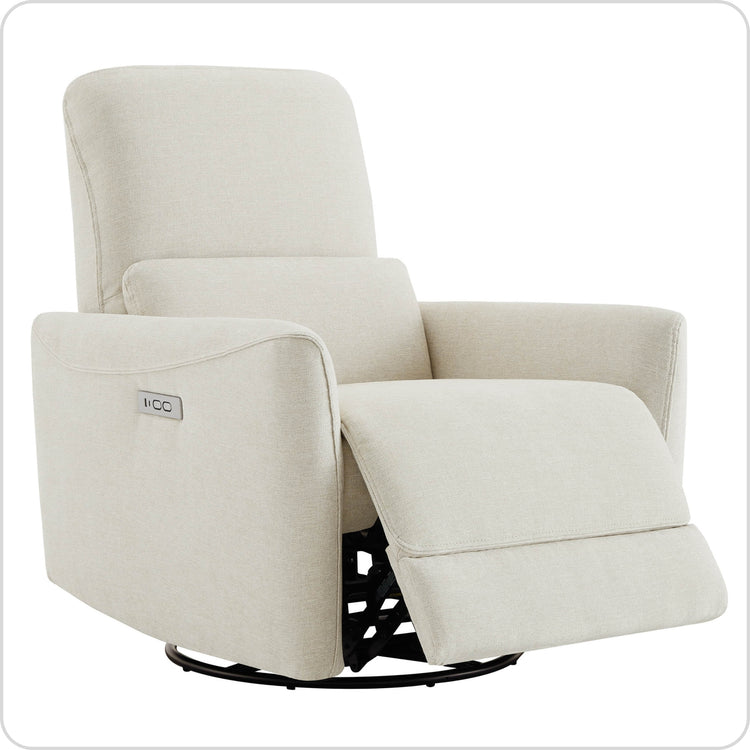
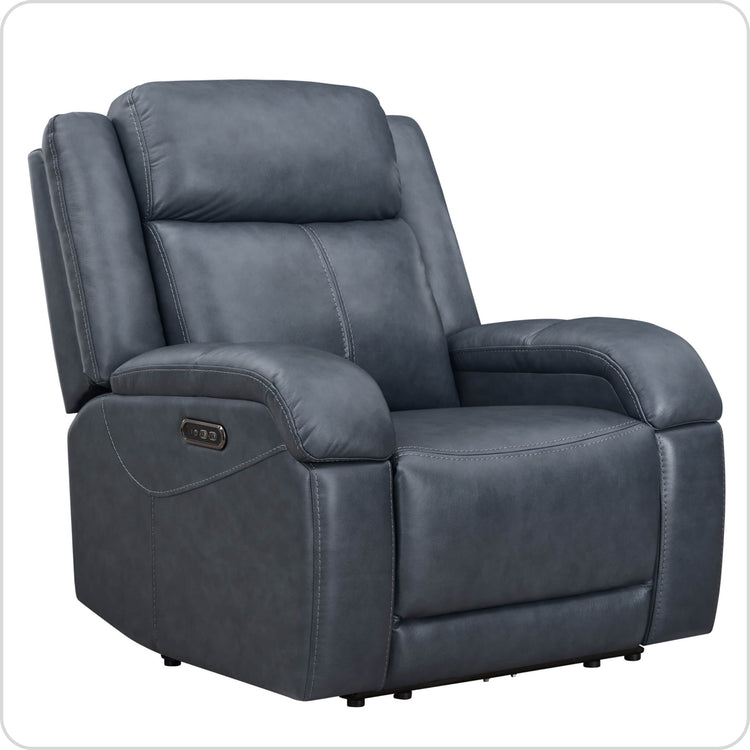
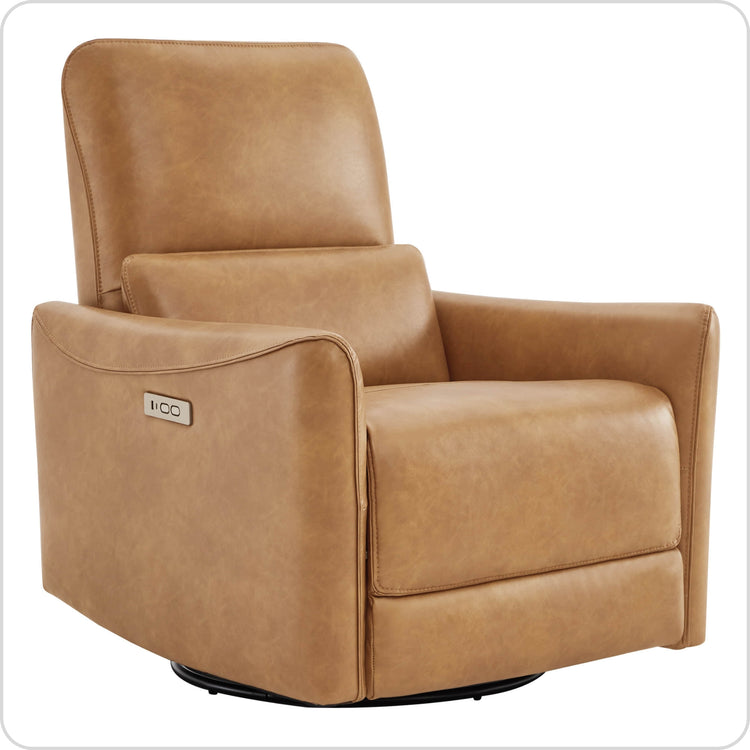
The power versus manual choice is less about "better" and more about how much adjustability you want during a typical evening. If you want repeatable headrest and footrest positioning, power usually wins. If you want fewer moving parts and do not want to worry about outlet access, manual can make more sense.

| Factor | Power Recliner | Manual Recliner |
|---|---|---|
| Position changes during a movie | Easier to fine-tune | Usually less precise |
| Headrest and footrest control | Better for repeatable setups | Often more basic |
| Room placement flexibility | Needs power access | Easier to place anywhere |
| Everyday convenience | Strong for long sessions | Strong for simple use |
| Best fit | Viewers who like tuning comfort | Viewers who want a straightforward chair |
For TV watching, a power recliner is often the better fit when you settle in for long sessions and want small adjustments without standing up. A Manual Recliner is the safer pick when the chair sits in a room with awkward outlet access or when simplicity matters more than micro-adjustments. Chita's power vs. manual recliners guide is a good browse-next option if you want to compare that trade-off in more detail.
A helpful way to think about it is this: if your ideal setup changes between sports, movies, and casual scrolling, power support is easier to live with. If your setup rarely changes, manual may be enough and keeps the purchase simpler.
Measure the Room Before You Buy
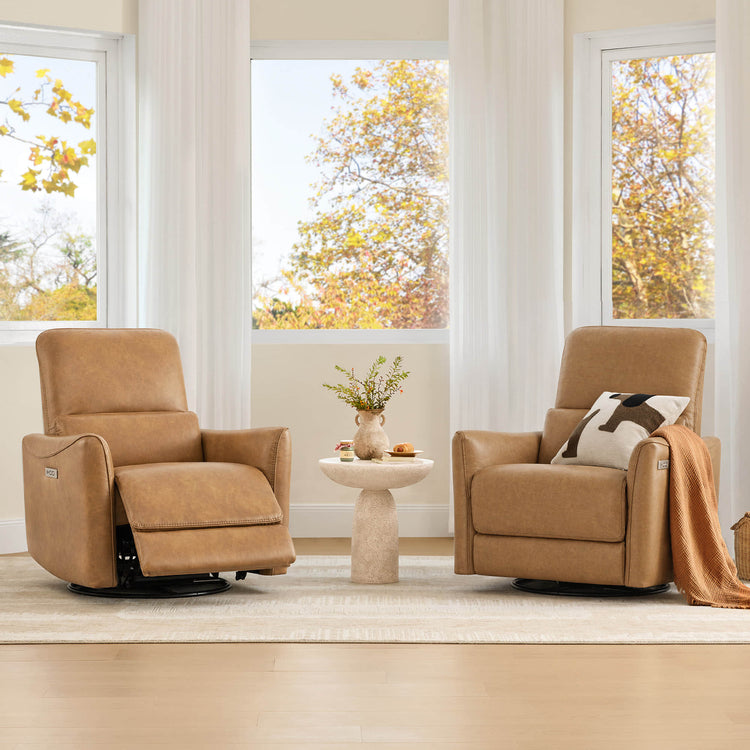
A recliner can be comfortable and still be a poor buy if it overwhelms the room. ASTM's recliner clearance work points to the basic issue: upright and reclined clearance both matter, and wall-hugger styles reduce the space penalty. That is especially useful in living rooms where walkways, side tables, and wall distance all compete for the same footprint.
- Measure the space where the chair will sit in its normal upright position.
- Measure the space it needs when fully reclined, not just when closed.
- Check how far the back of the chair sits from the wall if you want a cleaner layout.
- Confirm outlet access and cord routing before buying a powered model.
- Make sure the chair will not block walking paths, table access, or the screen sightline.
If your room is tight, a wall-hugger design is often the more forgiving choice. If your room is roomy, you can prioritize comfort features more aggressively because you have more layout slack. The right answer is the one that fits your real room, not the one that fits an idealized floor plan.
For shoppers who want to browse by space-saving style, Wall Hugger Recliners is the easiest starting point.
Match Support to Your Body and Screen
This is where many TV shoppers make the most expensive mistake: they buy a chair that looks luxurious but does not match their body dimensions. For how to choose recliners for watching tv, comfort depends on the way your knees, lower back, and head line up once you actually sit down.
Seat Depth for Leg Length
Seat depth should support your thighs without pressing into the backs of your knees. If you are shorter, a deep seat can make you slide forward and lose support. If you are taller, a shallow seat can make you feel like you are perching on the edge. The best test is simple: sit all the way back and check whether you can stay there comfortably without shifting.
Seat Height for Easy Entry and Exit
Seat height should let your feet meet the floor without strain and make standing up feel natural. That matters even if you only sit for entertainment, because the wrong height gets annoying every time you get up for a snack, a bathroom break, or the remote. If getting in and out of the chair feels awkward in the store, it usually gets worse at home.
Lumbar Support for Lower-Back Comfort
A backrest that supports your lower back helps you stay in a more natural sitting position during longer shows and games. The point is not medical correction, just less slumping. A chair that lets your spine settle without forcing you upright is usually the better TV chair, especially for daily use.
Power Headrests for Better Viewing Angles
A power headrest can make a bigger difference than many buyers expect. It helps you match the angle between your eyes and the screen without stacking pillows or leaning your head forward. That matters most in rooms where the TV sits a little high or where different people use the same seat.
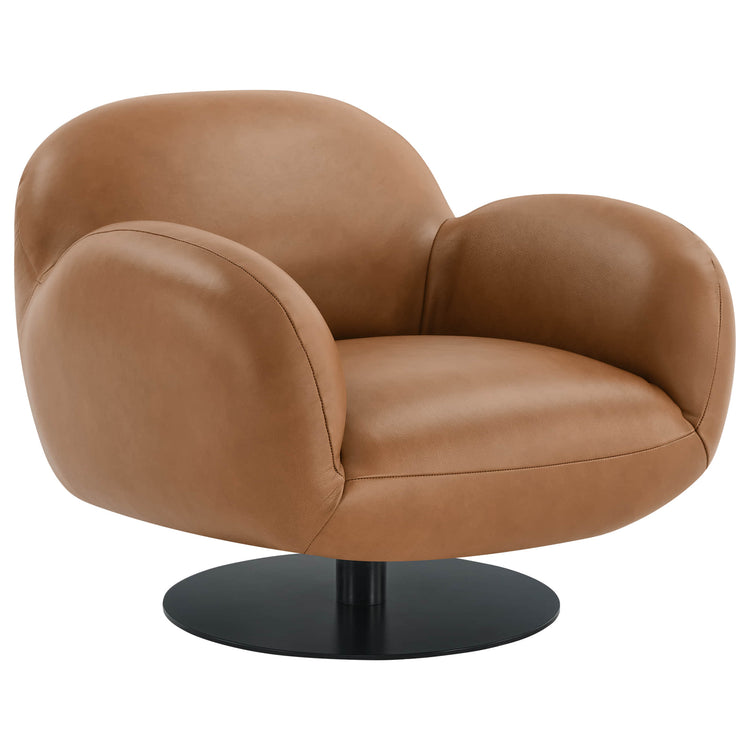
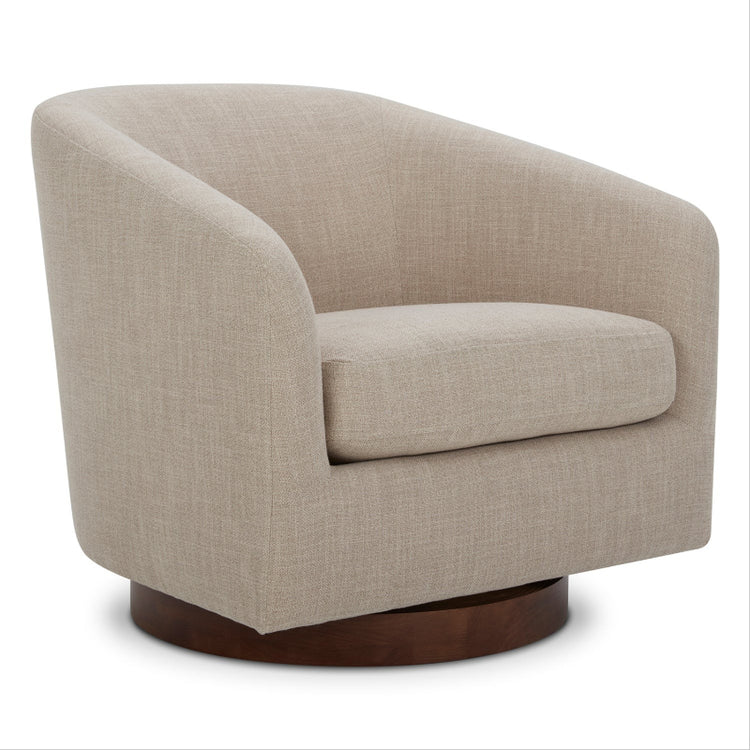
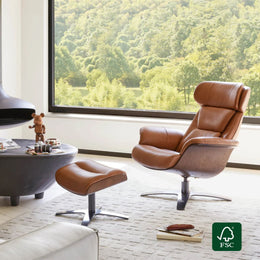
If you want a model search path that fits this kind of support-first decision, Leif Super Zero Gravity Power Leather Recliner is one example to check, and Swivel Recliners is another browse path if you want movement plus viewing flexibility. For more design-forward options, Headrest Recliners vs. Traditional Recliners: Which Is Right for You? offers a useful comparison.
If your main problem is neck position rather than seat softness, this is the section that should drive the final choice. A recliner with the wrong head position will feel off every time you use it.
Choose the Extras You Will Actually Use
Extra features are only worth paying for when they change your real routine. Charging ports help if you keep a phone or tablet nearby. Cup holders help if your viewing sessions are long and you do not want interruptions. Swivel or glider motion helps if the chair also serves conversation or a multipurpose room, not just TV.
Zero-gravity style seating can be appealing when leg elevation is part of the comfort goal, especially for viewers who like a more stretched-out position. It is not automatically the best choice for every setup, though, because the screen angle still has to work. A chair can feel relaxing and still be a bad fit if it pushes your line of sight too high or too low.
If you like built-in convenience features, Chita's Hidden Tech article is a helpful background read. If you want the category view first, Leather Recliners is a practical browse path.
Use this rule of thumb: buy the extra only if you can name the habit it supports. Otherwise, you are usually paying for a feature you will admire once and ignore later.
Which Recliner Type Fits Your TV Room?
The main question is whether the chair type matches your room size and your comfort priorities. Use this table to compare fit patterns.
| Recliner Type | Tight Room | Standard Room | Roomier Setup |
|---|---|---|---|
| Manual | Good | Fair | Limited |
| Power | Fair | Good | Good |
| Wall-hugger | Good | Good | Good |
Final Checklist for a Better TV Seat
Before you buy, check the fit in this order: your body, your room, then the extras. If the chair does not match your height, screen distance, or recline preferences, keep looking. If the chair fits your body but not the room, switch to a better footprint. If it fits both, the final decision comes down to whether you will actually use the convenience features you are paying for.
For a final browse path, Recliners Limited Time Sale can help you compare options by budget and style. The best recliner for TV watching is the one you can sit in for a full evening without adjusting yourself every few minutes.
FAQs
Q1. How Do I Know If a Recliner Is the Right Size for TV Watching?
Check three things: your feet should rest comfortably, your knees should not feel cramped, and the chair should fit both upright and reclined in the room. If you have to scoot forward or twist to see the screen, the size is probably off.
Q2. What Recliner Features Help Most With Neck Support During Long Viewing Sessions?
Adjustable headrests usually help the most because they let you line up your eyes with the screen without bending your neck. Supportive back cushions and a recline range that keeps you relaxed but still facing the TV are the next most useful features.
Q3. Can a Zero-Gravity Recliner Work Well for Watching TV?
Yes, if the room layout and screen angle still work. Zero-gravity seating can feel especially comfortable for leg elevation and pressure relief, but it is not automatically the best TV position. The screen still has to stay easy to see.
Q4. Why Choose a Power Recliner Instead of a Manual Recliner for TV Time?
Choose power if you want easier fine-tuning during long sessions or if you expect to change positions often. Choose manual if you want a simpler chair or if outlet access makes powered placement awkward. The better option depends on how often you adjust.
Q5. What Should I Check Before Placing a Recliner Near My TV Setup?
Measure wall clearance, walking space, and outlet access before you buy. Then check whether the seat keeps your screen view comfortable from your normal sitting spot. A recliner that fits the room on paper can still be a bad fit if it blocks traffic or cords.
Related Resources
Recommended Products

More to Read
 7 Sofa Trends That Actually Improve Comfort in 2026
Upgrade your living room with furniture that supports your body. Here are 7 modern sofa features designed to maximize your daily comfort...
7 Sofa Trends That Actually Improve Comfort in 2026
Upgrade your living room with furniture that supports your body. Here are 7 modern sofa features designed to maximize your daily comfort...
 Mother's Day Gift Guide: Cozy and Stylish Furniture Picks for Modern Moms
Make Mother's Day more meaningful with furniture gifts that bring comfort, smart features, storage, and quiet luxury into her everyday routine.
Mother's Day Gift Guide: Cozy and Stylish Furniture Picks for Modern Moms
Make Mother's Day more meaningful with furniture gifts that bring comfort, smart features, storage, and quiet luxury into her everyday routine.
 Performance Fabric Reality Check: Does It Really Repel Pet Hair and Stains?
Performance fabric is often marketed as a miracle solution for homes with pets and kids, but the reality is more nuanced. It...
Performance Fabric Reality Check: Does It Really Repel Pet Hair and Stains?
Performance fabric is often marketed as a miracle solution for homes with pets and kids, but the reality is more nuanced. It...