






















Are modular sectional sofas Worth It for game nights?

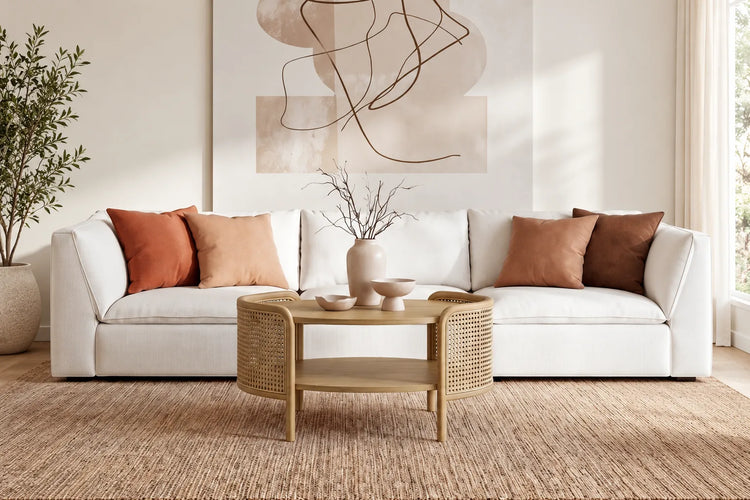
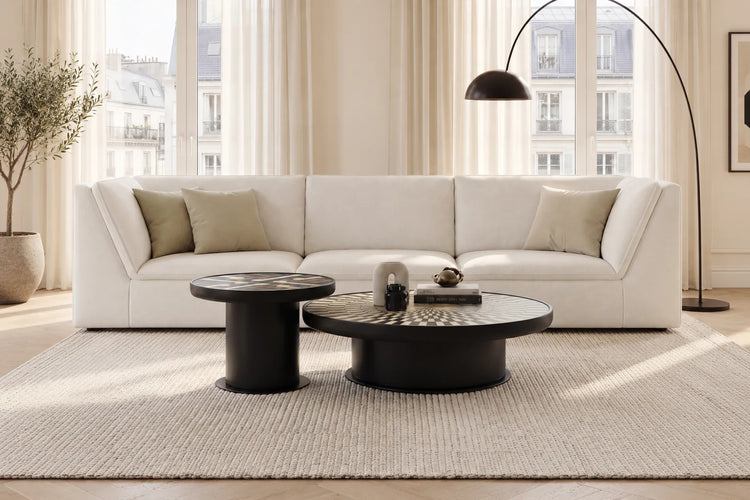
A modular sectional sofa is worth it for game nights when your room has to switch between face-to-face board play, shared TV viewing, and relaxed hanging out without feeling cramped. If your seating rarely changes or your guest count stays small, a fixed sofa can still be the simpler buy. The decision comes down to how often you rework the room, not just how many seats you can count.

Why Game Night Changes the Sofa Test
Game nights are harder on seating than everyday lounging because the room has to do more than hold people. One round may need open floor space around a table, the next may need everyone angled toward a TV, and the last may turn into a movie break with less formal seating.
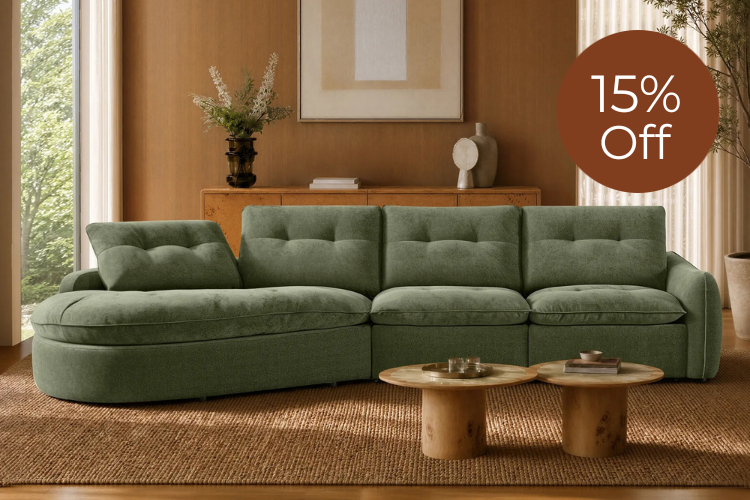
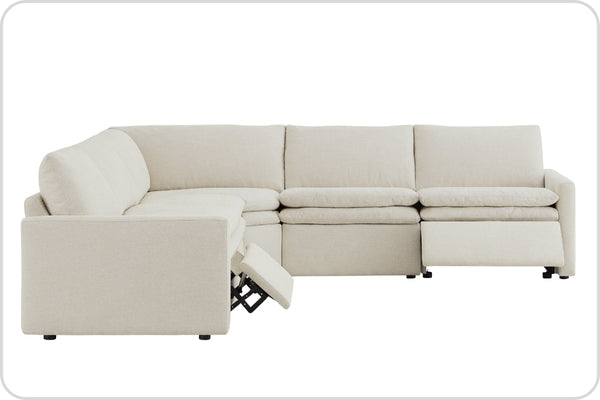
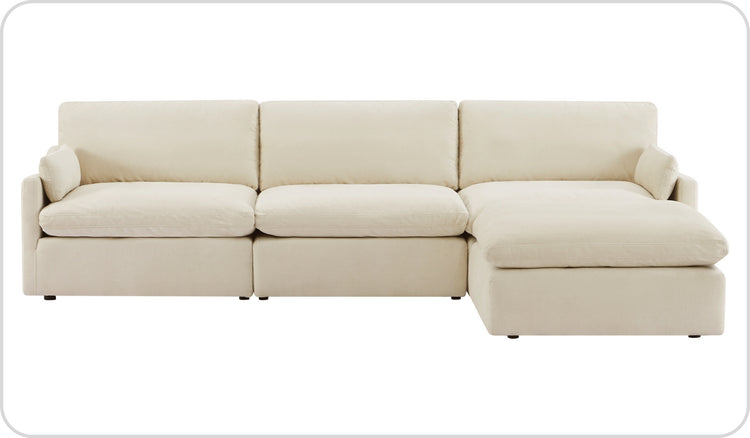
That is why a modular sectional sofa can make sense for frequent hosts. Instead of dragging in extra chairs every time the setup changes, you can often shift the layout with the pieces you already own. The value is less about sheer seat count and more about how quickly the room can change jobs.
For most hosts, the real check is circulation. If people have to squeeze past the sofa to reach snacks, controllers, or the game table, the layout is already working against the evening.
The broader trade-off is easy to miss: a bigger sofa is not always better, but a more adaptable one often is. That is the basic reason game nights change the sofa test.
If you want a deeper comparison of styles, this sectional vs. modular sofa guide is a useful follow-up.
When a Modular Sectional Pays Off
A modular setup tends to be most useful when the same living room has to serve multiple social modes. That usually means the host rearranges seating more than once a month, or the room has to support both daily lounging and larger weekend gatherings.
It is especially helpful when the guest list changes from one night to the next. If you regularly host 6 to 12 people, the ability to add, remove, or rotate a section can feel more practical than buying a fixed layout that only works in one arrangement.
Board-Game Tables and Face-To-Face Seating
Board games are where modular seating can pay off fastest. You often want a clear table center, open access from several sides, and enough seat spacing that people can lean in without blocking traffic.
A modular sectional can help create that shape more easily than a single fixed run of seats. The catch is that the sofa still has to fit the room. If the pieces are heavy or the room is tight, "flexibility" can turn into extra effort at setup time.
Console Gaming and Shared Viewing Angles
For console nights, the room usually needs sightlines more than formality. People want a good view of the screen, a place to set drinks, and enough support to stay comfortable for a few hours.
A modular sectional works best here when it can angle the group toward the TV without forcing one person onto a bad corner seat. If the layout leaves half the group twisted away from the screen, the modular benefit is smaller than it sounds.
Movie Night Crossover Nights
Movie nights often reveal the hidden advantage of modular seating: you can prioritize comfort without committing the room to one permanent shape. Some nights call for a more stretched-out lounge layout, while others need a tighter, social arrangement.
That flexibility matters most if your game nights regularly drift into movie nights or long streaming sessions. If your evenings are always the same activity, the extra reconfiguration may not be worth the cost or setup effort.
Small Spaces That Need Room Resetting
In apartments and smaller homes, the biggest win is not often more seating, but easier reset. A modular sectional can sometimes let you keep a daily setup compact and expand only when guests arrive.
Still, do not assume small-space flexibility is automatic. Tight doorways, narrow walk paths, and large pieces can make a modular sofa slower to move than expected. In those rooms, the best choice is the one that fits both the room and your patience.
Comfort, Capacity, and Clean-Up
Comfort matters more on game night because people stay seated longer than they do during a quick visit. Deeper seats can feel better for long sessions, especially when the group includes both casual loungers and people who want to sit back for hours.
Capacity is not just the number of cushions. It is also whether everyone has a usable place to sit without crowding the table or blocking the screen. Modular layouts can help there by creating more functional seating zones, even when the room itself is not large.

Clean-up is where expectations need to stay realistic. Performance fabrics can reduce stress when snacks or drinks are part of the night, but no fabric is universally spill-proof. For that reason, CHITA's Decoding Upholstery Standards is worth reading before you assume any cover will handle everything.
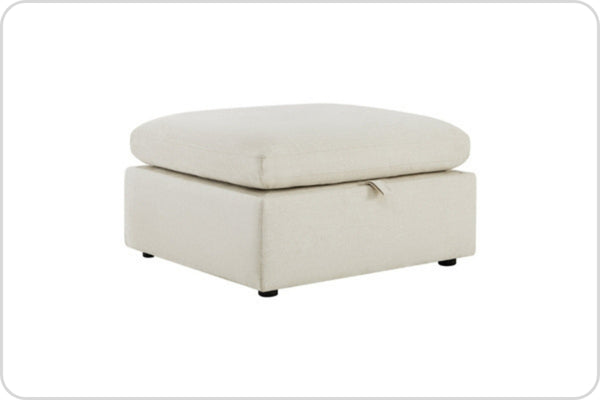
If your household uses blankets, remotes, controllers, or game pieces constantly, storage also matters. Ottomans and hidden storage can help keep the room orderly, but they also take up floor space, so they should be measured against table clearance before you buy.
A good practical rule is this: if cleanup stress is one of the main reasons you are considering modular seating, prioritize easy-care covers and removable pieces over a style that only looks flexible in photos.
Modular Versus Fixed Sectionals
A modular sectional usually wins when the same room needs to change shape often. A fixed sectional usually wins when the room is already settled and the layout never changes. That is the simplest way to think about the choice.
| Factor | Modular Sectional | Fixed Sectional |
|---|---|---|
| Flexibility | Better for changing guest counts and activities | Better if the room stays in one layout |
| Setup speed | Good, but depends on piece weight and room size | Usually simpler once installed |
| Seating control | Easier to rework for table games or TV nights | More limited once the shape is set |
| Room fit | Helpful when you need compact and expanded modes | Better when the room is already optimized |
| Long-term adaptability | Strong if your hosting habits may change | Weaker if future needs shift |
| Cleanup practicality | Can be strong with easy-care fabrics and storage pieces | Can also be easy, but less configurable |
| Best for | Frequent hosts and multi-use living rooms | Stable layouts and lighter hosting needs |
The recommendation flips when your room never changes. If you mostly sit in the same place, host smaller groups, and do not want to reconfigure furniture, modular flexibility may add cost without adding much value.
For families or hosts who know the seating will need to grow over time, a modular system is usually the safer bet. For single-purpose rooms, fixed can be the better fit.
If you want a broader browsing path, the Sofas collection is the cleanest place to start.
What to Check Before You Buy
Before you buy a modular sectional sofa, measure the room in the way you actually use it. That means sofa footprint, TV distance, table clearance, and the path people use to reach snacks, outlets, and the bathroom. A layout that looks spacious on paper can feel crowded once the room is full.
- Check your usual guest count, not just your maximum guest count.
- Confirm how many pieces you can realistically move during a reset.
- Look at connector style and piece weight so reconfiguration is not a chore.
- Compare seat depth and back support for long sessions.
- Read care instructions before assuming the fabric matches snack-heavy use.
- Review delivery, assembly, return, and warranty terms before you treat it as a long-term purchase.
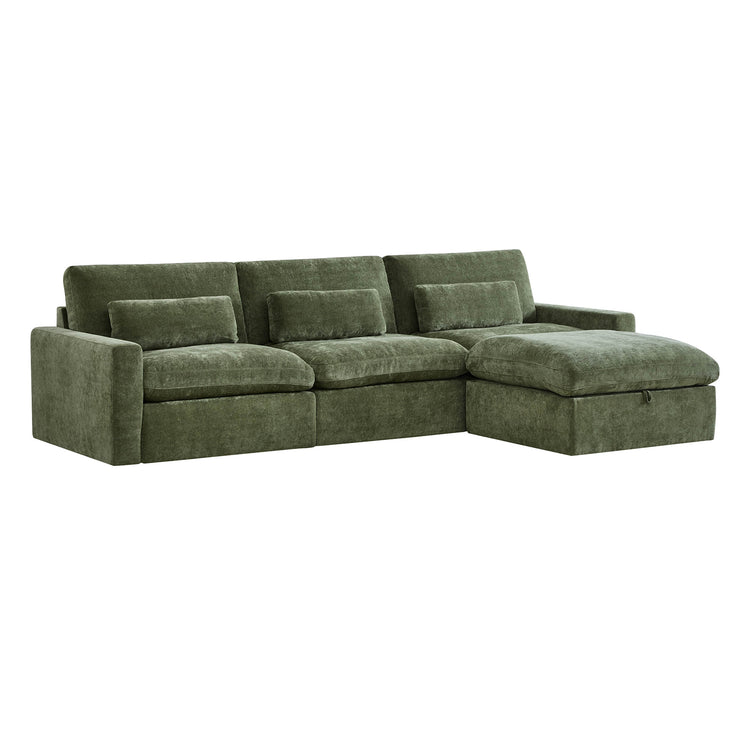
If you are narrowing to CHITA options, the Jonathan Modular Sofa Collection is a browsing starting point, while the Maisie 6-seat Modular Sofa with Storage Ottoman and Delaney 5-Seat Modular Sofa Chaise with Storage Ottomans are worth checking if storage and seat count matter to your setup.
The Jonathan Modular Sofa Collection is a useful browse path if you want to compare layout-friendly options before narrowing to one size. Since the product fact packs are limited here, check the exact configuration, dimensions, and care details before you decide.
Bottom Line for Frequent Hosts
A modular sectional sofa is usually worth it for game nights when your living room has to keep changing jobs. If you host often, use the same space for board games and movie nights, and want easier layout changes, the flexibility can be genuinely useful. If your room stays fixed or your gatherings are small, a simpler sofa may be the smarter buy. For frequent hosts, the best choice is the one that handles layout changes, cleanup, and long sitting without making the room harder to live in the rest of the week.
Related Resources
- Why a Modular Sofa is the Smartest Investment for Renters in 2026
- Sectional Sofa Styles Guide
- The 5-Year Sectional: Scaling Your Modular Sofa with Your Life
- Sofa collection
- Sophia Feather Modular Sofa Collection
FAQs
Q1. How Many People Can a Modular Sectional Seat for Game Night?
It depends more on piece count, room flow, and layout than on one universal number. A sofa that seats six in daily use may feel smaller once drinks, controllers, and a game table are in play. The better check is whether everyone has a usable spot without blocking circulation.
Q2. What Size Room Works Best for a Modular Sectional?
The best room is one with enough clearance for people to move, not just enough wall length for the sofa. Measure the path around the seating, the distance to the TV, and the space a table needs if you host board games. Tight rooms can still work, but only if the layout stays flexible.
Q3. Can a Modular Sectional Work for Both Board Games and Movie Nights?
Yes, and that is one of its strongest use cases. Board games usually need a more open, face-to-face setup, while movie nights work better with a relaxed viewing angle. A modular sectional can help the same room shift between those modes without a full furniture shuffle.
Q4. Why Does Performance Fabric Matter for Game Nights?
It matters because game nights usually include snacks, drinks, and longer sitting sessions. Easier-care fabric can make cleanup less stressful, but it should still be treated as a maintenance choice rather than a guarantee. If spills are common, look for covers and care instructions you are actually willing to follow.
Q5. What Should I Compare Before Choosing a Modular Sectional?
Compare fit, comfort, reconfiguration effort, care needs, delivery, and warranty before you focus on style. A model that looks great can still be annoying if it is too heavy to move, too deep for upright game play, or too hard to clean after a few busy weekends.
Recommended Products


More to Read
 7 Sofa Trends That Actually Improve Comfort in 2026
Upgrade your living room with furniture that supports your body. Here are 7 modern sofa features designed to maximize your daily comfort...
7 Sofa Trends That Actually Improve Comfort in 2026
Upgrade your living room with furniture that supports your body. Here are 7 modern sofa features designed to maximize your daily comfort...
 Mother's Day Gift Guide: Cozy and Stylish Furniture Picks for Modern Moms
Make Mother's Day more meaningful with furniture gifts that bring comfort, smart features, storage, and quiet luxury into her everyday routine.
Mother's Day Gift Guide: Cozy and Stylish Furniture Picks for Modern Moms
Make Mother's Day more meaningful with furniture gifts that bring comfort, smart features, storage, and quiet luxury into her everyday routine.
 Performance Fabric Reality Check: Does It Really Repel Pet Hair and Stains?
Performance fabric is often marketed as a miracle solution for homes with pets and kids, but the reality is more nuanced. It...
Performance Fabric Reality Check: Does It Really Repel Pet Hair and Stains?
Performance fabric is often marketed as a miracle solution for homes with pets and kids, but the reality is more nuanced. It...