
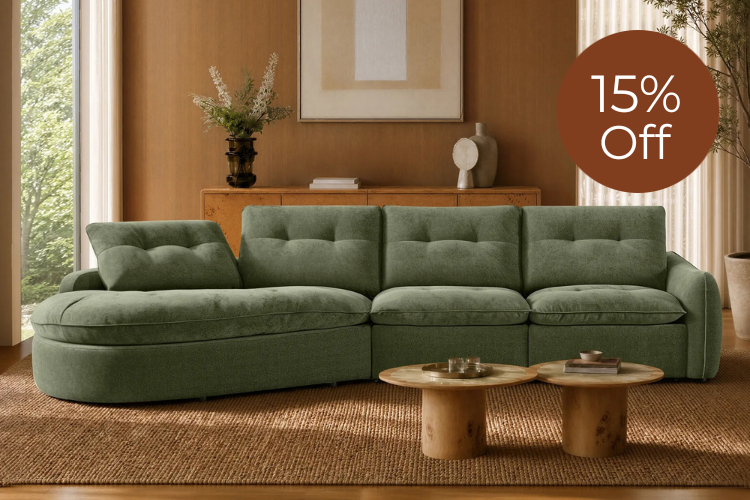


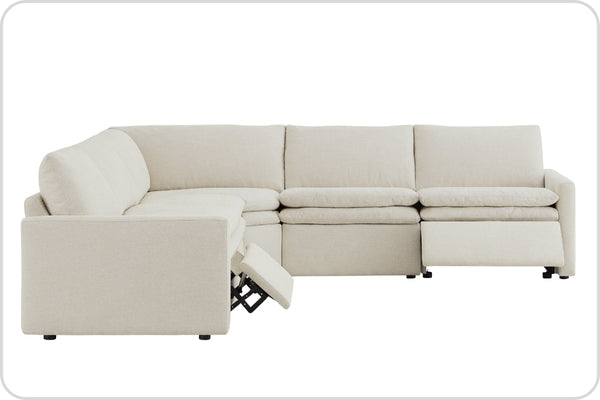


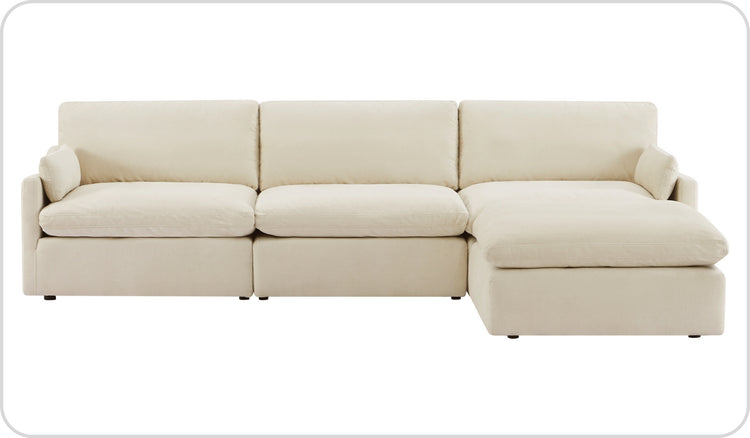


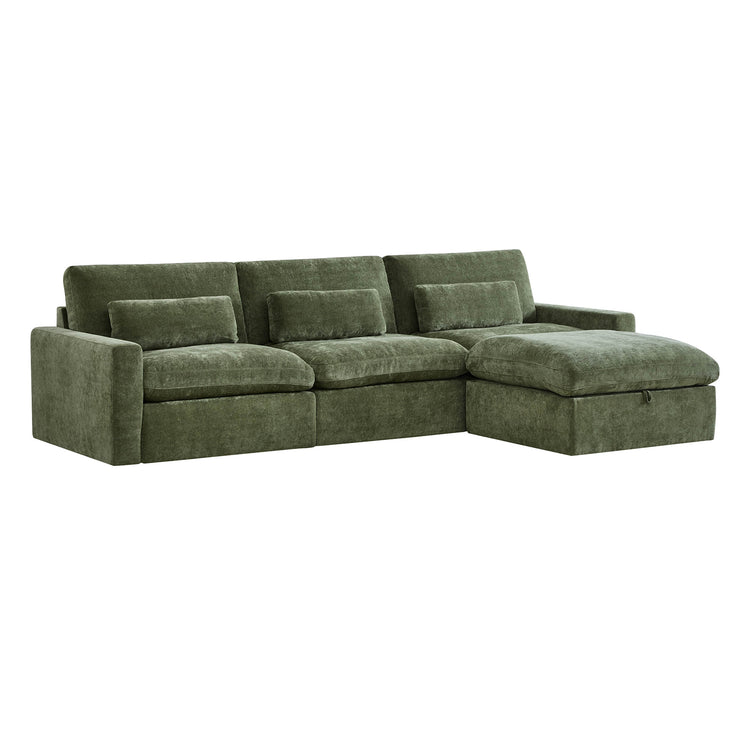








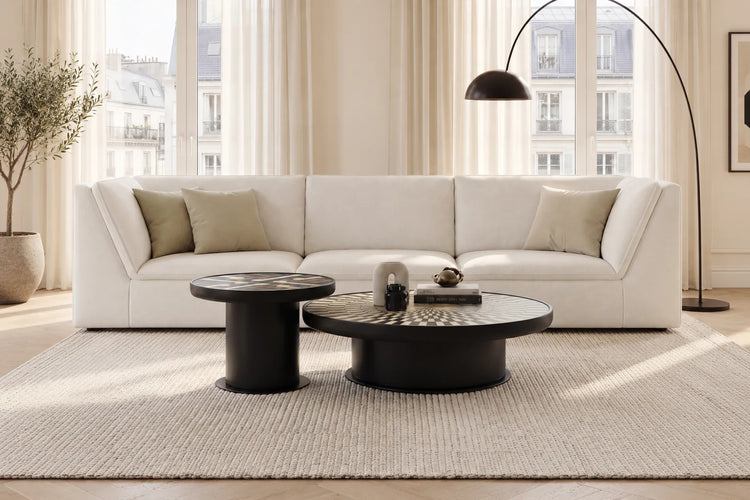











Modular sectionals promise flexibility and easy reconfiguration, but many families discover a frustrating reality: sections drift apart, creating gaps that trap crumbs, remotes, and dust. A true zero-gap design combines precise alignment, compression-fit upholstery, and robust connectors to maintain a seamless look and reduce cleaning headaches in high-traffic homes.

Beyond the Sofa Abyss: Why Modular Gaps Are the #1 Pain Point in 2026
The "sofa abyss" refers to those unintended spaces that open between modular pieces during normal use. What starts as a minor seam can widen into a visible gap that swallows snacks, toys, and small objects, turning everyday lounging into a constant cleanup task.
This crumb trap isn't merely annoying. Gaps create dark, warm crevices where food debris and skin cells accumulate, providing ideal conditions for dust mites and allergens. The American Lung Association warns that dust mites and allergens thrive in the warm, dark crevices of upholstered furniture, where food debris and skin cells accumulate.
Shifting modules also undermine the clean, seamless aesthetic many buyers seek. On hardwood, tile, or laminate floors, the problem worsens because smooth surfaces offer little natural resistance to lateral movement. In homes with children or pets, frequent jumping, leaning, or rearranging accelerates the drift.
Understanding the difference between a purely cosmetic seam and an engineered zero-gap system is the first step toward a stable living room that stays looking and functioning as intended.
The Engineering of 'Zero-Gap': How Compression and Interlocks Stop the Crumb Trap
A genuine zero-gap sectional relies on three coordinated layers: precise alignment so sections sit flush in the same plane, compression that lets the upholstery bridge any micro-gap, and mechanical retention that prevents lateral creep over time. Without all three, the "zero-gap" label remains mostly cosmetic.
According to the ANSI/BIFMA X5.41-2021 standard, lounge seating must undergo rigorous cyclic stability and leg strength testing to ensure structural integrity under shifting loads. This industry benchmark helps separate systems built for real family use from those that look modular but lack long-term durability.
Tongue-and-groove profiles or overlapping lips create a physical labyrinth that blocks debris far more effectively than simple clips. Compression-fit upholstery plays a critical role too: when the fabric and foam are engineered to maintain tension across the seam, the surface stays smooth even after repeated compression under weight.
Industry engineering generally identifies two primary connector styles: spring-loaded alligator clips that prioritize fast reconfiguration and interlocking metal brackets that deliver stronger resistance to separation in high-traffic environments. This internal comparison of modular connector engineering clarifies the practical trade-offs between speed and security.

Magnetic or hook-and-loop assists can provide helpful preload, but they function best as supplements rather than primary locks. For families seeking a no-gap sectional sofa, look for designs that integrate overlapping edges with robust hardware rather than relying on tension alone.
Stop the Shift: Choosing Connectors and Base Grips for Your Floor Type
Mechanical connectors address only half the stability equation. On smooth surfaces like hardwood or tile, even strong brackets can allow gradual drift unless paired with adequate floor friction.
High-friction rubberized base pads often prove essential to complement connectors and prevent lateral movement on hard floors. This synergy matters most in open-plan spaces where a drifting module becomes immediately noticeable.
High-traffic family rooms with children or pets generally benefit from the redundancy of interlocking brackets paired with high-friction rubberized pads. Transitional renters who reconfigure or move frequently may prefer the convenience of spring-loaded clips, but should still treat rubberized base grip as mandatory on hard floors.
Hardware durability also matters. Repeated assembly and disassembly can bend lighter clips or strip threads, gradually reducing the zero-gap performance. For lasting results on smooth floors, prioritize systems that combine mechanical retention with substantial base friction rather than relying on connectors alone.
Our guide to modular sofas versus traditional sofas explores how these stability features fit into broader layout decisions for different living spaces.
The Maintenance Illusion: Why Performance Fabric Needs Zero-Gap Engineering
Performance fabrics excel at resisting surface stains and spills, yet they cannot reach debris that falls deep into gaps between modules. Without an effective barrier, hidden crumbs and skin cells continue to feed allergen populations regardless of how often you wipe the cushions.
National Jewish Health notes that dust mites love soft environments like cushions and bedding, and recommends physical barriers or frequent cleaning of crevices to manage exposure. Zero-gap engineering reduces the surface area of these crevices, making routine vacuuming more effective and decreasing the need to separate sections for deep cleaning.
Modular systems built with fixed upholstery, often labeled Code S, prove especially vulnerable because the tight fit can hide accumulating debris until it becomes a noticeable problem. Families with allergy concerns or pets benefit most from designs that minimize seams through overlapping lips and compression rather than depending solely on cleaning routines.
The 2026 guide to family-proof modular sectionals provides additional context on how fabric choice and gap engineering work together for households with kids and pets.
The 2026 Stability Checklist: How to Test a Sectional Before You Buy
Testing stability in the showroom or at home prevents the common regret of discovering gaps only after the packaging has been discarded. Begin with the lateral push test: apply moderate side pressure to one module. If it shifts more than a few millimeters relative to its neighbor, the base grip or connectors likely need reinforcement for your floor type.
Inspect the hardware directly. Heavy-duty steel brackets and reinforced clips generally outperform thinner stamped metal that can bend during moves. Check whether the system includes substantial rubberized pads or grippers on the feet, especially if your home has hardwood, tile, or laminate flooring.
Consider your real usage pattern. High-traffic family rooms usually need the most redundant setup, while lower-traffic spaces or rental apartments may prioritize easier reconfiguration provided base friction remains adequate.
Always verify the return policy and keep packaging materials until the sofa has been fully assembled and tested under normal daily conditions for at least a week. This precaution avoids costly restocking fees if the zero-gap performance does not meet expectations in your specific environment.
For long-term scalability and repairability, review our 5-year sectional guide that explains how to grow your modular setup as family needs change.
FAQs
Why do gaps keep forming between modular sofa sections?
Gaps typically form when mechanical connectors lack sufficient retention or when base friction is inadequate for the floor surface. On smooth hardwood or tile, lateral forces from sitting, standing, or play overcome lighter clips over time. True zero-gap systems combine interlocking hardware, overlapping edges, and high-friction pads to counteract these forces.
Do alligator clips or interlocking brackets provide better zero-gap performance?
Interlocking brackets generally offer stronger resistance to separation in busy households, while spring-loaded alligator clips excel at quick reconfiguration. Neither fully solves shifting on hard floors without complementary rubberized base pads. The best choice depends on your traffic level and how often you plan to rearrange the layout.
How do zero-gap designs help with dust mites and allergens?
By minimizing deep crevices where debris collects, zero-gap engineering reduces the habitat available to dust mites. The American Lung Association and National Jewish Health both highlight crevices in upholstered furniture as primary allergen reservoirs. Fewer gaps mean less hidden buildup and easier surface cleaning.
Are rubberized base pads necessary on carpeted floors?
On rugs or carpets, mechanical connectors alone often provide adequate stability because the pile creates natural friction. Rubberized pads become more critical on hardwood, tile, or laminate where the floor offers little resistance. Always match the grip solution to your specific flooring.
What should I check before buying a modular sectional for a family with kids?
Perform the lateral push test in the showroom, inspect connector weight and material, confirm the presence of substantial base pads, and verify the return window allows real-world testing. Prioritize systems that combine brackets with compression-fit upholstery and overlapping edges for best long-term gap resistance.
Can performance fabric alone prevent crumb traps in a modular sofa?
Performance fabric resists stains on the surface but cannot stop debris from falling into gaps between modules. Zero-gap engineering that reduces or eliminates those crevices remains necessary for effective debris control and reduced allergen exposure.
How long do modular sofa connectors typically last under family use?
Durability varies with material thickness, frequency of reconfiguration, and floor type. Heavy-duty steel brackets and reinforced clips maintain performance longer than lighter hardware, especially when paired with proper base grip that reduces stress on the connectors during daily movement.
Recommended Products


More to Read
 7 Sofa Trends That Actually Improve Comfort in 2026
Upgrade your living room with furniture that supports your body. Here are 7 modern sofa features designed to maximize your daily comfort...
7 Sofa Trends That Actually Improve Comfort in 2026
Upgrade your living room with furniture that supports your body. Here are 7 modern sofa features designed to maximize your daily comfort...
 Mother's Day Gift Guide: Cozy and Stylish Furniture Picks for Modern Moms
Make Mother's Day more meaningful with furniture gifts that bring comfort, smart features, storage, and quiet luxury into her everyday routine.
Mother's Day Gift Guide: Cozy and Stylish Furniture Picks for Modern Moms
Make Mother's Day more meaningful with furniture gifts that bring comfort, smart features, storage, and quiet luxury into her everyday routine.
 Performance Fabric Reality Check: Does It Really Repel Pet Hair and Stains?
Performance fabric is often marketed as a miracle solution for homes with pets and kids, but the reality is more nuanced. It...
Performance Fabric Reality Check: Does It Really Repel Pet Hair and Stains?
Performance fabric is often marketed as a miracle solution for homes with pets and kids, but the reality is more nuanced. It...