













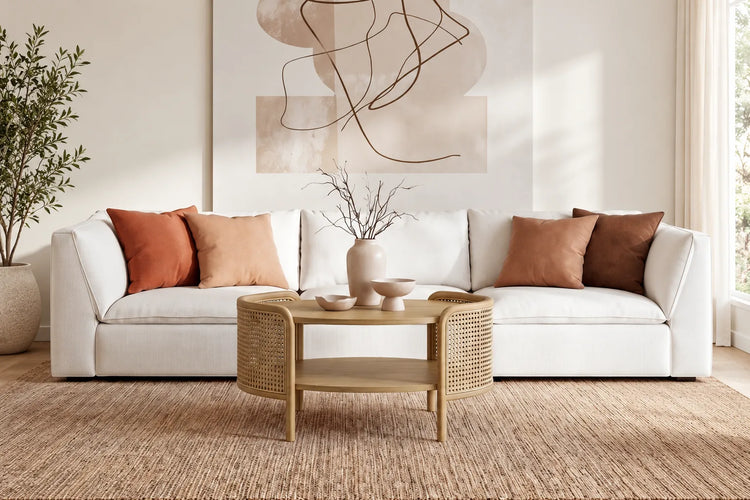
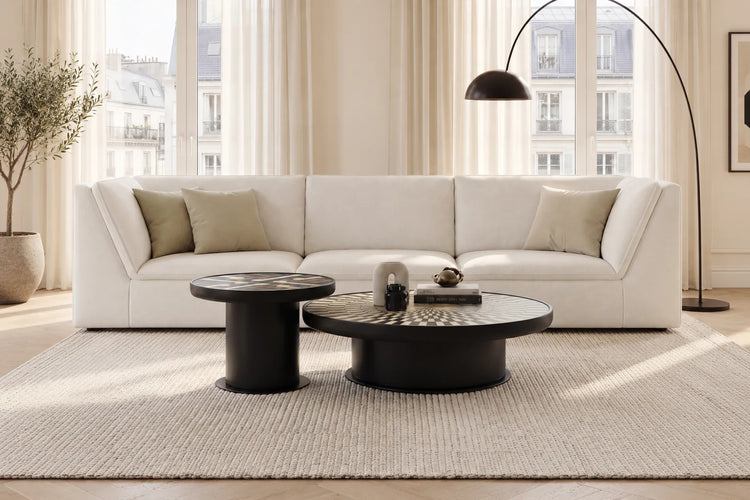
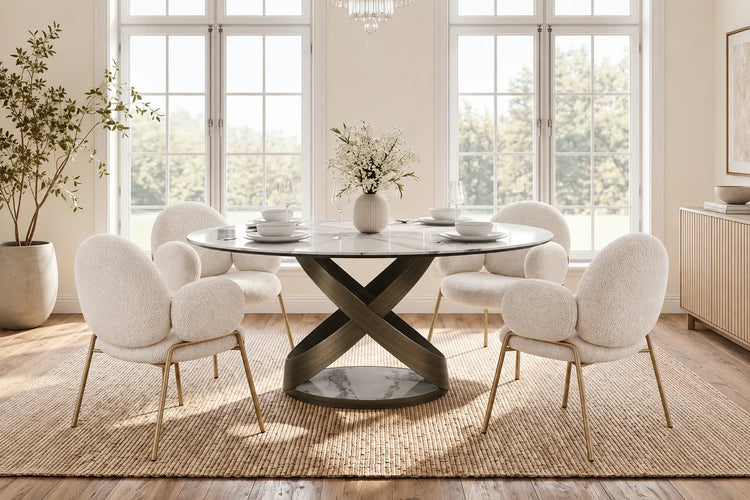
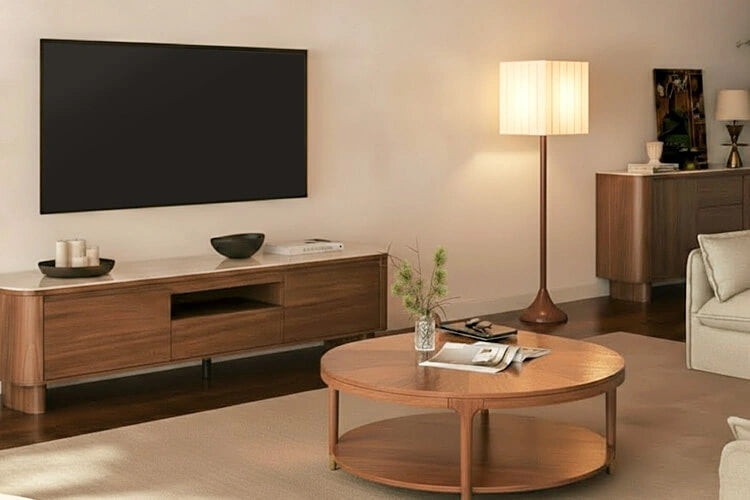











In 2026, living rooms function as multi-purpose hubs for hybrid work, casual dining, and tech-heavy lounging, making a single fixed coffee table feel rigid and limiting. Modular coffee tables and nesting sets deliver the flexibility needed to reconfigure on demand while maintaining a high-spec, tailored aesthetic that suits dynamic spaces.

Why the Fluid Home of 2026 Demands Modular Coffee Tables
The ASID 2026 Trends Outlook Report highlights the "Fluid Home" as a leading concept, where living rooms must seamlessly transition between work, relaxation, and social functions. Static coffee tables, designed for one primary use, struggle in these environments because they cannot adapt quickly to changing needs.
This shift drives demand for modular systems that support swift stylistic and functional transitions. Rather than a one-size-fits-all piece, buyers now seek components that combine into bespoke layouts without sacrificing style or stability. The modular complexity approach achieves a premium, architectural look through carefully chosen high-spec elements that reconfigure as your lifestyle evolves.
For apartment dwellers or remote workers, this adaptability prevents the common regret of buying a beautiful but inflexible table that soon feels out of place. Check your room's primary modes first: if you frequently shift between laptop work and guest entertaining, a static table is likely a poor long-term fit.
Modular Systems vs. Nesting Tables: Which Configuration Fits Your Lifestyle?
True modular systems consist of standardized units such as cubes or plinths that connect via magnetic or recessed hardware, allowing architectural rearrangement for different activities. Nesting coffee tables, by contrast, rely on graduated sizes that stack for storage, delivering significant space savings—often reducing the floor footprint substantially when not in use.
The choice depends on your reconfiguration frequency versus space priorities. Frequent multi-use rooms benefit from true modular setups for their structural adaptability and stability during work or dining. Smaller or less active spaces often favor nesting configurations that prioritize compactness.
High-spec options blur these lines. Pieces like the Aso Drum Wood Coffee Table with Sintered Stone and Aaron Midcentury Octagon Travertine Coffee Table function as architectural anchors. Their geometric precision and premium materials provide a modular feel even within nesting or storage-oriented designs.
This visualization clarifies how system credibility, footprint needs, and stability requirements shift across common 2026 living room scenarios. Storage hybrids, such as the Grace Round Storage Ottoman Coffee Table or Nest Oval Storage Mid Century Ottoman, often strike a practical middle ground for hybrid work and lounging.
High-Spec Design: Moving from Slouchy Shapes to Tailored Silhouettes
Premium modular coffee tables in 2026 favor clean architectural lines and tailored silhouettes over informal, blob-like forms. This aesthetic shift creates a lighter visual presence in open-concept homes through negative space and elevated plinth or stepped bases.
Material integrity signals luxury. Travertine, as seen in the Aaron table, offers natural stone texture with timeless appeal. Sintered stone tops on the Aso Drum provide resilience and a sleek modern finish, while burl wood adds organic warmth. These choices elevate the entire room without visual clutter.
For versatile living room tables, the combination of geometric precision and quality materials ensures the setup looks intentional whether fully expanded or condensed. This tailored approach aligns with design-conscious buyers who want furniture that feels bespoke rather than temporary.

Ergonomics for the Hybrid Hub: Sizing and Clearance for Work and Dining
Proper sizing prevents frustration in daily use. Maintain 18 to 24 inches of clearance from surrounding seating to support comfortable traffic flow, as recommended in small-space layout guidance. This standard remains essential for accessibility and everyday movement.
Hybrid heights between 22 and 25 inches work best for laptop use from a standard sofa height, reducing strain during remote work sessions. Cantilever or overlapping designs improve knee clearance, letting the table extend toward seating without forcing awkward postures.
Storage ottomans like the Grace Round Storage Ottoman Coffee Table or Nest Oval Storage Mid Century Ottoman bridge lounging and utility needs. They provide extra surface area when required and tuck away cleanly, making them valuable in multi-use setups. Always verify weight limits for any surface used as a work table to avoid stability issues.
Invisible Tech and Material Durability: The 2026 Buying Criteria
High-spec coffee tables increasingly incorporate subtle technology that supports device-heavy lifestyles without disrupting the design. Expectations include embedded charging options and clean cable management, though specific implementations vary by manufacturer. Frame these as emerging 2026 standards rather than guaranteed features.
Stability matters more than ever for hybrid work. ANSI/BIFMA X5.5 serves as the recognized industry benchmark for occasional tables, addressing leg strength, durability, and resistance to wobble that could cause typing bounce during laptop sessions. Meeting this standard helps ensure reliable performance across modes.
Material choices affect long-term satisfaction. Sintered stone resists scratches and heat better for high-traffic areas, while wood delivers natural warmth that ages gracefully. Modularity also supports repairability, aligning with the anti-fast-furniture movement by allowing individual components to be refreshed instead of discarding an entire piece. Explore the Repairability Index and why modular design beats fast furniture for deeper guidance on longevity.
How to Choose the Right Configuration for Your Room
Begin by measuring your active zone—the usable seating area after reserving 18–24 inches of clearance on all sides. This baseline prevents buying a system that overwhelms or under-serves the space.
Next, identify your dominant mode. Remote workers prioritizing stable laptop surfaces may lean toward configurations with higher stability ratings. Small-space residents focused on daily storage often benefit most from nesting logic. Entertaining households that frequently expand for guests tend to prefer versatile storage hybrids or modular anchors.
The chart above summarizes these trade-offs using tiered fit levels across typical scenarios. True modular systems generally excel in high-reconfiguration environments, while nesting options shine where footprint reduction is paramount. Storage hybrids frequently offer balanced performance for mixed daily use.
Use this decision checklist:
- Confirm standardized units or secure connection points for frequent rearrangement.
- Verify material durability matches your traffic level.
- Ensure the design meets relevant stability standards if used for work.
- Match the overall aesthetic to your room's tailored or architectural style.
Consider complementary storage solutions such as modern sideboards for open-concept homes to complete the flexible layout. For broader inspiration on arrangements, review how to create captivating furniture layouts for small living spaces.
Do Nesting Coffee Tables Actually Save Enough Space?
Nesting sets can reduce visual and physical clutter significantly when stacked, making them practical for apartments or condos. However, the exact savings depend on your specific room dimensions and how often you deploy the pieces. In many setups they deliver meaningful efficiency, but they may not replace the structural versatility of dedicated modular systems for daily mode changes.
Are Modular Coffee Tables Stable Enough for Laptop Work?
Stability varies by construction and compliance with standards such as ANSI/BIFMA X5.5. Look for designs with wide bases, quality joinery, and minimal flex when selecting for hybrid work. Storage ottomans used as tables require particular attention to weight ratings. Test in person or request detailed specs if typing bounce would disrupt your workflow.
What Materials Last Longest in High-Traffic Living Rooms?
Sintered stone and travertine offer strong resistance to scratches, heat, and stains, suiting busy households. Wood provides warmth and can be refinished over time. The best choice balances your aesthetic preferences with the expected wear. Modularity adds further longevity by letting you replace only worn components.
How Many Pieces Should a Modular Coffee Table Set Include?
Three to four pieces often strike the right balance for most rooms, allowing expansion for guests while remaining manageable when condensed. Larger sets increase flexibility but may crowd small spaces when fully deployed. Match the number to your primary mode and available storage rather than maximizing quantity.
Do High-Spec Modular Tables Require Special Maintenance?
Most premium materials need only gentle cleaning with manufacturer-recommended products. Stone surfaces resist many spills but benefit from periodic sealing. Wood pieces may require occasional oiling to maintain finish. The modular design itself often simplifies care because individual sections can be cleaned or repaired separately.
Recommended Products

More to Read
 7 Sofa Trends That Actually Improve Comfort in 2026
Upgrade your living room with furniture that supports your body. Here are 7 modern sofa features designed to maximize your daily comfort...
7 Sofa Trends That Actually Improve Comfort in 2026
Upgrade your living room with furniture that supports your body. Here are 7 modern sofa features designed to maximize your daily comfort...
 Mother's Day Gift Guide: Cozy and Stylish Furniture Picks for Modern Moms
Make Mother's Day more meaningful with furniture gifts that bring comfort, smart features, storage, and quiet luxury into her everyday routine.
Mother's Day Gift Guide: Cozy and Stylish Furniture Picks for Modern Moms
Make Mother's Day more meaningful with furniture gifts that bring comfort, smart features, storage, and quiet luxury into her everyday routine.
 Performance Fabric Reality Check: Does It Really Repel Pet Hair and Stains?
Performance fabric is often marketed as a miracle solution for homes with pets and kids, but the reality is more nuanced. It...
Performance Fabric Reality Check: Does It Really Repel Pet Hair and Stains?
Performance fabric is often marketed as a miracle solution for homes with pets and kids, but the reality is more nuanced. It...