


























Power recliners deliver convenient comfort, but many parents and pet owners worry about mechanical pinch points, entrapment risks, and whether built-in sensors truly protect children or curious animals. The good news is that modern engineering—centered on UL 962 standards, auto-stop sensors, and controlled motion—can significantly reduce these hazards when the chair is chosen and maintained with care. This guide explains the real risks, how safety features work, and the practical checks you should make before buying for a family home.

Understanding the Mechanical Risks of Power Furniture
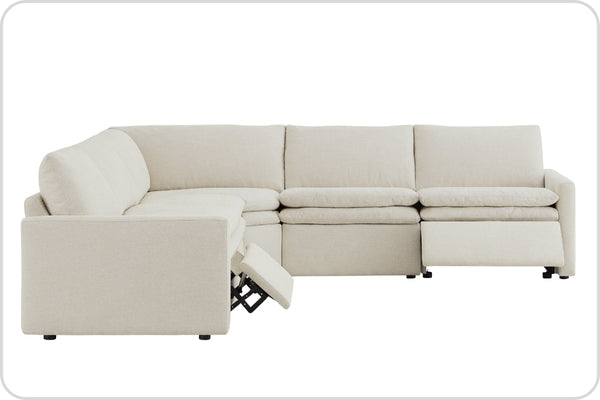
Power recliners move using electric motors that can generate substantial compressive force. Residential models typically produce between 200 and 300 pounds of force, which means even a slow-moving mechanism can create injury if a small hand, finger, or pet paw becomes trapped. The two most common hazard patterns are entrapment under the lift mechanism (the area beneath the seat that folds as the chair reclines) and gaps in the movable footrest.
The U.S. Consumer Product Safety Commission (CPSC) has specifically identified these entrapment risks in motorized recliners. Their guidance encourages manufacturers to limit openings between the seat and leg rest to 5 inches or less to help prevent head entrapment, particularly for young children. This is why appearance alone is misleading—quiet, smooth operation does not equal low risk.
Many parents focus first on fabric safety or chemical emissions, yet mechanical pinch points often present the more immediate concern in homes with toddlers or pets. A chair that looks perfectly safe when stationary can create temporary gaps or closing forces during normal use. Recognizing this gap between perception and reality helps shoppers shift from asking "Is it pretty?" to "Is the operational footprint safe?"
The Engineering Behind Child-Safe Power Recliners
Modern power recliners rely on established safety standards rather than marketing claims. UL 962, the primary North American standard for motor-operated household furnishings, sets requirements for electrical safety, mechanical strength, stability, and protection against personal injury.
A key element of this standard is limiting movement speed in critical zones to roughly 1 inch per second. This creates a short but meaningful reaction window for safety systems to respond. Auto-stop sensors (also called obstruction detection) work by monitoring resistance or unexpected pressure. When the system detects an obstruction, the motor typically stops and reverses direction before full compression occurs.
This combination of controlled speed and active sensing is what separates basic power furniture from models designed for family use. The sensors do not eliminate the motor's force, but they aim to prevent that force from being applied long enough to cause serious harm. As the CPSC notes in its guidance on recliner entrapment, these design choices matter most in the lift mechanism and footrest areas where gaps naturally form during operation.
For context on how these elements interact, the table below summarizes the core engineering relationship:
| Factor | Typical Range | Role in Safety | What It Means for Buyers |
|---|---|---|---|
| Motor Force | 200–300 lbs | Potential compressive strength | Requires reliable auto-stop to limit duration of force |
| Movement Speed | ≤1 inch per second in critical zones | Creates intervention window | Slower controlled motion gives sensors time to act |
| Sensor Response | Detects resistance and reverses | Primary injury-prevention mechanism | Must trigger on abnormal pressure or stalled travel |
| Gap Size (Footrest) | Target ≤5 inches | Reduces entrapment risk | Check physical openings when fully extended |
This table illustrates why speed alone does not equal safety. A slow-moving chair with 200+ pounds of available force still needs fast, reliable sensing to stay within safe parameters.
Child and Pet Safety: Navigating the Nursery Operational Footprint
Safety extends beyond the chair's built-in features to how it fits your actual room. In small nurseries or busy family spaces (often under 100 square feet with dim lighting), the "operational footprint"—the full space the chair needs while reclining, swiveling, and returning to upright—often exceeds the static dimensions listed on spec sheets.
Wall-hugger designs help here by minimizing rear clearance needs, which reduces trap zones behind the chair where pets or toddlers might wander. Still, you must verify that the full recline arc leaves safe passage on all sides. Cords present another common overlooked hazard. In low-light nighttime feedings or play areas, a trailing power cord can become a trip or entanglement risk for both children and pets.
A practical self-check framework for nursery setups includes treating the recliner as a moving appliance rather than static furniture. Measure the full recline path in your room, route cords along walls or behind furniture, and confirm that no toddler or pet can reach behind, beside, or under the chair while it is operating. If access cannot be fully controlled in a tight space, a non-power or wall-hugger model may be the safer practical choice despite the convenience loss.
Our 2026 Guide to Quiet Power Recliners for Nurseries explores additional considerations for acoustic sensitivity and compact footprints that complement these safety priorities.
Maintaining Motor Health and Sensor Accuracy
Safety features degrade without regular care. Dust, wear on linkages, or damaged wiring can impair sensor accuracy or motor response over time. A simple monthly routine should include visual inspection of power cords for fraying, checking mechanical joints for looseness, and ensuring the control panel remains out of easy reach of small children.
To test auto-stop sensors safely, use a soft pillow or rolled towel rather than hands or fingers. Place the object in the potential pinch zone while the chair moves slowly; it should stop and reverse. Many modern systems also include diagnostic indicators that flash or beep if sensor health is compromised.
Battery backups are another important consideration. In homes prone to power outages, a charged backup allows the chair to return to the upright position safely rather than leaving someone trapped in a reclined state. Manufacturers generally recommend testing this feature quarterly.
For more on choosing models with reliable quiet operation that pair well with these maintenance needs, see our guide to Whisper-Quiet Power: A 2026 Guide to Recliner Motor Decibels.

Checklist: How to Verify Safety Features Before You Buy
Bring a systematic approach to the store or online research instead of relying on looks alone. Start by locating the UL 962 certification label, usually on the mechanism, power brick, or underside of the chair. Absence of this mark should raise immediate caution for family use.
Perform a gap test by fully extending the footrest and measuring openings between the seat and leg rest. Aim for no more than 5 inches in any potential entrapment area, consistent with CPSC guidance. Next, test the obstruction reversal: gently press a soft object into the closing mechanism during a slow recline cycle. The chair should stop and retract reliably.
Finally, map the operational footprint in your actual space. Sit in the chair, fully recline and swivel it, then walk around it to ensure clear pathways remain. This step often reveals issues that static photos miss.
Additional practical checks include confirming easy-to-reach but child-resistant controls, verifying the presence of a battery backup if outages are common in your area, and reviewing the warranty for coverage of motor and sensor components. Choosing from collections designed with these features in mind helps narrow options efficiently.
Explore our full selection of Recliners or narrow further to Wall Hugger Recliners and Swivel Recliners that often incorporate these safety-minded designs.
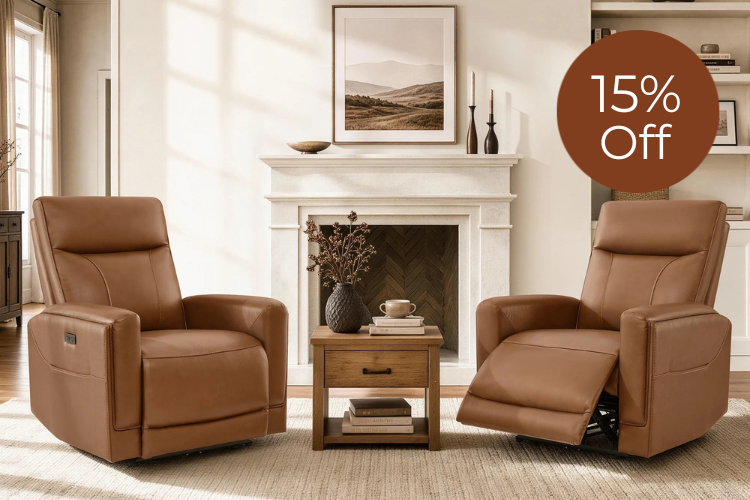
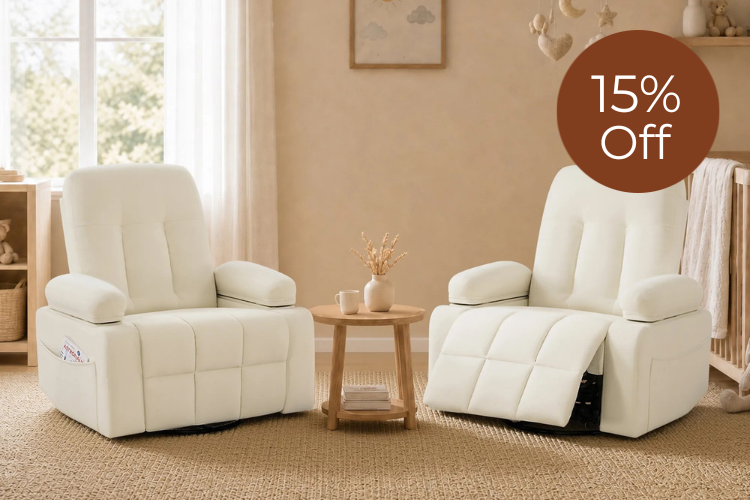
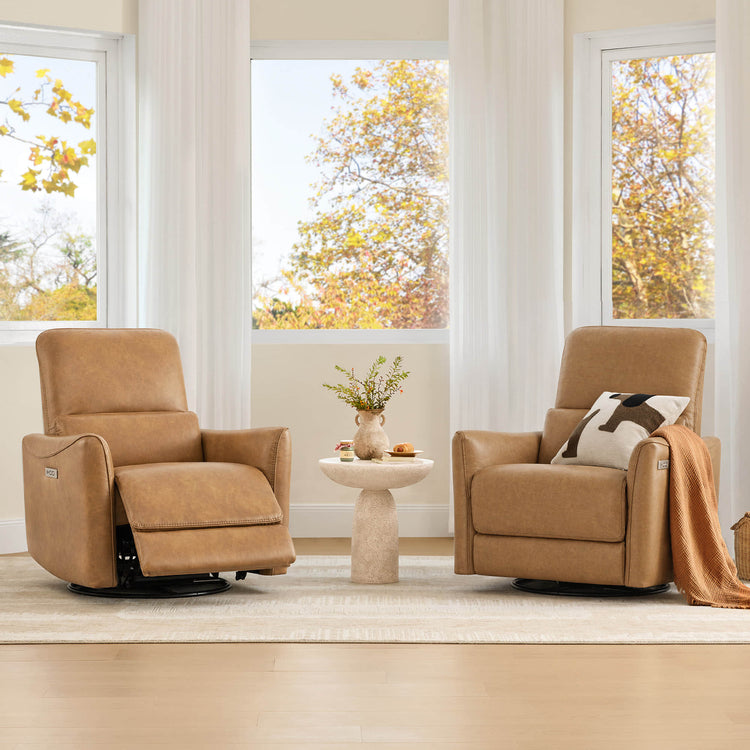
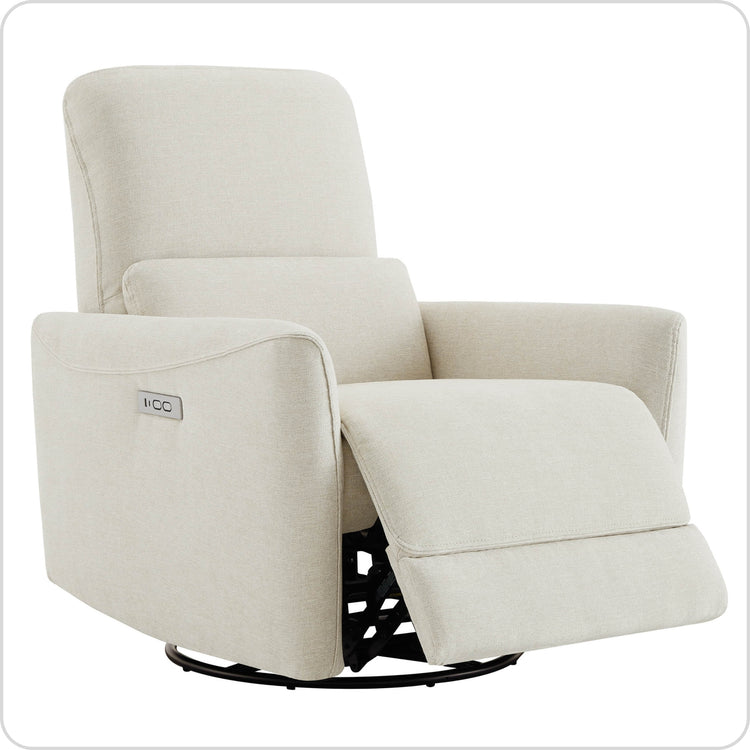
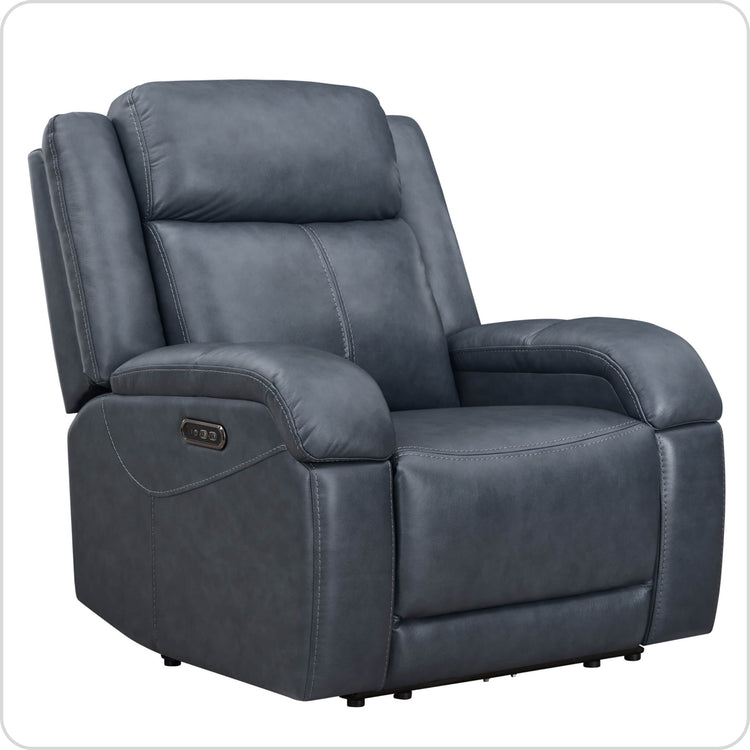
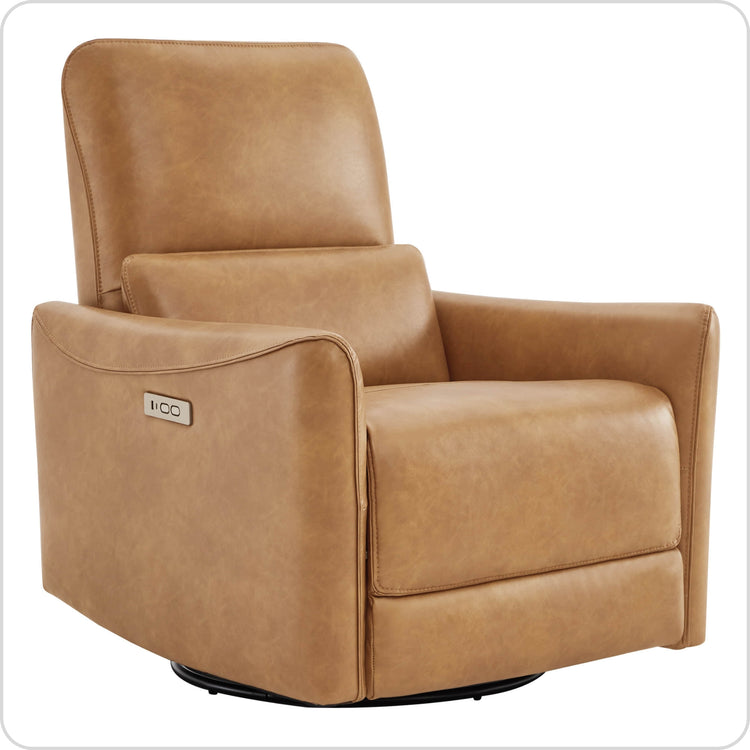
Specific models worth evaluating for family safety include the Janice Power Swivel Nursery Glider Recliner with Power Headrest, the Errol Power Swivel Nursery Glider Recliner, and the Lulla Power Swivel Nursery Glider Recliner with Power Headrest and Nightlight. Each emphasizes controlled motion and compact operation suitable for nursery environments when paired with the checks above.
Frequently Asked Questions
Do all power recliners have auto-stop sensors?
No. Basic models may lack sophisticated obstruction detection, while higher-spec family-oriented designs typically include them as standard. Always verify the presence of UL 962 certification and test the reversal function rather than assuming the feature exists.
Can a power recliner be completely safe for toddlers and pets?
No recliner can be considered 100% child-proof or pet-proof. Even with excellent sensors and proper gap sizing, active adult supervision, careful room layout, and ongoing maintenance remain essential. These features reduce risk but do not replace responsible use.
How often should I test the safety sensors on my recliner?
Test the auto-stop function monthly using a soft object, and perform a full visual inspection of cords and mechanisms every three months. Battery backups should be checked quarterly or after any power outage.
What should I do if the auto-stop sensor stops working?
Immediately stop using the chair for unsupervised family access, unplug it if possible, and contact the manufacturer or a qualified technician. Continuing to use a recliner with compromised sensors increases mechanical risk significantly.
Are wall-hugger power recliners safer for homes with pets?
They often are, because they require less rear clearance and therefore reduce hidden trap zones behind the chair. However, you must still confirm that side and front pathways remain clear during full recline and that cords are securely routed away from pet traffic areas.
Recommended Products

More to Read
 7 Sofa Trends That Actually Improve Comfort in 2026
Upgrade your living room with furniture that supports your body. Here are 7 modern sofa features designed to maximize your daily comfort...
7 Sofa Trends That Actually Improve Comfort in 2026
Upgrade your living room with furniture that supports your body. Here are 7 modern sofa features designed to maximize your daily comfort...
 Mother's Day Gift Guide: Cozy and Stylish Furniture Picks for Modern Moms
Make Mother's Day more meaningful with furniture gifts that bring comfort, smart features, storage, and quiet luxury into her everyday routine.
Mother's Day Gift Guide: Cozy and Stylish Furniture Picks for Modern Moms
Make Mother's Day more meaningful with furniture gifts that bring comfort, smart features, storage, and quiet luxury into her everyday routine.
 Performance Fabric Reality Check: Does It Really Repel Pet Hair and Stains?
Performance fabric is often marketed as a miracle solution for homes with pets and kids, but the reality is more nuanced. It...
Performance Fabric Reality Check: Does It Really Repel Pet Hair and Stains?
Performance fabric is often marketed as a miracle solution for homes with pets and kids, but the reality is more nuanced. It...