






















Modular Power Loveseats for 2026: High-Spec Comfort for Studio Apartments

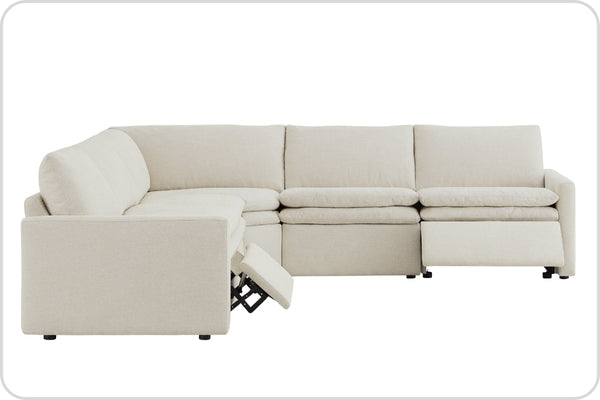
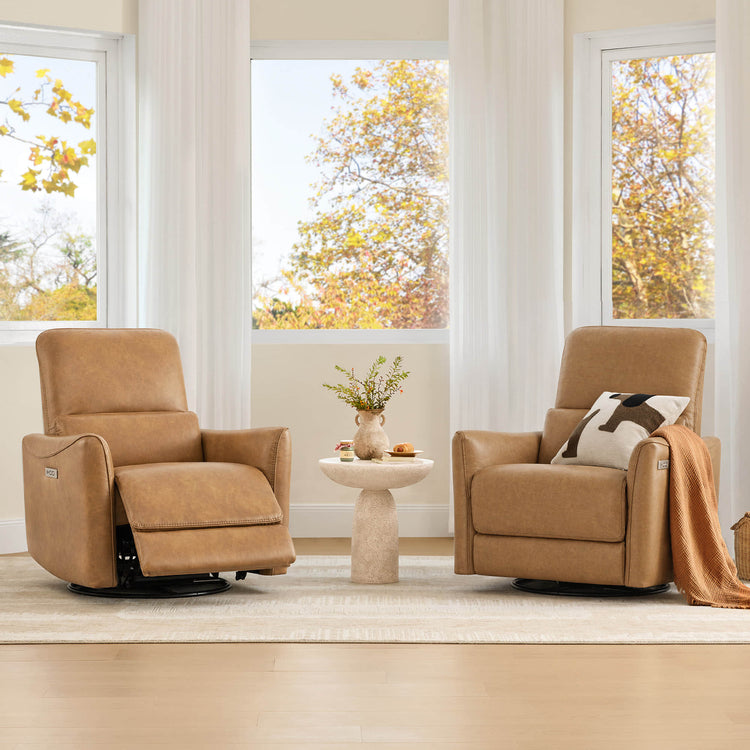
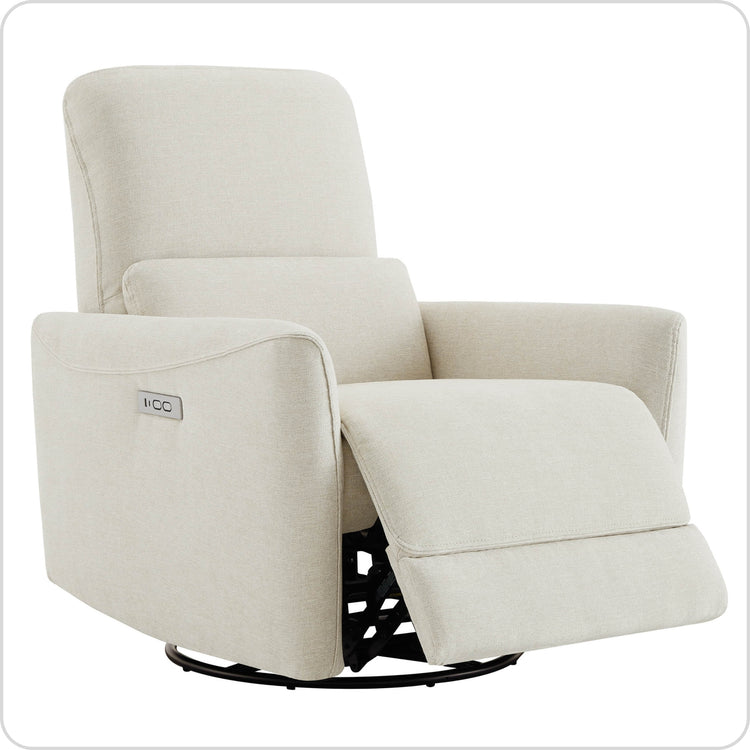
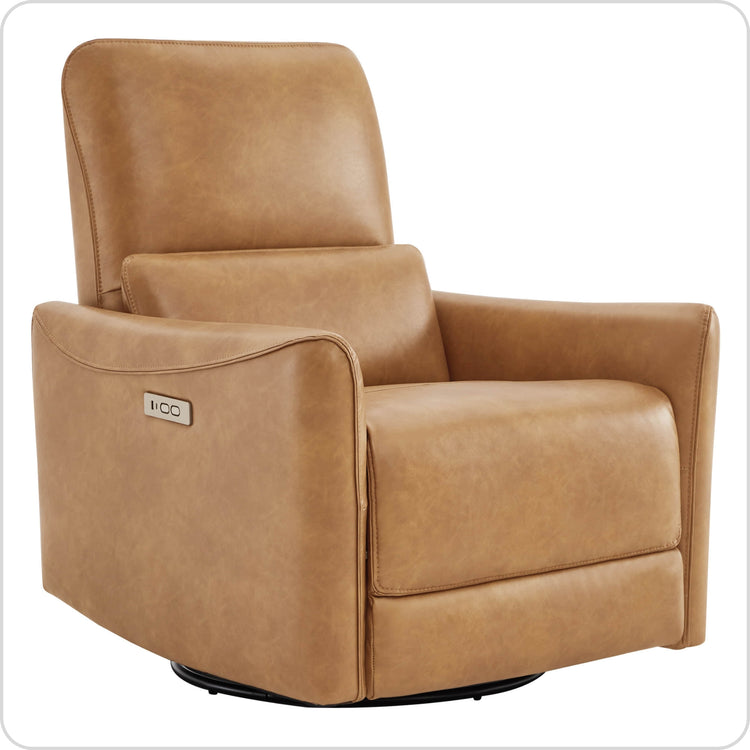
Studio and apartment dwellers in 2026 no longer need to choose between compact footprints and high-spec reclining comfort. Modular power loveseats deliver zero-gravity positioning, power headrests, and wall-hugger mechanisms that preserve circulation paths in tight layouts, turning limited square footage into versatile lounge, work-recovery, and entertaining zones.

What is High-Spec Aesthetic Arbitrage for Studio Living?
High-spec aesthetic arbitrage describes the 2026 shift where small-space luxury is measured by feature density rather than sheer size. Urban renters and small-home owners can now access the same premium mechanical features found in full-sized sectionals—such as powered reclining and adjustable headrests—without overwhelming a studio floor plan.
This approach solves a core dilemma: basic loveseats often provide only passive seating, leaving users without dedicated recovery options in multipurpose rooms that double as offices or entertainment areas. A modular power loveseat addresses this by combining designer aesthetics with functional engineering, allowing the piece to support lounging, focused work breaks, and guest seating in one compact unit.
For many in studio or one-bedroom apartments, this represents practical infrastructure rather than pure indulgence, especially when the furniture must adapt to changing layouts over multiple moves.
The Science of Comfort: Why Zero-Gravity Matters in Small Spaces
Zero-gravity reclining draws from NASA's Neutral Body Posture research, which identified a roughly 128-degree trunk-to-thigh angle that minimizes spinal stress and internal pressure. In plain terms, this position reduces the load on your lower back and promotes better circulation—benefits that matter more in high-stress urban environments where daily sitting time accumulates.
Unlike traditional sofas that encourage passive slouching, a zero-gravity modular power loveseat supports active recovery. Power headrests further enhance this by letting users fine-tune neck and screen angles without straining forward, which is particularly useful in small media nooks or when the loveseat also serves as a temporary workstation.
These features turn a compact 2-seater into a health-oriented tool rather than just furniture. However, results vary by individual posture needs; those with specific back conditions should consult a professional rather than relying solely on the mechanism. Mechanisms in premium models are typically tested to industry durability standards exceeding 25,000 cycles, providing confidence for daily use.
This science-backed comfort pairs well with the scenario where your loveseat must handle multiple daily roles. A basic sofa covers seating alone, while a high-spec modular power loveseat adds meaningful recovery and layout flexibility—making the premium justifiable when it performs at least three distinct functions in your studio.
Maximizing Square Footage with Wall-Hugger Mechanisms
Wall-hugger (or zero-wall) technology allows the loveseat to slide forward on a track rather than tilting backward into the wall. This design typically requires only 3 to 6 inches of rear clearance, compared with the 12 to 18 inches often needed by standard recliners.
Wall-Hugger vs. Standard Recliner: Rear Clearance in Studio Layouts
Typical rear clearance needed behind each mechanism, showing the practical space a wall-hugger can recover in a small studio layout.
View chart data
| Category | Rear clearance (inches) |
|---|---|
| Wall-hugger | 3.0 |
| Standard recliner | 12.0 |
The chart above illustrates the clearance difference. In narrow studio apartments, that recovered space often translates directly into better hallway circulation or room for a side table—practical gains that matter more than the mechanism itself. As noted in industry sizing references, this “3–6 inch dividend” helps preserve walkways without sacrificing the full recline experience (recliner dimension guidance).

Measuring the 'Active Footprint' Before You Buy
Before ordering, distinguish between static (upright) dimensions and the active footprint—the full extension length when reclined, which commonly ranges from 48 to 73 inches depending on the model and mechanism. Measure from the wall behind the loveseat to the farthest point the footrest reaches to avoid blocking pathways (practical measurement advice).
In apartments, also check doorway and stairwell clearance. Modular designs break down into smaller sections, making them significantly easier to maneuver than a single rigid frame during moves—a key advantage for renters. Create a “swing zone” checklist: ensure at least 24–36 inches of clear space in front for full extension and verify that heaters, doors, or TV stands will not interfere.
Failing to verify these measurements is a common source of regret. If your layout has unusually tight corners or permanent obstructions, a non-reclining modular sofa may prove more practical than forcing a power model into the space.
Our 2026 guide to wall-hugger recliners expands on these layout calculations with additional diagrams.
The Modular Dividend: Future-Proofing for Renters
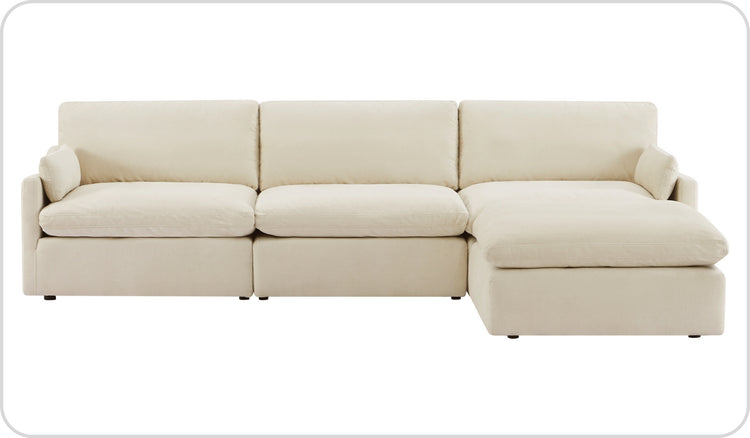
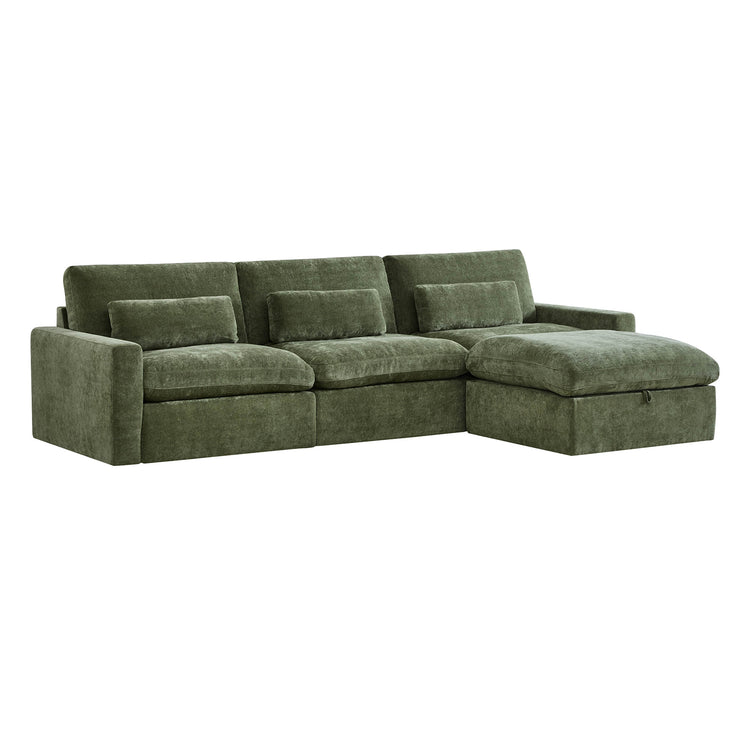
Modular 2-seater power loveseats let you separate units into individual chairs or expand them later as living situations change. This flexibility offers clear value for renters who frequently relocate: the same components can reconfigure to fit new floor plans without requiring a full replacement.
The trade-off appears in construction. Modular frames can exhibit slightly more “give” or minor alignment variation compared with rigid single-piece sofas. For most studio users this remains imperceptible during normal use, yet it is worth noting when comparing against traditional loveseats.
Higher initial cost is offset by improved resale or relocation potential. A modular power loveseat that has demonstrated multiple configurations tends to hold interest longer than a fixed-frame piece limited to one layout. When your next apartment may be 20 % larger or shaped differently, that adaptability becomes a tangible dividend.
For related small-space strategies, see our guide on smart sofa solutions for compact homes.
Navigating the 2026 Maintenance and Return Reality
Performance fabrics on power loveseats are typically labeled Code S (spot clean only). Avoid assuming machine-washable covers unless the specific model states it; most require gentle spot treatment to protect integrated electronics and mechanisms.
Returns introduce another practical constraint. Most retailers, including CHITA, charge a 20 % restocking fee on sofas and sectionals and require original packaging. In a studio, storing large boxes for the standard 30-day window can be difficult, effectively making many purchases closer to final sale. Factor this into your decision: measure twice and confirm layout fit before ordering to reduce the likelihood of needing to return.
Our return policy page details current terms. Keeping boxes intact is inconvenient but necessary for eligible returns in small living spaces.
Choosing Your 2026 High-Spec Power Loveseat
Use this short checklist before purchase:
- Confirm your primary posture needs (zero-gravity for back relief, power headrest for screen viewing, or both).
- Verify rear clearance and full-extension footprint against your actual room dimensions.
- Assess how often you move; higher modularity justifies added cost for frequent relocations.
- Check power requirements and USB/charging integration if you rely on the loveseat as a workspace.
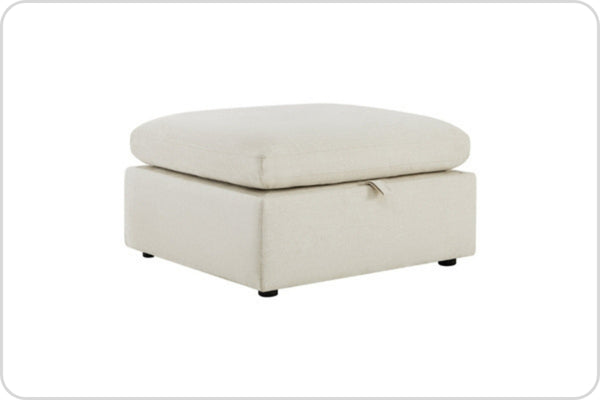
CHITA’s Ohana collection emphasizes zero-gravity positioning with modular capability, making it suitable for studios prioritizing recovery features. The Sophia power modular line offers enhanced motion options for users who value independent footrest control. For simpler modular comfort without full power, the Kenna modular collection or Delaney modular sofas provide flexible building blocks that can later incorporate motion pieces.
Balance the aesthetic and mechanical upside against your specific clearance, storage, and relocation frequency. When the loveseat must serve as multi-role infrastructure rather than occasional seating, the high-spec modular power option often delivers the strongest long-term value in studio living.
FAQs
Are modular power loveseats actually worth it in a studio apartment? They are when the unit performs multiple daily roles—lounging, recovery, and flexible seating—while maintaining circulation space. If your studio layout leaves less than 3–6 inches behind the piece or you cannot store packaging for potential returns, a stationary modular sofa may be the safer lower-cost choice.
How much rear clearance does a wall-hugger modular loveseat really need? Most wall-hugger mechanisms require only 3 to 6 inches, compared with 12–18 inches for traditional recliners. Always measure your specific wall-to-obstruction distance, as baseboards or base molding can reduce usable clearance.
What is the full reclined length I should measure for a compact power loveseat? Expect 48–73 inches from the wall to the extended footrest tip. Add at least 24 inches of front swing zone to prevent interference with coffee tables or walkways in small rooms.
Do performance fabrics on power modular loveseats wash in a machine? Most are spot-clean only (Code S). A few models offer removable, machine-washable covers, but confirm the exact specification for your chosen loveseat, as electronics and mechanisms generally prohibit full submersion.
Is a modular loveseat easy to move between apartments? Yes—individual modules are lighter and narrower than a single rigid frame, reducing stairwell and doorway friction. Still, keep original packaging for at least 30 days in case the first layout test reveals an issue, given typical restocking fees.
Which CHITA collections best suit studio apartments in 2026? The Ohana series for zero-gravity focus and the Sophia power modular collection for independent motion both scale well to 2-seater studio footprints. Pair either with pieces from the Kenna or Delaney modular collections if you want to expand later without replacing the core seating.
Can a power loveseat replace a full sectional in a one-bedroom apartment? In many cases yes, especially when wall-hugger and modular design preserve floor space. It cannot match the sprawl of a large sectional for multiple overnight guests, but it excels at versatile daily use within 70–90 square feet of living area.
Recommended Products

More to Read
 7 Sofa Trends That Actually Improve Comfort in 2026
Upgrade your living room with furniture that supports your body. Here are 7 modern sofa features designed to maximize your daily comfort...
7 Sofa Trends That Actually Improve Comfort in 2026
Upgrade your living room with furniture that supports your body. Here are 7 modern sofa features designed to maximize your daily comfort...
 Mother's Day Gift Guide: Cozy and Stylish Furniture Picks for Modern Moms
Make Mother's Day more meaningful with furniture gifts that bring comfort, smart features, storage, and quiet luxury into her everyday routine.
Mother's Day Gift Guide: Cozy and Stylish Furniture Picks for Modern Moms
Make Mother's Day more meaningful with furniture gifts that bring comfort, smart features, storage, and quiet luxury into her everyday routine.
 Performance Fabric Reality Check: Does It Really Repel Pet Hair and Stains?
Performance fabric is often marketed as a miracle solution for homes with pets and kids, but the reality is more nuanced. It...
Performance Fabric Reality Check: Does It Really Repel Pet Hair and Stains?
Performance fabric is often marketed as a miracle solution for homes with pets and kids, but the reality is more nuanced. It...