

























The Small Space Comfort Manifesto: Engineering Luxury for Compact Living

The Small Space Comfort Manifesto reframes compact urban living as an engineering opportunity rather than a compromise. In 2026, wall-hugger power recliners, low-profile designs, and modular configurations let apartment dwellers enjoy full-power comfort and luxury aesthetics without sacrificing floor space or room flow. The key is understanding real clearance needs, mechanism behavior, and precise measurements before purchase.
集群地图
- Maximizing Comfort in Minimal Square Footage: The 2026 Guide to Wall-Hugger Recliners
- Zero Gravity & Wall-Hugger Recliners: Ultimate Comfort for Small Spaces
- Big Comfort, Small Footprint: The Best Power Recliners for Apartments and Cozy Rooms
- The 2026 Guide to Modular Power Reclining Sectionals: Flexibility Meets Engineered Comfort
- Mastering the Layout: How to Arrange Your Recliner, Sofa, and TV Stand for Perfect Flow

Engineering the Forward Glide: How Wall-Huggers Defy the Arc
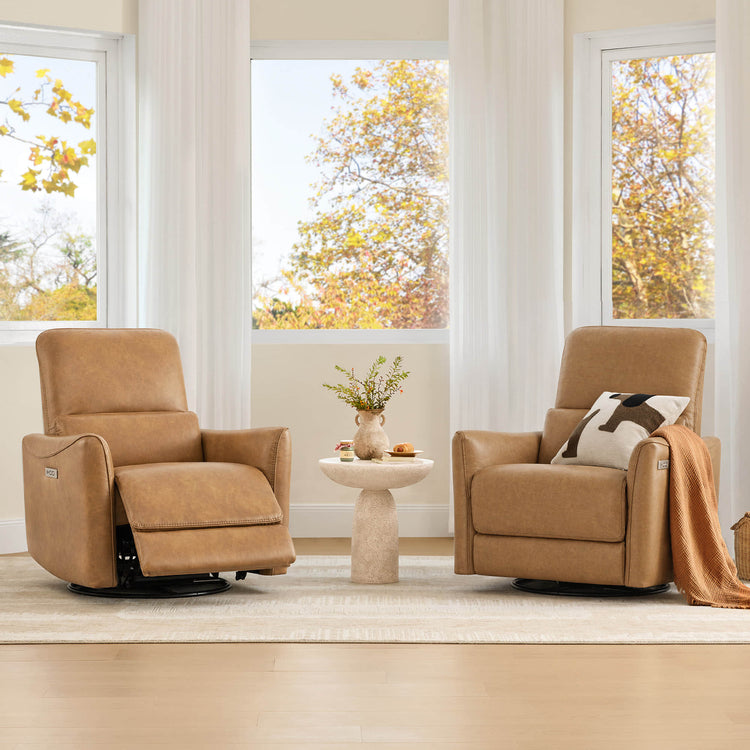
Traditional recliners pivot backward, demanding 12 to 18 inches of wall clearance to avoid damage or obstruction. Wall-hugger models instead use a forward-sliding linkage system that shifts the entire seat base and frame forward as the backrest tilts. This "metal-to-the-floor" mechanism effectively bypasses the rear arc requirement, making high-spec power reclining viable in tight urban apartments.
As this official engineering explanation details, the sliding track allows the recliner to maintain stability while the motion stays contained closer to the wall. For 2026 apartment dwellers, this represents industrial arbitrage: fitting dual-motor power features, USB charging, and deep cushioning into layouts that once forced a choice between comfort and space. The result is mechanical comfort that feels engineered rather than compromised.
The Zero-Clearance Myth: Real-World Math for Urban Layouts
Marketing often touts "zero-clearance" or "zero-wall" recliners, yet most require a small rear buffer. A 2-to-6-inch gap typically protects fabric from drywall friction, prevents motor strain, and allows smooth operation across full recline ranges. Claiming literal zero inches risks scuffing, binding, or premature wear.
A practical three-tier fit band helps evaluate your layout quickly. With 2–5 inches of clearance, true wall-hugger designs perform best with minimal risk. At 6–9 inches, hybrid models work but need careful placement to avoid long-term stress. Beyond 10 inches, standard recliners behave as expected and consume more usable room depth.
Rear Clearance Needed Behind a Recliner
A tiered fit guide for compact rooms: lower clearance usually suits wall-hugger designs, while larger gaps increase the chance of a standard recliner needing more space behind the wall.
View chart data
| Category | Placement Risk |
|---|---|
| 2–5 in | 1.0 |
| 6–9 in | 2.0 |
| 10+ in | 3.0 |
This tiered view clarifies when a seemingly attractive zero-wall claim actually fits your room versus when a different configuration is safer. For most small apartments, prioritize models rated for under 6 inches and always leave a modest buffer.

Luxury Meets Logic: Navigating the Low-Profile Recliner Paradox
Modern buyers want low-slung silhouettes that preserve sightlines and maintain an open feel in compact rooms. The paradox is whether such sleek profiles can still deliver full-power reclining with headrest, lumbar, and footrest control. The answer lies in compact linear actuators and hidden headrest tracks that compress or shift mechanical volume forward rather than stacking it visibly in the back or base.
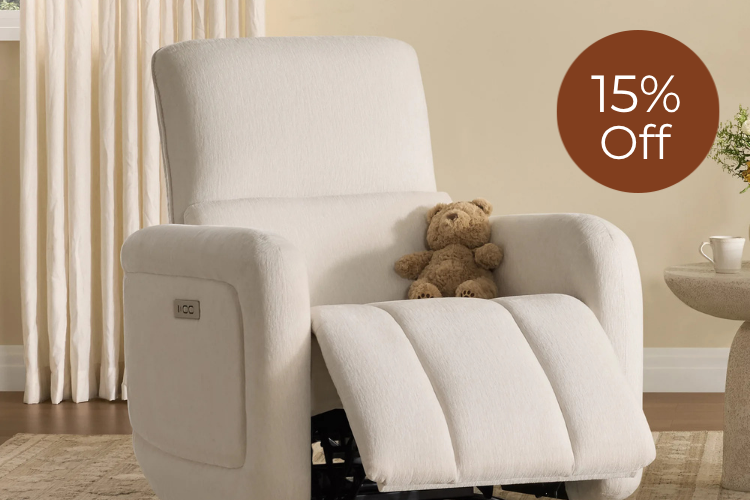
A low-profile recliner should therefore be judged by its use of these space-efficient components rather than seat height alone. Dual-motor systems no longer require bulky silhouettes when actuators are miniaturized and motion paths are re-engineered. The Oliver Power Recliner Sofa Chair illustrates this balance: deep seating and power everything within a clean, contemporary frame suitable for narrow living rooms.
Safety remains non-negotiable. Standardized testing under UL 962 verifies that motorized furniture meets rigorous electrical, mechanical, and entrapment-prevention requirements. Choosing UL 962-certified pieces ensures the luxury features you gain in tight spaces do not introduce hidden risks.
For deeper insight into balancing aesthetics with hidden power, see our guide on The Aesthetic Recliner: Hidden Power for Modern Living Rooms.
Modular Mastery: Configuring High-Spec Comfort for Narrow Rooms
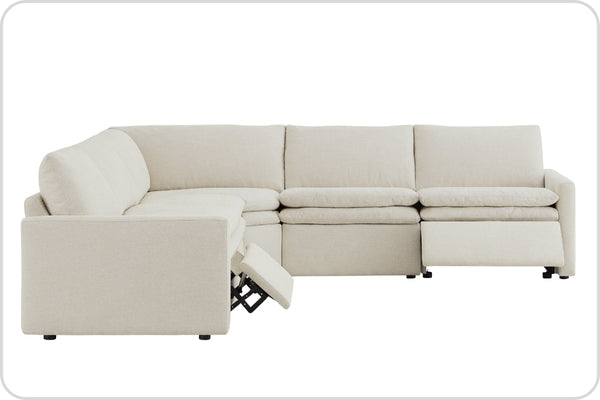
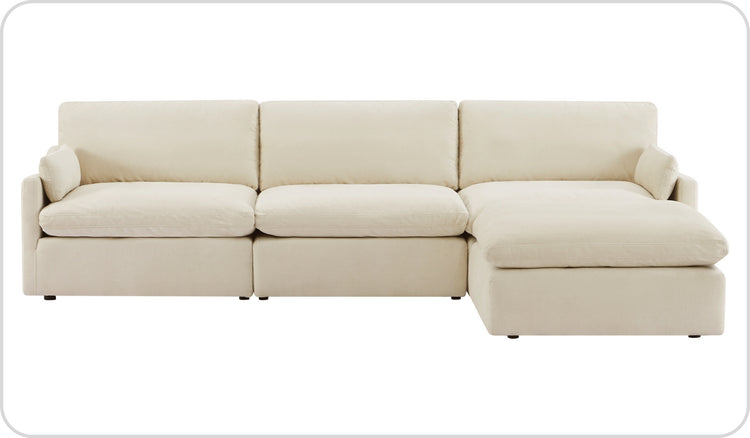
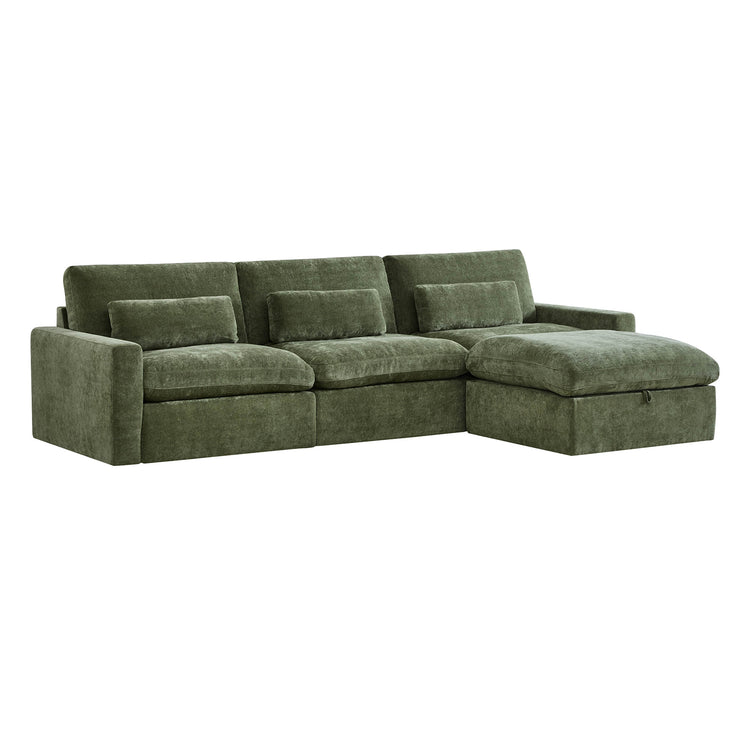
When a single recliner cannot satisfy multi-purpose needs—lounging, TV viewing, and guest seating—a modular power-reclining sectional often provides superior flexibility. Individual modules can be arranged to hug available walls without blocking primary walkways, adapting to narrow or open-plan studios that change over time.
These designs also solve apartment logistics. Many ship in multiple boxes sized to fit through 21–29 inch doorways, hallways, and elevators common in older urban buildings. This "box-to-door" approach reduces moving stress for transitional renters who may later scale up to larger homes.
Yet modularity introduces friction. The "cardboard mountain" of packaging can overwhelm small living spaces with limited disposal options. Connector hardware durability also varies; verifying robust metal latches before purchase helps avoid wobbly long-term performance. Our Ohana Modular Reclining Sofa Collection and broader Modular Sofas offer configurations engineered for these exact constraints.
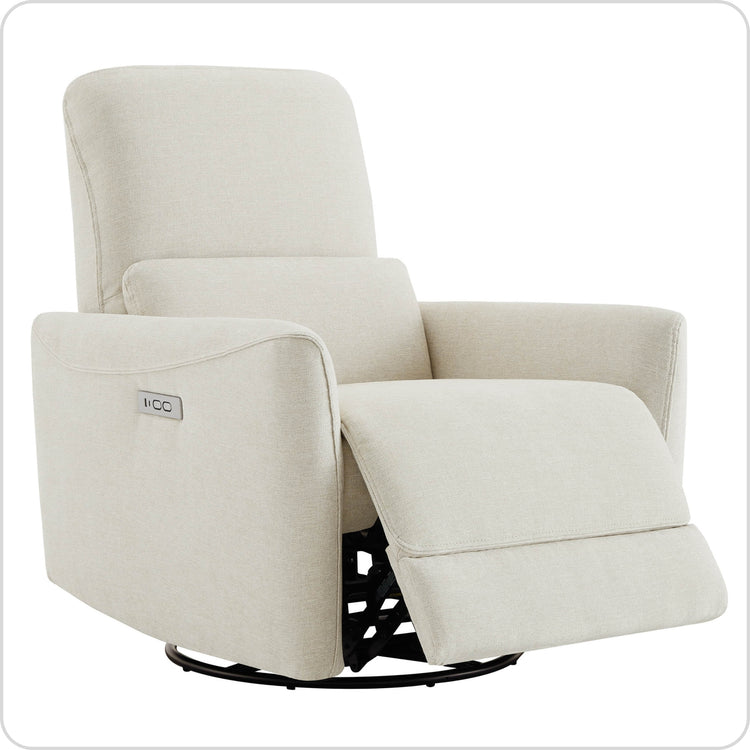
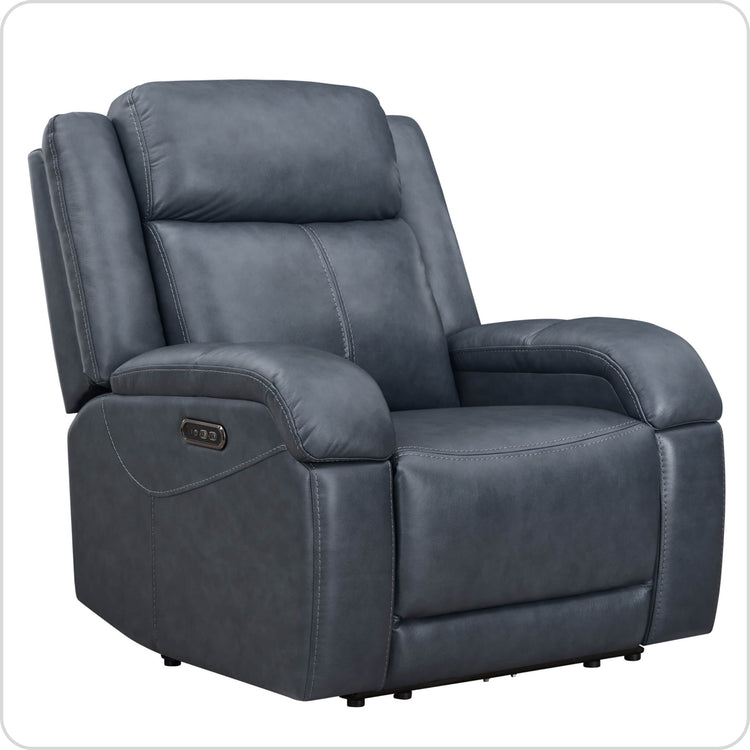
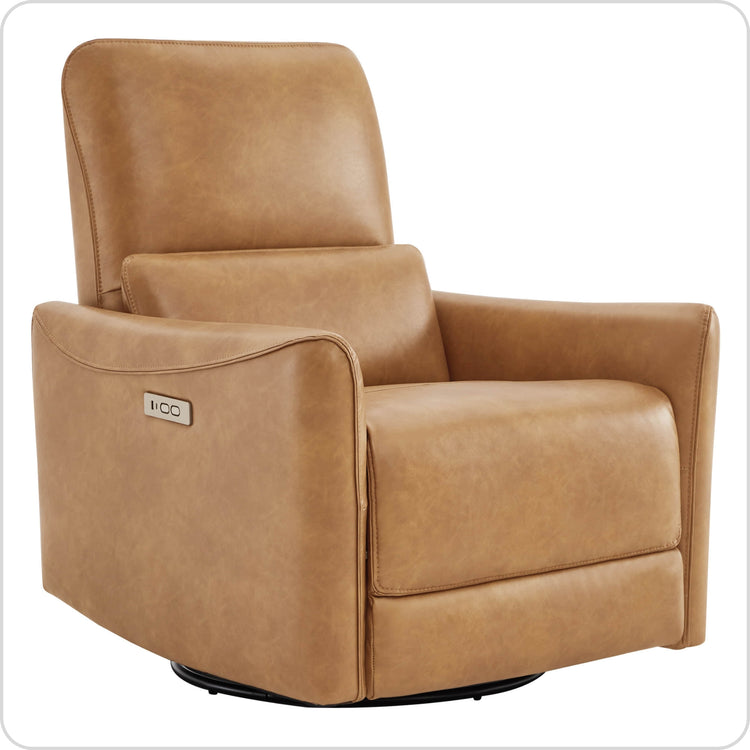
If your layout favors a single statement piece, explore the Isaac Zero Wall-hugger Power Recliner with Cup Holder or the Raven Wall Hugger Genuine Leather Power Recliner with Cup Holders for premium materials in minimal footprints.
The Measurement Manifesto: Five Steps to a Perfect Recliner Fit
Precise measurement prevents the most expensive small-space mistake: discovering after delivery that the piece disrupts circulation or will not fit the intended wall. Follow these steps in order.
- Measure wall clearance—the gap between your chosen seating wall and any obstacle behind it. Match this to the three-tier band above.
- Calculate the extended footprint: add the upright depth to the full footrest extension length. This reveals the true space the recliner claims when in use.
- Apply the 24–30 inch walkway rule. Ensure a clear circulation path remains open so users are not trapped when the chair is reclined.
- Check logistics: compare box dimensions (commonly 21–29 inches wide) against your apartment door widths, hallway turns, and elevator size.
- Factor in the restocking fee reality. Most retailers charge 15–25% plus require original packaging; accurate pre-purchase measurement protects your budget.
Treating measurement as a financial necessity rather than an afterthought turns the buying process from guesswork into confident engineering. For additional clearance specifics, consult our dedicated Wall-Hugger Recliner Clearance: The Small Space Guide.
If your current setup still feels cramped after these checks, consider how a compact modular sofa for small living room configurations or additional recliners with headrest options might rebalance the room.
How Much Wall Clearance Does a Wall-Hugger Recliner Actually Require in an Apartment?
Most wall-hugger models need 2 to 6 inches of rear gap for safe, smooth operation and to prevent fabric scuffing or motor strain. True zero inches is rarely achievable in practice; always verify the manufacturer's exact specification for your chosen model.
Can a Low-Profile Recliner Deliver Full Power Comfort Without Looking Bulky?
Yes, when compact actuators and hidden headrest tracks are used. These engineering choices compress mechanical volume so the chair maintains a sleek silhouette while still offering independent power recline, headrest, and often lumbar support.
Is a Modular Reclining Sectional Better Than a Single Power Recliner for Narrow Rooms?
It depends on whether you need multi-functional seating and future layout flexibility. Modular systems excel in open-plan studios or rooms that must serve lounging, TV, and guests, provided you confirm durable connectors and manageable box sizes for delivery.
What Should I Measure First When Shopping for Small Space Power Recliners?
Start with rear wall clearance, then calculate the fully extended footprint and verify at least 24–30 inches of walkway space remains. Finally, compare shipping box dimensions against your building's doorways and elevators to avoid installation surprises.
Do All Power Recliners Carry the Same Safety Certifications?
No. Look specifically for UL 962 certification, which tests motorized furniture for electrical safety, mechanical stability, and entrapment risks. This standard provides the strongest assurance that luxury features will perform reliably over years of daily use.
Recommended Products

More to Read
 7 Sofa Trends That Actually Improve Comfort in 2026
Upgrade your living room with furniture that supports your body. Here are 7 modern sofa features designed to maximize your daily comfort...
7 Sofa Trends That Actually Improve Comfort in 2026
Upgrade your living room with furniture that supports your body. Here are 7 modern sofa features designed to maximize your daily comfort...
 Mother's Day Gift Guide: Cozy and Stylish Furniture Picks for Modern Moms
Make Mother's Day more meaningful with furniture gifts that bring comfort, smart features, storage, and quiet luxury into her everyday routine.
Mother's Day Gift Guide: Cozy and Stylish Furniture Picks for Modern Moms
Make Mother's Day more meaningful with furniture gifts that bring comfort, smart features, storage, and quiet luxury into her everyday routine.
 Performance Fabric Reality Check: Does It Really Repel Pet Hair and Stains?
Performance fabric is often marketed as a miracle solution for homes with pets and kids, but the reality is more nuanced. It...
Performance Fabric Reality Check: Does It Really Repel Pet Hair and Stains?
Performance fabric is often marketed as a miracle solution for homes with pets and kids, but the reality is more nuanced. It...