


























How to Move a Modular Sofa and Adapt It to Your New Home

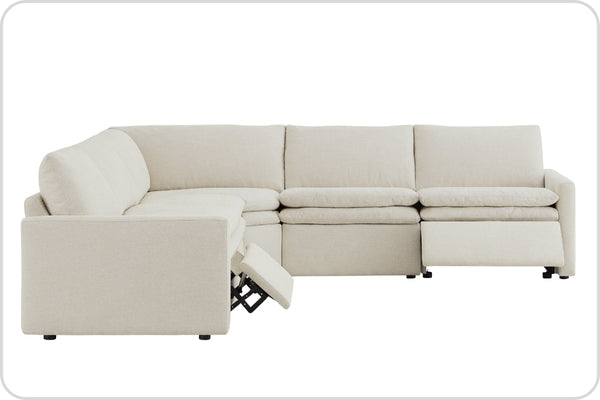
A modular sofa gives you separate sections to plan around when moving home. The useful work happens before lifting: identify the modules, measure the carry route, record the connections, and draw the new arrangement. Those steps help you decide what can move as a section and whether the sofa needs any additions at the new address.
Measure Each Module and the Carry Route
Record the width, depth, height, and available weight information for every distinct section. Check the largest corner or arm module as carefully as the smaller armless seats. Compare the furniture with door openings, hallways, stairs, landings, and elevator dimensions along the entire route.
Distinguish assembled dimensions from packaged dimensions if a new module will arrive separately. Consider the space needed to turn a piece, not just whether its narrowest side fits through a doorway. Record any feet or components that the assembly instructions permit you to remove.
U-Haul's large-furniture moving guide includes measuring the route, suitable disassembly, and protecting furniture during the move. Keep those measurements with the floor plan so the people helping can plan the same route.

Photograph and Label the Original Arrangement
Take a wide photograph of the assembled sofa and close-ups of its connectors. Give each module a simple label, such as A, B, and C, and draw those labels on the plan. Use a label attachment that is suitable for the upholstery and leaves no residue.
When using left and right in your own notes, state the viewing direction: for example, “left while facing the sofa.” Product naming conventions may use a different perspective, so match an ordered add-on by its diagram and connector position as well as its name.
| Record | Include |
|---|---|
| Layout | Module labels and their positions |
| Connections | Close-up photos of both sides of each connection |
| Loose parts | A labeled bag for each module's permitted removable hardware |
| Upholstery | Collection, color, material, and order details |
| New room | Doors, radiators, outlets, routes, and the proposed sofa outline |
Separate the Pieces in the Specified Order
Use the collection's assembly or disassembly instructions to release connectors. Some modular systems use hardware between sections; others rely on their base design and grip. Lift or separate a section only in the way its instructions permit, with enough help for the piece.
Our modular sofa connector and base-grip guide explains that distinction. Once separated, keep hardware with the labeled module and protect exposed connectors so they cannot scrape another piece during transport.
Plan help or a suitable handling aid for a heavy section. HSE's handling and lifting guidance describes planning the task and turning by moving the feet instead of twisting while lifting. Apply that handling advice to the actual load, route, and available help.
Protect Upholstery and Rebuild on a Clear Floor
Use suitable furniture protection around upholstery, corners, and the parts likely to rub during transport. Avoid attaching packing tape directly to the fabric. Keep cushions and accessories identified so they return to the correct section.
At the new home, clear the floor and place the modules in the intended arrangement before completing the connections. Follow the assembly sequence, check that permitted feet and hardware are correctly fitted, and confirm that the sofa sits evenly. Test entry into the seats and everyday routes around the ends.
Our L-shaped and U-shaped modular sofa layout guide compares corner, conversation, and open-room arrangements. Try the smallest workable layout first; a larger room may still need open space for doors and movement.

Check Compatibility Before Adding Seats
Match the collection, connector design, dimensions, upholstery, and orientation before buying an add-on. Our modular sofa add-on compatibility guide gives those checks a place in the purchase decision. Keep your original order details and module photos available if you need our help identifying a match.
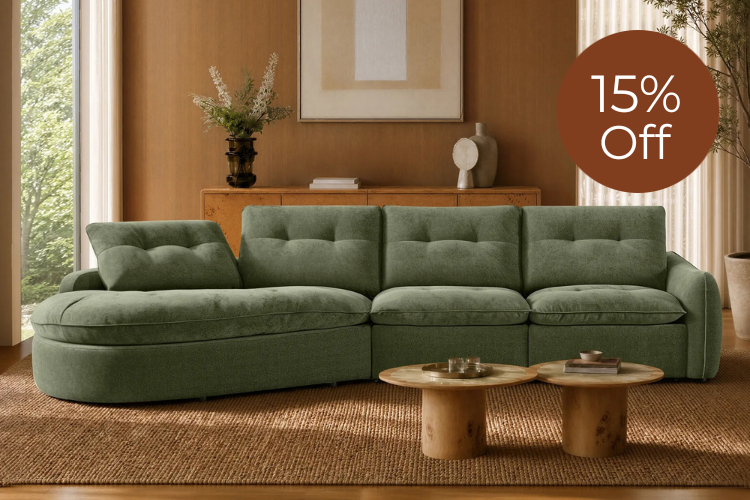
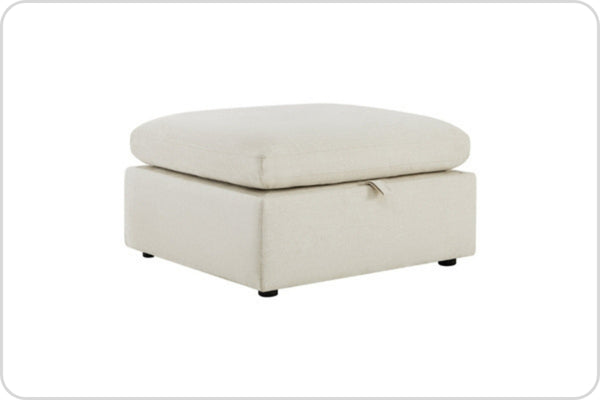
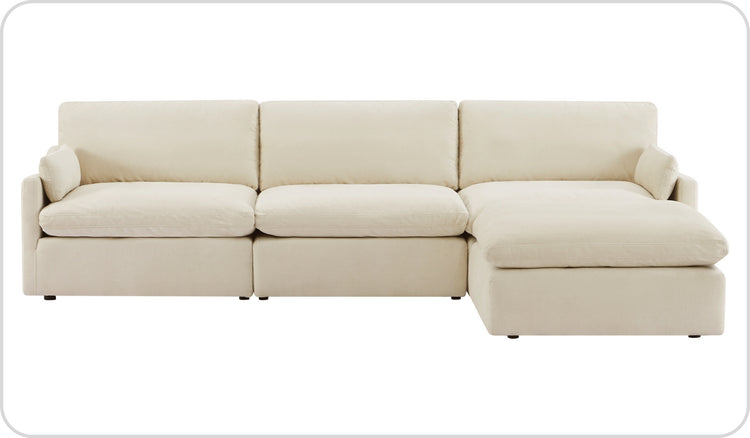
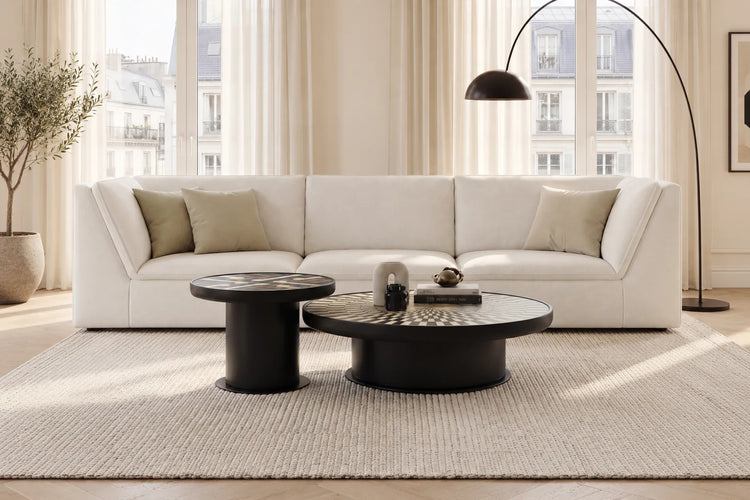
Our Delaney Modular Armless Chair and Sofa provides a current example of separately listed armless options within one collection. Compare your existing pieces with the arrangements in our Delaney modular sofa collection, using the selected option's measurements.
A fabric name alone does not ensure an exact visual match with a used sofa. Compare old and new samples in daylight and evening light. X-Rite's explanation of metamerism describes how a color match can change with the light source; existing wear and differences between fabric batches also deserve a visual check.
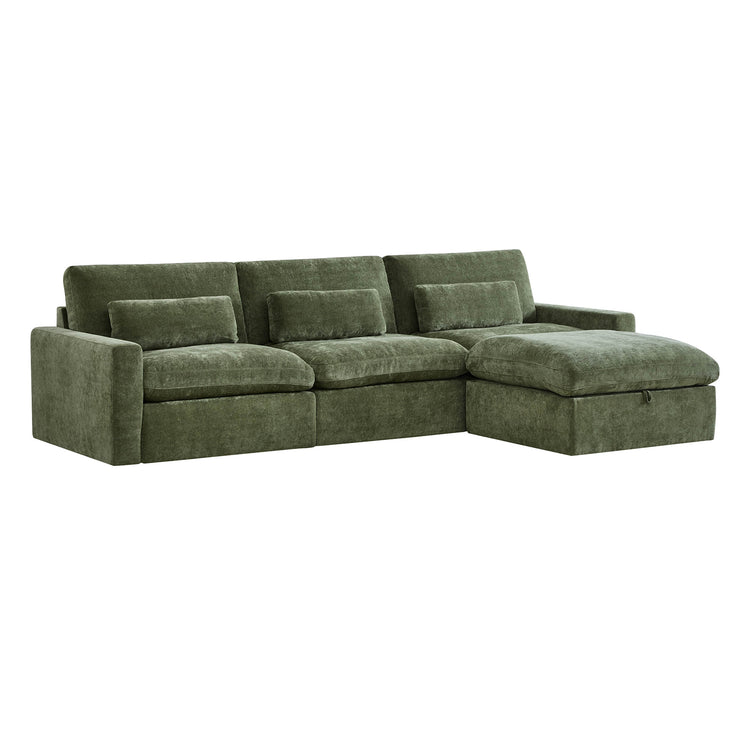
If the existing system cannot form the arrangement you need, compare configurations in our modular sofa collection with the measured room. Keep the route and seating needs in the decision, including how each new component will reach the room.
Modular Sofa Moving FAQs
Are modular sofas easier to move?
Separate modules can be easier to route through a home than one large assembled sofa. Each piece still needs to fit the route and be handled with enough help for its weight. Measure the largest module and the tightest turn before planning the move.
Do all modular sofas come apart without tools?
No. The connection system determines the tools and release method. Use your collection's instructions to identify removable parts, release connectors, and keep the correct hardware with each module.
How should I label left and right modules?
Write the viewing direction beside the label, such as “left while facing the sofa,” and add a photo or sketch. For a new purchase, compare the product diagram and connector positions because model naming conventions may differ.
Can I add modules after moving?
Yes, when compatible pieces are available for your system. Match the collection, connectors, dimensions, orientation, and upholstery, then compare the fabric with your existing sofa under the lighting in the new room.
Recommended Products



More to Read
 7 Sofa Trends That Actually Improve Comfort in 2026
Upgrade your living room with furniture that supports your body. Here are 7 modern sofa features designed to maximize your daily comfort...
7 Sofa Trends That Actually Improve Comfort in 2026
Upgrade your living room with furniture that supports your body. Here are 7 modern sofa features designed to maximize your daily comfort...
 Mother's Day Gift Guide: Cozy and Stylish Furniture Picks for Modern Moms
Make Mother's Day more meaningful with furniture gifts that bring comfort, smart features, storage, and quiet luxury into her everyday routine.
Mother's Day Gift Guide: Cozy and Stylish Furniture Picks for Modern Moms
Make Mother's Day more meaningful with furniture gifts that bring comfort, smart features, storage, and quiet luxury into her everyday routine.
 Performance Fabric Reality Check: Does It Really Repel Pet Hair and Stains?
Performance fabric is often marketed as a miracle solution for homes with pets and kids, but the reality is more nuanced. It...
Performance Fabric Reality Check: Does It Really Repel Pet Hair and Stains?
Performance fabric is often marketed as a miracle solution for homes with pets and kids, but the reality is more nuanced. It...