



























Zero gravity recliners offer a science-backed way to support recovery from sciatica discomfort and leg swelling by shifting your body into a neutral posture that redistributes pressure and aids circulation. For adults dealing with recurring lower-back tightness or heavy legs after long days, the right 128- to 135-degree recline can turn an ordinary living-room chair into a daily biohacking tool—provided you have the space, verify the footrest actually lifts your feet above heart level, and treat sessions as intentional recovery windows rather than all-day lounging. Those seeking acute decompression or edema-friendly positioning should prioritize true zero-gravity geometry over standard recliners, while anyone with limited square footage or purely aesthetic needs may find a simpler lounge chair sufficient.

What is Zero Gravity? The Science of Neutral Body Posture
Zero gravity refers to the neutral body posture (NBP) that NASA observed astronauts naturally adopt in microgravity, with a trunk-to-thigh angle of roughly 128 degrees. In this position the body experiences even weight distribution across the back and legs, creating the sensation of floating while seated. As NASA’s neutral-body-posture specifications explain, this angle minimizes muscle strain and allows the spine to rest in its natural curvature.
In the 2026 wellness-home trend, furniture is increasingly asked to perform physiological work. A zero-gravity recliner translates that microgravity insight into everyday recovery, helping users decompress after standing or sitting for hours. The even pressure reduces hotspots on the lower back and promotes a relaxed state that many biohackers pair with breathwork or meditation.
This concept differs sharply from a standard 90- or 110-degree sitting posture, where gravity compresses the spine and pools fluid in the lower limbs. Understanding the 128-degree baseline helps shoppers separate genuine zero-gravity designs from marketing claims that stop at partial recline. Our guide on how lift chairs and zero-gravity recliners support wellness at home explores additional ways these chairs fit into a recovery-focused living room.
Relieving Sciatica: How the 135-Degree Recline Decompresses the Spine
A 135-degree recline can reduce spinal disc compression compared with upright sitting, offering comfort-based support for people managing sciatic nerve discomfort. Positional MRI research shows that this angle decreases movement and loading on lumbar discs, which may ease the radiating tightness many feel after prolonged standing or desk work. The RSNA press release on optimal sitting posture highlights how the 135-degree position improves disc health relative to 90-degree upright posture.

Even at deep recline, however, lumbar support remains essential. Recent 2025 spinal-alignment research indicates that increased lordosis from reclining does not automatically restore the healthy standing curve without targeted lower-back cushioning. Without it, users risk subtle slouching that can undermine the very decompression they seek.
For sciatica-prone backs the practical takeaway is clear: choose a model whose power recline reliably reaches 135 degrees and whose lumbar zone actively supports the natural curve. Those whose primary issue is sharp pain when sitting upright often report better evening reading or streaming sessions in a true zero-gravity chair. Our article Are Recliners Good for Lower Back Pain? provides further context on posture-friendly seating choices.
Managing Edema: The Physics of Above-Heart Leg Elevation
Leg elevation above heart level helps gravity assist venous return, reducing the fluid buildup that causes swelling in the lower limbs. Clinical guidelines from the American Academy of Family Physicians emphasize that true drainage occurs only when the feet clear the heart line, turning a simple “feet-up” position into a more effective recovery posture. The AAFP review on peripheral edema outlines why this elevation threshold matters for everyday management.
Many recliners marketed as zero-gravity reach only 110–120 degrees and leave the feet below heart level for average-height users. This “pseudo-zero-G” gap explains why some buyers feel disappointed when swelling persists. The heart-level litmus test is therefore the decisive check: sit in the fully reclined position and confirm your heels rise higher than your heart. Tall users or those with longer legs may need deeper footrest geometry or a higher seat height to pass.
When the geometry works, the position often feels lighter and less puffy after 15–30 minutes. Pairing the chair with simple ankle pumps or deep breathing can further support circulation without any medical claims. This distinction between lounging and purposeful elevation helps shoppers avoid chairs that look therapeutic but fail the elevation test.
The 2026 Biohacker’s Protocol: Maximizing Your Recovery Window
Treating a zero-gravity recliner as a time-boxed recovery station rather than an all-day seat maximizes its value for sciatica comfort and leg-swelling reduction. Evidence-based guidance suggests 15–30 minutes of elevation several times daily delivers the most noticeable difference, especially when timed for post-work or post-exercise windows when fluid and tension peak. The MyHealth Alberta care instructions reinforce this practical dosage for edema management.
Consistency matters more than marathon sessions. Many users stack the recline with 4-7-8 breathing or light meditation to shift into a parasympathetic state, turning the chair into a reliable circadian reset. The working angle window of 128–135 degrees serves as the repeatable target; power recline with memory presets makes hitting that zone effortless.
A simple self-check framework helps: schedule fixed 20-minute slots, note how your legs and lower back feel afterward, and adjust timing or angle if relief plateaus. This protocol transforms the recliner from passive furniture into an active recovery tool while avoiding over-reliance that could weaken core posture muscles over time.
Choosing Your Support: Zero Gravity vs. Standard Recliners
Standard recliners typically stop around 110 degrees, delivering relaxation but often falling short on spinal decompression or therapeutic leg elevation. True zero-gravity models reach 135–140 degrees, placing the body closer to NASA’s neutral posture and raising the feet above heart level for most users. The difference appears in both subjective lightness and objective geometry: deeper recline correlates with lower disc pressure and better venous return, provided lumbar support and footrest height match the user’s frame.
Recline Angle Support Tiers for Sciatica Comfort and Edema Management
Comparison of common recline angles showing relative spinal loading, circulation tier, and typical use cases. Data reflects typical patterns from ergonomic research and clinical guidelines; individual results vary by body size and chair geometry.
Show Data Table
| Angle Tier | Spinal Loading (Relative %) | Circulation Tier | Best Use Case |
|---|---|---|---|
| Standard (110°) | High (85%) | Low (1) | Casual lounging |
| Relaxed (120°) | Medium (70%) | Moderate (2) | Light recovery |
| Zero-G Optimal (128-135°) | Low (45%) | High (4) | Sciatica comfort & edema support |
| Deep Zero-G (140°+) | Low-Medium (50%) | High (3) | Tall users or max elevation |
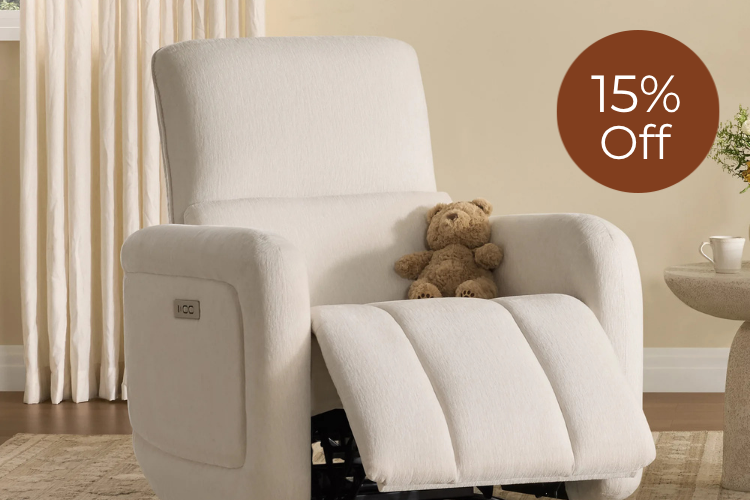
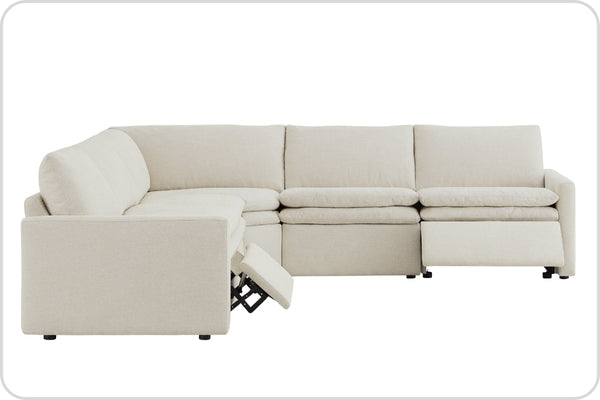
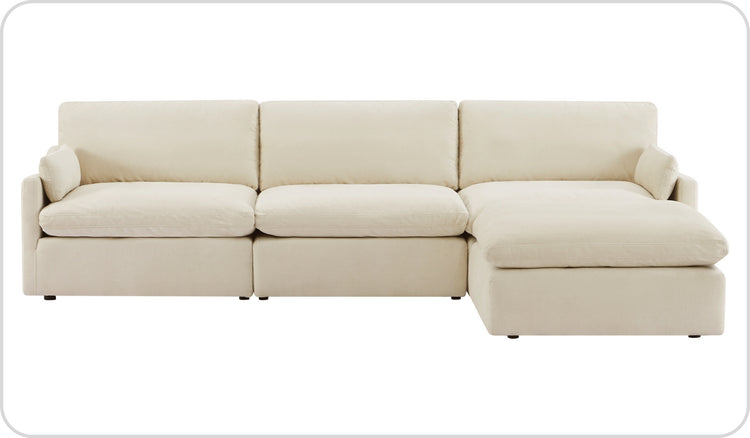
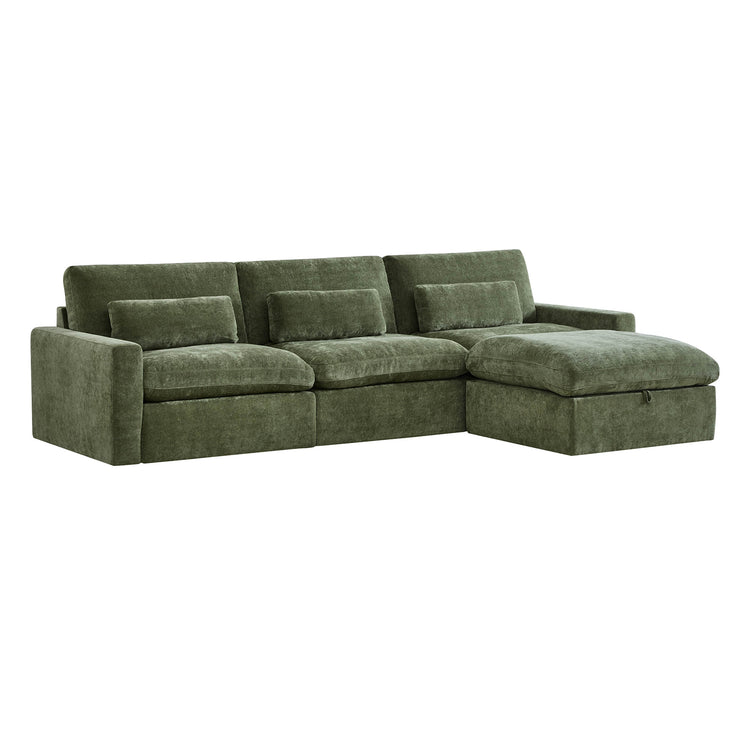
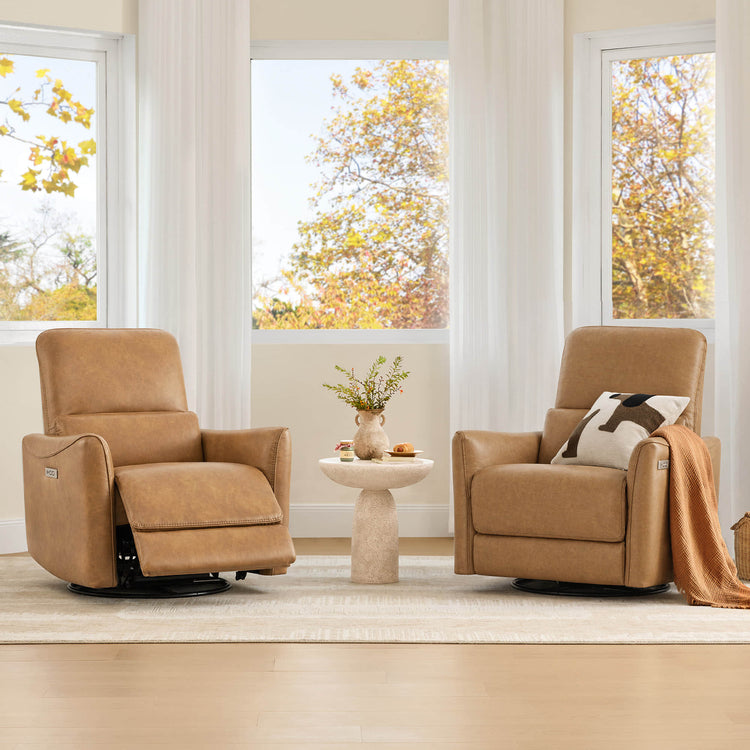
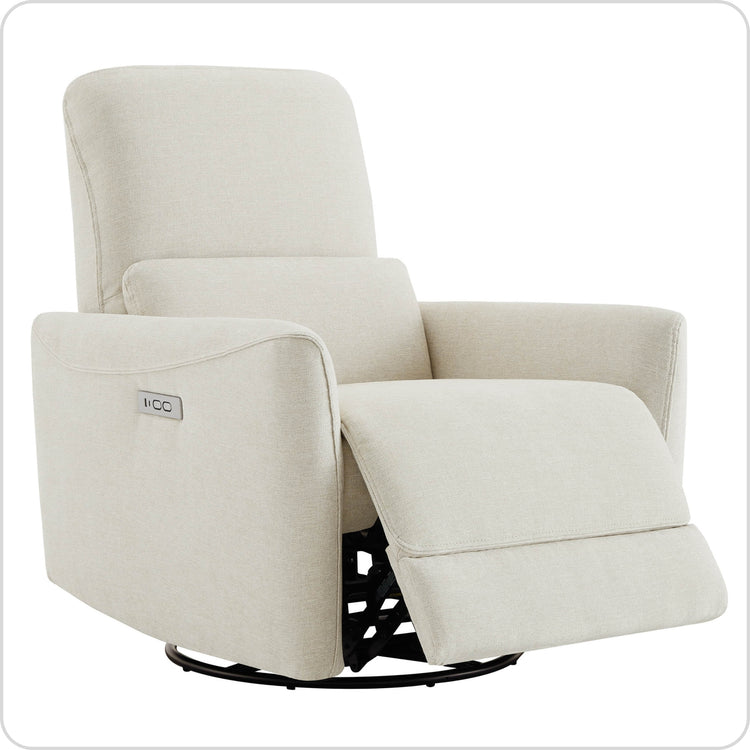
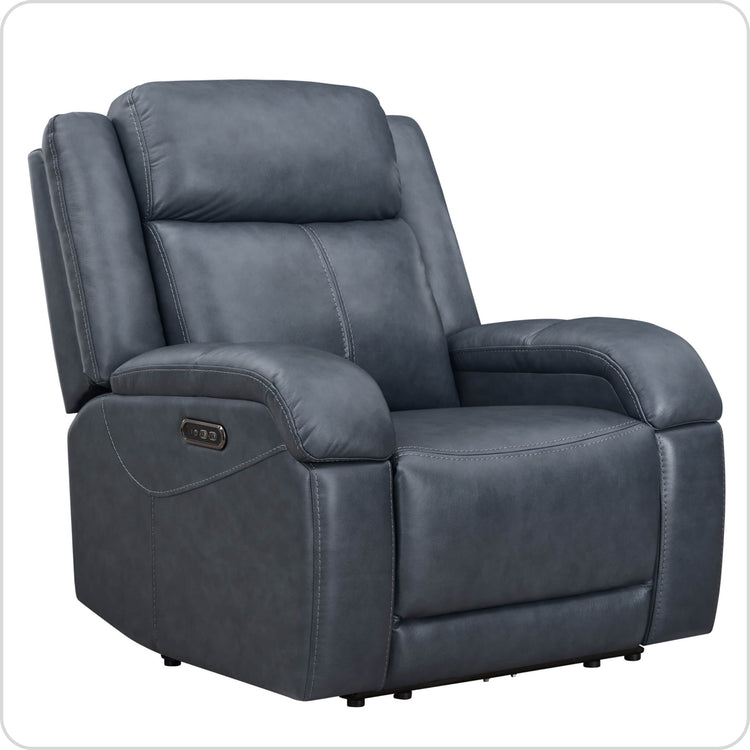
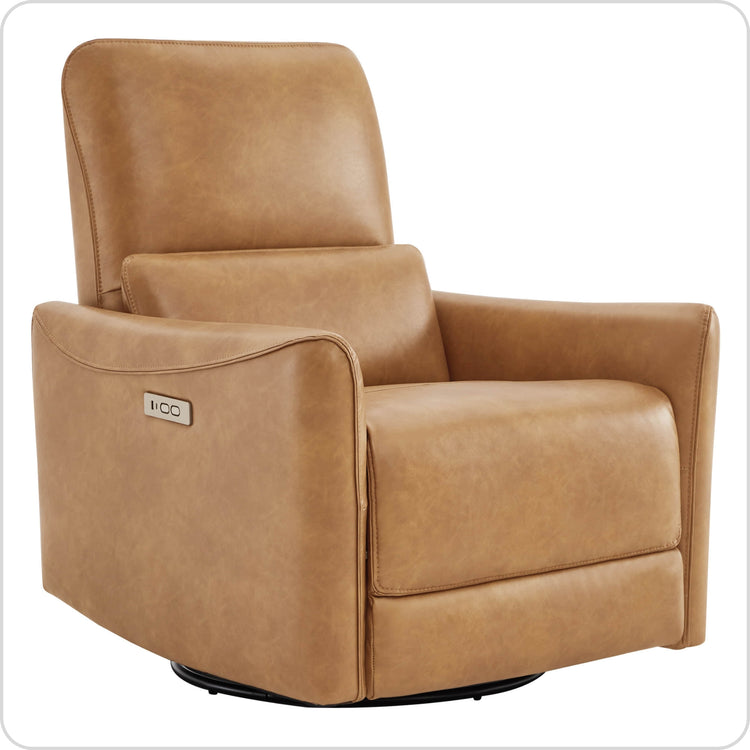
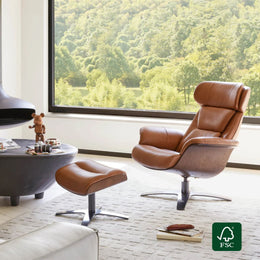
The Atlas Modern Zero-Gravity Power Recliner and Leif Modern Top-Grain Leather Super Zero Gravity Reclining Sofa both deliver the deeper geometry and power adjustability needed for reliable 135-degree positioning. The modular Ohana series adds flexibility for households that want wellness capability across multiple seats. Explore the Atlas Modern Zero-Gravity Power Recliner, Leif Modern Top-Grain Leather Super Zero Gravity Reclining Sofa, or the Ohana Modular Reclining Sofa Collection to match your layout and recovery priorities.
Finding Your Fit: A Buyer’s Checklist for Recovery Furniture
Space constraints often determine whether a full-extension zero-gravity recliner will work in your room. Wall-hugger or zero-clearance designs need only 5–10 cm of rear clearance, making them suitable for apartments, while standard models require 60–90 cm for the footrest arc. Measure your available depth before falling in love with a cinematic recline.
Material choice affects both comfort during 20-minute sessions and long-term durability. Performance fabrics offer superior breathability and easy cleaning for users who run warm or share the chair with pets, while top-grain leather provides a premium feel and longevity in drier climates. Our comparison Performance Fabric vs Leather: Which Recliner Material is Right for You? details the trade-offs.
The decisive buyer check remains the heart-level litmus test. Recline fully, have someone sight the line from your heart to your heel, and confirm elevation. Seat height, footrest angle, and lumbar cushioning must align with your height and weight for the geometry to deliver on its promise. Our guide to wall-hugger recliners offers exact measurements and layout examples for small rooms.
Is a Zero Gravity Recliner Right for Your Recovery Routine?
A zero-gravity recliner suits adults who want to combine living-room style with targeted postural support for sciatica discomfort and leg swelling, especially when evening routines include 15–30 minutes of intentional elevation. It is a strong fit for homeowners with at least moderate floor space, those who value power recline for precise angles, and anyone treating the chair as a scheduled recovery station rather than an open-ended seat.
It is less ideal if your primary need is deep lumbar massage, if your room cannot accommodate full extension, or if you expect the chair to replace professional medical care for persistent symptoms. In those cases a dedicated lift chair, medical-grade support, or consultation with a physician delivers more appropriate outcomes.
When the geometry, support, and usage habits align, many users report lighter legs, reduced end-of-day tightness, and a more restorative wind-down. Explore Chita Living’s 2026 zero-gravity collection to find models that match your height, room layout, and recovery goals, always remembering that severe or ongoing pain warrants professional evaluation.
Does the 135-Degree Angle Guarantee Sciatica Relief?
No chair can guarantee relief because individual spinal anatomy, the underlying cause of sciatica, and daily movement patterns all influence outcomes. The 135-degree position has been shown in imaging studies to lower disc compression, yet results vary. Use it as one comfortable tool within a broader routine that includes movement, core strength, and medical guidance when pain radiates or persists.
How Can I Test Whether a Recliner Elevates My Feet Above Heart Level?
Sit fully reclined and ask a partner to check whether your heels rise higher than an imaginary line drawn across your heart while you are relaxed. If they do not, the chair likely lacks sufficient footrest height or seat-to-footrest geometry for your frame. Manufacturer diagrams showing seat-to-footrest dimensions help before purchase; otherwise visit a showroom with your exact measurements.
Is a Zero Gravity Recliner Safe for People with High Blood Pressure?
The position generally lowers heart workload by improving venous return, but anyone with cardiovascular conditions should obtain clearance from their doctor first. Rapid changes in posture or prolonged immobility can affect some individuals. Start with short sessions and monitor how you feel.
What Is the Difference Between a Wall-Hugger and a Standard Zero Gravity Recliner?
Wall-huggers slide the seat forward as they recline, requiring only a few inches of rear clearance, while standard models need significant space behind for the backrest to travel. Both can reach zero-gravity angles, but wall-huggers are usually the practical choice for apartments or rooms placed near walls. Check the specific clearance rating for your chosen model.
When Should I See a Doctor Instead of Relying on a Recliner for Leg Swelling?
Sudden, one-sided, painful, or worsening swelling that does not improve with elevation, or swelling accompanied by shortness of breath or chest pain, requires prompt medical evaluation. A recliner supports daily comfort and circulation-friendly positioning but cannot diagnose or treat underlying vascular, cardiac, or other medical conditions.
Recommended Products


More to Read
 7 Sofa Trends That Actually Improve Comfort in 2026
Upgrade your living room with furniture that supports your body. Here are 7 modern sofa features designed to maximize your daily comfort...
7 Sofa Trends That Actually Improve Comfort in 2026
Upgrade your living room with furniture that supports your body. Here are 7 modern sofa features designed to maximize your daily comfort...
 Mother's Day Gift Guide: Cozy and Stylish Furniture Picks for Modern Moms
Make Mother's Day more meaningful with furniture gifts that bring comfort, smart features, storage, and quiet luxury into her everyday routine.
Mother's Day Gift Guide: Cozy and Stylish Furniture Picks for Modern Moms
Make Mother's Day more meaningful with furniture gifts that bring comfort, smart features, storage, and quiet luxury into her everyday routine.
 Performance Fabric Reality Check: Does It Really Repel Pet Hair and Stains?
Performance fabric is often marketed as a miracle solution for homes with pets and kids, but the reality is more nuanced. It...
Performance Fabric Reality Check: Does It Really Repel Pet Hair and Stains?
Performance fabric is often marketed as a miracle solution for homes with pets and kids, but the reality is more nuanced. It...