








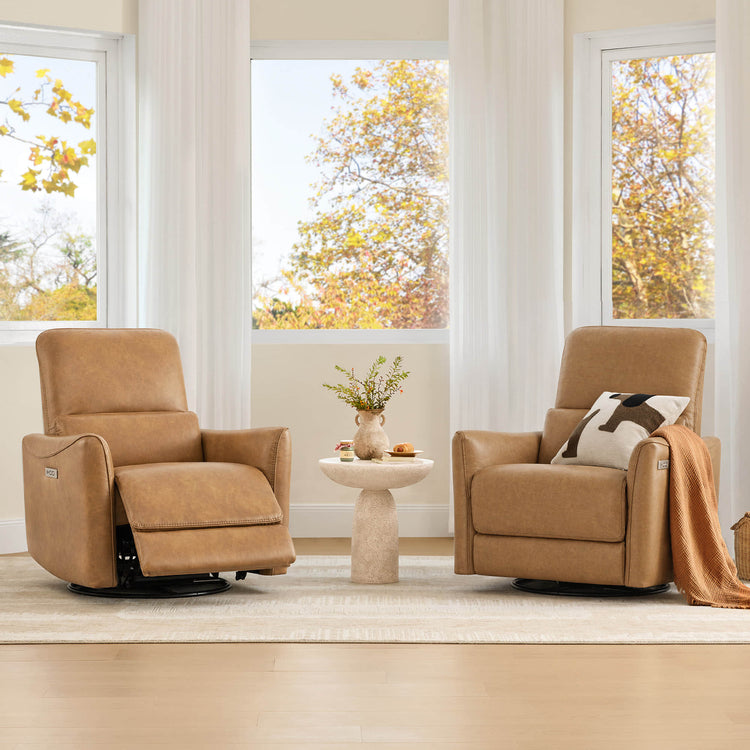


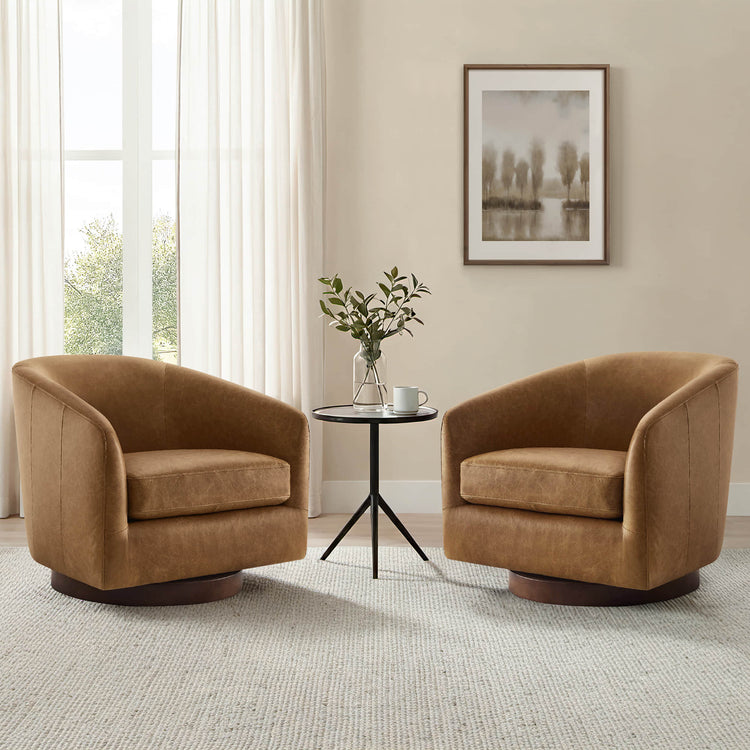
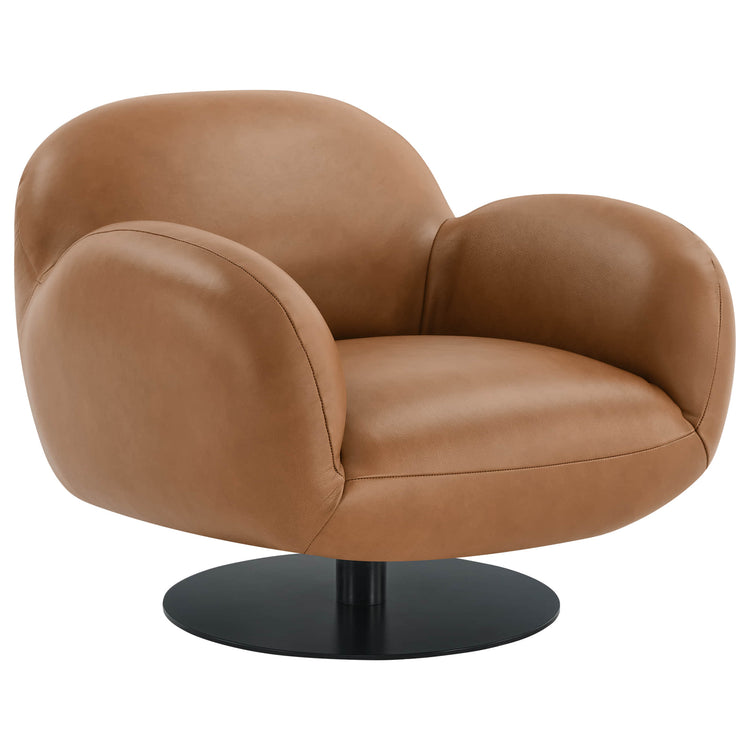
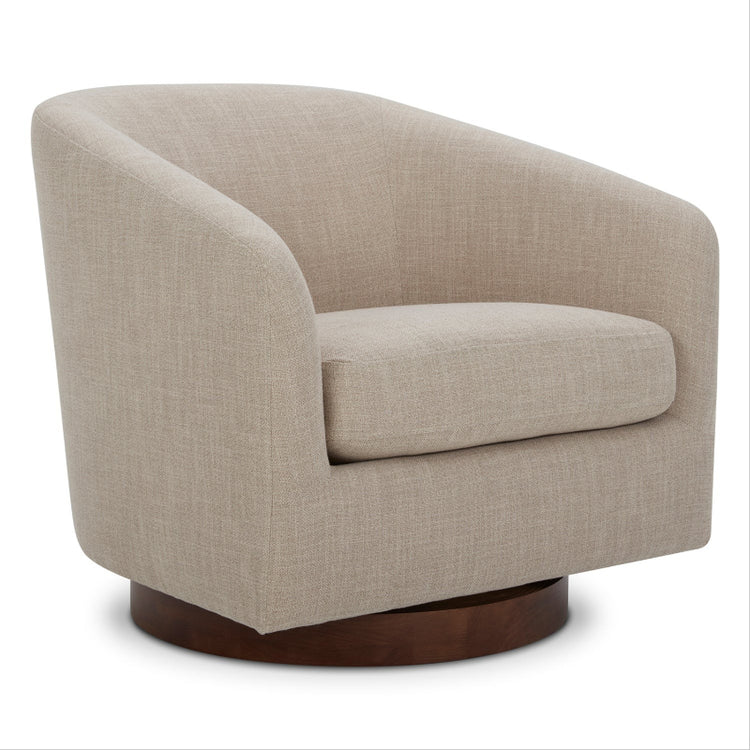

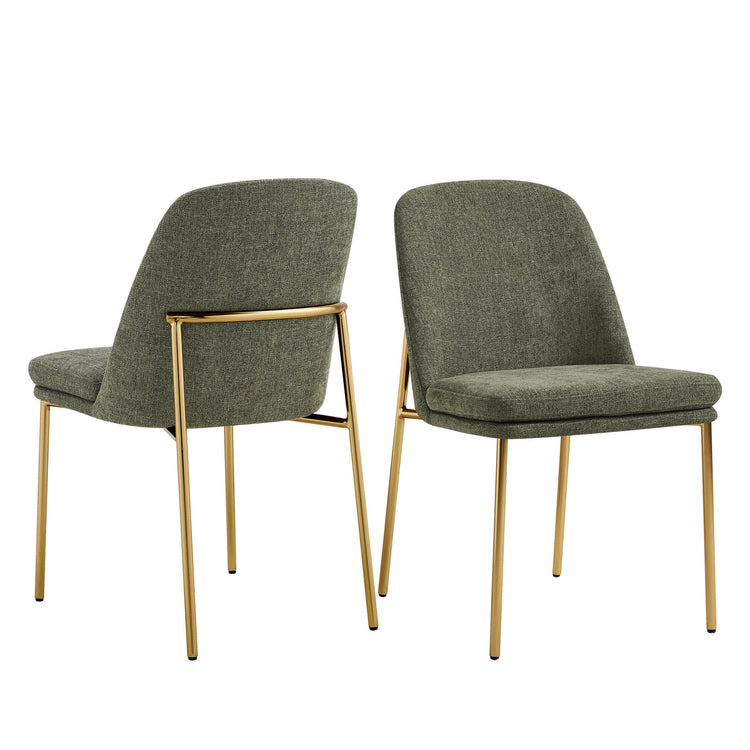












Design-conscious parents no longer need to choose between a functional nursery glider for late-night feedings and a chair that will still look at home in the living room years later. In 2026, stealth glider recliners combine whisper-quiet power motion and ergonomic support with sculptural silhouettes and performance fabrics that read as high-design accent pieces. The key is matching concealed mechanics, bounded clearance needs, and fabric timelines to your specific room and family stage so the chair serves the nursery phase without becoming disposable.

The Rise of the Stealth Nursery: Why 2026 Parents Are Buying for the Long Haul
The traditional nursery glider often becomes a one-room piece that looks out of place once the baby phase ends. Many parents now seek nursery glider recliners that deliver silent, smooth motion for soothing and feeding while featuring clean lines and neutral textures that blend into open-plan living rooms. This shift reflects broader 2026 trends favoring multi-use furniture that avoids the "nursery-only" trap.
Open-plan homes and design-focused nurseries make visibility a core concern. A chair that screams "baby gear" creates visual clutter long after it is needed. Stealth designs solve this by hiding functional elements behind furniture-first proportions, letting the same piece transition seamlessly from nighttime feeds to adult reading or guest seating. The result is better long-term value and less regret when the nursery evolves.
How to Spot a Stealth Glider: Design Details That Disguise Function
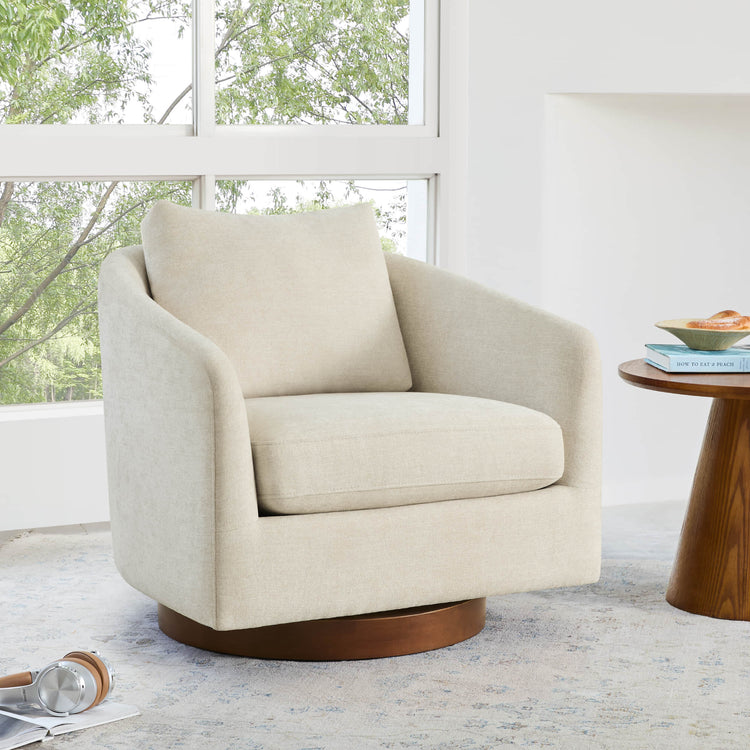
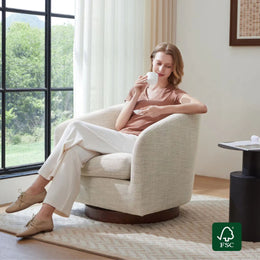
A true stealth glider earns its living-room look when mechanics stay invisible from normal sightlines. Exposed swivel hardware or bulky side controls immediately break the illusion, making the chair read as specialized equipment rather than an accent piece. The strongest visual cue is a fully concealed base paired with streamlined arm geometry that avoids protruding toggles.
Sculptural silhouettes help here. 2026 nursery trends favor soft curves and organic shapes over the boxy profiles of older gliders. These forms naturally mask recline hardware. Similarly, integrated controls hidden in the armrest or under a subtle panel preserve the clean aesthetic.
The chart below clarifies the stealth threshold. Exposed mechanics, boxier silhouettes, and chunky controls tend to push a chair toward an obvious "nursery" read, while concealed bases, sculptural lines, and integrated controls support a furniture-first appearance in typical lighting and angles.
Stealth Threshold: How Glider Form Reads as Furniture or Mechanism
A visual aid for comparing whether exposed hardware, boxier form, and chunky controls push a glider toward a more chair-like read, while concealed mechanisms and smoother sculptural lines support a stealthier read under typical setups.
View chart data
| Scenario | Exposed mechanics | Concealed mechanics | Boxy silhouette | Sculptural silhouette | Chunky controls | Integrated controls |
|---|---|---|---|---|---|---|
| Chair-like read | 4.0 | 1.0 | 4.0 | 1.0 | 4.0 | 1.0 |
| Stealth read | 1.0 | 4.0 | 1.0 | 4.0 | 1.0 | 4.0 |

This visual helps you quickly judge whether a model will maintain its accent-chair appeal after the nursery years. Visible hardware or obvious controls almost always disqualify a chair from stealth status regardless of fabric.
Motion Without the Noise: The 2026 Power vs. Manual Debate
Late-night feeds demand motion that will not startle a sleeping baby. Whisper-quiet power motors have become the 2026 standard because they eliminate the clunk of manual latches and deliver smooth, one-touch recline. For many parents, this convenience outweighs the slightly narrower swivel range that often accompanies power models.
Power recliners typically limit swivel to around 270 degrees to protect wiring, while many manual gliders offer a full 360. If your nursery layout requires frequent full rotation to face different directions, test the range in person. The 2026 Guide to Quiet Power Recliners for Nurseries explores these trade-offs in more detail.
The "startle clunk" test remains essential. Even attractive manual models can have mechanical stops that create noise. Power versions with well-engineered motors usually avoid this, but reliability varies by brand and price tier. Budget motors sometimes fail after the warranty, turning a convenience into a repair headache.
Ergonomics Beyond the Nursery: Support for Feeding and Recovery
Nursing and postpartum recovery place specific demands on seating. An ergonomic nursing chair should ideally feature an armrest height of approximately 60 cm and a backrest height of at least 83 cm to support the head and neck during extended feeds, according to anthropometric research on nursing chair prototypes. These dimensions reduce shoulder strain and allow comfortable contact napping for parents.
Power recline adds meaningful postpartum value by letting users adjust position with minimal core effort. This matters after a C-section or when fatigue is high. Head and neck support that accommodates adult heights also prevents awkward postures that lead to neck pain over months of use.
Check these dimensions before purchase. A stylish chair that looks perfect in photos may still fall short if armrests sit too low or the back lacks sufficient height. The Ergonomic Recovery: Why Power Gliders Are Essential for Postpartum Healing offers a practical checklist for verifying support.
Room-Fit Planning: Clearance and Footprint Realities
Nursery space is often tight, making footprint a deciding factor. While traditional recliners need 10–14 inches of rear clearance, wall-hugger nursery designs typically operate with 4–7 inches behind the chair. This bounded range still requires measuring your exact wall-to-furniture gap rather than assuming zero clearance.
Full operational footprint includes the chair's swivel radius when extended. Map the space with tape on the floor before buying. Cord management for power models adds another layer: place the chair near an outlet or plan a safe, hidden cord route to avoid trip hazards in low-light nighttime use.
Small-space scenarios often favor compact power models with wall-hugger engineering. Read the Big Comfort, Small Footprint: The Best Power Recliners for Apartments and Cozy Rooms for exact sizing guidance that prevents common placement regrets.
Style Details That Make the Transition Seamless
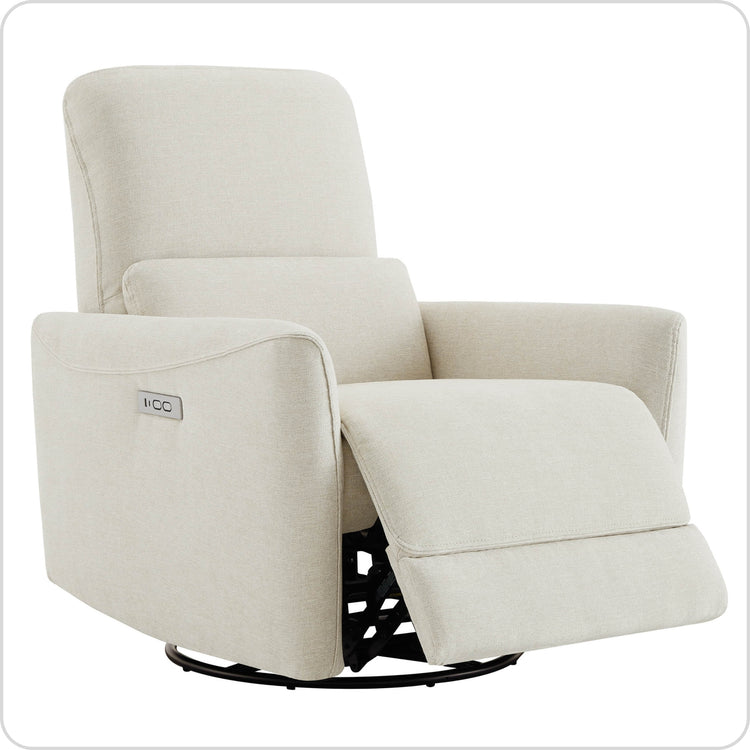
Fabrics largely determine whether a nursery glider recliner still looks intentional in a living room two or three years later. Textural neutrals in performance weaves or bouclé create the 2026 standard for room-to-room flow because they feel soft for baby use yet polished for adult spaces. Performance fabrics in neutral tones help the chair avoid looking dated or nursery-coded.
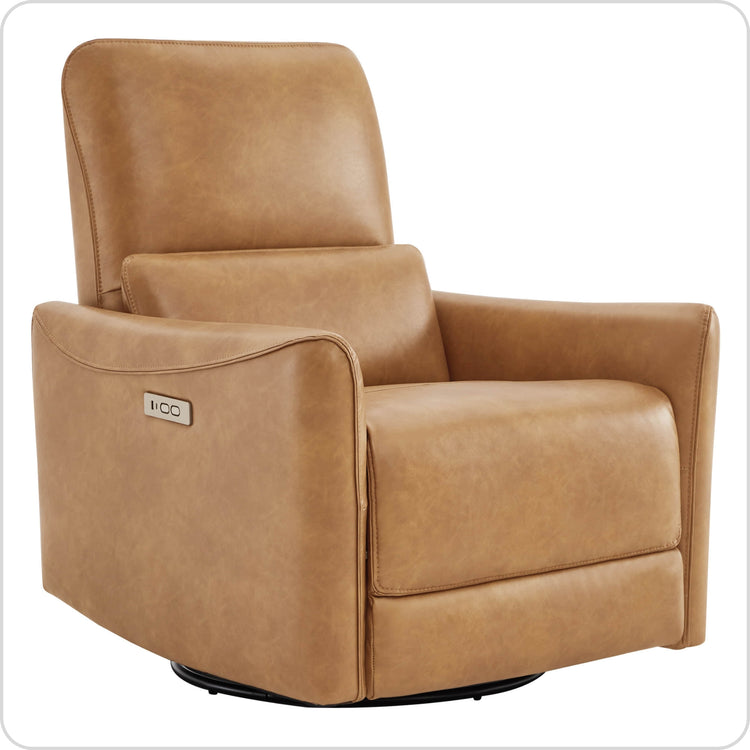
Top-grain leather offers durability and a refined look that ages gracefully in formal living rooms, but it can feel less cozy for skin-to-skin contact during feeds. Bouclé delivers visual softness yet shows wear faster under heavy use and staining. The scenario that fits best depends on your expected daily traffic and stain risk.
Performance fabrics often involve treatments that create a tension with non-toxic priorities. Even models with Greenguard Gold certification may still contain PFAS in the weave. Ask brands directly about material chemistry if this matters to your household. Our Decoding Upholstery Standards: The 2026 Guide to Performance Fabric Durability explains how to read labels for long-term performance without over-relying on marketing claims.
Safety First: Understanding Nursery-Specific Standards
Standard living-room recliners rarely meet the safety requirements built into nursery-specific seating. ASTM F3084 addresses stability, structural integrity, and entrapment hazards that become critical once toddlers start exploring moving parts. This federal safety standard highlights why nursery gliders undergo distinct testing that generic accent chairs usually skip.
Entrapment prevention focuses on gaps between the base and seat that could catch small fingers or limbs. Stability testing ensures the chair resists tipping even during energetic rocking or climbing attempts. These engineered differences matter for peace of mind beyond the newborn months.
A living-room recliner that looks similar on the surface may lack these protections. Always confirm nursery-specific certification rather than assuming style similarity equals safety equivalence. The How to Choose a Glider for Your Nursery breaks down these standards further.
Choosing Your Stealth Glider: A Decision Framework for 2026
Treat the purchase as a 3-year utility decision or a generational heirloom choice. The former favors practical performance fabrics and reliable power mechanisms that serve the nursery phase cleanly. The latter leans toward premium leather and heirloom-grade construction that will still look intentional decades later.
Use this checklist before buying:
- Confirm the base and controls are fully concealed from typical viewing angles.
- Verify motor noise is genuinely whisper-quiet in a quiet room.
- Measure armrest (~60 cm) and backrest (~83 cm) heights against your body.
- Check rear clearance needs against your actual wall gap (4–7 inches for most wall-huggers).
- Ask the brand about PFAS status if material health is a priority.
Don't buy if the mechanics remain visually obvious, the brand cannot address chemical concerns clearly, or bouclé is chosen for a high-traffic room where stains and wear are likely. These conditions often lead to regret when the chair fails to transition gracefully.
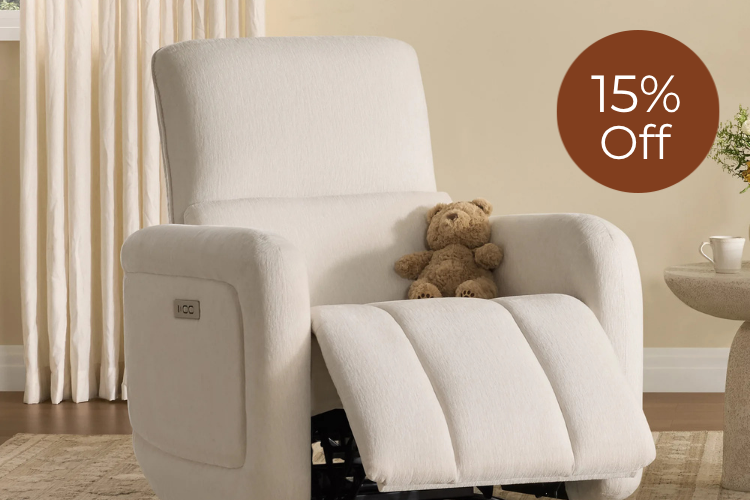
For many families, the Tracee Power Swivel Nursery Glider Recliner or Errol Power Swivel Nursery Glider Recliner strike a strong balance of silent power, concealed mechanics, and neutral performance upholstery that works in both nursery and living-room settings. The James Modern Genuine Leather Power Swivel Glider Recliner offers a more polished leather route for those prioritizing longevity and a formal living-room aesthetic. Browse the full Leather Recliners or Recliner Latest collections to compare options that match your exact clearance, swivel, and fabric needs.
How Quiet Do Nursery Gliders Need to Be for Nighttime Use?
Motion should stay below normal conversation volume so it does not wake a lightly sleeping infant. Well-engineered 2026 power models typically achieve this, but always test in a quiet showroom or request a return window that lets you evaluate real nighttime performance. Manual latches often fail this test.
Can a Nursery Glider Recliner Truly Replace a Living Room Accent Chair?
Yes, when the silhouette is sculptural, controls are hidden, and fabric is a textural neutral that ages well. The transition succeeds most often in open-plan homes where the chair already lives in a visible area. Boxy designs or obvious hardware usually prevent this seamless shift.
How Much Rear Clearance Does a Wall-Hugger Nursery Glider Actually Require?
Most models need 4 to 7 inches rather than true zero clearance. Measure your specific wall-to-furniture distance and add the chair's extended footprint before purchase. This bounded range prevents the common mistake of assuming any wall-hugger will fit anywhere.
What Fabric Works Best for Both Nursery and Future Living Room Use?
Performance weaves in neutral bouclé or tight linen-like textures balance softness, cleanability, and adult-room polish for most households. Leather suits lower-stain, higher-formality living rooms but may feel cooler for newborn skin contact. Avoid bouclé in very high-traffic rooms where pilling or staining risk is elevated.
Is a Standard Living Room Recliner Safe to Use in a Nursery?
Usually not. Nursery gliders undergo ASTM F3084 testing for stability and entrapment that standard recliners typically skip. The added protections matter once babies become mobile. Always verify nursery-specific safety certification rather than relying on visual similarity.
Recommended Products


More to Read
 7 Sofa Trends That Actually Improve Comfort in 2026
Upgrade your living room with furniture that supports your body. Here are 7 modern sofa features designed to maximize your daily comfort...
7 Sofa Trends That Actually Improve Comfort in 2026
Upgrade your living room with furniture that supports your body. Here are 7 modern sofa features designed to maximize your daily comfort...
 Mother's Day Gift Guide: Cozy and Stylish Furniture Picks for Modern Moms
Make Mother's Day more meaningful with furniture gifts that bring comfort, smart features, storage, and quiet luxury into her everyday routine.
Mother's Day Gift Guide: Cozy and Stylish Furniture Picks for Modern Moms
Make Mother's Day more meaningful with furniture gifts that bring comfort, smart features, storage, and quiet luxury into her everyday routine.
 Performance Fabric Reality Check: Does It Really Repel Pet Hair and Stains?
Performance fabric is often marketed as a miracle solution for homes with pets and kids, but the reality is more nuanced. It...
Performance Fabric Reality Check: Does It Really Repel Pet Hair and Stains?
Performance fabric is often marketed as a miracle solution for homes with pets and kids, but the reality is more nuanced. It...