








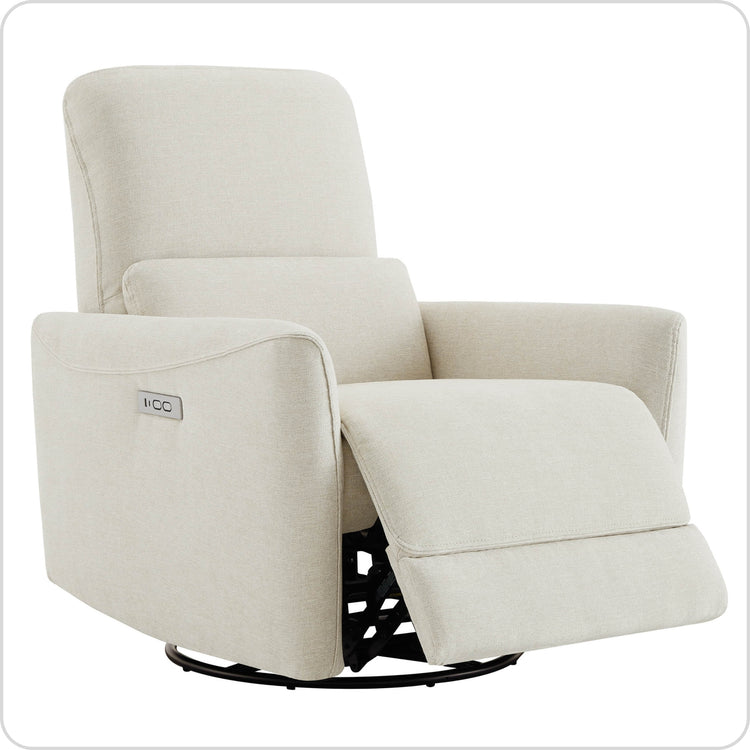
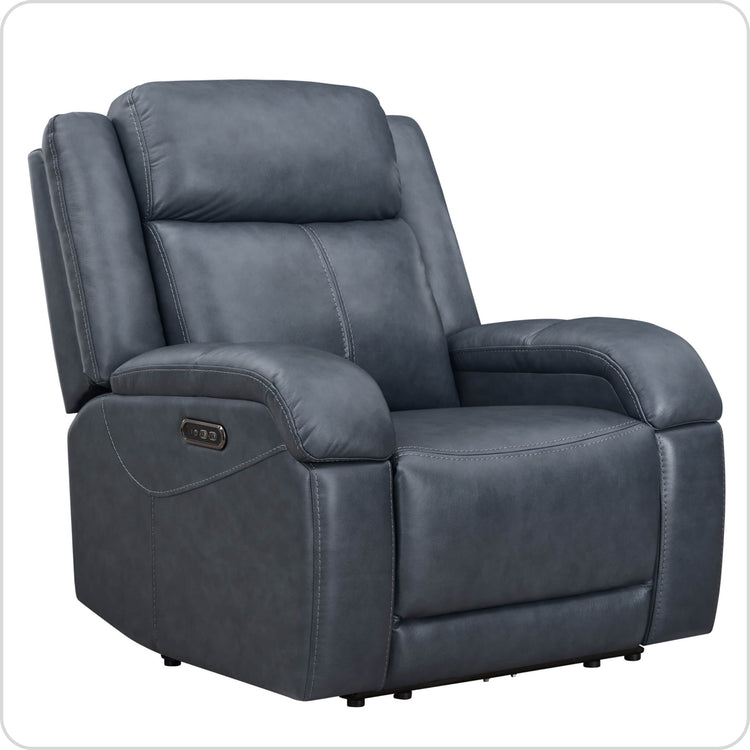
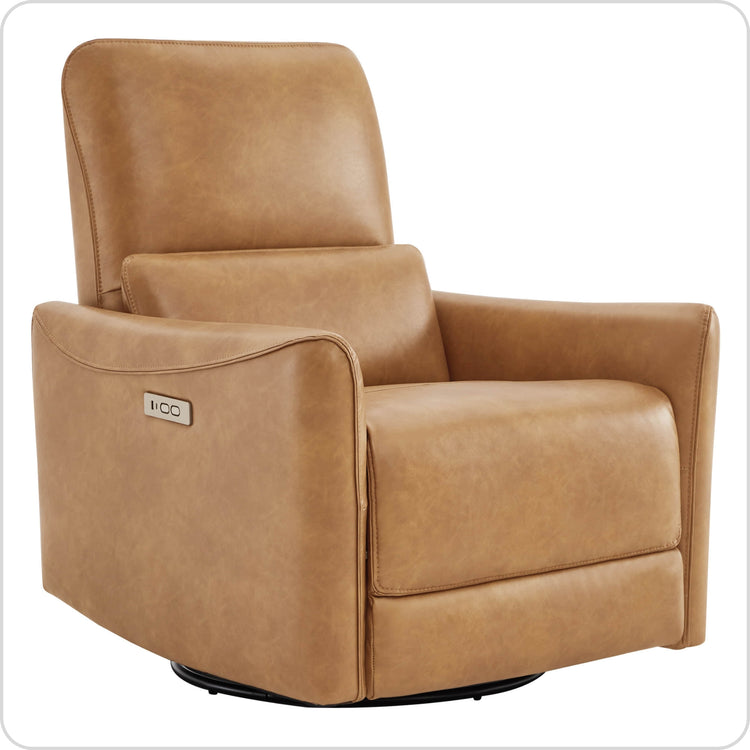


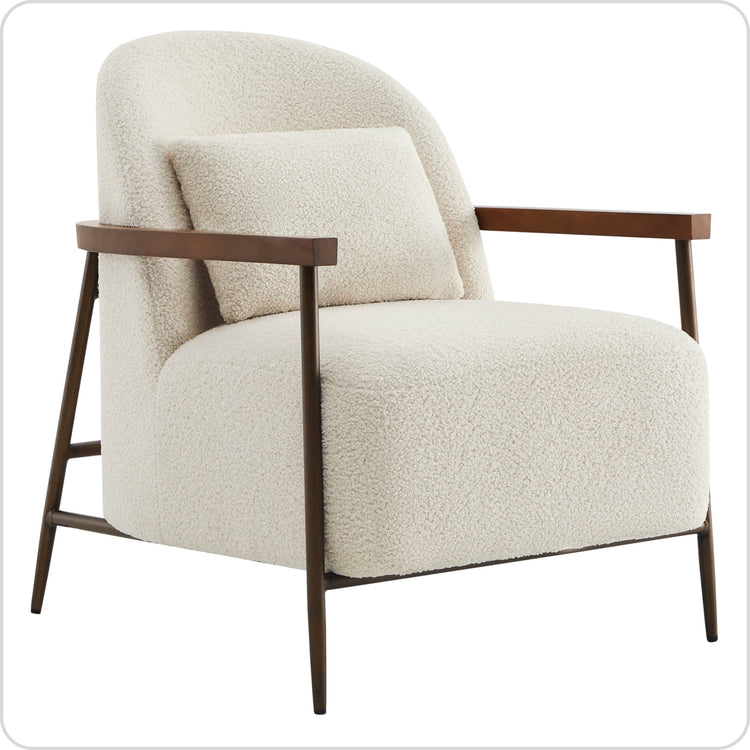













Power recliners with zero-gravity positioning and adjustable headrests can serve as a practical bridge in your evening wind-down, helping create a low-stimulation transition that supports better sleep hygiene without turning the chair into a bed substitute. For many wellness-focused adults in 2026, the key is matching the recliner's features and placement to a dedicated 30- to 90-minute pre-sleep routine that reinforces stimulus control and protects natural melatonin production.

The 2026 Sleep Hygiene Routine: Why Your Recliner is a 'Bridge' to Bed
Many people try to relax by reading or scrolling in bed, only to find it harder to fall asleep later. This happens because the brain begins to associate the bed with wakeful activities instead of rest alone. Circadian lounging uses a comfortable power recliner as a separate “bridge” space for your evening routine, keeping the bed strictly for sleep and supporting stimulus control.
The National Sleep Foundation recommends a consistent bedtime routine away from bright lights to help the body transition to sleep. A dedicated recliner spot lets you unwind with screen-free activities such as listening to audiobooks or reading on paper, which helps protect melatonin levels. As this CDC overview of sleep notes, avoiding blue light in the evening prevents circadian disruption that can make it harder to feel sleepy at the right time.
Using the recliner instead of the bed for lounging also aligns with Harvard Health guidance on sleep hygiene: keeping the bed for sleep and intimacy strengthens the mental cue that it is time to rest once you get under the covers. This separation is especially useful in small apartments where the bedroom doubles as a living space. For more on selecting the right chair for limited square footage, see our guide on how to choose a recliner for bedroom use.
Beyond Comfort: The Science of Zero-Gravity and Sleep Readiness
Zero-gravity positioning goes beyond plush cushions by mimicking NASA’s Neutral Body Posture. Research from NASA identifies a trunk-to-thigh angle of approximately 128 degrees as the body’s most unstressed state. In this alignment, pressure on the spine, legs, and lower back decreases, which many users find helps them decompress after a long day without encouraging full sleep in the chair.
This posture can facilitate physical relaxation that feels like a natural part of an evening routine, but the chair still needs proper structure. The “slouch trap” occurs when overly soft foam allows the body to collapse, straining the neck or lower back during reading. Adjustable headrests solve this by letting you keep a neutral neck position, reducing the muscle tension that can keep you alert longer than intended.
As explained in our article on the rise of the wellness recliner, zero-gravity designs distribute weight evenly and often include power mechanisms for easy adjustment. Pairing this with an adjustable headrest supports low-stimulation activities like reading or guided audio without the neck strain that might trigger alertness. These features make the recliner a tool for routine support rather than a medical fix for discomfort.
The 60-Minute Circadian Routine: A Step-by-Step Wind-Down
A structured routine prevents the comfort trap of dozing off too early and losing sleep pressure. Think of the hour before bed as a countdown rather than open-ended lounging. Start with 30 minutes in a deep zero-gravity recline while listening to a calm audiobook or practicing breathing exercises under warm, low-lux lighting (around 50-100 lux is a common heuristic for winding down).
After the first half hour, raise the backrest to a more upright posture for the next 20 minutes. This gentle transition signals to your body that the relaxation phase is ending. Use the final 10 minutes to move to bed while still awake, preserving the natural drive to sleep. Replace any temptation to check a phone with paper reading or meditation; the CDC highlights how blue light exposure close to bedtime can delay sleep onset.
The self-check that helps most people stay on track is simple: if you feel yourself drifting off in the chair, sit up slightly or stand for a moment. Transferring to bed while drowsy but not yet asleep helps maintain the association between your bed and quick sleep onset. This approach works best for readers or audio listeners who want a repeatable ritual without screens.
Bedroom vs. Living Room: Where to Place Your Wellness Recliner
Placement changes which features matter most. A bedroom “sleep bridge” prioritizes quiet operation and minimal footprint so the chair does not disturb a partner or take up walking space. A living-room “recovery hub” can emphasize deeper recline and durability because noise and size are less critical.
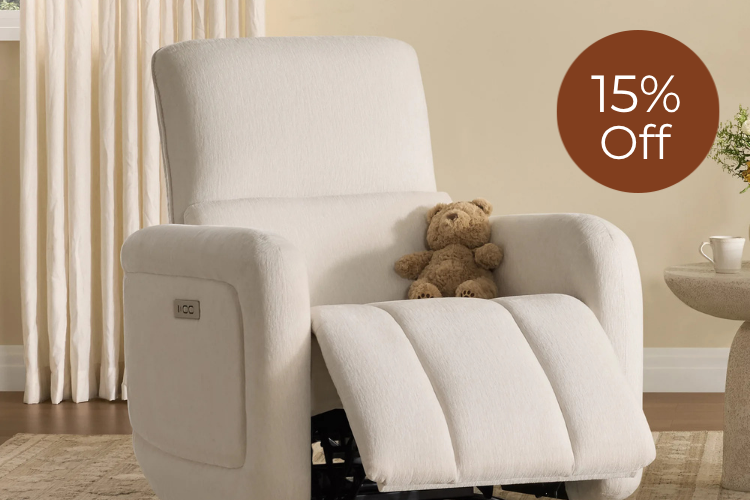
Quiet motors become essential in the bedroom. Industry guidelines for wellness furniture suggest keeping operation below roughly 45 dB so the sound does not interrupt the calm transition to sleep. Wall-hugger or zero-wall designs need only a few inches of clearance, making them practical for tight bedrooms. The Hadley Modern Zero Wall-hugger Power Recliner is often chosen for these spaces because it stays close to the wall even when fully reclined.
In contrast, a living room setup tolerates slightly louder motors and larger clearance if the chair supports longer recovery sessions. Tech features such as USB ports or LED lighting are more acceptable here but should be avoided in the bedroom to limit blue-light cues. Breathable linen or performance fabrics help the bedroom stay cool and inviting, while leather may suit higher-traffic living areas.
The chart below visualizes these trade-offs using bounded planning ranges drawn from typical manufacturer specifications and sleep-hygiene considerations.
Bedroom vs. Living Room: Wellness Recliner Placement Priorities
Use these planning ranges to match the recliner to the room: a bedroom setup should stay quiet, compact, and low-tech, while a living room setup can tolerate more noise and size if it supports deeper recovery seating.
View chart data
| Category | Bedroom Priority | Living Room Priority |
|---|---|---|
| Motor Noise | 45.0 | 60.0 |
| Wall Clearance | 4.0 | 18.0 |
| Tech Integration | 0.0 | 2.0 |

For additional ideas on discreet modern designs, read our piece on stealth comfort with hidden power recliners. If your space is primarily a bedroom, prioritize models with proven quiet actuators and zero-wall capability; otherwise the recovery benefits of a larger living-room chair may suit you better.
Choosing the Right Recliner for Your Sleep Goals
Match the chair to your room size, noise tolerance, and evening habits rather than chasing the deepest recline alone. The Leif Super Zero Gravity Power Leather Recliner works well for users who want maximum leg elevation and dual-motor independence for fine-tuning the 128-degree posture during longer wind-downs. Those with small bedrooms often prefer the Hadley for its compact zero-wall footprint and smooth, quiet motion that won’t disturb a sleeping partner.
The Atlas Modern Zero-Gravity Power Recliner offers a balanced medium-firm feel that resists the slouch trap many soft recliners create during reading. Look for dual motors that let you adjust the headrest and footrest independently, plus quiet actuators that stay under the 45 dB range in bedroom settings. Avoid models with bright LED lighting or prominent USB ports if the chair will live near the bed.
A quick decision checklist includes: Does the chair clear your walls when reclined? Is the motor quiet enough for your sleeping environment? Does the lumbar and headrest support keep you in a healthy posture for 30–60 minutes without slouching? Answering these questions first prevents the common regret of a beautiful chair that is too noisy or bulky for nightly use.
When the features align with your space and routine, a power recliner becomes a repeatable part of a circadian-friendly evening rather than just another piece of furniture. Browse the full selection of power recliners or narrow your choices with our zero gravity recliners to find the model that best fits your sleep-hygiene goals.
Do Power Recliners Improve Bedtime Routines?
They can when used as part of a structured, screen-free wind-down in a dedicated chair. The physical comfort and posture support make it easier to stay consistent with relaxing activities, but they do not replace good sleep habits or treat clinical sleep issues.
How Long Should I Lounge in a Recliner Before Bed?
Most people benefit from a 30- to 90-minute window. Staying longer increases the chance of falling asleep in the chair and reducing sleep pressure for the bed. Use the final segment in a more upright position as an exit ramp.
Is a Zero-Gravity Recliner Better Than a Regular Recliner for Sleep Hygiene?
The even weight distribution and reduced pressure of zero-gravity positioning often feel more relaxing for evening use, especially when paired with an adjustable headrest. A regular recliner can work if it offers good lumbar support and quiet operation, but zero-gravity designs usually provide a clearer sense of decompression.
Where Should I Place a Wellness Recliner for Best Results?
A bedroom corner works well if the chair has quiet motors and minimal wall clearance. A living room is preferable when you want deeper recovery features and do not mind slightly larger dimensions or added tech. The deciding factor is whether the location supports stimulus control by keeping the bed for sleep only.
What Features Matter Most for Evening Relaxation?
Quiet actuators, independently adjustable power headrest and footrest, and breathable fabrics rank highest for bedroom use. Avoid bright indicator lights or unnecessary USB ports that could introduce stimulation. Wall-hugger geometry is a practical must for compact spaces.
Recommended Products

More to Read
 7 Sofa Trends That Actually Improve Comfort in 2026
Upgrade your living room with furniture that supports your body. Here are 7 modern sofa features designed to maximize your daily comfort...
7 Sofa Trends That Actually Improve Comfort in 2026
Upgrade your living room with furniture that supports your body. Here are 7 modern sofa features designed to maximize your daily comfort...
 Mother's Day Gift Guide: Cozy and Stylish Furniture Picks for Modern Moms
Make Mother's Day more meaningful with furniture gifts that bring comfort, smart features, storage, and quiet luxury into her everyday routine.
Mother's Day Gift Guide: Cozy and Stylish Furniture Picks for Modern Moms
Make Mother's Day more meaningful with furniture gifts that bring comfort, smart features, storage, and quiet luxury into her everyday routine.
 Performance Fabric Reality Check: Does It Really Repel Pet Hair and Stains?
Performance fabric is often marketed as a miracle solution for homes with pets and kids, but the reality is more nuanced. It...
Performance Fabric Reality Check: Does It Really Repel Pet Hair and Stains?
Performance fabric is often marketed as a miracle solution for homes with pets and kids, but the reality is more nuanced. It...