
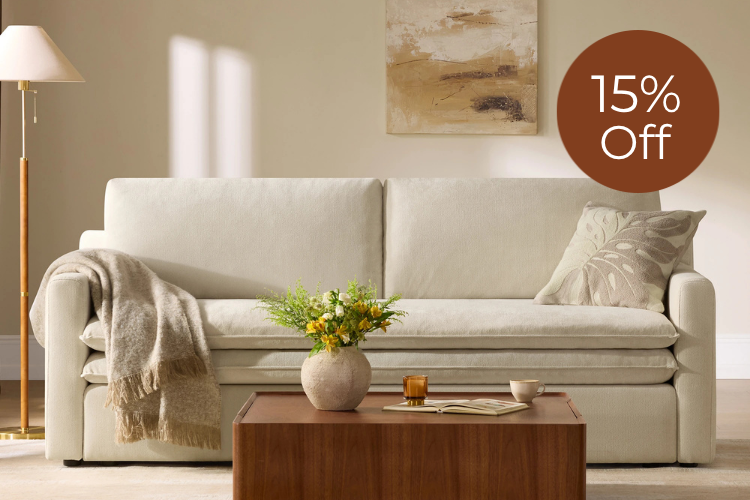
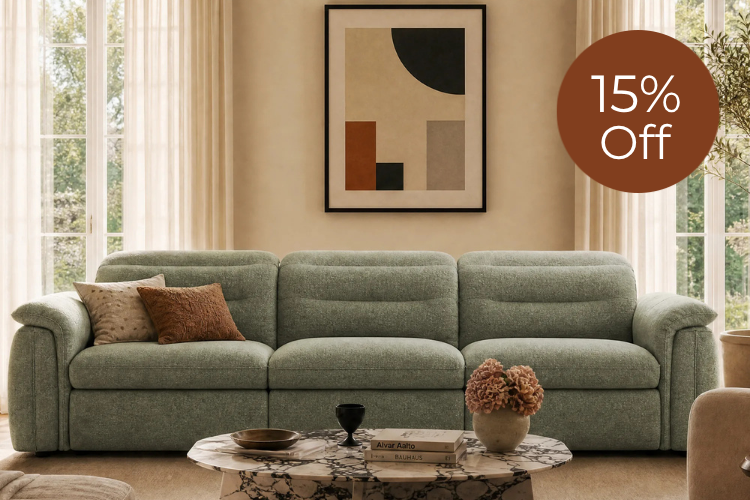
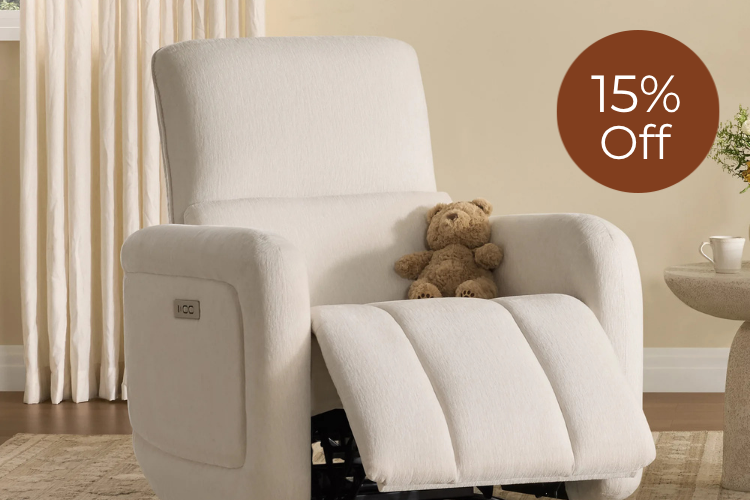








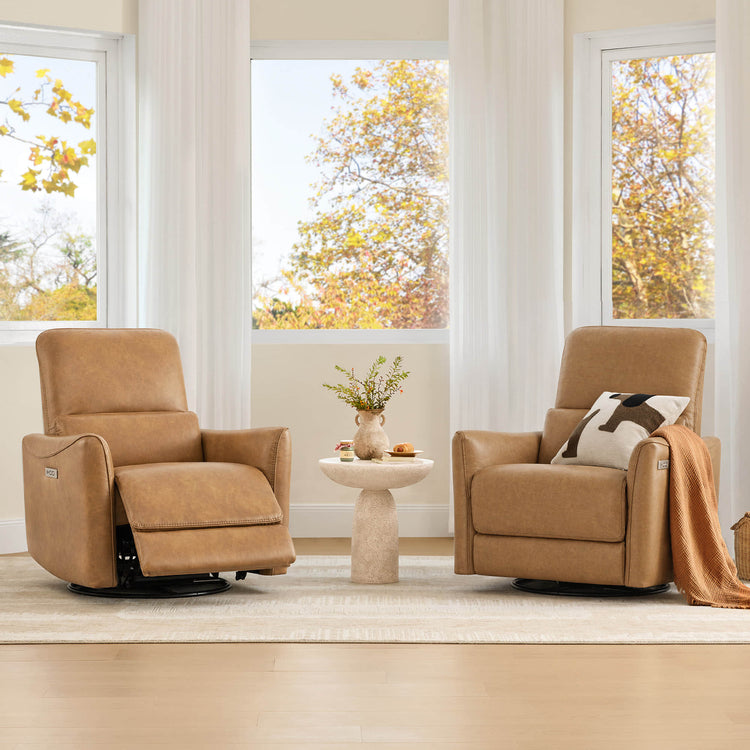
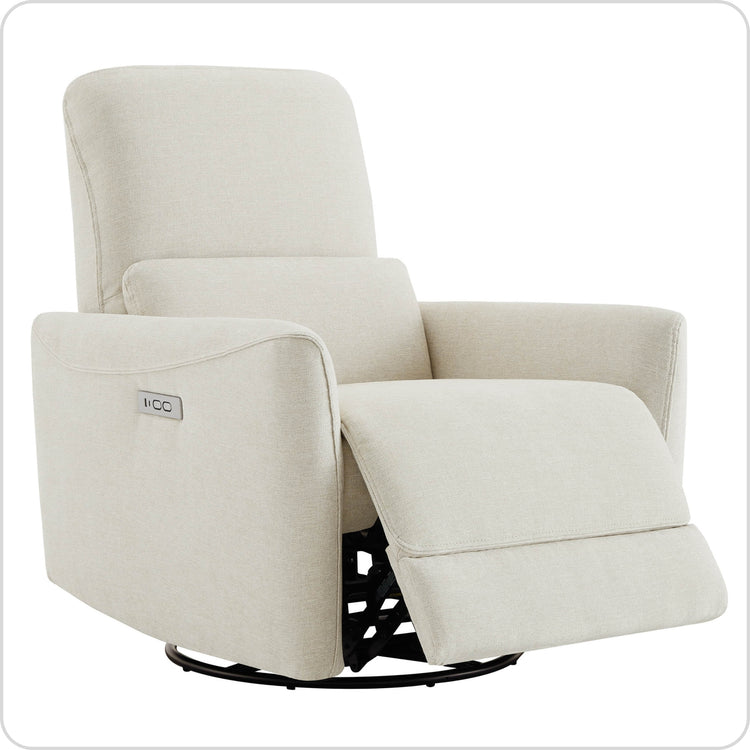
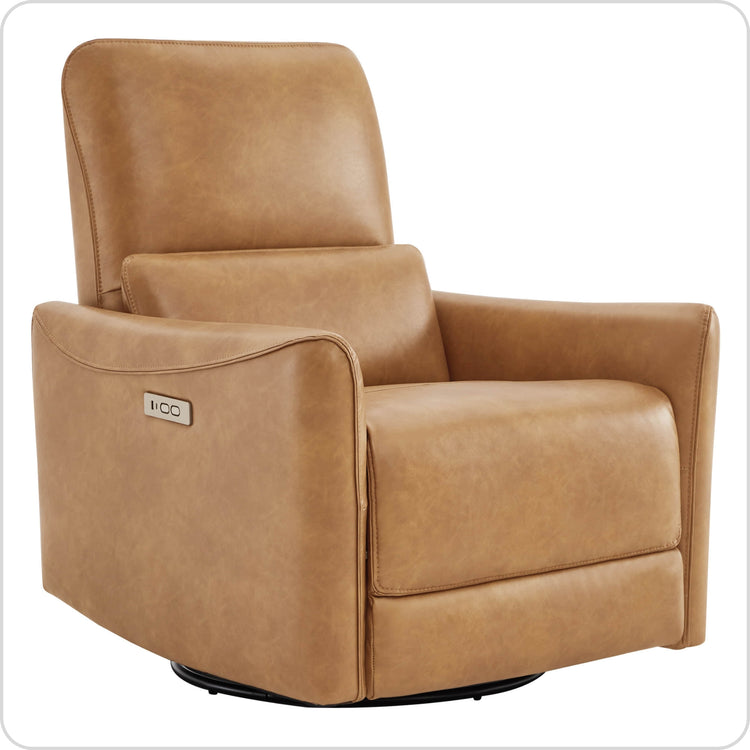


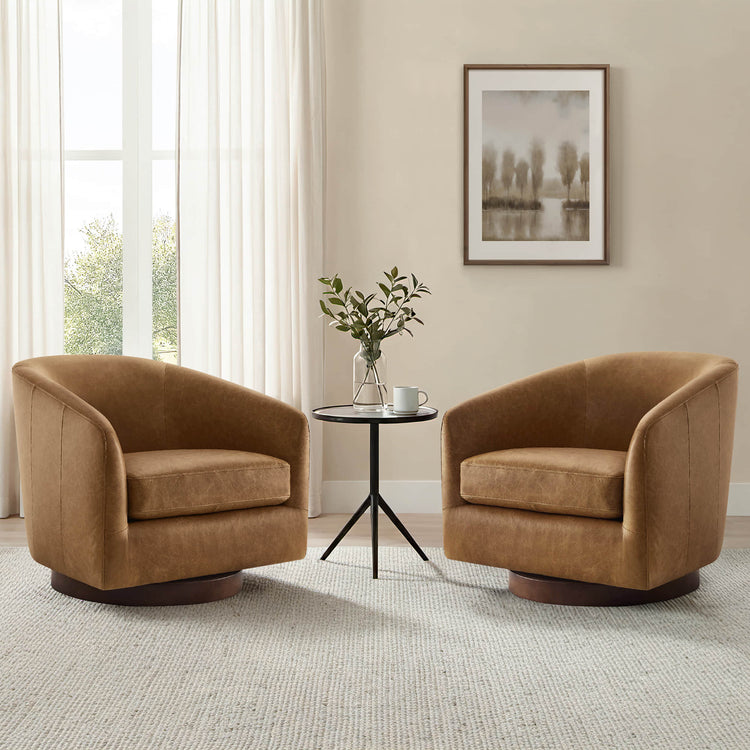
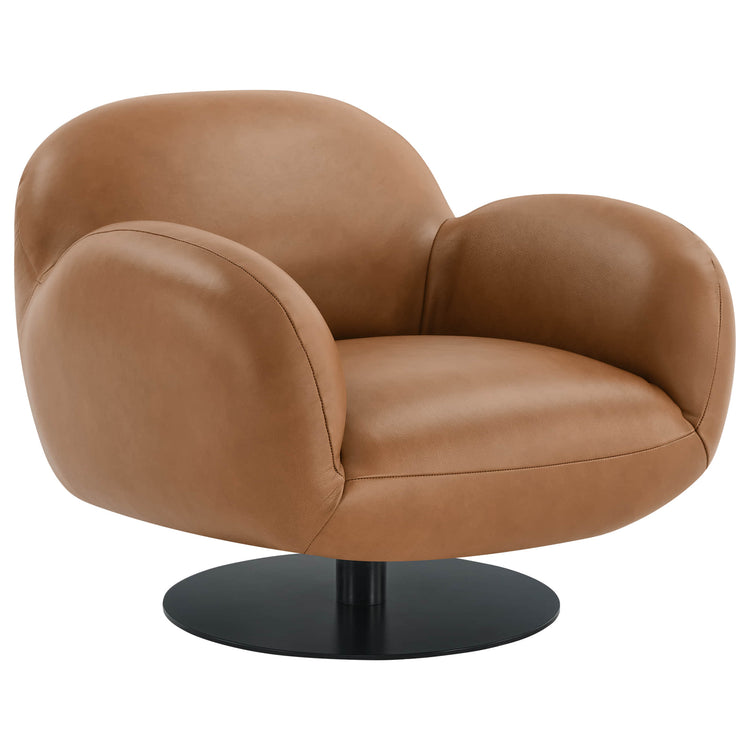
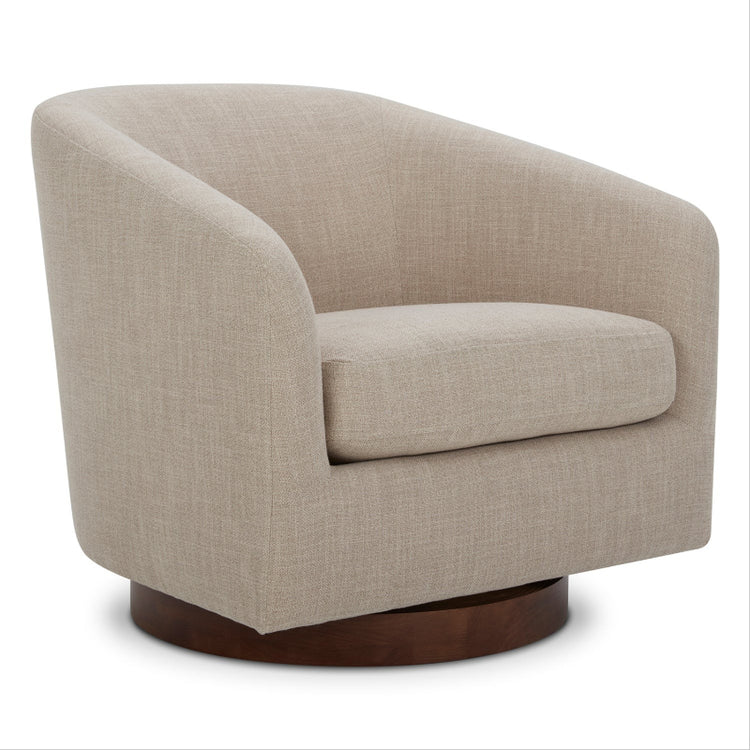



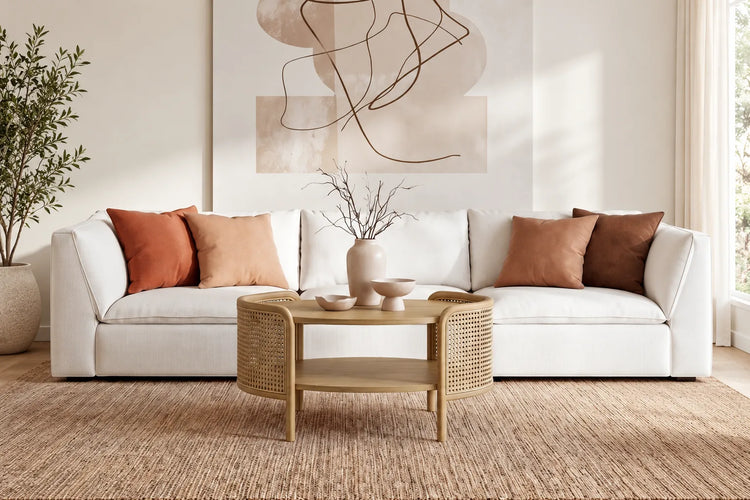
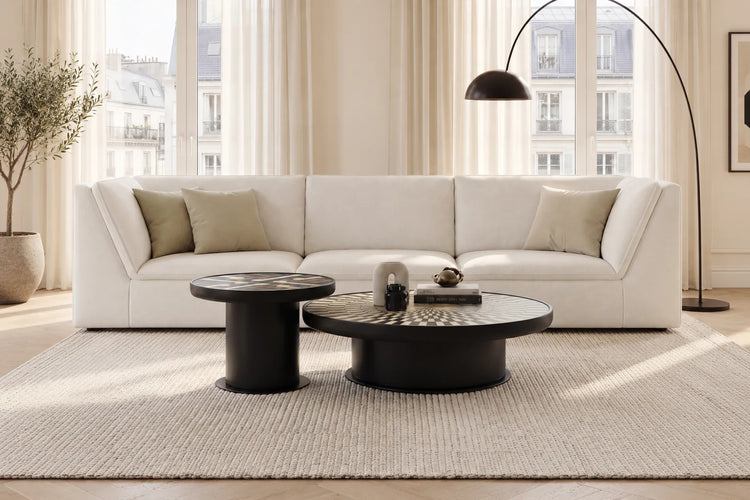










In a multi-generational living room, one shared space must comfortably and safely serve toddlers, busy adults, and aging parents at the same time. Modular power seating solves this by letting families create personalized comfort stations within a single sectional: deeper, softer zones for lounging and firmer, lift-assisted seats for easier standing. The key is deliberate zoning that protects circulation paths and matches seat firmness to each user's needs rather than forcing one style on everyone.

Why the 2026 Living Room Demands Multi-Generational Modularity
Multi-generational households continue to grow as adult children care for aging parents while raising their own kids. One living room now handles everything from floor play for toddlers to evening reading for grandparents and movie nights for the whole family. This demands furniture that adapts without creating visual clutter or safety hazards.
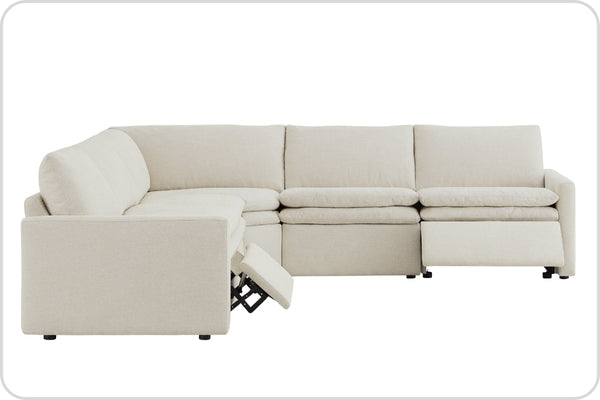
Modular power seating functions like a Swiss Army knife for these shared spaces. Individual modules can be rearranged to form quiet reading nooks, deep lounge areas, or accessible pathways. Power features such as independent headrest, lumbar, and footrest controls allow each person to dial in their ideal position. Yet this flexibility only works when families first map their specific motion and support needs instead of buying based on looks alone.
A 5-seat sectional that blocks the main walkway quickly becomes frustrating. Prioritizing circulation over maximum seating is essential. Mixing support levels within the same configuration—soft modulars for lounging paired with firmer lift options for seniors—prevents the common regret of a stylish setup that some family members cannot use independently. Mapping the full motion envelope of power recliners before placement protects both rear and front clearance from traffic.
Bridging the Firmness Gap: Choosing the Right Modular Seats
Many families wonder whether modular power seating provides enough support for older adults. The answer depends on separating seat height from firmness. AARP guidance recommends seat heights of 18-20 inches with firm cushions that prevent sinking and aid sit-to-stand movements (AARP HomeFit Guide).
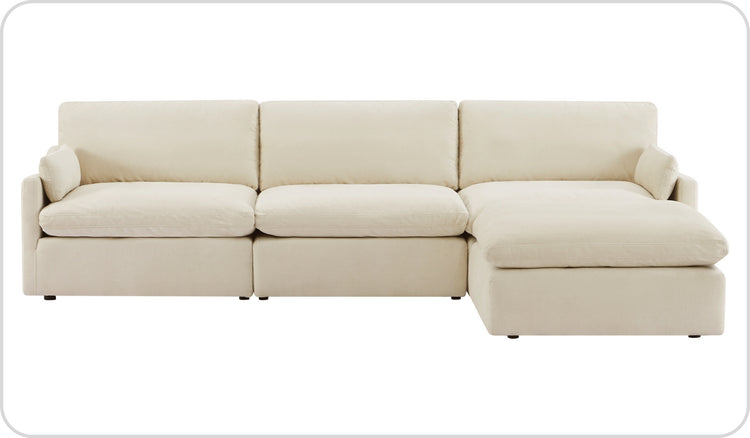
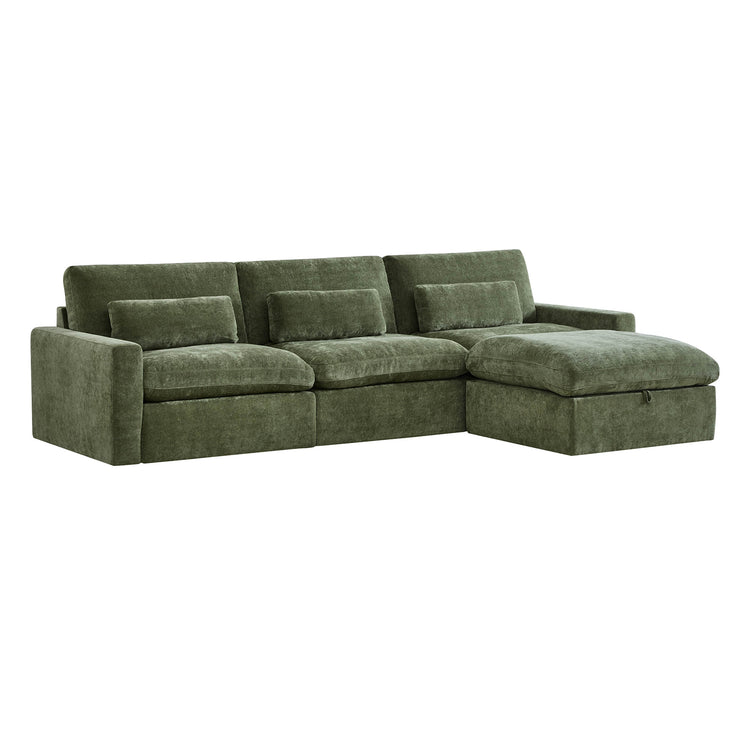
Chita's Sophia collection offers a 20-inch seat height while Oliver and Skyline sit at 19.7 inches, placing them squarely in the recommended range. However, these modular sectionals are rated soft to medium (2-3 out of 5), which delivers plush comfort that younger family members love but can make rising more difficult for seniors with limited mobility. This creates the firmness paradox: the same deep, cloud-like cushions that encourage lounging can trap users who need a stable push-off point.
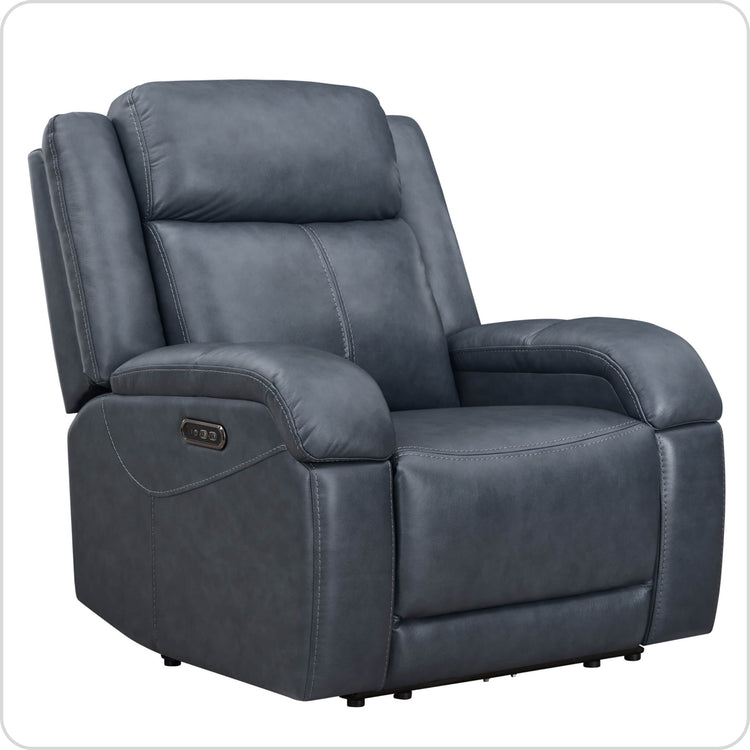
The practical solution is strategic pairing rather than expecting one cushion type to serve all needs. Use a Sophia or Oliver modular sectional for the main shared lounging zone, then integrate a dedicated firmer lift chair such as the Garrison at the primary entry and exit path. This approach turns the firmness issue into a configuration opportunity, creating personal comfort stations where each generation gets appropriate support without splitting the room into separate furniture groups.
This chart helps visualize the trade-offs. Soft modular sectionals excel at family lounging but require a firmer lift option nearby for seniors who need reliable standing assistance. Do not rely on soft modulars alone for users with significant mobility limitations.
How to Zone Your Living Room for Accessibility and Flow
Power recliners can easily turn a stylish room into an obstacle course if their motion envelopes cut across main pathways. Universal design standards recommend maintaining a 5' x 5' (60-inch) clear turnaround space in the living room to accommodate mobility aids and wheelchairs (Aging in Place Guide). Treat this open area as a protected central circulation pocket rather than extra space sprinkled around every seat.

Place power reclining modules on the outer edges of the layout where their required 4-6 inches of rear wall-hugger clearance and forward footrest swing will not interrupt the main 5-foot turning zone. Use the back of a modular sectional to naturally define a quiet senior reading area on one side and an open play zone for children on the other without adding physical walls.
This zoning strategy works only when you map motion footprints before buying. For more details on planning these clearances, see our The 2026 Master Guide to Power Reclining Sectionals: Engineered Comfort Meets Modern Design. Families who skip this step often end up with beautiful furniture that restricts movement for grandparents or creates tripping hazards for toddlers. Prioritize the 60-inch clear space first; if your room cannot support it, focus on preserving at least a 36-inch clear path from the main entry to the senior's primary seat.
Smart Features for 2026: Safety and Tech Integration
Look for power sectionals that offer independent controls for headrest, lumbar, and footrest so each family member can adjust without affecting others. These features create true personal comfort stations that accommodate varying body types in one piece of furniture.
Safety becomes non-negotiable in multi-generational homes. Secure power cords along baseboards or use cord covers to eliminate trip hazards for toddlers and those using walkers. Position recliners so extended footrests do not block primary walkways. Performance fabrics with stain-resistant, easy-clean properties prove essential when spills from snacks, drinks, and accidents are inevitable.
Our The 2026 Buyer's Guide to Pet and Kid-Proof Modular Sofas explores fabric choices in depth. Zero-gravity positions in collections like Skyline can also support circulation and lower back relief, making them valuable for adults recovering from long workdays or minor injuries.
Implementation Checklist: Planning Your Shared Space
Successful multi-generational living rooms begin with measurement, not inspiration. First calculate the full motion footprint of every power module you are considering, including rear wall clearance and full footrest extension. Mark the protected 5-foot turning circle on your floor plan before moving any furniture.
Choose a central zoning anchor such as a U-shaped Sophia modular sectional to define the main seating area while leaving circulation lanes open on the perimeter. Test the knee-bend rule for senior seats: when sitting, feet should rest flat on the floor with knees at roughly 90 degrees. If a modular feels too deep and soft for reliable standing, add a lift chair like the Garrison at that position.
Revisit the layout every six to twelve months as family needs evolve. A configuration that works when children are small may need adjustment when grandchildren begin crawling or when grandparents require additional support. Keep at least two modular units uncommitted so you can reconfigure without buying entirely new pieces.
If full 5-foot clearance simply is not possible in your space, prioritize the 36-inch clear path from the entry to the primary senior seat and accept that some reclining positions will require temporary rearrangement.
FAQs
How Much Clearance Do Power Recliners Need in a Multi-Generational Living Room?
Wall-hugger power recliners typically require 4-6 inches behind the unit, while standard recliners need 12-18 inches. Always add at least 24-36 inches in front for full footrest extension. Map these zones on your floor plan before purchase to ensure they do not intersect the central 5-foot turning circle required for safe mobility.
Can a Single Modular Sectional Work for Both Seniors and Young Children?
Yes, when you deliberately mix support levels. Assign softer, deeper modules for children's lounging and movie nights while reserving a firmer lift chair or high-support module at the easiest stand-up location for seniors. This mixed configuration prevents the common problem of a plush sectional that looks perfect but leaves older adults needing assistance to rise.
What Seat Height Is Best for Seniors in Shared Family Rooms?
Seat heights of 18-20 inches allow most seniors to keep feet flat on the floor and rise more easily. Many Chita modular options fall in this range, but pair them with armrests at the correct height and consider adding a lift mechanism if firmness is too soft for independent standing.
How Do You Prevent Tripping Hazards With Power Cords and Footrests?
Route cords along walls with protective covers, select wall-hugger models that minimize rear space needs, and position reclining modules on the room perimeter so footrest swing arcs stay out of main walkways. Regular layout reviews as children grow or mobility needs change help catch new hazards early.
Is Modular Power Seating Worth the Investment for Multi-Generational Homes?
It is when your household has at least three distinct user types with different height, firmness, or mobility requirements. The ability to reconfigure without buying new furniture and the long-term accessibility gains usually outweigh the higher initial cost compared with static sofas, provided you measure motion footprints and plan zones first.
What Fabrics Work Best in Homes With Kids, Pets, and Seniors?
Performance fabrics with high abrasion ratings and built-in stain resistance handle spills, pet hair, and frequent cleaning without showing wear. Look for collections offering removable, machine-washable covers so you can maintain hygiene easily while keeping the sectional looking fresh for years of family use.
Recommended Products

More to Read
 7 Sofa Trends That Actually Improve Comfort in 2026
Upgrade your living room with furniture that supports your body. Here are 7 modern sofa features designed to maximize your daily comfort...
7 Sofa Trends That Actually Improve Comfort in 2026
Upgrade your living room with furniture that supports your body. Here are 7 modern sofa features designed to maximize your daily comfort...
 Mother's Day Gift Guide: Cozy and Stylish Furniture Picks for Modern Moms
Make Mother's Day more meaningful with furniture gifts that bring comfort, smart features, storage, and quiet luxury into her everyday routine.
Mother's Day Gift Guide: Cozy and Stylish Furniture Picks for Modern Moms
Make Mother's Day more meaningful with furniture gifts that bring comfort, smart features, storage, and quiet luxury into her everyday routine.
 Performance Fabric Reality Check: Does It Really Repel Pet Hair and Stains?
Performance fabric is often marketed as a miracle solution for homes with pets and kids, but the reality is more nuanced. It...
Performance Fabric Reality Check: Does It Really Repel Pet Hair and Stains?
Performance fabric is often marketed as a miracle solution for homes with pets and kids, but the reality is more nuanced. It...