




























Night Feeding Layout Ideas with nursery glider recliners

A nursery glider recliner works best when it shortens the 2 a.m. routine, keeps the room calm, and makes the return to a firm, flat sleep surface simple. For most parents, the right layout matters more than decor, especially in a small nursery or shared bedroom where every step and every sound can ripple through the night.

Plan the Night-Feeding Zone First
Start with workflow, not style. The safest, easiest-feeling night-feeding corner is the one that reduces wandering, avoids clutter, and makes it simple to move from feeding back to sleep. The American Academy of Pediatrics emphasizes returning babies to a firm, flat sleep surface after feeding, so the layout should support a quick, repeatable loop rather than a long stay.
Choose the Chair's Exact Placement
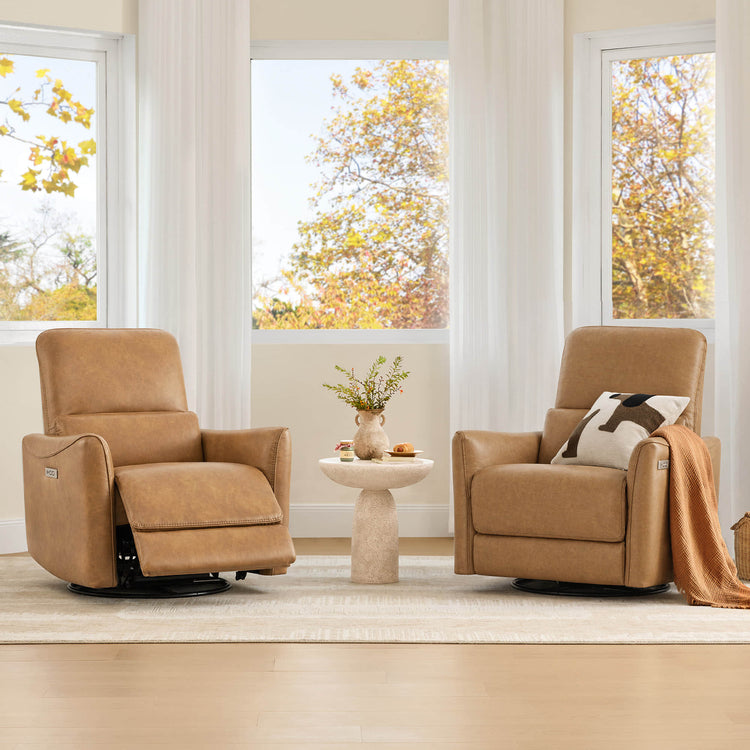
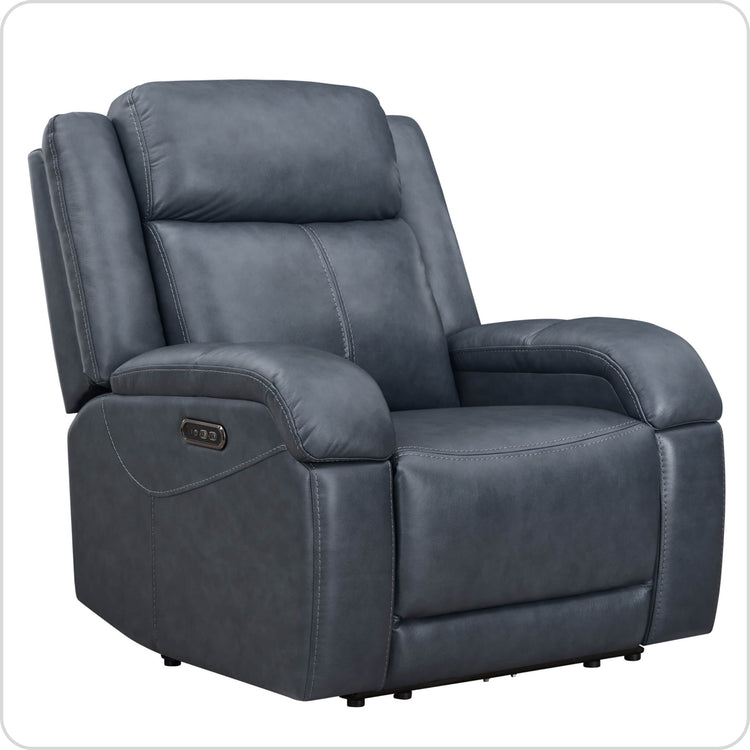
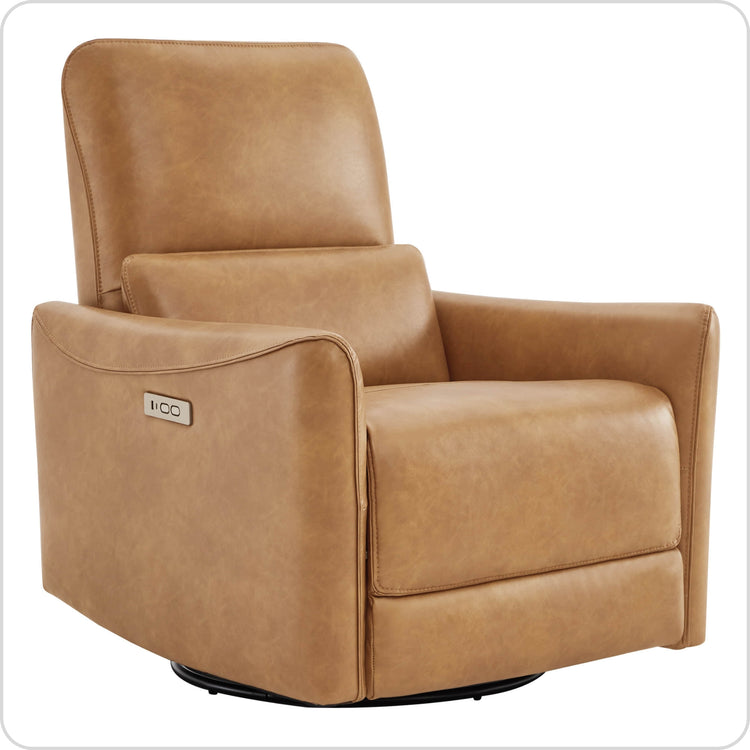
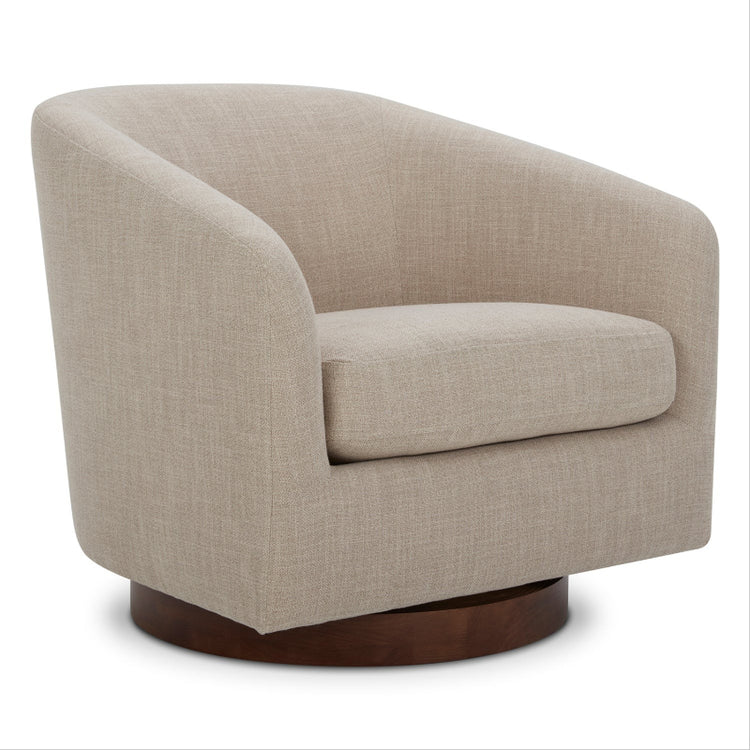
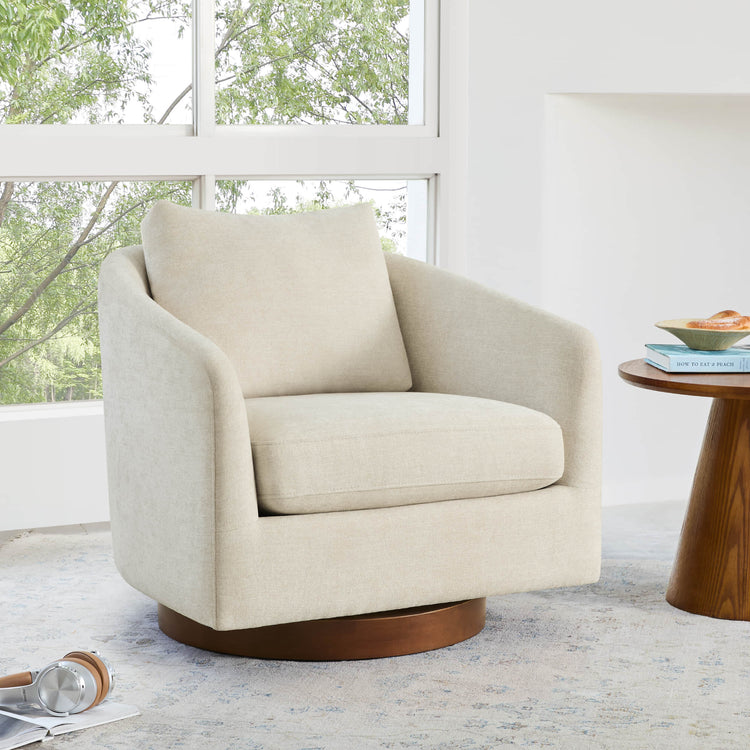
Place the nursery glider recliner where you can sit, stand, and pivot without bumping the crib, dresser, or door swing. In a tight room, a corner or wall-adjacent spot often works better than floating the chair in the middle, as long as the seat still has room to glide or recline comfortably.
If you can orient the chair toward the crib or bassinet, it may help you check on baby without turning on extra lights. That small convenience can matter when you are half-awake and trying to keep the room quiet.
Leave Room for the Nighttime Path
Keep the walk path clear from bed, doorway, and changing area so you are not stepping around rugs, bins, or chair legs in the dark. The goal is not a perfect showroom floor plan. It is a route that stays simple when one hand is holding a baby and the other is reaching for a burp cloth.
A dedicated nursery chair is usually a better night-feeding choice than a soft couch or oversized armchair, because structured seating lowers the odds of dozing off in a risky spot. That does not make the chair a safe-sleep tool. It just means the room should make the right sequence easier: feed, settle, return baby to bed.
Build a Small Landing Zone
Give yourself one compact surface within arm's reach for water, burp cloths, diapers, wipes, and a phone. A small side table or basket is usually enough. If the surface grows into a catchall, the feeding corner starts stealing focus from the actual routine.
Keep only the overnight basics there. Daytime extras can live elsewhere so the zone stays easy to reset. The fewer items you have to sort through at 3 a.m., the less likely you are to wake fully and stay awake too long.
How to Size a Small Nursery Around a Glider
In a compact nursery, the chair fit question comes before color, fabric, or extra features. A good-looking recliner that crowds the room can make every feed feel harder. The safer bet is to measure, place, and test the layout in the room you actually have.

- Measure the floor space you can truly use, not just the empty patch you see from the doorway.
- Mark where the chair will sit, then check the full motion path for glide, swivel, and recline.
- Confirm that drawers, closets, and the door still open without conflict.
- Add one small landing surface, then test whether you can reach it while seated.
- Walk the route in low light to see whether anything feels tight, awkward, or easy to bump.
Small nursery layouts often fail when the chair looks fine in isolation but ignores clearance. A practical guide to small-space nursery glider fit makes the same point: the motion zone matters as much as the footprint. For readers, that means a chair is a better fit when it leaves room for motion and daily access, not just sitting.
If you are torn between a more generous chair and a tighter setup, choose the tighter one only if the path stays clear and storage still opens cleanly. Otherwise, the room will feel smaller every night.
What Matters Most in a Night-Feeding Chair
The best nursery glider recliner is not the one with the most features. It is the one that supports repeated feeds without adding strain, noise, or cleanup friction. During frequent night sessions, the difference between "nice" and "needed" shows up fast.
The ergonomics side is real. Repetitive feeding sessions can create discomfort in the neck, shoulders, and lower back, and breastfeeding ergonomics guidance points to lumbar support, arm support, and a stable seated position as practical helps. In plain terms, if the chair leaves you twisting, hunching, or shrugging your shoulders, it is working against the routine.
| Feature | Why It Matters At Night | Best Fit For Small Rooms | What To Check Before Buying |
|---|---|---|---|
| Supportive back, arm, and head positioning | Helps you stay relaxed during repeated feeds | Better when the room is small and the feed times are frequent | Sit long enough to notice whether your neck, lower back, and elbows feel held up |
| Quiet, smooth motion | Reduces disruption when the room is dim and everyone is tired | Especially useful in a shared bedroom nursery | Move the chair in the actual room and listen for squeaks, bumps, or abrupt stops |
| Compact footprint | Leaves room for the crib, dresser, and walking path | Often the deciding factor in smaller nurseries | Check that the chair does not block drawers, outlets, or the door swing |
| Easy-clean upholstery | Helps with milk, spit-up, lotion, and wipe-downs | Useful in every nursery, but especially high-use corners | Read care instructions before you buy and make sure the fabric matches your cleanup habits |
| Charging or nightlight features | Cuts down on extra trips and extra lamps | Handy in shared rooms if it stays simple | Confirm that convenience features do not make the chair bulkier or harder to place |
That is why the category usually beats generic living-room seating for a nursery. The chair should support the caregiver first, then fit the room, then simplify cleanup. If a model only looks cozy but does not help with posture or reach, it is probably not the right night-feeding chair.
For a deeper shopping pass, compare your shortlist against nursery recliner features before deciding which extras actually matter in your room.
Set Up Lighting, Storage, and Cleanup
Once the chair fits, the rest of the setup should reduce resets. A night-feeding zone works best when the room stays dim, the essentials stay close, and cleanup does not become another project. The CPSC's nursery safety tips support a conservative approach: keep the area clear and use lighting that does not flood the room.
Use Light That Helps Without Waking Baby
A dim, directional light is usually the safest conservative choice for a night-feeding zone. It gives you enough visibility to handle feeding, burping, and diaper changes without turning the nursery into full daytime mode. If the chair includes a built-in nightlight, treat it as a convenience feature, not a replacement for thoughtful room lighting.
Avoid bright overhead light when you can. In real use, that is one of the easiest ways to fully wake both the baby and the caregiver. A calm glow is usually more useful than a stronger lamp that forces everyone into alert mode.
Keep Supplies in One Reach Zone
Group the items you use every night into one reach zone. Water, burp cloths, wipes, diapers, and a spare onesie are the obvious basics. A narrow side table or small caddy often works better than a larger storage piece because it stays within reach without crowding the chair.
Restock the zone before bed. That small habit can save several trips and prevent the common midnight problem of realizing one key item is in another room. The less searching you do, the easier it is to settle back down after the feed.
Choose Spill-Friendly Materials and Accessories
Night feeding corners see milk, spit-up, and the occasional lotion spill, so easy-clean upholstery is worth serious attention. Performance fabrics or other wipeable finishes are not magic, but they usually make the reset faster and less annoying.
If you expect frequent spills, favor a chair and accessories that clean up with minimal effort. Removable baskets, wipeable surfaces, and simple covers reduce the chance that the feeding corner turns into a messy catchall. When cleanup is easy, you are more likely to keep the space ready for the next wake-up.
For upkeep beyond the nightly wipe-down, this cleaning guide is a useful place to check care steps before stains become a problem.
Build Your Nursery Glider Recliner Checklist
Before you buy, use a pass-fail check instead of a comfort score. If the chair does not fit the room, support repeated feeds, and clean up reasonably well, it is not the right choice for a night-feeding setup.
- Confirm that the chair clears the room in its full motion, not just when parked.
- Make sure the path from bed, door, or changing area stays open in low light.
- Sit in the chair long enough to judge back, arm, and neck support.
- Check whether the upholstery matches your spill and cleanup habits.
- Verify that any nightlight, charging port, or power feature adds convenience without making placement harder.
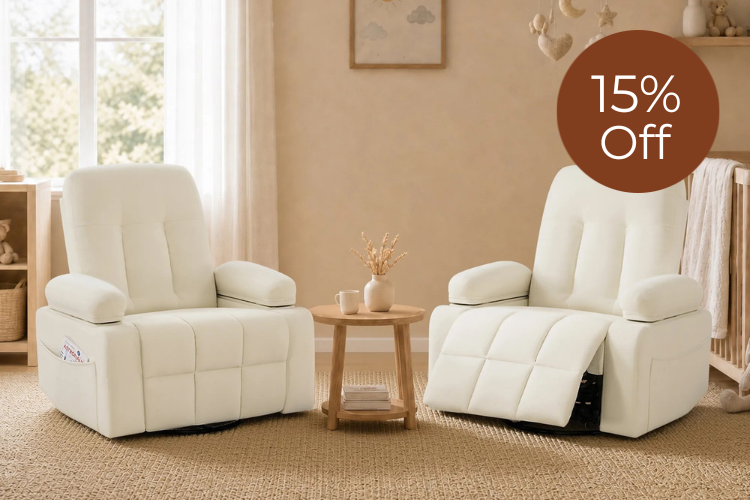
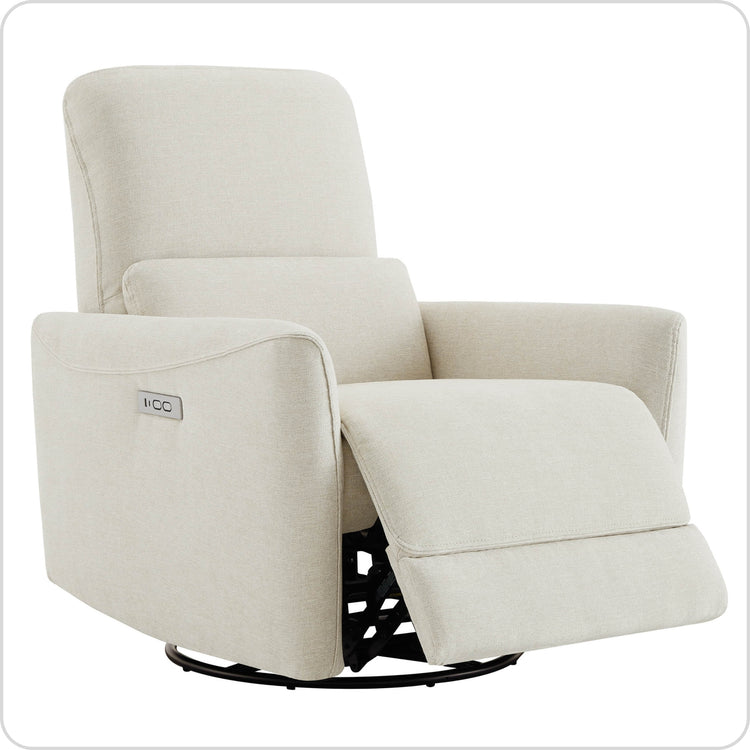
If your room is compact, the right choice is usually the chair that keeps the workflow simple, not the one with the longest feature list. A power swivel recliner can be a useful option to review when you want a more feature-rich layout, but only if the room still passes the clearance and reach checks.
Final Takeaway
The best night-feeding setup is the one that keeps the route short, the light low, and the cleanup easy. A nursery glider recliner earns its place when it supports the caregiver, fits the room, and helps you return baby to a firm, flat sleep surface without extra friction. If you are comparing options, start with fit, then comfort, then convenience.
Related Resources
- quiet power recliners
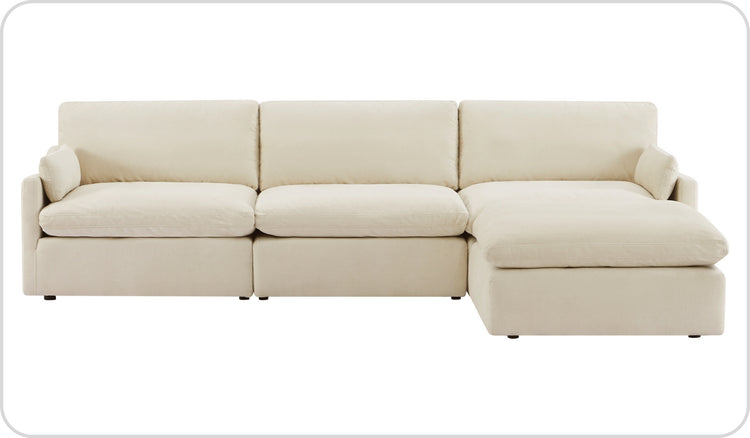
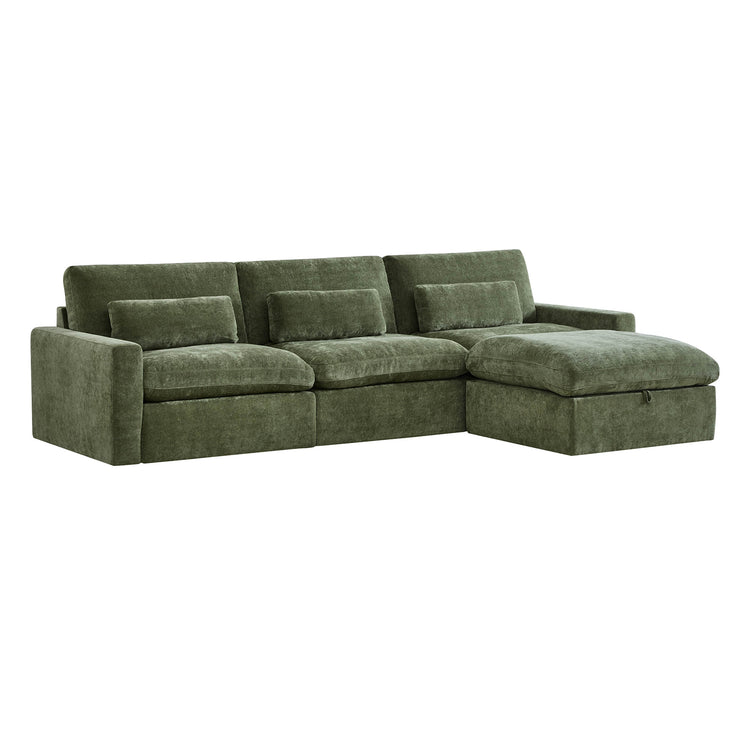
- Easy-Clean Sofas
- Lulla Power Swivel Nursery Glider Recliner with Power Headrest and Nightlight
- Vinca Power Swivel Nursery Glider Recliner with Power Lumbar & Headrest
- Decoding Upholstery Standards: The 2026 Guide to Performance Fabric Durability
FAQs
How Should I Place a Nursery Glider Recliner in a Small Room?
Place it where you can sit, stand, and pivot without blocking the crib, dresser, or door. In a small room, a wall-adjacent or corner layout often works best, as long as the chair still has room to recline or glide and does not interrupt the walking path.
What Features Matter Most for Night Feeding?
Prioritize support, quiet motion, easy reach, and wipeable materials. Extras like nightlights or charging ports can help, but they should not make the chair harder to place or less comfortable for longer feeding sessions.
Can a Power Glider Work in a Bedroom Nursery?
Yes, if the chair still fits the room and does not complicate access for the other adult or the door swing. In a shared bedroom nursery, convenience features matter most when they stay compact and do not add clutter or extra noise.
What Should I Keep Next to the Chair for Overnight Feeds?
Keep only the essentials within reach, such as water, burp cloths, wipes, diapers, and a spare onesie. A small side table or caddy is usually enough. The goal is to reduce searching and avoid walking away from the chair during a feed.
How Do I Clean a Nursery Chair After Spills?
Follow the manufacturer's care instructions first, then match the cleaner to the upholstery. If spills are frequent, a chair with easy-clean or performance fabric can reduce the amount of time you spend resetting the space after each feed.
Recommended Products


More to Read
 7 Sofa Trends That Actually Improve Comfort in 2026
Upgrade your living room with furniture that supports your body. Here are 7 modern sofa features designed to maximize your daily comfort...
7 Sofa Trends That Actually Improve Comfort in 2026
Upgrade your living room with furniture that supports your body. Here are 7 modern sofa features designed to maximize your daily comfort...
 Mother's Day Gift Guide: Cozy and Stylish Furniture Picks for Modern Moms
Make Mother's Day more meaningful with furniture gifts that bring comfort, smart features, storage, and quiet luxury into her everyday routine.
Mother's Day Gift Guide: Cozy and Stylish Furniture Picks for Modern Moms
Make Mother's Day more meaningful with furniture gifts that bring comfort, smart features, storage, and quiet luxury into her everyday routine.
 Performance Fabric Reality Check: Does It Really Repel Pet Hair and Stains?
Performance fabric is often marketed as a miracle solution for homes with pets and kids, but the reality is more nuanced. It...
Performance Fabric Reality Check: Does It Really Repel Pet Hair and Stains?
Performance fabric is often marketed as a miracle solution for homes with pets and kids, but the reality is more nuanced. It...