








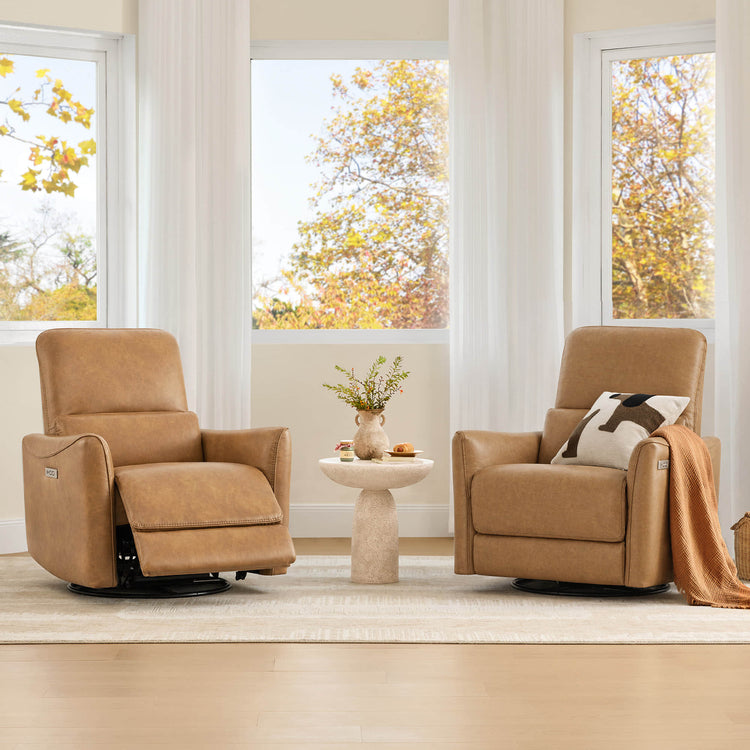
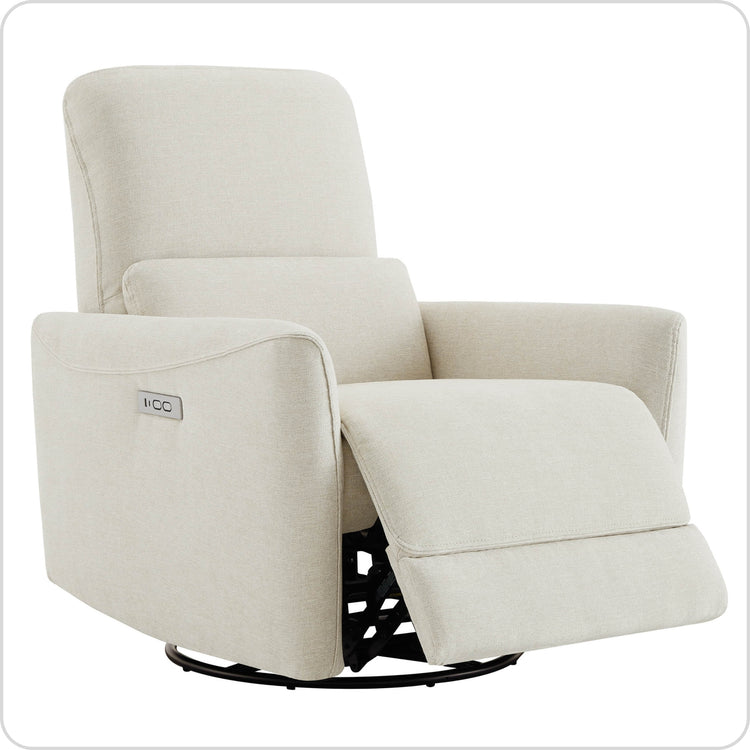
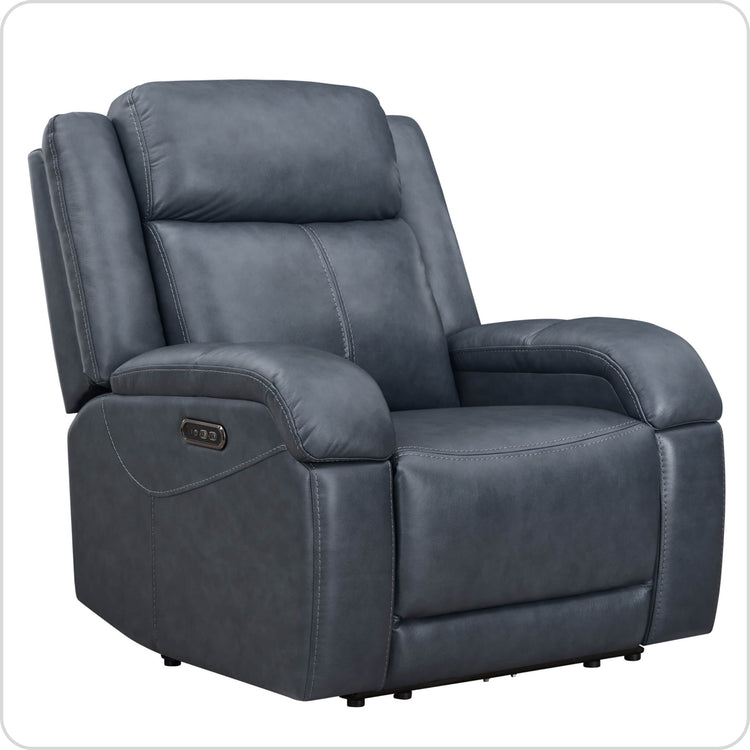
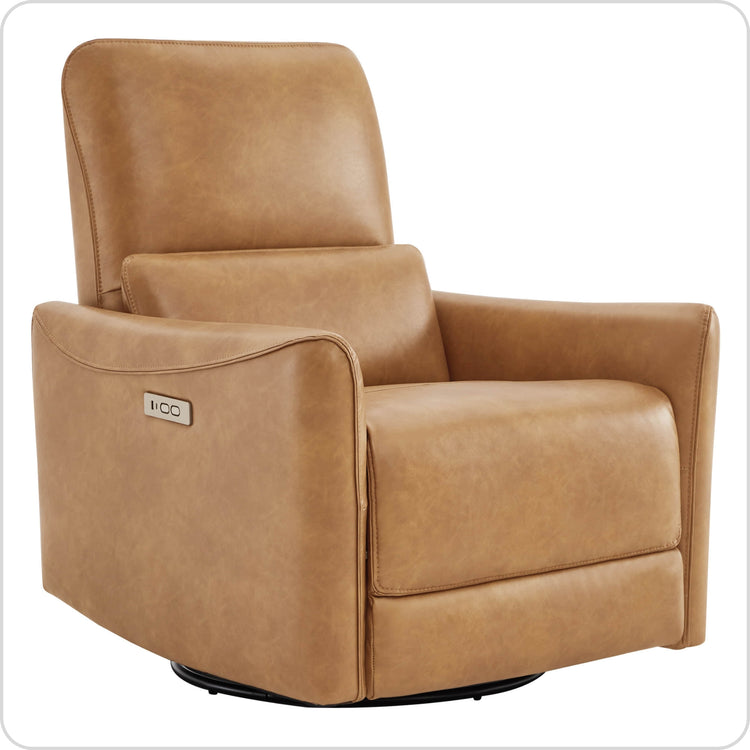














How to Choose recliners for daily naps

A good answer to how to choose recliners for daily naps is to look for supported reclining, steady head and leg support, and a chair that still feels comfortable after repeated use. If a recliner only feels good upright or only looks plush in the showroom, it is usually not the right daily-nap pick.

What Makes a Recliner Good for Daily Naps
For daily naps, the goal is not maximum softness. It is a resting position that lets the body settle without feeling propped too upright or tipped so far back that it becomes awkward. A recliner that works for short, repeated naps should balance recline angle, head support, and leg support.
That matters because reclined rest is usually about comfort and position, not a miracle fix. Healthline's overview of sleeping in a recliner notes that reclined sleeping can help some people in specific situations, while Mayo Clinic's guidance on the best sleeping position puts more emphasis on keeping the head and neck in a neutral position. In plain terms, the chair should let you relax without cranking your neck forward or forcing your shoulders to tense up.
A nap-friendly recliner also needs to feel good after several minutes, not just the first sit. Research on seating comfort shows that pressure distribution and peak pressure points affect long-term comfort, especially around the hips and thighs. That is why a chair that feels instantly plush can still turn into a bad daily-nap choice if pressure builds too quickly.
Decision sentence: If a chair only feels comfortable when it is fully upright, it is not a strong daily-nap fit. Decision sentence: If it supports the head and legs without creating a bent-neck feeling, it is worth keeping on the list. Decision sentence: If it starts to feel annoying after ten or fifteen minutes, it will probably frustrate you again later.

Recline Angle and Body Position
The best nap angle is usually the one that lets your back relax while your body still feels settled. Too upright, and you may never fully rest. Too flat, and the chair may stop feeling like a recliner and start feeling like an awkward bed substitute. Adjustable recline matters because different people rest best at different positions.
Head, Neck, and Shoulder Support
Head support is one of the first things to check because a nap chair that leaves your head floating in space will usually feel wrong fast. A headrest or well-shaped back can help the neck stay neutral during a short rest break. Shoulder room matters too, especially if you tend to nap while slightly turned or while holding a pillow.
Seat Feel and Everyday Comfort
The seat should feel balanced, not marshmallow-soft. A very soft chair can be pleasant for a few minutes, but it may make standing up harder and may lose support sooner. For daily naps, look for a seat that feels supportive at the hips and still comfortable at the edges where your thighs rest.
Features That Matter Most
When you compare recliners for daily naps, sort features into two groups: what improves the nap, and what mainly adds convenience. That keeps you from paying extra for features that sound impressive but do little for repeat rest.
The zero gravity position is a good example. Wired describes it as a NASA-inspired reclining posture that places the legs slightly above the heart, but for shoppers it is best treated as a positioning preset, not a health promise. In practice, it can be useful if it helps you find a more settled resting angle.
Here is the simplest way to prioritize features:
| Feature | Why It Matters For Daily Naps | Best Use Case |
|---|---|---|
| Power recline | Easier micro-adjustments and repeatable positioning | Buyers who nap often and change angle a lot |
| Power headrest | Helps keep the head from slumping | Short naps, reading, and TV breaks |
| Zero gravity positioning | Can make it easier to settle into a reclined posture | Users who like a more lifted leg position |
| Breathable upholstery | Can feel less stuffy in warm rooms | Afternoon naps or longer rest sessions |
| Zero-wall or wall-hugger design | Mainly helps with room placement | Smaller rooms or tighter wall clearance |
Decision sentence: If a feature does not improve positioning, comfort, or room fit, it is probably optional. Decision sentence: If it helps you reach your preferred nap posture quickly and repeatably, it is worth more than a decorative extra. Decision sentence: If the feature mainly saves space, treat it as a placement solution, not a comfort upgrade.
For readers who want a deeper look at power-seat build quality and feature matching, the internal guide on power seating basics is a useful next stop. If you want a broader comfort angle, the wellness recliner overview is a good background read.
Manual vs. Power Recliners for Napping
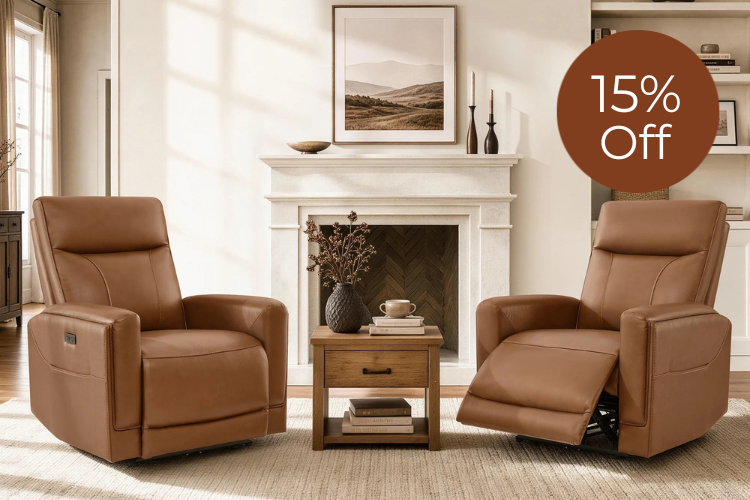
For daily naps, power recliners usually win on convenience because they let you fine-tune the angle without much effort. That matters if you change positions often, share the chair, or like to settle into the exact same nap posture every day. Manual recliners can still work well if the motion feels smooth and the adjustment range matches your routine.
| Type | Adjustment Effort | Position Control | Nap Convenience | Space Considerations | Best Fit |
|---|---|---|---|---|---|
| Manual recliner | More physical effort | Good, but less precise | Solid for occasional napping | Often simpler, sometimes lighter | Buyers who want a straightforward chair |
| Power recliner | Easier and more precise | Better fine-tuning | Strong for frequent daily use | Needs power access and control placement | Buyers who nap often or share the chair |
Manual is not worse by default. It becomes the weaker choice only when you care about repeatable micro-adjustments, limited effort, or easier position changes. Power is not automatically better either. It can be overkill if you only nap once in a while or if you do not want cords, plugs, or extra controls.
For shoppers comparing mechanisms more closely, the internal article on power versus manual recliners is a practical companion piece.
Materials and Cushioning for Repeat Comfort
The upholstery and cushioning should support repeated use, not just the first few minutes. For afternoon naps in warmer rooms, breathable upholstery can make the chair feel less stuffy. For easier cleanup, leather often appeals to households that want a wipeable surface, while fabric can feel softer and more casual depending on the build.
Pressure distribution matters here too. Research on seating comfort suggests that pressure points, especially around the hips and thighs, shape how a chair feels over time. That is why cushion feel should be judged by how the seat spreads your weight, not just by whether it feels plush at first touch.
A useful rule of thumb is to treat dense cushioning as a support-retention cue, not a promise. It may help a recliner keep its shape better across repeated use, but comfort still depends on the full build, including seat depth, back shape, and how the foam or fill feels after longer sitting.
If you are choosing for a shared living room, think about maintenance too. Pets, spills, and frequent cleaning all change what "comfortable" really means. A chair that looks luxurious but is annoying to clean can become the wrong nap chair very quickly.
If you are comparing materials, the internal durability guide on performance fabric standards can help you read upholstery claims more carefully. For a navigation-first look at a leather option with comfort-focused features, you can also check the heated and cooled recliner, but verify the spec details before buying because the public fact pack is limited.
Match the Chair to Your Room and Routine
Room fit can decide whether a great-feeling recliner is actually practical. A chair that looks fine online may crowd a bedroom, block a side table, or make it hard to walk around once it arrives. Measure the footprint, then think about the extra room needed when the chair reclines.
This is where zero-wall and wall-hugger designs matter. They mainly solve rear-clearance and placement constraints, which can be helpful in apartments, dens, or smaller living rooms. They are not automatically more comfortable; they simply make certain layouts easier to live with.
Your routine matters too. If the chair is also for reading or TV, you may want easier controls and a headrest that does not fight your posture. If it is mainly for quick afternoon naps, prioritize the angle and support that help you settle down fast.
A small room does not disqualify a recliner, but it does change the shortlist. If clearance is tight, start with placement first and styling second. If the chair will sit in a shared space, make sure it still works when other people need to pass by or use the room.
For readers who want to browse space-saving options, the zero-wall recliner option and the wall-hugger leather recliner are useful navigation points, but they should be checked against your room measurements rather than assumed to fit. If you want a broader browse path, the swivel recliner sale section can help you compare styles.
Use This Final Fit Test Before You Buy
Before you buy, use a simple pass-or-fail test. First, sit in the chair long enough to see whether your head, neck, and legs settle comfortably. Second, check whether the seat still feels supportive after a few minutes, not just at first touch. Third, measure the room and confirm the chair can recline without becoming a traffic problem.
Fourth, test the controls or mechanism. If the chair is hard to adjust, the daily routine will feel less inviting. Fifth, choose the material based on your room temperature, cleaning habits, and how often the chair will be used by more than one person. Sixth, confirm return and warranty terms before you commit.
If the chair passes those checks, it is much more likely to work as a daily-nap chair instead of a showroom impulse buy. If it fails any of the first three, keep shopping. You can also start with the best-selling recliner selection to compare popular options in one place.
FAQ
What Recline Angle Is Best for Daily Naps?
The best angle depends on the person, but the chair should let you relax without feeling forced upright or stretched too flat. If your neck stays neutral and your legs feel supported, you are closer to the right setup than if you are constantly readjusting.
Is a Power Recliner Better Than a Manual Recliner for Napping?
Usually, yes, if you nap often or like to fine-tune position. Power recliners make small adjustments easier. Manual recliners can still work well when the motion is smooth and you do not mind using more effort.
Which Upholstery Feels Best for a Nap Chair?
There is no single best choice. Breathable fabric can feel easier in warm rooms, while leather can be simpler to wipe clean. The best pick usually depends on room temperature, maintenance habits, and whether the chair sits in a shared space.
How Much Space Do You Need Around a Recliner?
It depends on the design and how the mechanism moves. Measure the chair's footprint, then add room for recline movement and walking space. If the room is tight, a wall-hugger style may be worth checking.
Can a Recliner Work for Reading and TV as Well as Naps?
Yes, if the head support, controls, and seat feel all work across those uses. The best multitask recliner is the one that fits your main routine, not the one with the most features on the tag.
Recommended Products


More to Read
 7 Sofa Trends That Actually Improve Comfort in 2026
Upgrade your living room with furniture that supports your body. Here are 7 modern sofa features designed to maximize your daily comfort...
7 Sofa Trends That Actually Improve Comfort in 2026
Upgrade your living room with furniture that supports your body. Here are 7 modern sofa features designed to maximize your daily comfort...
 Mother's Day Gift Guide: Cozy and Stylish Furniture Picks for Modern Moms
Make Mother's Day more meaningful with furniture gifts that bring comfort, smart features, storage, and quiet luxury into her everyday routine.
Mother's Day Gift Guide: Cozy and Stylish Furniture Picks for Modern Moms
Make Mother's Day more meaningful with furniture gifts that bring comfort, smart features, storage, and quiet luxury into her everyday routine.
 Performance Fabric Reality Check: Does It Really Repel Pet Hair and Stains?
Performance fabric is often marketed as a miracle solution for homes with pets and kids, but the reality is more nuanced. It...
Performance Fabric Reality Check: Does It Really Repel Pet Hair and Stains?
Performance fabric is often marketed as a miracle solution for homes with pets and kids, but the reality is more nuanced. It...