























Performance Leather 2.0 upgrades genuine leather with micro-perforation and advanced topcoats, solving the common complaints of heat buildup and easy scratching in busy homes with pets and kids. For most families in 2026, this material offers a practical middle ground between premium aesthetics and real-world resilience, provided you match it to your household's chaos level and accept that no leather is fully puncture-proof. Check perforation density and topcoat specs first before buying.

Performance Leather 2.0: The 2026 Solution for High-Traffic Homes
Traditional leather sofas often become uncomfortably warm and sticky during extended use, while pet claws leave visible scratches that accelerate wear in busy households. These frustrations drive many families to seek better options that maintain a premium look without constant maintenance or early replacement.
Performance Leather 2.0 addresses these issues through targeted innovations in micro-perforation for airflow and protective topcoats for surface durability. The result is seating that feels cooler, cleans more easily, and resists everyday damage better than standard protected leather, making it particularly suitable for 2026 homes with active pets and children.
This evolution does not eliminate all leather limitations. Households with very large or highly energetic dogs may still encounter structural issues from deep claws, and the material still benefits from regular care. Understanding these boundaries early helps set realistic expectations and avoid disappointment.
What is Performance Leather 2.0? A 2026 Material Breakdown
Performance Leather 2.0 is genuine leather classified as Protected Leather or Type P under the ISO 16131:2012 standard. It consists of a natural hide base topped with a pigmented protective coating that delivers uniform color, consistent wear resistance, and easier cleaning without sacrificing the material's core integrity.
Unlike bonded or synthetic alternatives, this remains real leather at its foundation, preserving the long-term structural strength and natural suppleness that many buyers value in premium furniture. The 2026 versions layer advanced polymer chemistry onto the hide to create a multi-functional shield.
The key differentiators are precision micro-perforation across the surface and an updated topcoat formulation. These additions target the two most common failure points in traditional leather: poor breathability during prolonged contact and vulnerability to surface marks from daily life.
For design-conscious buyers comparing options, this classification confirms you are getting authentic leather performance rather than an imitation. Always verify the Type P designation or equivalent testing labels when shopping to ensure the product matches the described benefits.

The Science of Breathability: Why 2.0 Stays Cool Under Pressure
Micro-perforation mechanically creates thousands of tiny holes in the leather hide, allowing air and moisture to move more freely and reducing the trapped heat that makes standard leather feel sticky against skin. This engineering directly tackles one of the biggest comfort complaints in warmer climates or during long family movie nights.
Breathability is quantified through water vapor permeability testing. The ISO 14268:2023 standard provides the international benchmark for measuring how effectively leather allows moisture to escape, offering a reliable way to compare materials rather than relying on subjective feel alone.
Research and testing point to a practical threshold: perforation needs to cover roughly 5-8% of the surface area before it meaningfully boosts vapor permeability beyond decorative levels. Below this range, the holes may look modern but deliver limited real cooling benefit in daily use.
What this means for your home is that not all perforated leather performs equally. When shopping for breathable leather furniture for pets and kids, prioritize pieces that reference functional perforation density or ISO vapor permeability ratings. In high-traffic rooms without strong air conditioning, this difference often determines whether the sofa stays comfortable for hours or becomes unpleasant after thirty minutes.
A simple decision table helps clarify the practical impact:
| Perforation Level | Typical Vapor Permeability | Surface Feel in Warm Rooms | Best For |
|---|---|---|---|
| Low (decorative) | Minimal improvement | Can still feel sticky | Low-use accent pieces |
| Medium (functional 5-8%) | Noticeable airflow | Cooler, less moisture buildup | Family rooms, pet households |
| High | Strong circulation | Most comfortable for extended sitting | Warm climates, heavy daily traffic |
This tiered view shows why Performance Leather 2.0 earns its upgrade label for active households.
Pet-Proof vs. Pet-Friendly: Decoding Scratch Resistance Benchmarks
No leather sofa is truly pet-proof, but 2026 Performance Leather 2.0 offers meaningful improvements in surface scuff resistance that make it far more pet friendly leather couch than traditional options for most households. The distinction between surface marks and deep structural damage is critical for setting accurate expectations.
Surface scratch resistance is evaluated using the Taber Abraser method under ASTM D7255, which measures how well the topcoat withstands repeated friction without visible degradation. Advanced 2026 polymer topcoats excel here, helping minor claw marks remain less noticeable or recover cosmetically over time.
In contrast, the BS EN 13336:2022 guide from BSI emphasizes that even high-spec leathers stay vulnerable to puncture from strong, sharp claws. This is a mechanical limit of the hide itself rather than a failure of the coating.
For families, this translates to a clear filter: Performance Leather 2.0 works well for cats and smaller dogs where scratching tends to stay superficial. Homes with large, energetic dogs that dig or jump aggressively may experience punctures regardless of the topcoat, making a different material or strategic throw blankets a safer choice.
The topcoat's self-healing properties for light scuffs reduce visible wear and simplify cleaning, but they do not eliminate the need for nail trimming or designated pet areas. This relative durability, combined with wipeable surfaces, explains why many 2026 buyers rate it highly for mixed pet and kid environments. Our scratch-resistant performance leather guide provides additional details on limits for recliners.
Engineered for Longevity: Why 2.0 Won’t Crack or Peel
One of the most common long-term complaints with leather furniture is cracking or peeling, especially on motion pieces like power recliners that flex thousands of times per year. Performance Leather 2.0 counters this through improved topcoat elasticity verified by flex resistance testing.
The ISO 5402-1:2022 flexometer method evaluates how well the material withstands repeated bending. Modern formulations in 2026 versions maintain suppleness far longer than older protected leathers, significantly lowering the risk of cracking or delamination under normal family use.
This engineering makes the material particularly suitable for today's popular power reclining sofas and sectionals. The topcoat stays bonded to the hide even with constant movement, addressing the peeling fears that often steer buyers toward fabric alternatives.
In real homes, this longevity benefit appears after 2-3 years when traditional leather might start showing wear at stress points. Regular conditioning still helps, but the 2.0 formulation reduces how often you need to intervene compared to non-performance grades. Check our decoding upholstery standards guide for more on testing metrics.
Performance Leather 2.0 vs. Top Grain: Which is Right for You?
Traditional top-grain leather develops a desirable natural patina over decades and offers an unmatched tactile softness that many enthusiasts prefer for low-traffic formal spaces. However, it typically lacks the protective topcoat and micro-perforation that define Performance Leather 2.0, making it more prone to staining, scratching, and heat buildup in active environments.
Performance Leather 2.0 trades some of that pure natural feel for superior cleanability, breathability, and scuff resistance. The protective layer creates a more uniform appearance and easier maintenance, which proves advantageous in homes with children, pets, or frequent spills.
Your household chaos level should guide the choice. In open-plan living rooms with multiple pets and daily snack time, the performance version usually delivers better real-world satisfaction. For heirloom-quality seating in quieter areas, top grain may still be the more suitable long-term investment.
Explore our snag-resistant performance fabrics guide or performance velvet options if leather does not fit your needs.
Is Performance Leather 2.0 Worth the Investment for Your Home?
Performance Leather 2.0 represents a strong option for most 2026 high-traffic homes when your priorities include easy cleaning, reduced stickiness, and better resistance to everyday pet activity. It excels in family rooms where comfort during extended sitting and quick wipe-downs matter more than developing a deep natural patina.
Before purchasing, run this quick self-check:
- Does your home have multiple pets or children who frequently use the seating?
- Are you in a warmer climate or room without excellent airflow?
- Will the sofa see heavy daily traffic or power-reclining use?
- Can you verify functional micro-perforation (aim for the 5-8% range) and relevant ISO/ASTM certifications?
If you answered yes to the first three and can confirm the fourth, Performance Leather 2.0 is likely worth the premium over standard leather or basic synthetics. It provides the Goldilocks balance of premium appearance and practical resilience that many busy households need.
It is not the best fit for everyone. Homes expecting complete immunity to pet damage, especially from large dogs with powerful claws, should consider reinforced fabrics or protective covers instead. Similarly, those seeking the most authentic, untreated leather experience may prefer top grain despite higher maintenance.
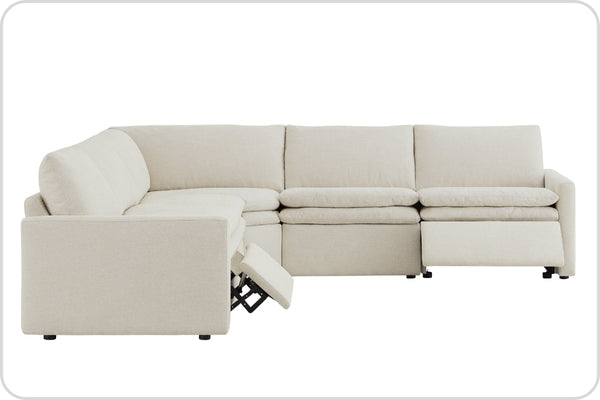
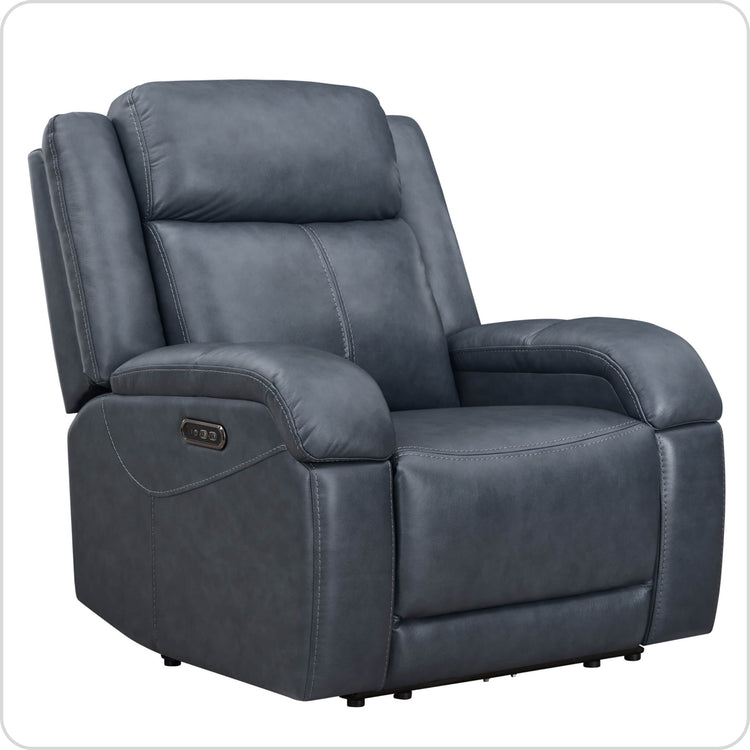
When the conditions align, this material reduces common regrets around heat discomfort and visible wear, delivering a sofa that stays looking and feeling good longer in real family life. Browse our leather recliners or modular sectionals to see compatible styles, such as the Haley modular power reclining sofa, Grady genuine leather recliner, or Leif zero-gravity recliner.
Frequently Asked Questions
How Breathable Is Performance Leather 2.0 Compared to Standard Leather?
Micro-perforation combined with advanced topcoats typically produces noticeably better airflow and reduced moisture buildup than non-perforated protected leather. The improvement depends on achieving sufficient hole density; test results under ISO 14268 help quantify this, but real comfort also varies with room temperature, humidity, and clothing. Many users in warmer regions report it feels significantly less sticky during long sits.
Can Performance Leather Truly Resist Cat and Dog Scratches?
It resists surface scuffs and minor claw marks better than traditional leather thanks to durable 2026 topcoats that limit visibility of light damage. However, deep punctures from strong claws remain possible, particularly with larger breeds. Regular nail care and providing alternative scratching posts greatly extend its usable life. View it as highly pet-tolerant rather than invincible.
How Often Does Performance Leather 2.0 Need Cleaning in a Pet Home?
Its wipeable surface usually requires less intensive care than untreated leather. Most spills and paw prints clean with a damp cloth and mild soap. Plan on a quick weekly wipe-down in active homes plus periodic conditioning every 6-12 months to maintain the topcoat's flexibility. Avoid harsh chemicals that could degrade the protective layer.
Will Performance Leather 2.0 Crack or Peel Over Time?
Quality versions tested to ISO 5402 flex standards show strong resistance to cracking and peeling even on frequently used power recliners. The engineered topcoat remains bonded through thousands of flex cycles. Longevity still improves with occasional leather conditioner and protection from direct sunlight or extreme temperature swings.
Is Performance Leather 2.0 Suitable for Homes in Hot Climates?
Yes, for many households the enhanced vapor permeability helps it feel cooler than standard leather. Look for references to functional perforation levels when comparing models. Pairing the sofa with good room ventilation or air conditioning maximizes the comfort benefit in warmer regions.
What Should I Look for When Shopping for a Performance Leather Sectional?
Prioritize verifiable testing references (ISO 14268 for breathability, ASTM abrasion ratings, flex testing), clear perforation specifications, and a reputable warranty that distinguishes between surface wear and structural damage. Test the material in person if possible to confirm the cool-to-touch feel matches your expectations for daily family use.
Recommended Products


More to Read
 7 Sofa Trends That Actually Improve Comfort in 2026
Upgrade your living room with furniture that supports your body. Here are 7 modern sofa features designed to maximize your daily comfort...
7 Sofa Trends That Actually Improve Comfort in 2026
Upgrade your living room with furniture that supports your body. Here are 7 modern sofa features designed to maximize your daily comfort...
 Mother's Day Gift Guide: Cozy and Stylish Furniture Picks for Modern Moms
Make Mother's Day more meaningful with furniture gifts that bring comfort, smart features, storage, and quiet luxury into her everyday routine.
Mother's Day Gift Guide: Cozy and Stylish Furniture Picks for Modern Moms
Make Mother's Day more meaningful with furniture gifts that bring comfort, smart features, storage, and quiet luxury into her everyday routine.
 Performance Fabric Reality Check: Does It Really Repel Pet Hair and Stains?
Performance fabric is often marketed as a miracle solution for homes with pets and kids, but the reality is more nuanced. It...
Performance Fabric Reality Check: Does It Really Repel Pet Hair and Stains?
Performance fabric is often marketed as a miracle solution for homes with pets and kids, but the reality is more nuanced. It...