









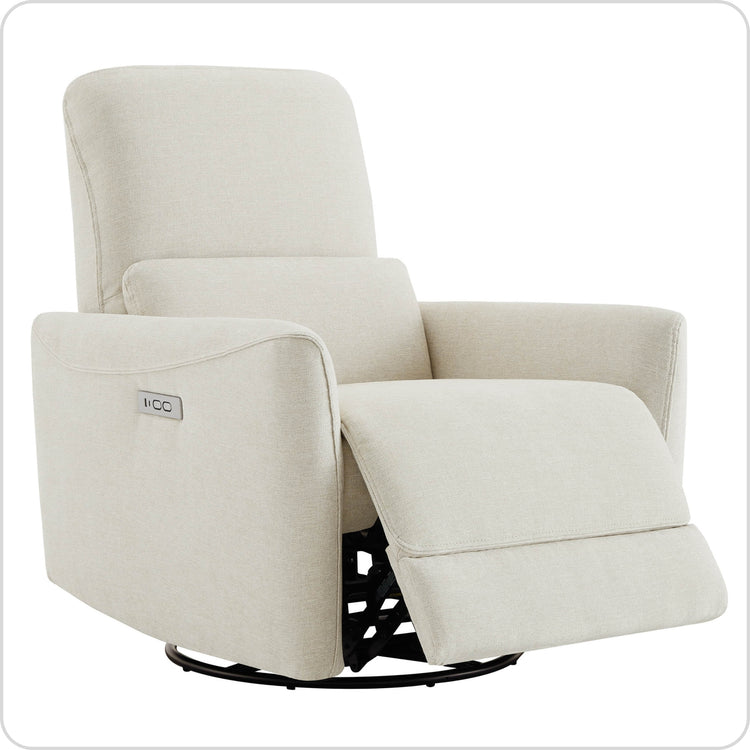
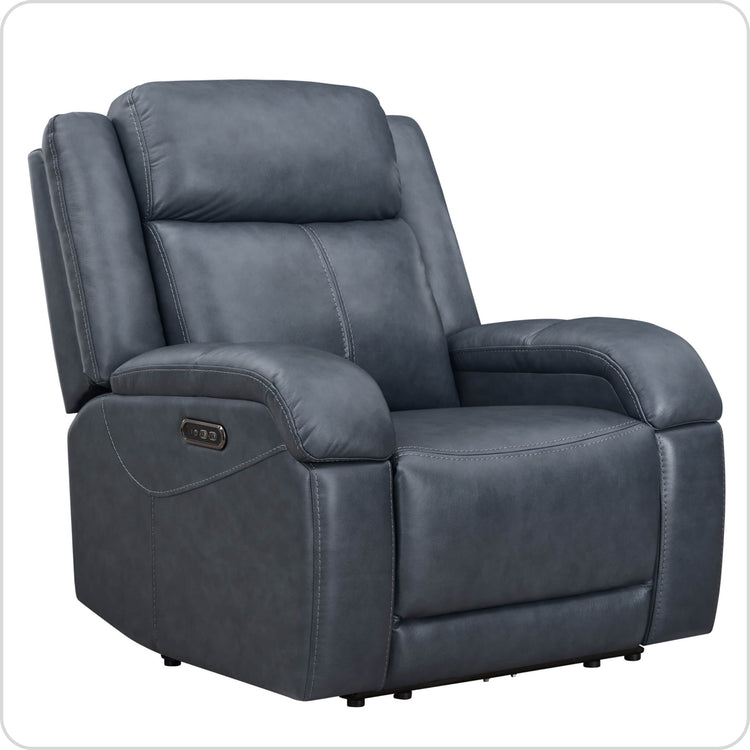
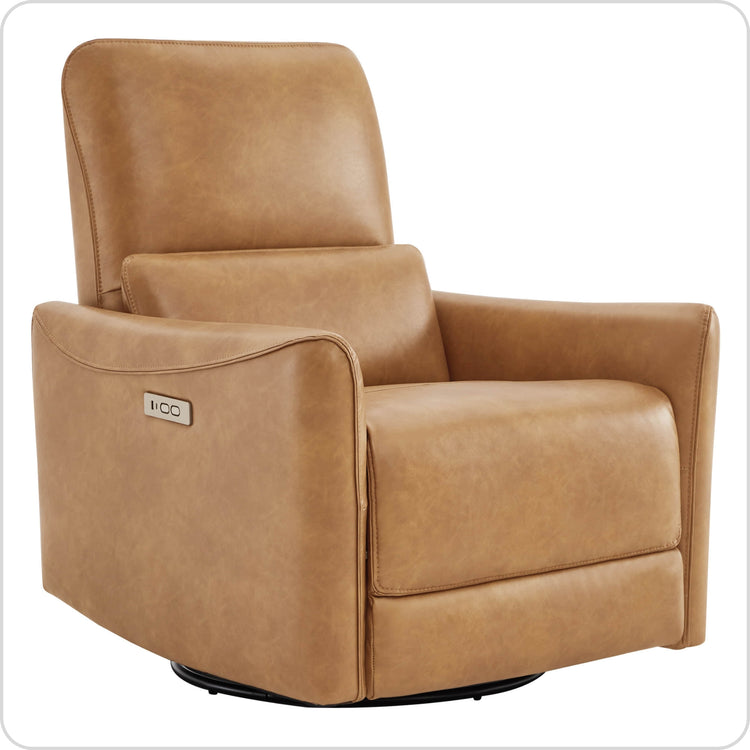


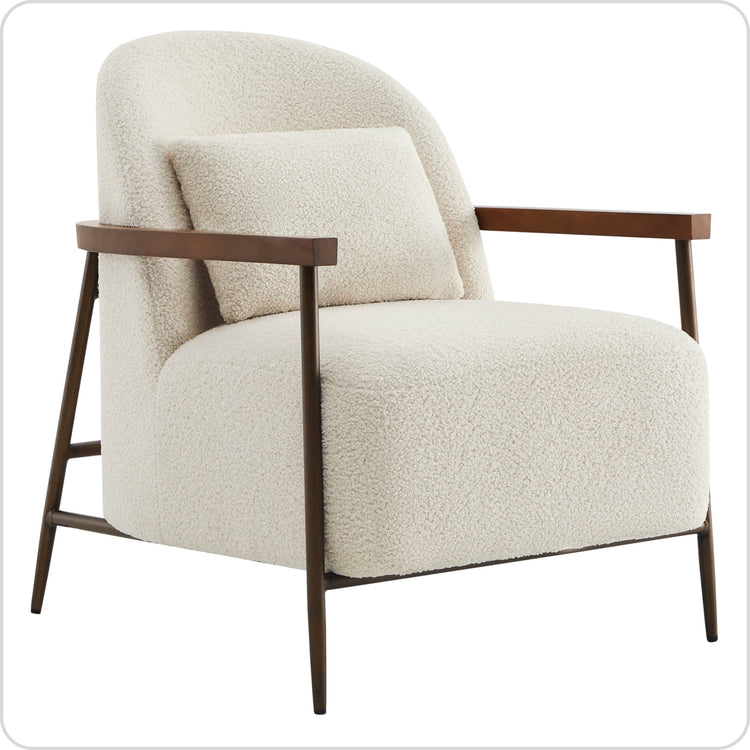



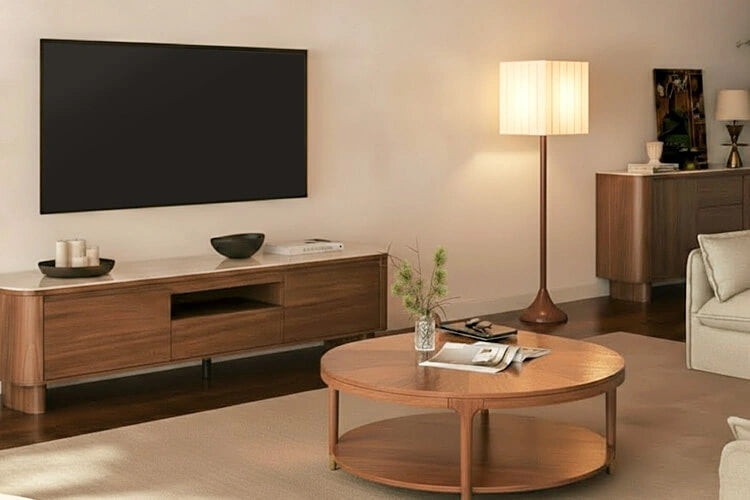










A power recliner is often the best fit for a reading nook when you want long-session comfort without giving up a curated look. If you care more about simplicity, a lighter visual footprint, or zero power dependency, a manual chair or swivel option may fit better. The real choice is not comfort versus style. It is which trade-off your room can live with every day.

Why Reading Nooks Need More Than Style
A reading nook has to do more than look finished. In real use, the seat needs to stay comfortable after the first ten minutes, not just photograph well. That is why the surrounding setup matters: light, table height, and how easily you can shift position all change whether you keep reading or keep fidgeting.
A fixed chair can still work well if the room is already balanced around it. But if you regularly read for an hour or more, a static seat often makes you adapt to the furniture instead of the other way around. That is usually where regret starts, especially in corners that look great but feel too rigid after repeated use.
For readers building a quiet corner in a living room or bedroom alcove, the goal is a seat that supports the routine, not just the decor. The best reading nook is the one you actually use on a weeknight when you are tired and want the space to feel easy.
How Power Mechanisms Change the Reading Experience
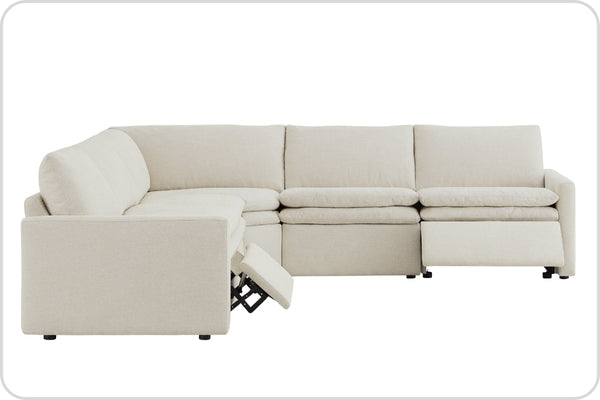
For long reading sessions, a power recliner usually gives you the most control over comfort. Instead of choosing one fixed position, you can make small changes until the chair feels right for your back, legs, and book angle. That flexibility matters most when you switch between hardcover books, tablets, and phones.
That said, the value is about precision, not magic. A power mechanism does not make every chair better. It helps when you notice yourself stacking pillows, sliding forward, or shifting every few pages. In those cases, the ability to fine-tune the seat can reduce friction and keep the nook feeling intentional.
A cleaner silhouette is another reason shoppers lean toward power. Contemporary designs can hide the mechanism well enough that the room still reads as styled rather than technical. If you want that balance, the hidden-power recliner approach is worth a look because it focuses on small-space fit and a less bulky visual profile. The stealth comfort recliner guide offers related design insights.

Power does come with a few practical checks. You need outlet access, and you should expect a little more complexity than a plain chair. In a bedroom nook or apartment corner, that trade-off is often acceptable when comfort is the priority. In a room where you never want to think about cords or controls, the simpler option may age better.
The best case for a power recliner is clear: long sessions, a fixed reading spot, and a desire for repeatable comfort. The weak case is just as clear: short visits, minimal fuss, or a layout where power access is awkward.
Manual Chairs, Ottomans, and Swivel Options
Traditional alternatives can still be excellent, but they solve a different problem. Manual recliners are simpler to live with and easier to explain to guests. They usually make sense when you want a lower-tech seat and do not need constant readjustment.
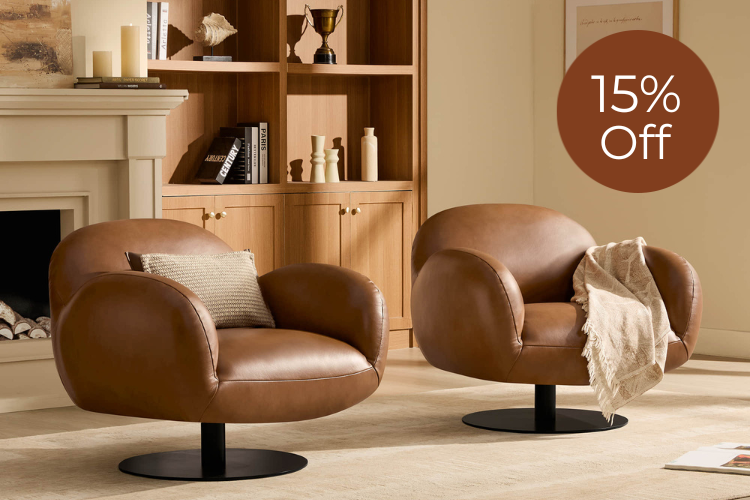
Accent chairs bring the lightest visual feel. They are a strong choice when the nook is mostly decorative or when the rest of the room already carries the comfort load. The downside is that they ask more of the reader. Cushions help, but they do not replace real adjustability.
Ottoman pairings add leg support without committing to a heavier mechanism. That can work well if you mostly want to elevate your feet after reading for a while. The limitation is straightforward: the chair still has to do most of the work for back and neck comfort.
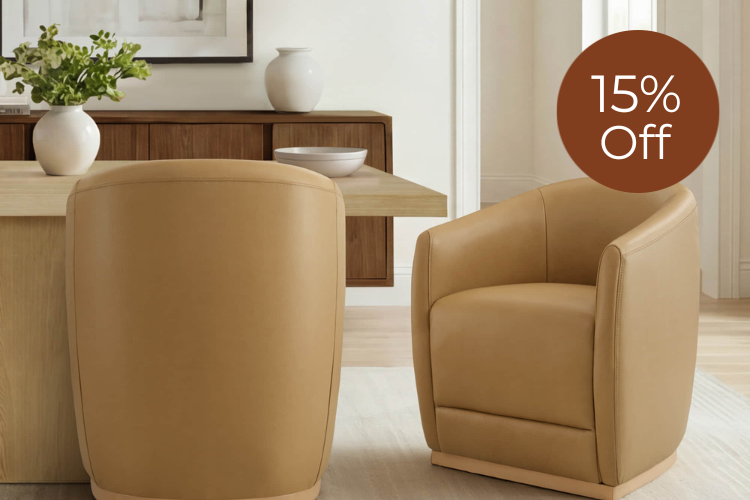
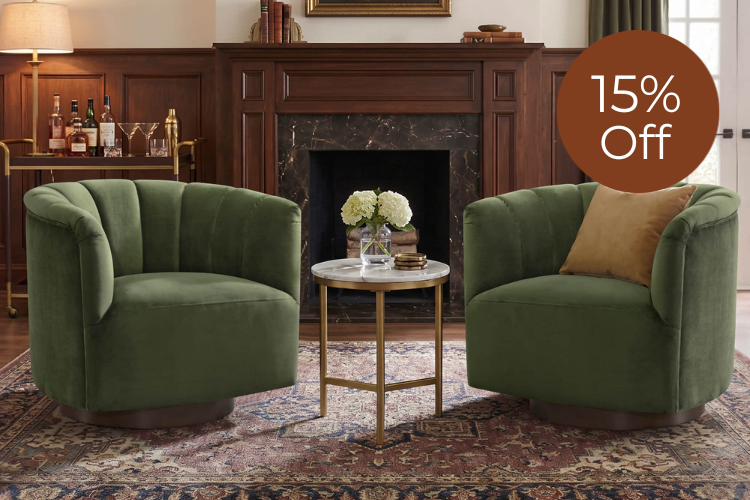
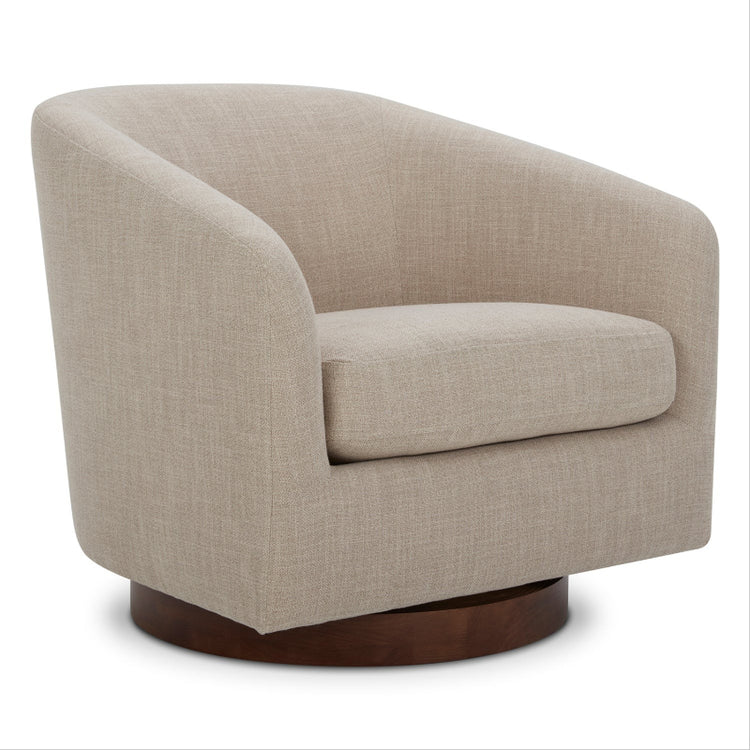
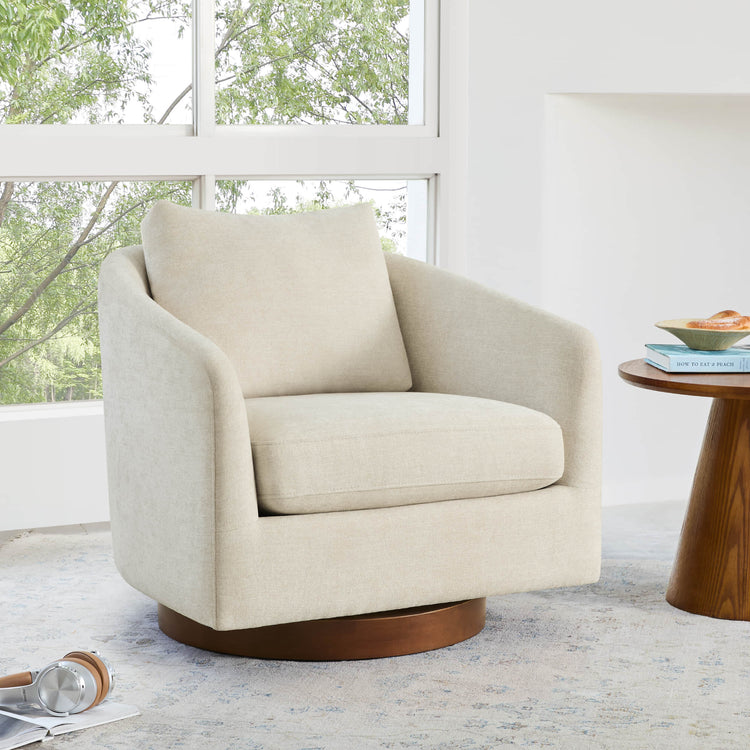
Swivel recliners sit between flexibility and comfort. If you want to turn toward a side table, a window, or a conversation area without moving the whole chair, swivel is a practical advantage. The swivel recliner reading nook guide is a useful follow-up if your space doubles as a social corner.
| Seating Option | Comfort Adjustability | Visual Lightness | Power Dependence | Best Fit |
|---|---|---|---|---|
| Power recliner | Highest | Medium | Requires outlet access | Long reading sessions and repeatable comfort |
| Manual recliner | Medium | Medium | None | Buyers who want simplicity first |
| Accent chair | Low | Highest | None | Styled corners with shorter reading sessions |
| Ottoman pairing | Medium | High | None | Readers who want leg support without a larger mechanism |
| Swivel recliner | Medium to high | Medium | Sometimes, depending on model | Shared rooms and flexible layouts |
A helpful rule of thumb is this: if your nook is mostly about appearance, lean lighter. If it is a true everyday reading spot, lean toward adjustability. When the two priorities conflict, comfort usually wins in the seat and style wins in the surround.
Choose the Right Mechanism for Your Room
Start with how you actually read. If sessions often stretch beyond an hour, the room tends to reward more adjustment. If you only sit for short bursts, the extra mechanism may not earn its keep.
Then check the room itself. Look at wall clearance, outlet placement, and traffic flow before you choose a power model. If the nook sits in a narrow passage or far from power, a manual or swivel option may be the easier long-term fit.
Next, judge the visual weight of the chair. Some reading corners need a seat that disappears into the room. Others can handle a more substantial piece if the upholstery, scale, and color stay calm. That is where a power recliner can surprise people, because the mechanism matters less than the overall silhouette.
Use this quick filter:
- If you read for long stretches and want repeatable comfort, favor a power recliner.
- If you value low-fuss operation and no outlet dependency, favor a manual recliner.
- If the nook must look airy and minimal, consider an accent chair or a lighter swivel option.
- If the room also serves guests or conversation, a swivel design can add useful flexibility.
- If the setup feels awkward with cords or clearance, do not force the powered choice just for the label.
For design-first buyers, the decision often flips when the room is small but the reading habit is serious. In that case, a well-chosen power chair can still work, but only if the profile stays controlled and the layout leaves enough breathing room.
Final Checks Before You Buy
Before you order, confirm the open and closed footprint so the chair works in both positions. Check outlet access if you are choosing an electric mechanism, and make sure the chair will not block your side table, lamp, or walkway.
If you want a browsing shortcut, the power vs manual recliners guide offers a practical comparison. Always review shipping, returns, and warranty before buying, especially for a chair that has to fit one specific corner.
Which Reading Nook Setup Feels Right Long Term?
The best reading nook seat is the one that matches your actual habits, not just your mood on shopping day. A power recliner is strongest when comfort and repeatable adjustment matter most. Manual chairs, ottomans, and swivel options make more sense when simplicity, movement, or a lighter look matters more. Choose the mechanism that will still feel easy after the novelty wears off.
Related Resources
- The Aesthetic Recliner: Hidden Power for Modern Living Rooms
- Decoding Upholstery Standards: The 2026 Guide to Performance Fabric Durability
FAQs
Q1. How Do I Know If a Power Recliner Is Better for Reading Than a Manual Recliner?
A power recliner is usually the better reading choice when you spend longer stretches in the chair and like to fine-tune your position. A manual recliner can still be a smart pick if you want fewer moving parts and a simpler daily routine. The better option is the one you will use without thinking about it.
Q2. What Should I Measure Before Buying a Recliner for a Reading Nook?
Measure the chair's footprint in both closed and open positions, then check outlet access, wall clearance, and the path around the nook. Those three checks matter more than a spec sheet if the chair has to fit a corner cleanly. Also confirm the side table and lamp still work once the seat is in place.
Q3. Can a Power Recliner Still Fit a Styled, Minimal Reading Corner?
Yes, if the chair's shape, upholstery, and scale stay visually calm. The mechanism itself matters less than how much the piece reads as a single heavy object in the room. A streamlined profile and careful color choice can make a power recliner feel like part of the decor instead of a tech feature.
Q4. Why Might a Swivel Recliner Work Better Than a Fixed Chair?
A swivel recliner can be easier to live with in a shared room because you can turn toward light, a side table, or another person without moving the whole chair. That flexibility is especially useful when the nook doubles as a conversation spot. It is less ideal if you want the most dedicated, lounge-style reading position.
Q5. What Are the Main Trade-Offs Between Comfort and Simplicity?
Comfort usually increases as adjustment options increase, but so does complexity. Simpler seating is easier to place, explain, and maintain, while more adjustable seating better supports longer sessions. The right balance depends on whether your reading nook is a quick stop, an everyday habit, or a long evening retreat.