




























Recliners Mistakes to Avoid in daily naps

Daily recliner mistakes to avoid in daily naps usually come down to one thing: support drifts after the nap starts. The chair may feel fine for a few minutes, then your lower back rounds, your head tips forward, or your legs stay bent in a way that leaves you stiff later. The fix is less about napping less and more about choosing and adjusting the chair with alignment in mind.

Why Daily Recliner Naps Go Wrong
A recliner nap can feel great at first and still leave you tight afterward. Healthline notes that even short recliner naps can leave some people stiff when the hips and knees stay bent too long, which is why the problem is usually position, not the nap itself. In real use, people often settle in for a TV break, a reading break, or a quick afternoon reset and do not notice the posture drift until they stand up.
That is the basic rule for recliner mistakes to avoid in daily naps: check support before you get sleepy. If the chair lets your body sag into one shape for the whole nap, comfort often fades. If it keeps the spine, head, and legs in a steadier line, the nap is more likely to feel restful instead of cramped.
How to make your recliner more comfortable is a useful follow-up if you want practical cushion and support ideas after you spot the problem.
Common Recliner Napping Mistakes
The most common mistake is letting the lower back round out. Amerisleep points out that a lumbar gap, the space between the lower back and the chair back, can flatten the natural curve of the spine and lead to backaches. In plain terms, if your low back is floating instead of contacting the chair, the recliner may feel soft but not truly supportive. This happens often when the seat is too deep or when you slide down after dozing off.

The next mistake is ignoring neck and head support. Coon Rapids Chiropractic warns that a headrest that pushes the head too far forward can strain the neck. That matters because a recliner can look comfortable while still turning your chin toward your chest. If your neck feels tense after a nap, the chair may be supporting your body but not your head.
A third mistake is letting the legs hang or crunch. If the footrest does not support your legs well, your feet may dangle or your knees may fold too sharply. That can make the nap feel awkward, especially if you nap daily and want the chair to feel easy to settle into. A chair that fits the leg length of one person may feel wrong for another, which is why shared family-room use often reveals these flaws faster.
The last common mistake is choosing a position that is too flat or too upright. Too flat, and you may slide or lose support. Too upright, and your torso stays braced instead of relaxed. The goal is not a dramatic recline angle. It is a stable position that keeps your body from fighting the chair while you rest.
Headrest support vs. traditional recliners is a helpful next read if neck support is the main reason your naps feel off.
How Poor Positioning Affects Comfort
Poor positioning does not always cause an obvious problem right away. Often it just makes the nap feel shorter, lighter, or less finished than it should. BTY Physical Therapy notes that reclined positions may not let the spine lengthen the same way a flatter setup can, so the body may not get the same sense of release.
Here is what that usually looks like in daily life:
- You fall asleep while watching TV, then wake up with a stiff low back.
- Your head slips forward, and your neck feels tense when you sit up.
- Your knees stay bent so long that your legs feel cramped instead of rested.
- You nap in a chair that is fine for lounging but not steady enough for sleep.
- You wake up feeling like you dozed, but did not fully recover.
That does not mean recliner naps are bad. It means the comfort payoff depends on how the chair holds you. In a living room or den, the setup matters even more because people often fall asleep before they finish adjusting the chair.
Features That Improve Daily Nap Fit
Some features help with nap comfort more than others, but none of them is universal. Use them as fit tools, not as promises.
| Feature | What It Helps With | What To Check In A Nap Chair | Caution Note |
|---|---|---|---|
| Power recline | Easier position changes when you are half-awake | The chair should move smoothly and land in a stable resting shape | Easy motion does not guarantee good support |
| Adjustable headrest | Better head and neck alignment in deeper recline | Your head should rest without being pushed forward | Useful only if it matches your body size |
| Lumbar support | Reducing the low-back gap | Your lower back should feel contacted, not collapsed | Support that is too firm can still feel wrong |
| Footrest length | Leg comfort and pressure relief | Your legs should rest without dangling or cramping | Short footrests can be awkward for taller users |
| Seat depth | Preventing sliding and slouching | Your hips should sit back without forcing you to reach for the floor | Too much depth can make smaller users slouch |
The 20-minute zero-gravity recliner reset is a relevant read if you want a longer explanation of when zero-gravity-style positioning may feel helpful.
Zero-gravity-style positioning can be a good option for some users, but it is not a universal fix. Greenville Online notes that elevating the legs and changing body angle may help some people feel more comfortable, yet the result still depends on the model and the person. If you like a deeper recline, the better question is not "Is zero gravity always best?" It is "Does this version still support my neck, low back, and legs at the same time?"
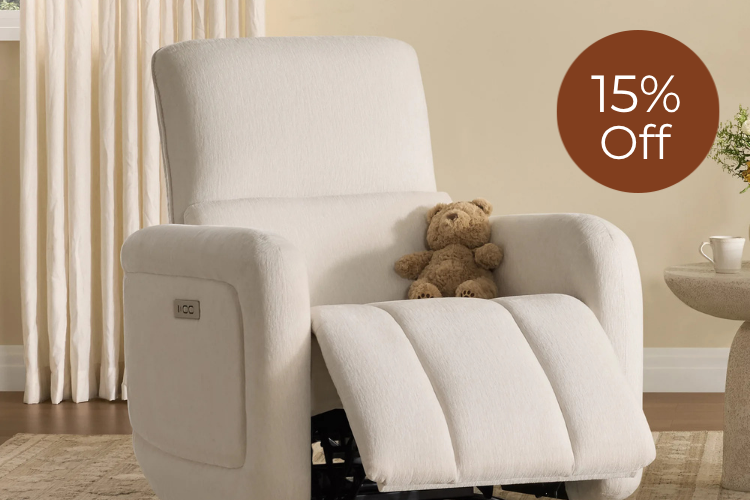
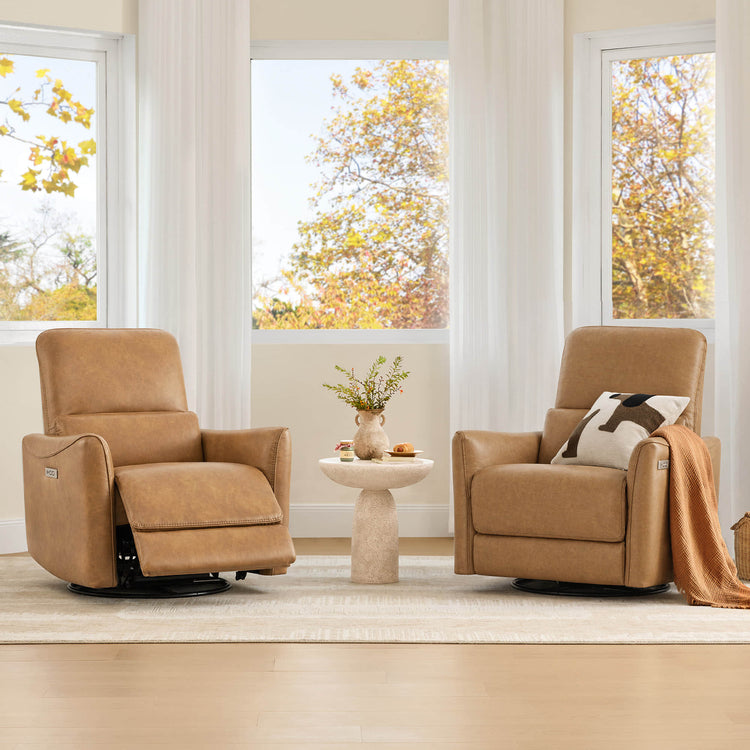
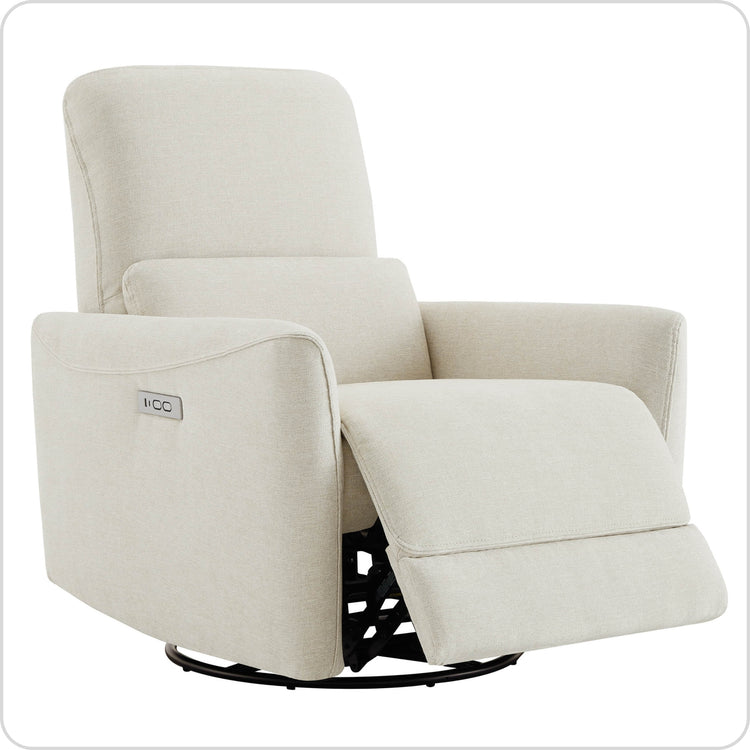
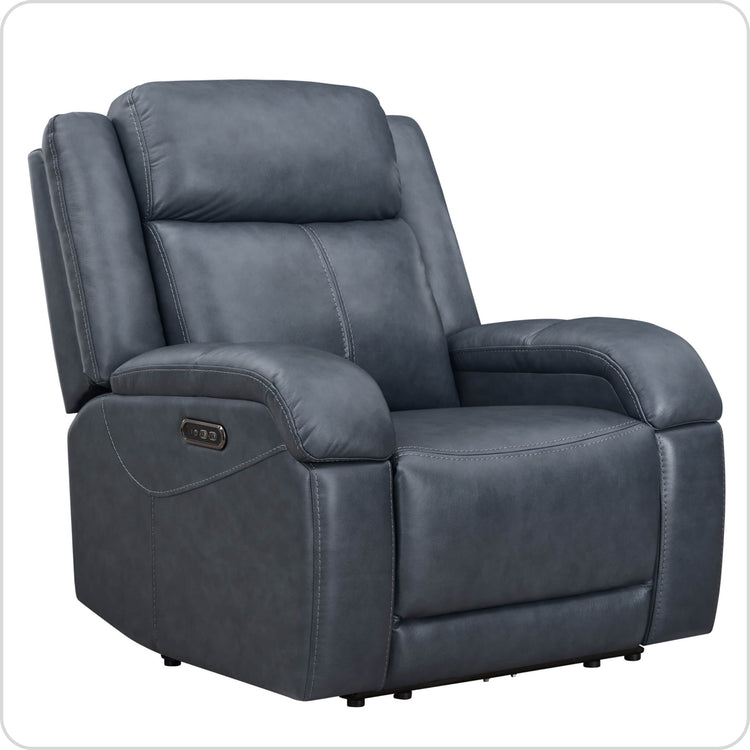
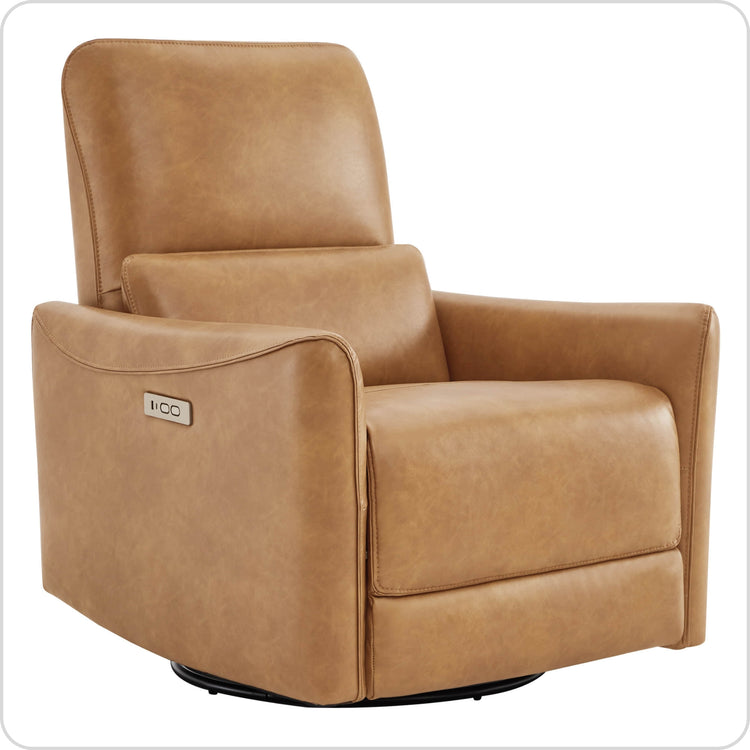
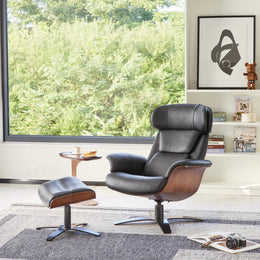
For shoppers comparing models, the practical feature difference is between chairs that merely recline and chairs that help you stay aligned while you recline. Atlas Modern Zero-Gravity Power Recliner, Vinca Modern Power Swivel Glider Recliner with Power Lumbar & Headrest, and Leif Super Zero Gravity Power Leather Recliner are worth checking only if you want to verify whether the nap position and support style match your body.
What to Check Before You Buy
If you want a recliner for daily naps, do not start with style. Start with fit.
- Test the seat depth first. Your hips should sit back without making you slide forward.
- Check lumbar contact. If your low back feels hollow, the chair may need built-in support or a small cushion.
- Confirm head support. Your head should rest naturally, not tip forward.
- Verify footrest comfort. Your legs should feel supported without being jammed.
- Think about adjustment ease. If the chair is hard to reposition, you may not use it well when sleepy.
- Check the room fit. A great recliner that crowds the living room is still a bad daily solution.
For a quick workaround, EquipMeOT suggests a rolled towel or small pillow to fill the lumbar gap when built-in support is weak. That is useful if you already own the chair and want a better nap setup today. It is also a good reminder that small support changes can matter more than dramatic recline claims.
If you are browsing new options, new recliner options is the safer place to compare fresh models, while clearance recliners is better only if you are willing to trade some feature flexibility for a lower price. In both cases, check whether the chair actually supports your back and head before you buy.
Nap Comfort Checklist
Before each recliner nap, check five things: your low back is touching the chair, your head is not pushed forward, your legs feel supported, the recline feels stable, and the setup still feels comfortable after a few minutes. If one of those points is off, adjust before you drift off. A small pillow or rolled towel can fix a weak lumbar gap fast.
Related Resources
FAQs
How Do I Nap in a Recliner Without Back Pain?
Keep your lower back supported, avoid sliding down the seat, and make sure the recline feels stable rather than forced. If your lumbar area is floating, add a small cushion or towel before you doze off. The goal is comfort and alignment, not a perfect posture pose.
What Recliner Features Matter Most for Daily Naps?
Adjustable head support, usable lumbar support, and an easy recline mechanism usually matter most. Those features help more than novelty extras when the chair is used for everyday rest. Fit still wins, though, because the same chair can feel great for one body and awkward for another.
Can a Zero-Gravity Recliner Help With Nap Comfort?
It can, especially if you like a deeper recline and elevated legs. But it is only a conditional comfort choice, not a guarantee. The chair still needs to support your neck, low back, and legs well enough for your body size and nap style.
Why Do I Wake Up Stiff After Napping in My Recliner?
The usual reasons are a forward head position, weak lumbar support, sliding posture, or staying still too long in one bend. A quick pre-nap check helps. If the chair feels fine while you are awake but not while you are sleepy, the setup is probably drifting out of alignment.
How Do I Know If My Recliner Fits My Body for Naps?
Sit back and check four things: your feet and legs are supported, your lower back contacts the chair, your head does not drift forward, and the chair feels stable enough that you are not constantly adjusting it. If any of those fail, keep shopping or add simple support.
Final Thoughts
The main recliner mistakes to avoid in daily naps are simple: do not let the lower back collapse, do not let the head drift forward, and do not assume a soft chair is a supportive one. If you check fit before you nap, you can usually turn a quick rest into a more comfortable one. When in doubt, start with lumbar contact and head support, then compare recliners from there.
Recommended Products


More to Read
 7 Sofa Trends That Actually Improve Comfort in 2026
Upgrade your living room with furniture that supports your body. Here are 7 modern sofa features designed to maximize your daily comfort...
7 Sofa Trends That Actually Improve Comfort in 2026
Upgrade your living room with furniture that supports your body. Here are 7 modern sofa features designed to maximize your daily comfort...
 Mother's Day Gift Guide: Cozy and Stylish Furniture Picks for Modern Moms
Make Mother's Day more meaningful with furniture gifts that bring comfort, smart features, storage, and quiet luxury into her everyday routine.
Mother's Day Gift Guide: Cozy and Stylish Furniture Picks for Modern Moms
Make Mother's Day more meaningful with furniture gifts that bring comfort, smart features, storage, and quiet luxury into her everyday routine.
 Performance Fabric Reality Check: Does It Really Repel Pet Hair and Stains?
Performance fabric is often marketed as a miracle solution for homes with pets and kids, but the reality is more nuanced. It...
Performance Fabric Reality Check: Does It Really Repel Pet Hair and Stains?
Performance fabric is often marketed as a miracle solution for homes with pets and kids, but the reality is more nuanced. It...