






















Back Support Layout Ideas with recliners

Recliners layout ideas for back support work best when you plan the room around comfort, movement, and the main activity first. Reclined sitting can reduce spinal load compared with sitting fully upright, but the layout still has to fit the room and feel natural in everyday use.

Set Up the Room Around Comfort Goals
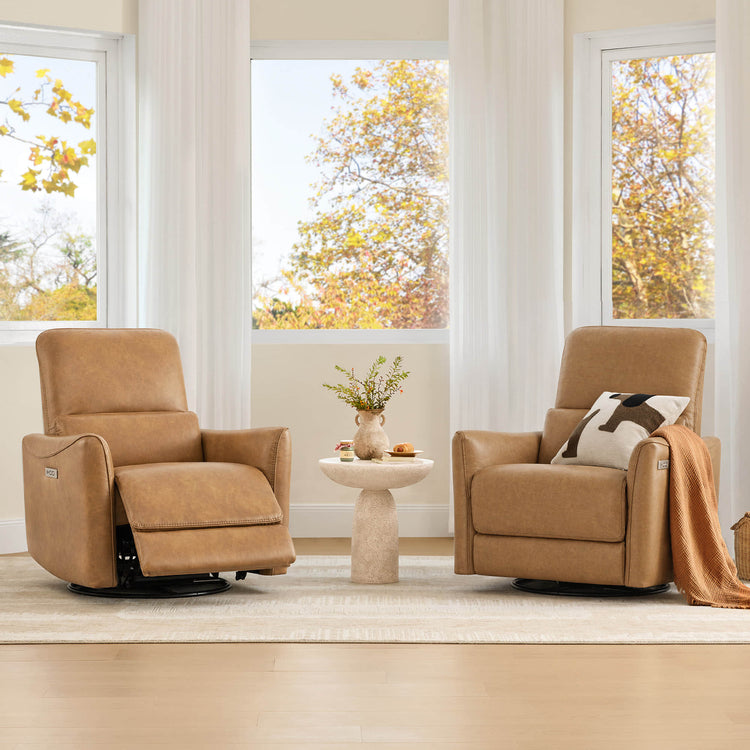
The simplest way to start is to choose the room's main job before you move the chair. If the space is mostly for TV, the recliner should face the screen cleanly. If it is more of a reading or quiet corner, the chair can anchor a softer zone without taking over the whole room.
That matters because a back-friendly layout is not only about the seat itself. It also depends on whether you can sit down without twisting, recline without hitting a wall, and stand up without clipping a side table. A room can support the back well and still feel stylish if the seating plan stays restrained.
For many people, the right goal is comfort, not a medical fix. Use the recliner as a supportive seat, then build the rest of the room around easy movement and a clear sightline. If you want more layout examples, the recliner flow guide is a useful follow-up.
Place Recliners for Back-Friendly Flow
Traffic flow is the first practical filter. In many living rooms, a clear walking path of about 30 to 36 inches helps people move through the space without squeezing past furniture, which is why placement matters as much as cushion feel. Living room measurement guide
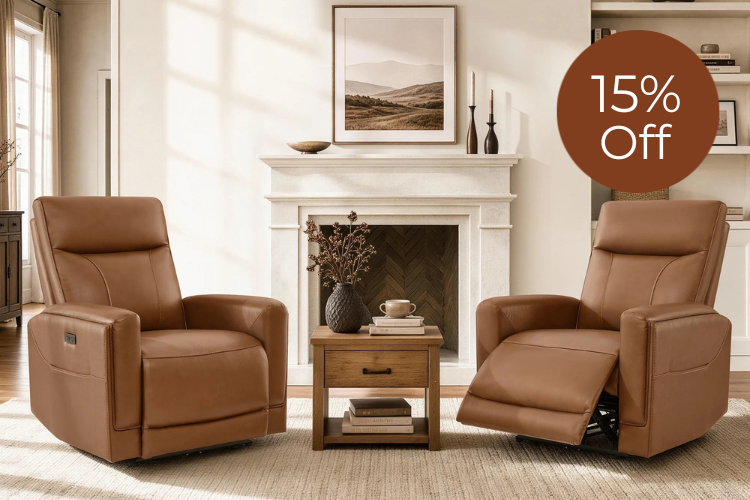
For recliners layout ideas for back support, that usually means leaving the chair out of the main walkway and giving it a clean line to the room's focal point. If people have to step around the footrest every time they cross the room, the setup stops feeling relaxing very quickly.
Clearance behind the chair is the other big check. Chita's layout guide says standard recliners typically need about 10 to 14 inches behind them, while wall-hugger models can work with about 3 to 6 inches. That is brand guidance, not a universal rule, but it is a good reminder to measure before you buy.

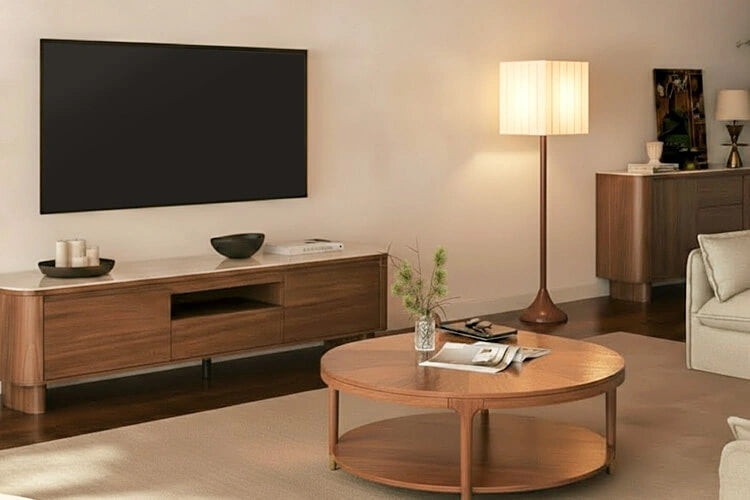
TV viewing changes the geometry again. LG's TV-size guidance says the screen should generally meet seated eye level, but reclined viewing can justify a slightly higher center and a downward tilt so the line of sight stays comfortable. LG TV viewing height guide Britebox also notes that mounting a screen too high can create neck strain, so the real goal is balance, not simply "higher." TV mounting comfort tip
A good decision sentence here is simple: if the chair is mainly for movie nights, center it on the screen and check recline clearance first; if the room is a shared passage space, prioritize walking room first and accept a slightly less dramatic viewing angle.
A second useful filter is the room's social pattern. If conversation matters as much as TV, angle the recliner so a person can join the group without a hard neck turn. If the room is mostly a single-user recovery corner, it can sit more independently, as long as the path in and out stays open.
Match the Recliner to the Room
The right setup changes with the room type, not just with the recliner style. Think in terms of footprint, foot support, and how often the seat needs to share space with other people. Ergonomic room design also puts a real premium on foot support, because dangling legs can encourage slouching and make the lower back feel less supported over time. Ergonomic living room design
| Room scenario | Layout priority | Recliner features that fit | Placement note |
|---|---|---|---|
| Small living room | Keep the room open and easy to cross | Compact footprint, wall-hugger clearance, lighter visual profile | Place it where reclining will not block the main path |
| TV/movie room | Match the chair to the screen and viewing line | Power adjustability, head support, deeper comfort | Face the focal point directly and check eye line while reclined |
| Shared family room | Balance support with shared seating | Flexible angle, easy access to side tables, visually calm shape | Keep the chair part of the group, not isolated from it |
| Recovery corner | Build a quiet, low-distraction seat zone | Good foot support, easy power adjustment, softer styling | Leave room to enter, exit, and rest without clutter |
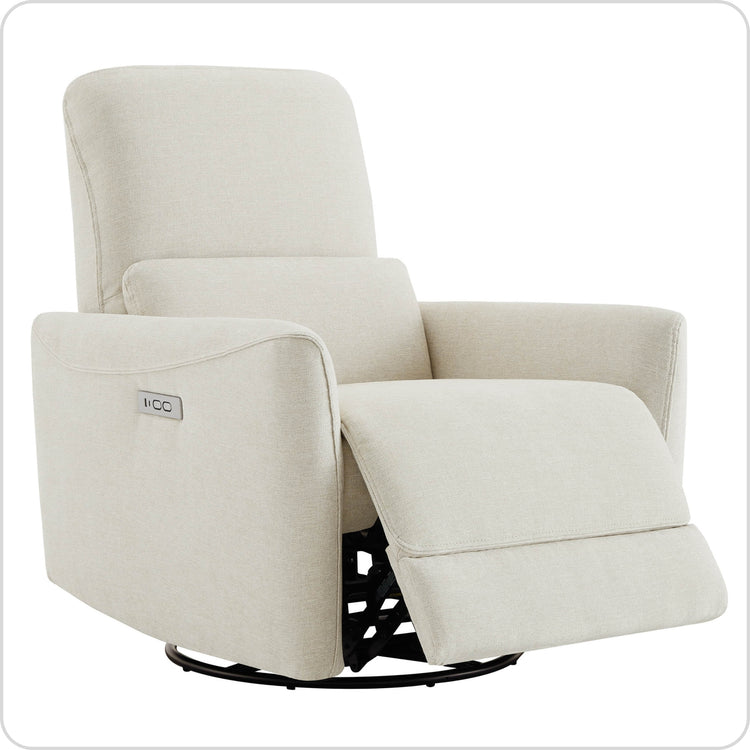
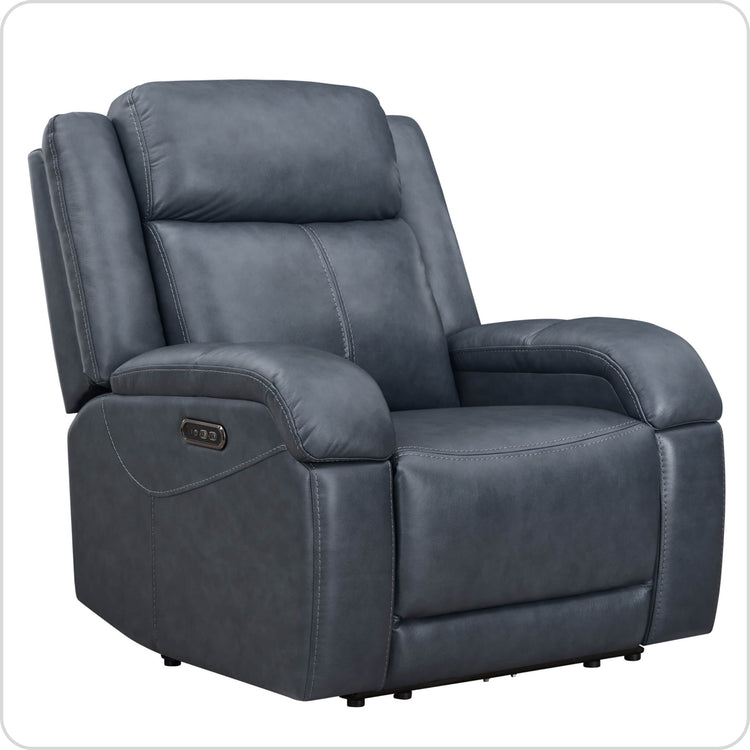
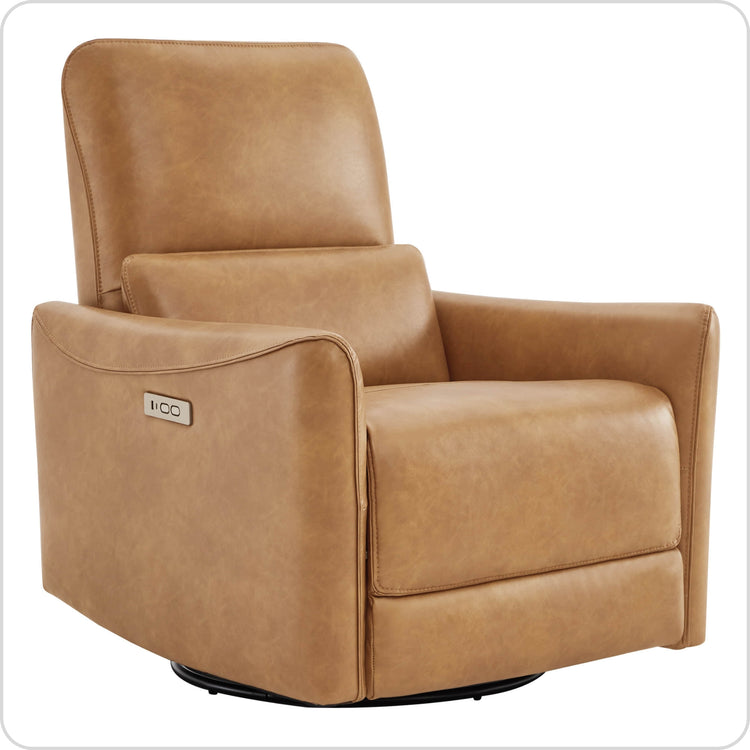
If you already know you need a tighter fit, browse space-saving recliner options while you measure the wall clearance. For a broader comparison path, the swivel recliner collection and modern leather recliner selection can help you narrow the look after the layout works.
This is also where the layout can flip. A small living room may favor a wall-hugger style, while a family room may do better with a slightly larger recliner if it helps the room stay balanced. The main question is not "Which chair is best?" It is "Which chair can support the room without taking it over?"
Use Styling to Keep the Room Calm
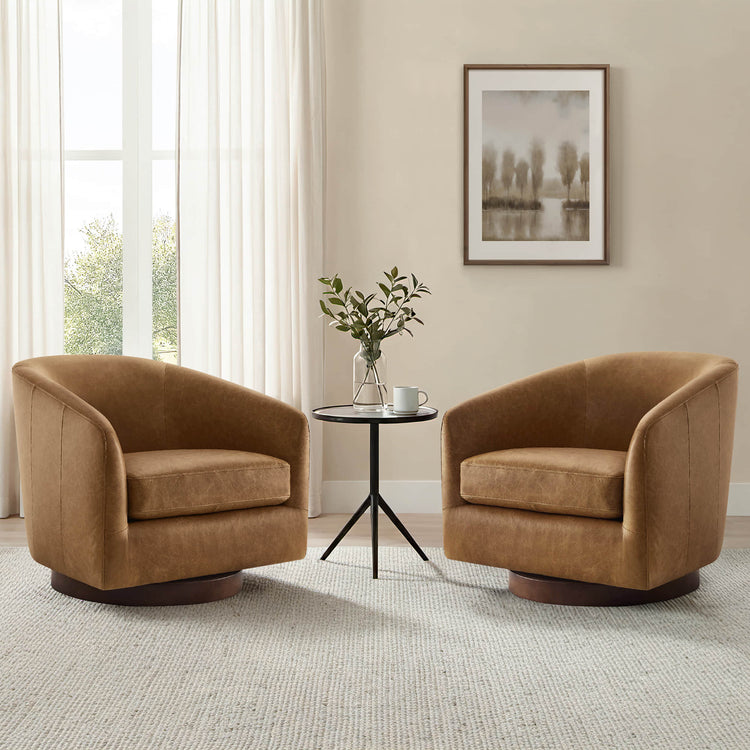
A support-focused room looks better when the recliner feels like part of the design instead of the whole story. Repeating one or two finishes, limiting extra furniture, and using softer lighting can keep the space calm.
A few practical checks help:
- Keep accessories useful, not numerous.
- Repeat color or material once or twice so the room feels connected.
- Leave a visible edge of floor around the chair when possible.
- Check the room from the entryway and make sure the recliner reads as intentional, not crowded.
If you want a more design-led direction, recliners that blend in and the small-space recliner trend guide are good places to compare visual styles without losing the comfort goal.
Final Takeaway
The best recliners layout ideas for back support start with clearance, viewing angle, and traffic flow, then end with styling. If the chair fits the room without blocking movement, supports your feet well, and lines up with the room's main use, it is far more likely to feel comfortable day after day. Measure first, then choose the look that fits the space.
FAQs
How Much Space Should I Leave Behind a Recliner?
A practical starting point is to measure the chair in its fully reclined position before you place it. In tighter rooms, a wall-hugger design can reduce the rear clearance you need, but you still have to leave enough room for the wall, nearby furniture, and easy access from the side.
Can a Recliner Work in a Small Living Room?
Yes, if the recliner is scaled to the room and does not cut through the main walkway. Small rooms usually work better when the chair sits on one edge of the layout, faces the focal point cleanly, and does not force people to dodge the footrest.
What Is the Best Recliner Position for TV Viewing Comfort?
The chair should face the screen directly, with the TV positioned so the viewing line feels natural when you recline. If the screen sits too low or too high, the neck does more work than it should, so the mount height matters as much as the chair angle.
How Do I Make a Recliner Layout Look Less Cluttered?
Use fewer pieces, repeat a couple of finishes, and leave some breathing room around the chair. The room usually looks more intentional when the recliner shares the same visual language as the sofa, table, or lighting instead of introducing a new style in every corner.
Can I Mix a Recliner With a Sofa in the Same Layout?
Yes. The easiest version is a shared focal point, such as the TV or fireplace, with a clear path between seats. That keeps the room social while still letting the recliner do the comfort work without dominating the whole floor plan.
Wrap-Up
A recliner layout works best when comfort and circulation support each other. Keep the final pass simple: check clearance, sit in the viewing position, and make sure the room still feels easy to cross.
Recommended Products

More to Read
 7 Sofa Trends That Actually Improve Comfort in 2026
Upgrade your living room with furniture that supports your body. Here are 7 modern sofa features designed to maximize your daily comfort...
7 Sofa Trends That Actually Improve Comfort in 2026
Upgrade your living room with furniture that supports your body. Here are 7 modern sofa features designed to maximize your daily comfort...
 Mother's Day Gift Guide: Cozy and Stylish Furniture Picks for Modern Moms
Make Mother's Day more meaningful with furniture gifts that bring comfort, smart features, storage, and quiet luxury into her everyday routine.
Mother's Day Gift Guide: Cozy and Stylish Furniture Picks for Modern Moms
Make Mother's Day more meaningful with furniture gifts that bring comfort, smart features, storage, and quiet luxury into her everyday routine.
 Performance Fabric Reality Check: Does It Really Repel Pet Hair and Stains?
Performance fabric is often marketed as a miracle solution for homes with pets and kids, but the reality is more nuanced. It...
Performance Fabric Reality Check: Does It Really Repel Pet Hair and Stains?
Performance fabric is often marketed as a miracle solution for homes with pets and kids, but the reality is more nuanced. It...