








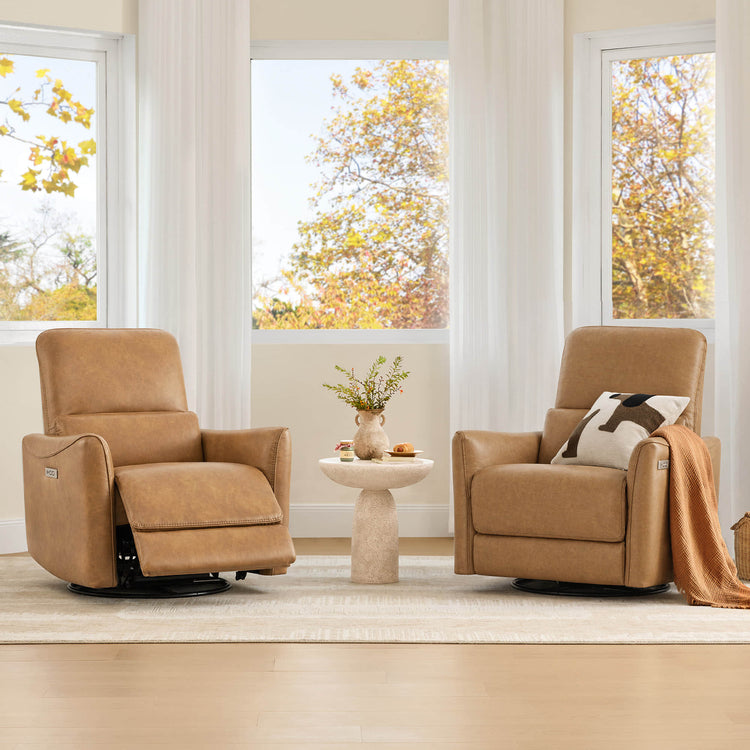
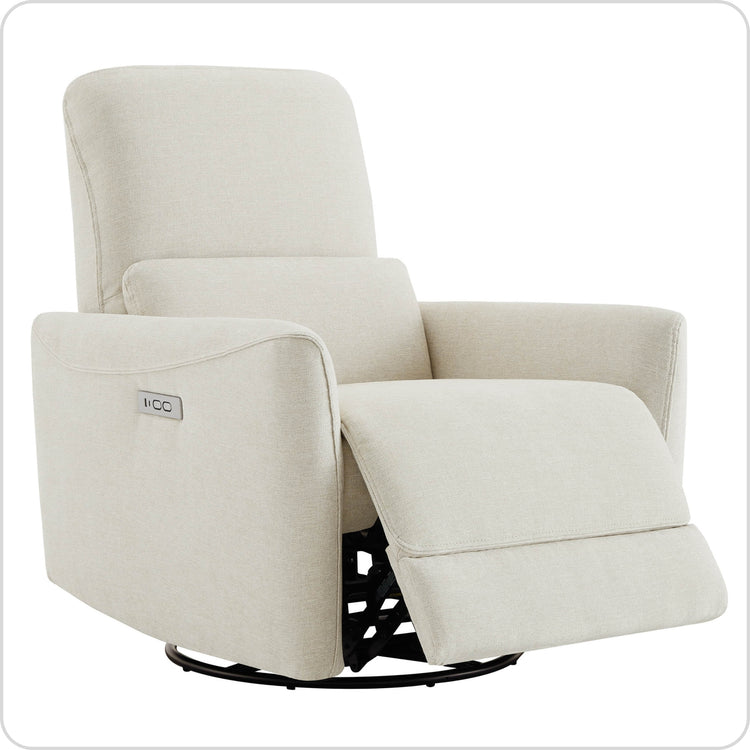
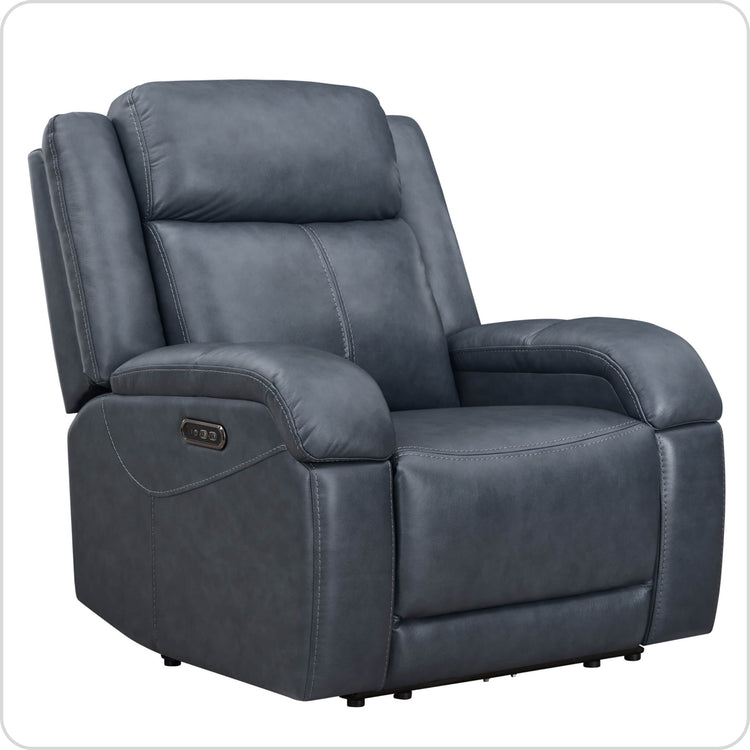
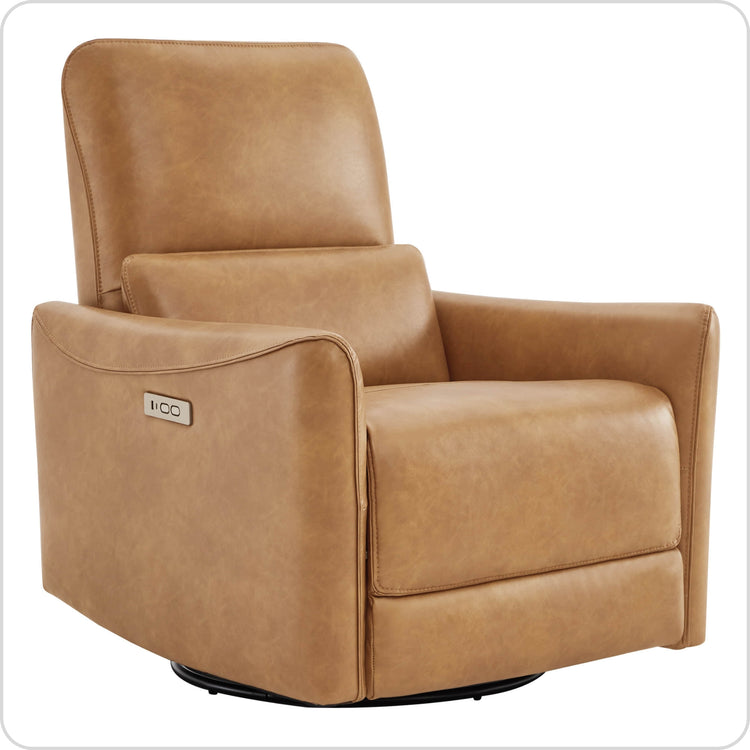














Tall shoppers should compare four things before buying any recliner: usable seat depth, seat height, back-and-head support, and a separately confirmed footrest reach. A seat marketed as "deep" or "oversized" does not guarantee your calves and heels will be supported once the footrest is fully extended.
Full leg support depends on matching your own seated measurements to a product's exact published dimensions, not on the recliner's category name. The rest of this guide walks through what to measure, what to ask a retailer, and how two verified Chita Living options compare on the facts that are actually documented.
Which Recliner Dimensions Matter Most for Tall Users?
Shortlist a recliner only when the seat supports most of your thigh without pinching behind the knee, your feet reach a stable surface, and the footrest's full extension has been checked against your own calf and heel length.
Start With Seated Hip-to-Knee Fit
Sit in a chair you already own and measure the distance from your hip crease to the back of your knee. That number is your seated hip-to-knee length, and it is the first filter for any recliner's seat pan. OSHA's chair guidance notes that a seat should support most of the thigh without the front edge contacting the back of the knee while the back stays fully supported. A recliner advertised as deep can still fail this test if your proportions run longer or shorter than average, so treat the label as a starting point, not a guarantee.
Check the Full Reclined Posture
Once the seated fit passes, look at seat height, back height, and head position together. Seat height should let your feet rest flat on the floor or on a stable footrest surface rather than dangling or pressing your knees upward. Back and head support should still feel usable when you lean back, since a headrest that stops too low forces your neck forward. Keep this check separate from the footrest itself: a sofa's overall operating depth describes room clearance, not how far the footrest extends toward your calves and heels.
How Deep Seat and Extended Footrest Work Together
A deep seat and a long footrest answer two different questions, so neither one substitutes for the other. Verify thigh support first, then verify footrest reach on its own before assuming full-leg support is covered.

Cornell's ergonomics notes point out that there is no single ideal sitting posture, since fit depends on several dimensions working together rather than one measurement in isolation. The table below separates what each figure can tell you from what it cannot.
| Measurement or feature | What it helps you judge | What it cannot prove |
|---|---|---|
| Usable seat depth | Thigh support and knee clearance | Whether the footrest reaches your calves and heels |
| Seat height and foot support | Stable foot placement upright | Comfort once the chair is fully reclined |
| Back and head position | Whether reclined posture stays supported | Footrest length |
| Fully extended footrest reach | Calf and heel support when reclined | Room clearance needed to use it |
| Overall recline depth | Floor space the reclined unit needs | Where the footrest ends relative to your heels |
Because footrest reach varies across models and body types, ask the retailer for the exact extended footrest length rather than guessing from the seat depth or overall recline depth.
Sofa or Individual Power Recliner: Which Fits Your Space?
Choose a reclining sofa when several people need seating and each person benefits from an independent headrest or recline position. Choose an individual power recliner when only one person needs a dedicated powered seat or the room cannot fit a wide sofa.
Choose a Reclining Sofa for Shared Use
A three-seat reclining sofa makes sense when multiple household members want to recline at the same time without sharing one control. Measure the full wall span and room depth against the sofa's published width and operating footprint, and check that each occupant's seated fit works, since one shared cushion length has to serve everyone using it.
Choose an Individual Power Recliner for One-Person Fit
A single power recliner is the better call when one tall adult wants a dedicated seat, or when the available wall section is narrower than a sofa would need. A smaller footprint does not remove the fit questions: you still need to confirm the seat depth against your own measurements and request the footrest's fully extended reach before ordering.
How to Measure a Recliner Before Buying Online
Measure yourself first, then request any product measurement the listing leaves out, starting with footrest reach. Finish by confirming delivery access and return terms so the purchase decision rests on fit data, not on a tall-friendly label.
Measure Seated Fit First
- Record your seated hip-to-knee length and note whether a candidate seat's front edge would press behind your knee when your back is fully supported.
- Check whether the seat height lets your feet rest flat on the floor or on a stable footrest without lifting your knees.
Request Missing Product Measurements
- Ask the retailer for the fully extended footrest reach, measured from the seat reference point to the end of the support surface.
- Ask separately for the overall operating depth and required wall clearance, since these describe room space rather than footrest length.
Check Purchase Logistics
- Confirm doorway and delivery-path dimensions, power outlet access, and the retailer's current return window before you commit.
- Base your final decision on the fit measurements you collected, not on a generic "tall-friendly" description. OSHA's seating evaluation checklist frames this as checking seat width, depth, back support, and foot support together rather than any single spec.
Match the Recliner to How You Will Use It
Reading, TV watching, and fully reclined rest each put pressure on a different measurement, so use your main use case as a tiebreaker once the core fit checks pass.
Support for Reading and Watching TV
For long sessions in front of a screen, prioritize back and head positioning that stays usable without losing the thigh support you already confirmed. An independently adjustable power headrest is worth comparing when a product listing verifies it, since it lets you fine-tune viewing angle without changing recline depth. Our guide to choosing a TV recliner walks through seat depth and clearance checks specific to extended screen time.
Support for Fully Reclined Rest
When the goal is lying back fully, ask for the footrest's extended reach and the full floor depth the reclined position needs. A wall-hugger claim or an overall recline-depth figure does not answer either question, so keep those two measurements separate when you compare listings.
Options for Shared Living Rooms
In a shared room, match the number of seats and independent adjustments to how many people will use the sofa at once, then confirm the room can hold the sofa's width and its operating footprint when fully reclined.
Verified Chita Living Options to Compare
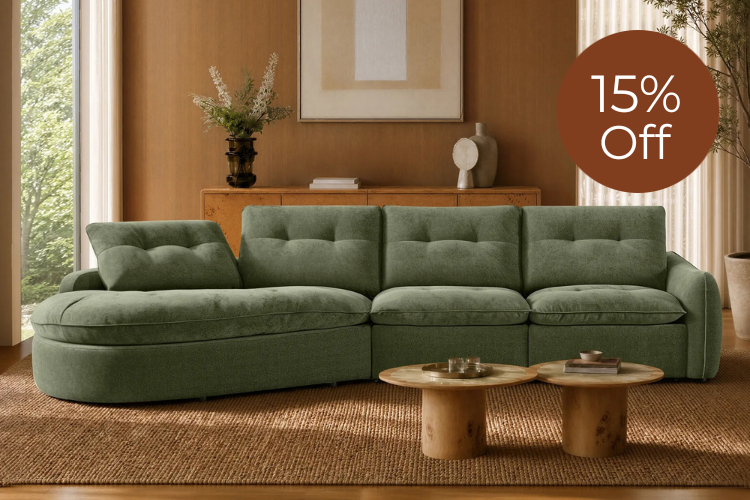
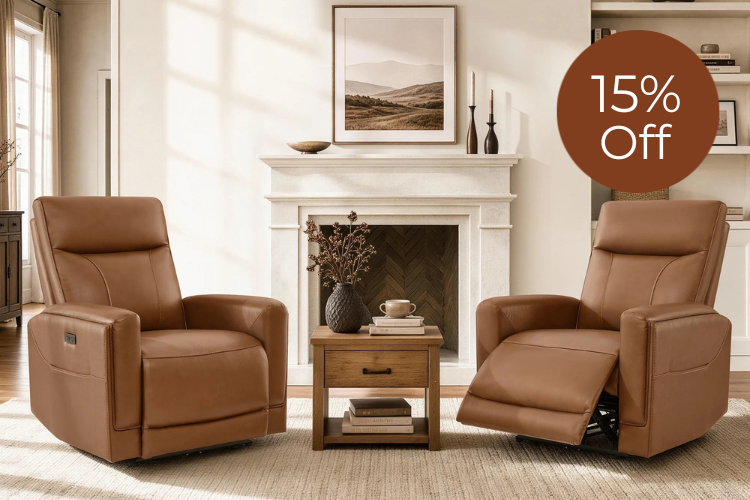
Between our two documented options, Elora is the deeper, shared-seating candidate and Luca is the narrower, individual, zero-wall candidate. Neither product record currently states a fully extended footrest reach, so that measurement still needs confirmation before either one is called a long-footrest match for tall users.
| Product | Verified fit-relevant facts | Best fit when | Still confirm before ordering |
|---|---|---|---|
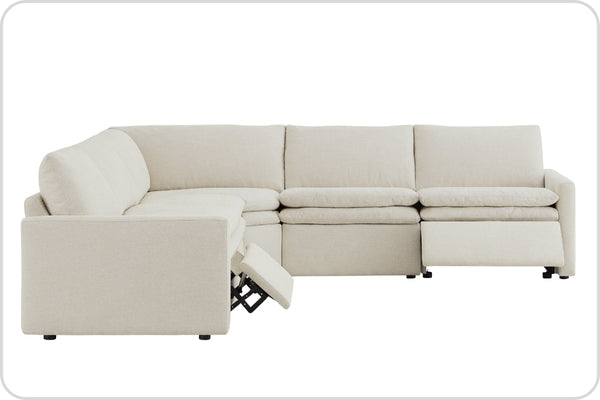
| Elora deep-seat sofa | 24.02-in seat depth, 3-seat format, 123.62-in width, 4.25-in wall clearance, 65.75-in overall recline depth, individual power headrests | Shared seating with room for a wide sofa and a deeper seat pan | Fully extended footrest reach and calf-to-heel support |
| Luca zero-wall recliner | 22.4-in seat depth, individual seat, 30.3-in width, zero-wall design, 135° max recline, adjustable power headrest | One dedicated seat in a narrower wall section | Fully extended footrest reach and calf-to-heel support |
We built Elora for shoppers who need a wider, shared reclining sofa with a deeper seat pan, and Luca for a single powered seat that sits close to the wall. If your measured hip-to-knee length calls for the extra seat depth and your room fits a three-seat sofa, Elora is the stronger match to investigate further. If you need one dedicated seat in a tighter space, Luca fits that constraint, provided the missing footrest measurement checks out for your height. Contact us for the fully extended footrest reach on either model before you order.
FAQs
Can a deeper recliner seat still be a poor fit for a tall person?
Yes. A seat in the 24-inch class is not automatically right for every tall shopper, since fit depends on your own seated hip-to-knee length and back position, not the seat depth alone. Compare the published depth with your own measurement and check for knee pressure before assuming a deep seat fits your body.
What should I ask for when a listing shows recline depth but not footrest length?
Overall recline depth describes the floor space a reclined unit needs for room planning, not necessarily how far the footrest reaches toward your heels. Request the fully extended footrest reach and the operating depth as two separate figures from the retailer before ordering.
Does a zero-wall recliner guarantee enough leg space for a tall user?
No. A zero-wall or wall-hugger claim only addresses how close the chair can sit to a wall behind it. It does not confirm the floor depth needed once reclined or how far the footrest extends toward your calves and heels, so check the operating footprint and request the footrest measurement separately.
Sources
- OSHA. Workstation Components: Chairs.
- OSHA. Checklists: Evaluation.
- Cornell University. Ergonomics of sitting.
Recommended Products


More to Read
 7 Sofa Trends That Actually Improve Comfort in 2026
Upgrade your living room with furniture that supports your body. Here are 7 modern sofa features designed to maximize your daily comfort...
7 Sofa Trends That Actually Improve Comfort in 2026
Upgrade your living room with furniture that supports your body. Here are 7 modern sofa features designed to maximize your daily comfort...
 Mother's Day Gift Guide: Cozy and Stylish Furniture Picks for Modern Moms
Make Mother's Day more meaningful with furniture gifts that bring comfort, smart features, storage, and quiet luxury into her everyday routine.
Mother's Day Gift Guide: Cozy and Stylish Furniture Picks for Modern Moms
Make Mother's Day more meaningful with furniture gifts that bring comfort, smart features, storage, and quiet luxury into her everyday routine.
 Performance Fabric Reality Check: Does It Really Repel Pet Hair and Stains?
Performance fabric is often marketed as a miracle solution for homes with pets and kids, but the reality is more nuanced. It...
Performance Fabric Reality Check: Does It Really Repel Pet Hair and Stains?
Performance fabric is often marketed as a miracle solution for homes with pets and kids, but the reality is more nuanced. It...