















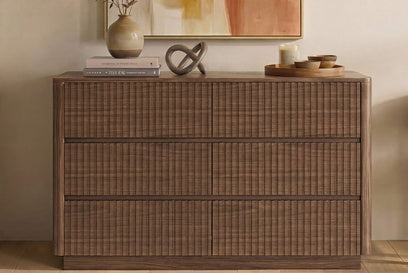
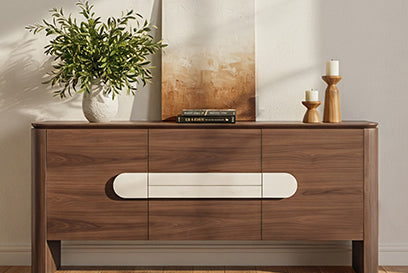









Side Table vs. End Table vs. Nightstand: What's the Difference?

Side table vs. end table vs. nightstand usually comes down to placement: side table is the broadest term and can describe a small surface almost anywhere in the house. End table usually means a table beside a sofa or chair, while nightstand is the bedroom-specific term for a table beside the bed. The labels overlap in everyday shopping, so the actual dimensions and your daily routine matter more than the exact word on the product listing.

The Short Answer: Side Table, End Table, and Nightstand
Treat these labels as shopping clues rather than fixed specifications. Compare the listing's dimensions, reach, surface, and intended task before you choose. Merriam-Webster defines a nightstand as a night table, confirming its bedroom-oriented meaning without setting a construction standard.
What a Side Table Usually Means
A side table is a small supporting surface that can appear in almost any room, which makes it the most flexible of the three terms. Real-world usage shows side tables holding mail in a living room, sitting next to a recliner, or standing on a patio, so the side table label covers many different settings rather than one fixed job. That flexibility is useful, but it also means the label alone will not tell you whether a specific table fits your space.
Before you buy, check the table's footprint against the spot you have in mind, whether that is a reading corner, a spare living-room wall, or a multipurpose room. If you are furnishing a cozy reading spot, our guide to bedroom reading-corner ideas can help you match scale and style to the space. Judge the table by its actual size and intended task, not by the word printed on the listing.

What an End Table Usually Means
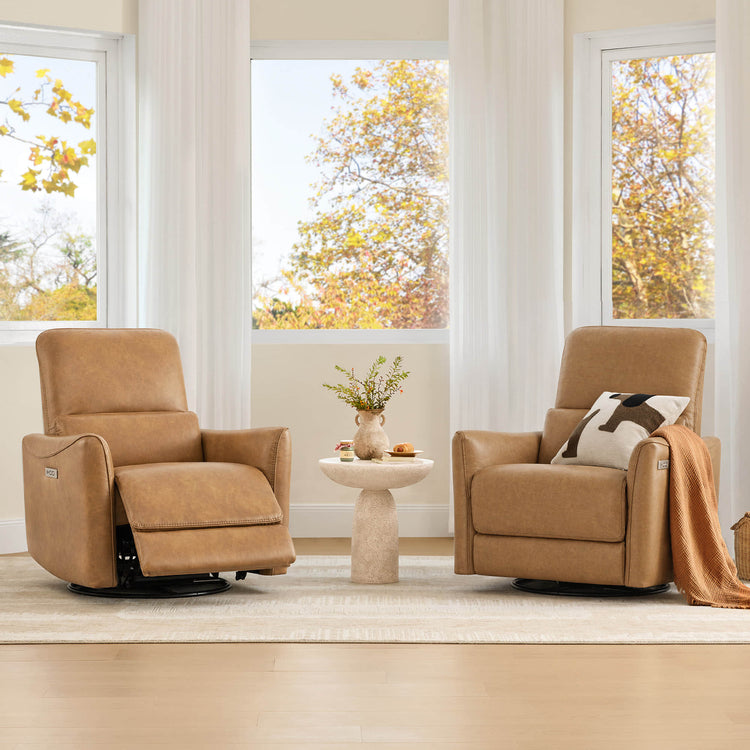
An end table usually means a small table placed beside a sofa or armchair, so it is the clearest search term when you are shopping specifically for seating-side furniture. The practical question is whether the tabletop stays within comfortable reach once you are seated, not whether the word "end" appears in the title. Common usage places end tables next to chairs and sofas in living-room settings, which supports treating this term as a seating-side search word rather than a fixed size category.
Before buying, measure the arm height of your sofa or chair and the floor space beside it. A table that sits far above or below the armrest is harder to use, and a footprint that is too wide can narrow a walkway. Side table and end table often describe the same physical product in a listing, so do not rule out a table labeled "side table" if its tabletop and footprint work beside your seating.
What a Nightstand Usually Means
A nightstand signals bedroom use rather than one fixed construction style, so choose the term when the table is meant to support a bed routine. The practical fit depends on reach, surface area, storage preference, and footprint.
Some bedside tables offer drawers or shelves and some offer only an open top. Neither style is mandatory, so decide based on what you want to keep close and out of sight versus in easy view. Footprint matters too: leave enough space to get in and out of bed without bumping the table, especially in smaller bedrooms.
Can a Side Table Be Used as a Nightstand?
Yes, a side table can work as a nightstand, but only after it passes a bedside fit check. A side-table label should not disqualify a piece from bedroom use, since a side table can work well as a nightstand when its proportions match the bed.
Start with the mattress relationship. Wirecutter's practical guideline suggests keeping the tabletop within 2 to 4 inches above or below the top of the mattress, which keeps reach comfortable from a lying position. Treat that range as a helpful starting check rather than a required standard.
Next, confirm three more things:
- Reach and surface: can you comfortably grab what you need without leaning far out of bed, and is the top large enough for a lamp, phone, and glass of water together?
- Storage: does the table's open or closed storage match what you want within arm's reach at night?
- Footprint and placement: does the table fit the space beside your bed without blocking the path to a door, closet, or nightstand outlet?
If a side table clears all three checks along with the mattress-height range, it can serve the bedside role.
Compare Height, Storage, and Placement
Use the table to match each label with a likely placement and task. The fit checks are conditional, not universal specifications for every table sold under that name.
| Label and when to choose it | Typical placement and practical task | Fit check |
|---|---|---|
| Side table: choose for flexible or multipurpose use | Living room, patio, reading nook, or another spot; holds a drink, lamp, book, or decor depending on the room | Compare the actual footprint, surface, and height with the adjacent furniture and task. No fixed height or storage feature defines the label. |
| End table: choose for seating-side use | Beside a sofa or armchair; supports items used while seated | Check tabletop reach and walkway clearance beside the seating. Side table and end table can overlap in product listings. |
| Nightstand: choose for bedside use | Beside a bed; holds routine items such as a phone, book, or lamp | Use the practical bedside starting check of 2 to 4 inches above or below the mattress top, then choose open or closed storage based on your routine. |
Choose the Right Table for Your Room
For a side table vs. end table vs. nightstand decision, start with placement and then verify the table's dimensions against nearby furniture. The right choice depends on reach, task, surface, storage, footprint, and circulation.
- Identify where the table will sit: beside a sofa or chair, beside a bed, or in a multipurpose spot that needs flexible use.
- Match height and reach to the adjacent furniture. Beside seating, compare the tabletop to the armrest. Beside a bed, use the mattress-height range as your starting check.
- Verify the table's actual surface, storage, footprint, and clearance, since these determine daily usability more than the label on the listing.
For seating, search "end table" first, then confirm the tabletop relationship and footprint against your sofa or chair. For bedside use, search "nightstand" or "bedside table" first, or consider a side table only after it passes the checks above. For flexible or multipurpose rooms, start broad with "side table," then check the specific dimensions against each room where you might place it. In smaller spaces, measure the available width and depth first, and confirm doors, drawers, and walkways still open and close without obstruction before you order.
Shop by Function When You're Ready
Once you know the placement, shop by function: browse all tables for broad options, or view the documented side-table configuration for a living room or reading nook.
If your need is a separately usable small table for a living room or reading nook, our Chess Artistic Nesting Coffee Table Set includes a side table configuration you can view directly, sized at 23.6 inches square and 16.9 inches high. It is built as a living-room and reading-nook piece, not a bedside table, so check the listed dimensions against your own space before ordering.
FAQs
Are side tables and end tables the same thing?
They overlap in everyday use. End table more often points specifically to a spot beside a sofa or chair, while side table is the broader term that can describe a similar table in almost any room. Many listings use the two words interchangeably for the same product.
What is the ideal height for an end table?
There is no single required height for an end table. Instead, compare the tabletop to the armrest of your sofa or chair and make sure you can reach it comfortably while seated. A table that sits well above or below that armrest line will feel awkward to use daily.
Can a side table be used as a nightstand?
Yes, if it passes a few checks first. Keep the tabletop within about 2 to 4 inches of the mattress top, following Wirecutter's practical guideline, then confirm the surface size, storage, and footprint match your bedside routine and the space beside your bed.
Does a nightstand need drawers?
No. Drawers and shelves are common but not required. Choose open storage if you like quick visual access to your items, or closed storage if you prefer to keep bedside clutter out of sight. The right choice depends on what you want within reach at night, not on the word "nightstand" itself.
Recommended Products

More to Read
 7 Sofa Trends That Actually Improve Comfort in 2026
Upgrade your living room with furniture that supports your body. Here are 7 modern sofa features designed to maximize your daily comfort...
7 Sofa Trends That Actually Improve Comfort in 2026
Upgrade your living room with furniture that supports your body. Here are 7 modern sofa features designed to maximize your daily comfort...
 Mother's Day Gift Guide: Cozy and Stylish Furniture Picks for Modern Moms
Make Mother's Day more meaningful with furniture gifts that bring comfort, smart features, storage, and quiet luxury into her everyday routine.
Mother's Day Gift Guide: Cozy and Stylish Furniture Picks for Modern Moms
Make Mother's Day more meaningful with furniture gifts that bring comfort, smart features, storage, and quiet luxury into her everyday routine.
 Performance Fabric Reality Check: Does It Really Repel Pet Hair and Stains?
Performance fabric is often marketed as a miracle solution for homes with pets and kids, but the reality is more nuanced. It...
Performance Fabric Reality Check: Does It Really Repel Pet Hair and Stains?
Performance fabric is often marketed as a miracle solution for homes with pets and kids, but the reality is more nuanced. It...