













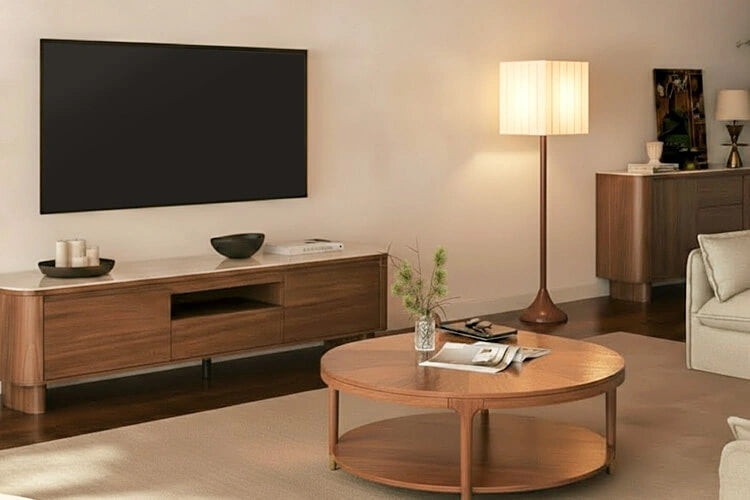


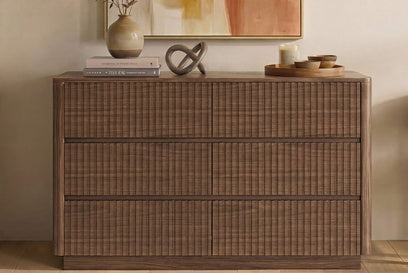
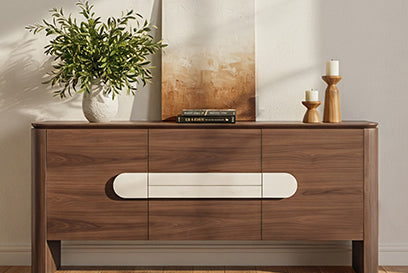








In 2026, the rise of 'appliance parking' has made hidden robot vacuum storage a priority for design-conscious homeowners who want to eliminate visible tech clutter in living rooms. A sideboard with robot vacuum dock offers one of the most practical ways to achieve a clean aesthetic while keeping the dock functional, provided you verify clearance, ventilation, and access early.

The trend emphasizes concealing bulky all-in-one docking stations that combine charging, mopping, and self-cleaning features. These units often create visual distraction in open-plan apartments or small living rooms. Modern sideboards can serve as stealth hubs when designed with the right internal layout, but only if the chosen model satisfies specific fit and performance conditions.
Many buyers regret selecting a cabinet that looks ideal but restricts robot movement, traps heat, or complicates maintenance. The decision usually comes down to two main approaches: under-sideboard docking with legged furniture or fully enclosed in-sideboard docking. Your room size, robot model, and tolerance for minor modifications will determine which path fits best. Always measure your specific dock first—standard clearance rules often exceed the internal dimensions of many off-the-shelf cabinets, so verification prevents frustration.
The 2026 Rise of Appliance Parking: Why Hide Your Robot Vacuum?
Appliance parking has become a central design focus in 2026, driven by the desire for invisible integration of smart-home devices. This Houzz report on 2026 home trends highlights how homeowners increasingly hide functional tech inside cabinetry to preserve a cohesive living space. Bulky all-in-one robot vacuum docks, which can stand over 17 inches tall with water tanks and drying systems, often disrupt the minimalist look many seek.
A sideboard with robot vacuum dock acts as an ideal stealth hub because it combines everyday storage with a dedicated charging zone near the wall. In open-plan apartments where robot traffic paths cross visible areas, concealment reduces visual noise without sacrificing daily automation. However, this only works when the furniture accommodates the robot's approach path, sensor requirements, and service needs.
Design-conscious buyers and smart-home owners should treat the sideboard as more than decorative furniture. It becomes part of the robot's operating environment. Apartment dwellers with limited space particularly benefit when the sideboard doubles as both media storage and a concealed station. The key is choosing a layout that aligns with your specific robot model and room constraints rather than assuming any cabinet will work.
For those exploring similar tech-integration ideas, see our guide on The 2026 Guide to Hiding Home Office Clutter: Sideboards as Stealth Tech Hubs.
What to Measure: Clearance and Spacing Requirements for Success
Before purchasing any sideboard with robot vacuum dock, measure three critical dimensions: side clearance, front approach space, and vertical service height. Manufacturers generally recommend at least 1.5 feet (0.5 meters) of clearance on both sides of the base and 4 feet (1.2 meters) of unobstructed space in front for reliable docking, according to iRobot's official placement guidelines. These figures help the robot's navigation system and infrared sensors align correctly.

All-in-one docks present a taller appliance challenge. Many 2026 models require significant overhead clearance—often 17 inches or more—to remove and refill water tanks without pulling the entire unit out. If your sideboard has fixed low shelves, maintenance becomes a repeated chore. The Roborock Qrevo dimensions illustrate how flagship docks exceed standard cabinet heights in many setups.
Deep recesses can also block infrared sensors and signal paths, causing the robot to circle endlessly or fail to dock. A three-part fit check helps here: footprint, vertical clearance, and service access. Legged sideboards with at least 4 inches of ground clearance often allow under-docking without major modifications, making them a lower-friction starting point for many users.
Hard, flat flooring (wood, tile, or concrete) proves far superior to thick carpet for docking accuracy, as confirmed in Roborock's device positioning advice. Avoid placing the sideboard near windows or reflective surfaces that could interfere with sensors.
This checklist acts as your primary filter. If your current space fails two or more of these measurements, an enclosed layout may require custom adjustments that not every buyer wants to undertake.
Choosing Your Layout: Legged vs. Enclosed Sideboards
The core decision usually splits between legged sideboards that allow under-docking and fully enclosed cabinets that provide maximum concealment. Legged designs, such as those with 4-inch or taller clearance, let the robot slide underneath without cutting into the furniture. This approach minimizes modification while maintaining easy access for bin emptying and sensor cleaning. However, the dock itself may remain partially visible from certain angles.
Enclosed layouts hide everything behind doors but demand careful planning. You will likely need to modify the back panel for ventilation, ensure a wide internal compartment for the robot's bumper, and maintain clear sightlines for docking. Models like the Bennett or Bowen offer adjustable internal shelves that can be configured for this purpose, though you should verify exact internal dimensions against your dock's footprint.
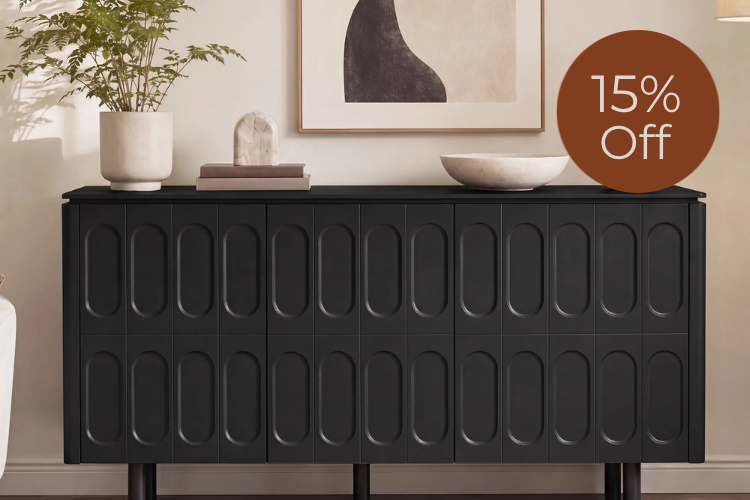
The chart above clarifies typical trade-offs reported across common setups. Legged options generally score higher on maintenance access and lower on required modifications. Enclosed designs excel at aesthetic integration but increase effort around heat and access. Many users with daily robot vacuum use prefer legged layouts like the 62" Clara Contemporary Wood Sideboard or 63" Elias Versatile Multi-Section Curved Sideboard for their adjustable features and cable management. Those prioritizing full concealment often choose the 67" Bennett Modern Spacious Multi-Zone Sideboard or 70" Bowen Fluted Wood Sideboard, provided they add ventilation.
Do not guarantee that any standard sideboard will fit every all-in-one dock without checking specifications. 100% docking reliability cannot be promised in fully enclosed spaces if sensors are obstructed.
How to Ventilate: Preventing Heat and Humidity Buildup
Enclosed robot vacuum docks generate heat, especially during mop-drying cycles. Internal cabinet temperatures should stay below 95°F (35°C) to protect electronics and extend hardware life, per guidance on enclosure cooling requirements. Passive ventilation often suffices for basic charging stations, but all-in-one units with drying functions benefit from active airflow planning.
The most effective approach uses a positive-pressure strategy: filtered intake vents near the bottom and exhaust near the top. Thin MDF back panels on many sideboards make it straightforward to install grilles without compromising structure. Avoid blocking the robot's path or creating pinch points for cables.
If your sideboard also houses a router or other devices, consider a small quiet fan. For standard single-dock use, well-placed passive grilles usually keep conditions within safe ranges. This step is non-negotiable for enclosed layouts—heat buildup is one of the most common reasons users eventually abandon hidden docking.
Our related article on The 2026 Master Guide to TV Stands and Media Consoles: Sizing, Storage, and Style covers similar ventilation principles that transfer directly to sideboard applications.
Wiring and Connectivity: Managing the Stealth Hub
Clean cable routing separates a professional-looking install from a cluttered one. Look for sideboards with built-in grommets or channels, such as those found in the Clara series, to route power cords and keep them away from the robot's wheels. Always use a surge protector and consider a smart plug for scheduled power management that aligns with your vacuum's routine.
If the sideboard serves as a broader tech hub, position any router or hub to avoid signal interference with the robot's navigation. Keep cables secured so they cannot be pinched when the robot docks or when cabinet doors close. This planning prevents both safety issues and performance drops.
For more on integrated tech storage, review Level Up Your Setup: The Best TV Stands for Gamers and High-End Consoles, which shares practical wiring lessons applicable here.
Maintaining Performance: Sensors, Surfaces, and Access
A hidden dock only succeeds if the robot can still dock reliably and you can perform routine maintenance easily. Hard, flat surfaces remain essential for accurate alignment with charging contacts. Thick area rugs in front of the sideboard frequently cause docking failures.
Keep any cabinet opening or "garage door" wide enough for the robot's full width including bumpers. Easy access for sensor cleaning and dust bin emptying avoids the regret of a system that works technically but becomes annoying in daily use. Many owners pull the robot out completely for tank maintenance with taller all-in-one models, so plan your shelf heights accordingly.
The Skip the Screws: Why Fully Assembled TV Stands Are the Ultimate 2026 Luxury Upgrade discusses similar long-term usability factors that apply to well-designed sideboards.
Final Checklist: Validating Your Sideboard Dock Setup
Use this checklist to confirm your setup before purchase or modification:
- Measure side, front, and vertical clearances against your exact dock model.
- Confirm hard flooring in the docking zone.
- For enclosed layouts, verify or plan ventilation grilles (bottom intake, top exhaust).
- Check internal shelf adjustability and service access for water tanks.
- Ensure cable paths avoid interference with robot movement.
- Test sensor sightlines by simulating the final position.
A decision matrix helps here. Choose legged layouts when maintenance ease and minimal modification matter most. Opt for enclosed designs primarily when full concealment outweighs added setup effort. Always measure your current dock height and width before shopping—many seemingly perfect sideboards require tweaks that some buyers prefer to avoid.
This validation step helps filter options early. If your space cannot meet at least four of the six checks without significant changes, consider a dedicated dock cabinet or visible station instead.
How Much Clearance Does a Robot Vacuum Dock Need Inside a Sideboard?
Most manufacturers recommend 18 inches of side clearance and 48 inches of front clearance for reliable docking. All-in-one models with tall drying towers often need an additional 17–20 inches of vertical clearance above the dock for tank removal. Always measure your specific unit rather than relying on averages, as deeper cabinet recesses can block infrared sensors even when horizontal space appears sufficient.
What Temperature Threshold Should I Maintain Inside a Cabinet With a Robot Vacuum?
Keep internal cabinet temperatures below 95°F (35°C). Mop-drying cycles on 2026 all-in-one docks can raise humidity and heat significantly. Passive grilles usually suffice for charging-only use, but add a low-noise exhaust fan if the cabinet also contains a router or experiences prolonged drying cycles. Monitor the first few weeks with a simple digital thermometer placed near the dock.
How Do I Route Cables for a Hidden Robot Vacuum Dock Without Pinching Wires?
Use existing cable grommets in the sideboard or drill small, reinforced holes in the back panel well above floor level. Secure all cords with clips so they cannot fall into the robot's path. Position the surge protector inside the cabinet on an elevated shelf, and test docking several times after routing to confirm no interference occurs. Smart plugs with scheduling features reduce the need for constant power cycling.
Can a Robot Vacuum Reliably Dock Through a Narrow Cabinet Opening?
It depends on the opening width and the robot's bumper design. Most models need at least 2–3 inches of clearance on each side of the dock within the opening. Recessed placements deeper than 6–8 inches frequently cause repeated docking failures due to sensor blockage. Test with your specific robot before committing to permanent modifications; many users find a low-threshold ramp or slight floor-level cutout improves reliability in tight enclosures.
Should I Choose a Legged Sideboard or a Fully Enclosed One for Robot Vacuum Integration?
Legged sideboards generally offer easier maintenance and fewer modifications, making them the safer starting point for most users. Fully enclosed designs provide superior concealment but require ventilation planning, back-panel work, and careful shelf configuration. Choose based on whether daily access or a completely invisible look matters more in your living room. Verify your robot model's height and your willingness to perform minor DIY adjustments before deciding.
Recommended Products


More to Read
 7 Sofa Trends That Actually Improve Comfort in 2026
Upgrade your living room with furniture that supports your body. Here are 7 modern sofa features designed to maximize your daily comfort...
7 Sofa Trends That Actually Improve Comfort in 2026
Upgrade your living room with furniture that supports your body. Here are 7 modern sofa features designed to maximize your daily comfort...
 Mother's Day Gift Guide: Cozy and Stylish Furniture Picks for Modern Moms
Make Mother's Day more meaningful with furniture gifts that bring comfort, smart features, storage, and quiet luxury into her everyday routine.
Mother's Day Gift Guide: Cozy and Stylish Furniture Picks for Modern Moms
Make Mother's Day more meaningful with furniture gifts that bring comfort, smart features, storage, and quiet luxury into her everyday routine.
 Performance Fabric Reality Check: Does It Really Repel Pet Hair and Stains?
Performance fabric is often marketed as a miracle solution for homes with pets and kids, but the reality is more nuanced. It...
Performance Fabric Reality Check: Does It Really Repel Pet Hair and Stains?
Performance fabric is often marketed as a miracle solution for homes with pets and kids, but the reality is more nuanced. It...