























Small Space, Big Spec: The 2026 Definitive Guide to Compact Power Seating

Compact power recliners solve the core tension in small apartments and cozy rooms: delivering full-recline comfort and modern features without swallowing precious floor space or disrupting traffic flow. In 2026, wall-hugger mechanisms and zero-gravity designs, paired with cordless options, let you reclaim layout flexibility that traditional bulky recliners often sacrifice.
集群地图

The Evolution of Compact Comfort: Why Power Seating Wins in 2026
Traditional manual recliners often force a trade-off between comfort and room usability. Their bulky frames and wide swing arcs make them feel oversized in apartments or narrow living rooms, crowding walkways and making the space feel smaller. Power seating changes this equation by offering precise, motor-driven adjustments that let you fine-tune headrest, lumbar, and recline positions without the physical effort or visual heaviness.
Micro-adjustments help avoid the "slouch trap" common in small setups, where limited seating options lead to poor posture during long sessions. Power systems also contribute to a sense of visual lightness—clean lines and streamlined profiles make the room feel more open compared to oversized manual pieces. For apartment dwellers and those designing multipurpose spaces, this shift from bulky to engineered comfort is a practical upgrade that prioritizes both daily use and room balance.
Many shoppers upgrading from manual to power systems notice immediate improvements in usability, especially in tight layouts where every inch counts. The key is focusing on operational footprint—the space the chair actually needs while moving—rather than just its static dimensions.
The Science of Compact Comfort: Wall-Hugger vs. Zero-Gravity Technology
Wall-hugger and zero-gravity recliners address small-space challenges in different ways. Wall-huggers use a sliding mechanism that moves the seat forward as the back reclines, typically requiring only 2–6 inches of rear clearance. This design keeps the chair close to the wall, preserving floor space in apartments where every inch behind the furniture matters.
Zero-gravity recliners, by contrast, draw from NASA research on Neutral Body Posture, which identified an approximately 127-degree trunk-to-thigh angle that reduces stress on the spine and improves circulation. When reclined, these chairs elevate the legs above the heart, creating a weightless sensation that many find helpful for back relief and recovery.
The critical difference lies in operational footprint—the total space claimed during full recline. Wall-huggers minimize rear intrusion but still extend forward, while zero-gravity models often need more total depth for the full recline arc and elevated leg position. In rooms under 100 square feet, this can create walkway conflicts or make the space feel tighter.
For most small-room scenarios, a wall-hugger is the safer choice when clearance and circulation are the primary constraints. Zero-gravity becomes preferable only when the room can accommodate its larger recline zone without blocking primary paths. This scenario split helps explain why one technology does not universally outperform the other in compact living.

Exact Specs: How Much Clearance Does Your Power Seating Really Need?
Clearance requirements for power recliners go beyond simple width and depth measurements. Focus first on rear clearance—the gap needed between the chair and the wall. Wall-hugger models generally need just a few inches, but many "space-saving" options still require 10–14 inches in practice, so always verify with the specific mechanism.
Front extension during recline often matters more in narrow rooms. A chair that slides forward can intrude into walkways, turning a comfortable seat into an obstacle. The common planning heuristic is to maintain at least 36 inches for primary walkways and 30 inches for secondary paths to preserve comfortable traffic flow.
Use this verification checklist before purchase:
- Measure from the wall to your intended chair position and add the chair's full recline depth.
- Check doorway widths and pivot points if the chair will be moved frequently.
- Test the full recline arc in your actual space whenever possible, accounting for user height and leg extension.
These steps help avoid the common regret of buying a recliner that technically fits statically but disrupts daily movement. In small apartments, operational footprint usually determines real-world success more than marketing claims about "zero clearance."
Mastering the Layout: Strategic Placement for Small Living Rooms
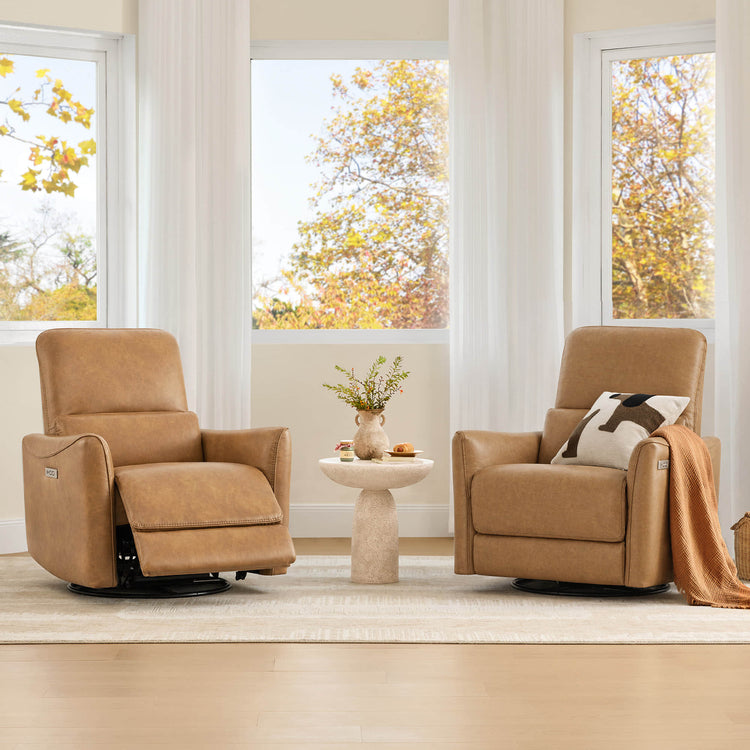
Treat a power recliner as an "island" piece in studio apartments or open plans rather than pushing it flat against a wall. Corner placement often works well for nurseries, dens, or reading nooks because it preserves central walkways while still allowing full recline.
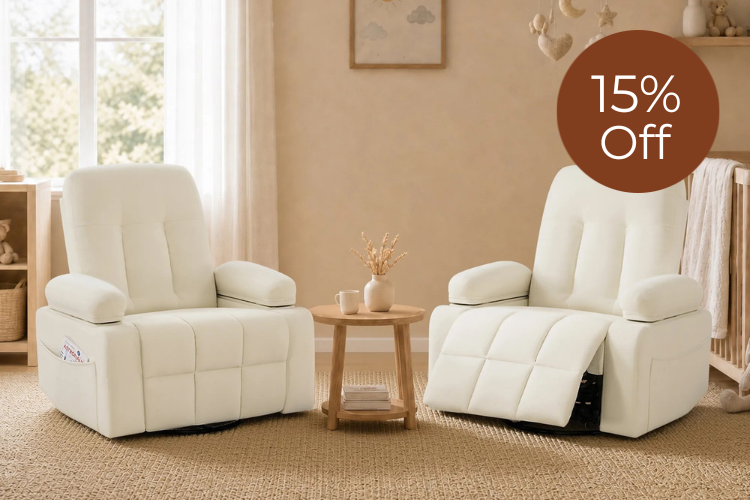
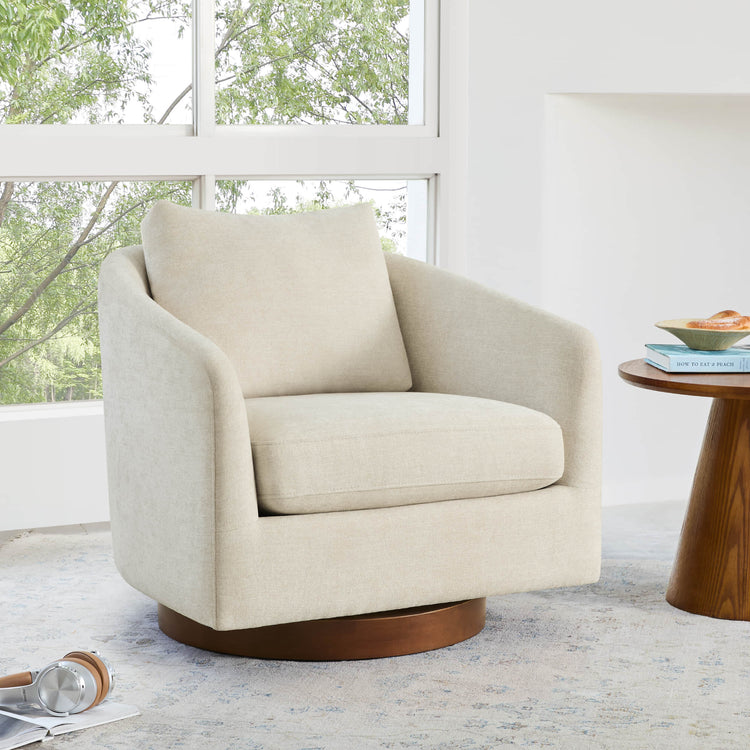
In narrow living rooms, position the chair to maintain natural light paths and avoid blocking doors or high-traffic routes. Wall-adjacent setups suit wall-huggers best, but leave enough front clearance so the extended footrest does not impede movement. For multipurpose guest rooms, choose a swivel glider model that lets you rotate toward different focal points without repositioning the entire chair.
This guide to zero gravity and wall-hugger recliners for small spaces offers additional examples of balancing comfort with circulation. The goal is to integrate the recliner so the room still feels open and functional, not dominated by one piece of furniture. Preserving 36-inch walkways around the chair usually separates layouts that feel spacious from those that feel cramped.
Many small-space dwellers find that placing the recliner near a window or in a corner opposite the main entry creates better flow than centering it. Always walk the full room path with the chair in both upright and reclined positions before committing to a spot.
Beyond the Cord: The 2026 Tech Revolution in Power Seating
Cordless power seating using high-capacity lithium-ion batteries has become a defining trend for 2026, enabling truly floating layouts away from outlets. This removes visible cords that can create trip hazards or visual clutter in compact rooms. However, battery-powered models still require periodic charging, so they work best when placement allows easy access without rearranging furniture.
If the chair needs frequent trips to an outlet or creates new cable-management issues, it simply relocates the small-space problem rather than solving it. Smart integration via protocols like Matter and voice control further reduces physical interaction, letting you adjust positions without getting up—valuable in tight quarters where reaching for controls can be awkward.
Hidden features such as USB-C ports and integrated touch controls maintain clean aesthetics, avoiding the tech-heavy look that can make small rooms feel busier. For most apartment setups, cordless capability delivers the highest value when paired with a layout that truly keeps the chair away from walls and outlets for days at a time.
Safety remains essential: power systems should meet established standards for motor-operated furnishings. Battery life is finite and depends on usage patterns, so treat cordless as a convenience with maintenance requirements rather than a completely hands-off solution.
2026 Purchase Criteria: Technology, Safety, and Materials
Safety comes first when selecting power recliners, particularly for households with children or pets. Look for compliance with UL 962 standards for household furnishings and awareness of developing ASTM specifications aimed at preventing child entrapment. These provide a baseline for mechanical and electrical reliability.
Material choice affects both durability and perceived space. Performance fabrics resist wear and stains better in high-use small rooms, while top-grain leather offers a premium feel but may show creases or require more care. Choose based on your household's actual traffic and cleaning habits rather than appearance alone.
Power features should match your needs: power headrest and lumbar adjustment provide the most benefit for posture in limited seating arrangements. Consider noise levels—some motors operate more quietly than others, which matters in nurseries or shared walls. Finally, understand return policies: many direct-to-consumer purchases carry restocking fees if the original packaging is discarded, making precise pre-purchase measurement even more critical.
For deeper insight into power versus manual options, review this comparison of power vs. manual recliners.
Final Decision: Choosing Your 2026 Compact Power Seating Solution
The right compact power recliner depends on whether your priority is minimizing rear clearance and preserving walkways or maximizing health-oriented recline benefits. Wall-hugger designs generally suit the tightest rooms where operational footprint must stay close to the wall line. Zero-gravity models become the stronger option as room size increases and you can dedicate space for the full recline arc and elevated leg position.
Perform an operational footprint check in your actual space: measure the full arc including front extension, confirm at least 36 inches of walkway clearance in primary paths, and verify that the chosen mechanism aligns with your room's constraints. This single verification step prevents most post-purchase regret.
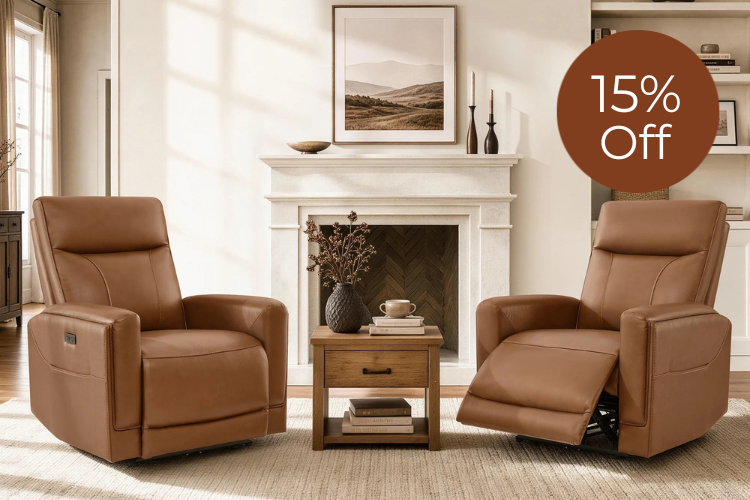
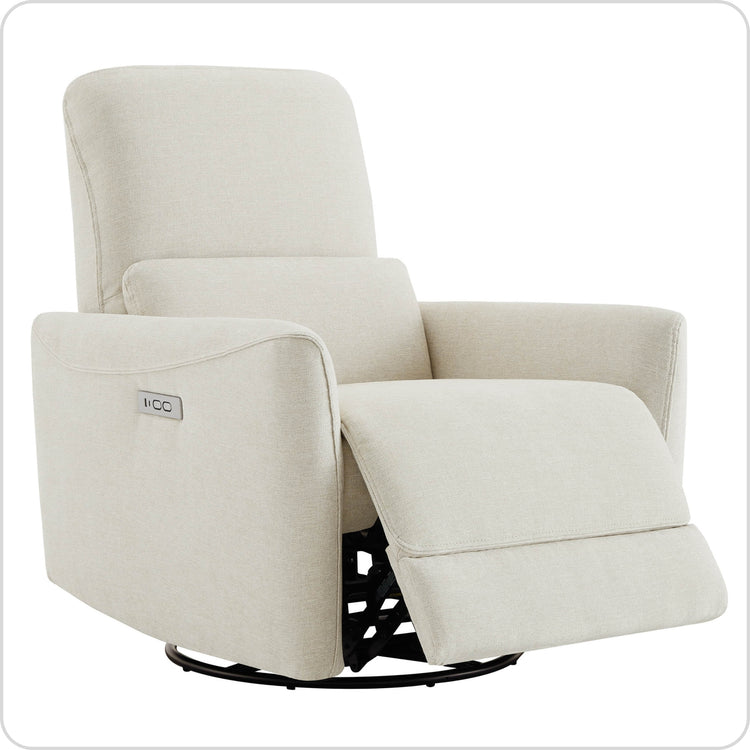
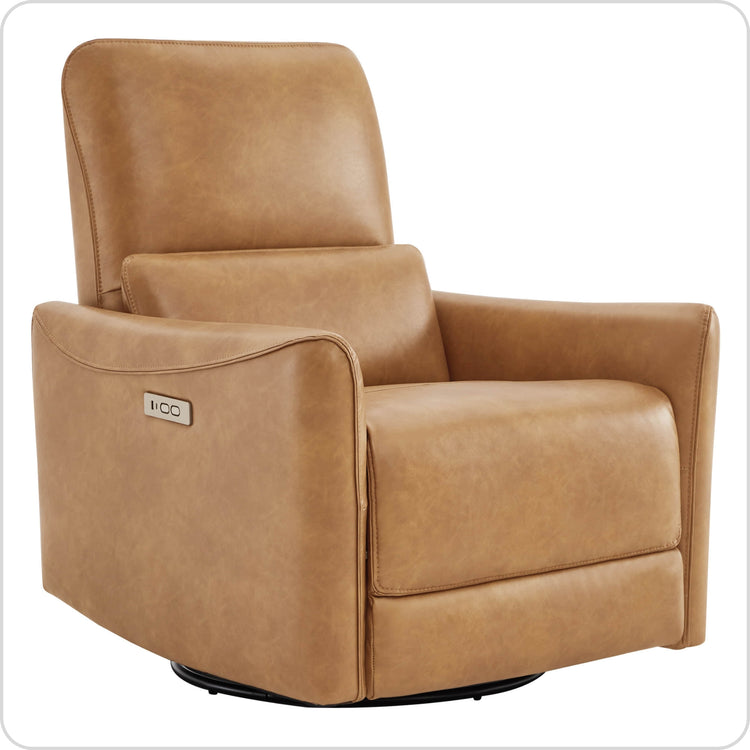
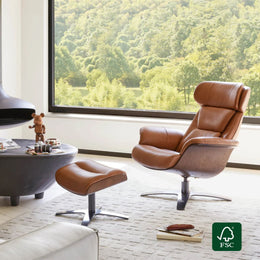
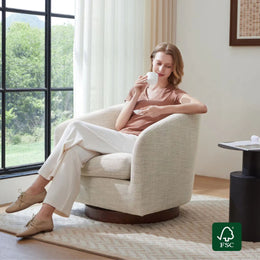
Shoppers ready to upgrade should explore power recliners with headrest or specific models like the Vinca Modern Power Swivel Glider Recliner for its swivel capability in tight corners, or the Noah Zero-Gravity Genuine Leather Recliner when health-focused recline fits the layout. Consider clearance recliners for current deals on compact options.
Additional practical advice is available in this wall-hugger recliner clearance guide and our overview of best small-space power recliners. With the right choice, 2026 power seating delivers big comfort without compromising your compact living room layout.
Chart: Wall-Hugger vs Zero-Gravity in Small Rooms
Wall-Hugger vs Zero-Gravity in Small Rooms
A bounded fit comparison for compact spaces: the better choice depends on whether clearance and walkway space matter more than recline-zone comfort.
View chart data
| Category | Wall-Hugger fit | Zero-Gravity fit |
|---|---|---|
| <100 sqft | 3.0 | 2.0 |
| 100–150 sqft | 2.0 | 3.0 |
This chart helps visualize the scenario split using bounded fit tiers derived from typical room sizes, clearance needs, and walkway heuristics. Higher values indicate generally better alignment with that room type's constraints.
Frequently Asked Questions
How much space do you need behind a wall-hugger recliner? Most wall-hugger mechanisms are designed for 2–6 inches of rear clearance, though real-world performance varies by model. Always measure your specific chair's full recline arc, including front extension, rather than relying on the label alone.
Can a zero-gravity recliner work in a very small apartment? It can if the room allows for the full recline depth and maintains 36-inch walkways. In spaces under 100 square feet, the larger operational footprint often makes wall-hugger designs more practical unless health benefits are the top priority and layout adjustments are possible.
Are cordless power recliners truly maintenance-free? No. While they eliminate constant cords, batteries require periodic charging. They deliver the most value in layouts where the chair can stay away from outlets for several days without creating new access issues.
What safety features should I prioritize in 2026 power recliners? Look for UL 962 compliance for electrical and mechanical safety, and be aware of ASTM efforts addressing child entrapment risks. These standards provide important baselines, especially for homes with young children or pets.
Is it better to place a recliner in a corner or against a wall in a small room? Corner placement often preserves better traffic flow and natural light while still allowing full recline. Wall-adjacent works for wall-huggers but requires verifying that the extended footrest does not block primary paths.
Do power recliners make small rooms feel smaller? They can if the operational footprint intrudes on walkways or the visual design is bulky. Streamlined models with clean lines and appropriate sizing usually maintain or even enhance the sense of openness when placed thoughtfully.
Recommended Products

More to Read
 7 Sofa Trends That Actually Improve Comfort in 2026
Upgrade your living room with furniture that supports your body. Here are 7 modern sofa features designed to maximize your daily comfort...
7 Sofa Trends That Actually Improve Comfort in 2026
Upgrade your living room with furniture that supports your body. Here are 7 modern sofa features designed to maximize your daily comfort...
 Mother's Day Gift Guide: Cozy and Stylish Furniture Picks for Modern Moms
Make Mother's Day more meaningful with furniture gifts that bring comfort, smart features, storage, and quiet luxury into her everyday routine.
Mother's Day Gift Guide: Cozy and Stylish Furniture Picks for Modern Moms
Make Mother's Day more meaningful with furniture gifts that bring comfort, smart features, storage, and quiet luxury into her everyday routine.
 Performance Fabric Reality Check: Does It Really Repel Pet Hair and Stains?
Performance fabric is often marketed as a miracle solution for homes with pets and kids, but the reality is more nuanced. It...
Performance Fabric Reality Check: Does It Really Repel Pet Hair and Stains?
Performance fabric is often marketed as a miracle solution for homes with pets and kids, but the reality is more nuanced. It...