

















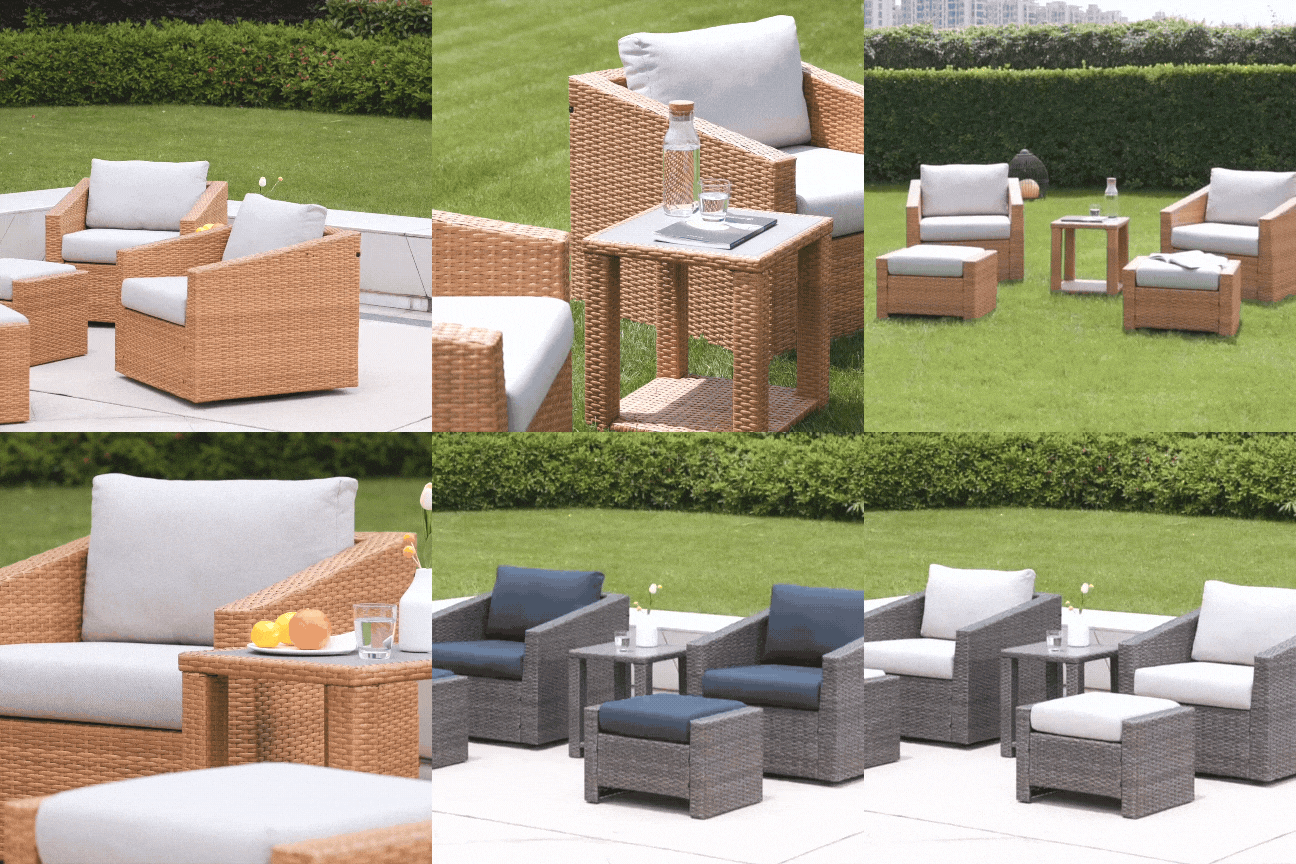







The 2026 Home Recovery Hub: A Pillar Guide to Wellness Seating

Wellness recliners have become essential 2026 home infrastructure, bridging biohacking performance with aging-in-place safety. Rather than generic comfort seating, these chairs deliver targeted mechanical support—zero-gravity positioning for spinal decompression and circulation, or power-lift assistance for safer standing—while maintaining sleek, high-design aesthetics that blend into living rooms. The right choice depends on whether your primary need is deep recovery recline or reliable mobility help.
Sources
- Ergonomic Recovery: Why Power Gliders Are Essential for Postpartum Healing
- The Athlete’s Recovery Station: Optimizing Zero Gravity for Muscle Repair
- Zero Gravity Recliners: The Ultimate Home Recovery Station

What Is a Wellness Recliner? Defining the 2026 Standard
A wellness recliner goes beyond traditional recliners by functioning as dedicated recovery infrastructure. It incorporates precise mechanical positioning rooted in NASA research that identifies "Neutral Body Posture" (NBP) as the position the human body naturally assumes in microgravity, which places the musculoskeletal system in its most rested condition (NASA Spinoff).
In 2026 models, this translates to quiet multi-motor systems, power-adjustable lumbar and headrests, and designs that hide therapeutic capabilities behind top-grain leather or performance fabrics. These chairs support multiple daily use cases—from post-workout down-regulation to easier daily transitions—without looking like clinical equipment. The shift reflects growing demand for preventive wellness tools that fit modern homes rather than dedicated medical suites.
For most users, the first self-check is whether your main challenge involves prolonged sitting with spinal pressure or repeated difficulty standing. This distinction guides nearly every later decision.
The Science of Zero-G: Why Elevation Matters for Recovery
Zero-gravity positioning creates a trunk-to-thigh angle of approximately 128 degrees that mimics the neutral body posture astronauts assume in microgravity. This configuration helps offload musculoskeletal stress and reduces mechanical pressure on the spine, according to NASA-derived standards (Wikipedia - Neutral Body Posture).
What this means in practice is that your back experiences less compression than in upright or poorly reclined positions. Elevating the legs above heart level further supports fluid shifts that can ease leg heaviness. While individual results vary, many users report this position feels immediately more restorative for reading, resting, or light breathing exercises after training.
The chart below helps visualize how Zero-G and Power-Lift features align with common goals. It uses safe High/Medium/Low tiers derived from biomechanical principles and occupational therapy guidance rather than clinical measurements.
Wellness Recliner Feature Fit by User Goal
A simple fit map to help readers match chair features to the most relevant everyday goal: Zero-G leans toward recline-based recovery comfort, while Power-Lift leans toward assisted standing and easier transfers.
View chart data
| Scenario | Athletic recovery | Spinal unloading comfort | Circulation support | Aging in place | Safer standing aid |
|---|---|---|---|---|---|
| Zero-G | 3.0 | 3.0 | 2.0 | 1.0 | 1.0 |
| Power-Lift | 1.0 | 1.0 | 1.0 | 3.0 | 3.0 |
For athletes or those focused on daily decompression, this positioning often serves as the foundation of a recovery routine. It is generally less ideal as a primary solution if frequent safe standing is your biggest friction point.
Power-Lift Technology: Essential Support for Aging-in-Place and Mobility
Power-lift recliners use motorized mechanisms to gently tilt the entire chair forward, helping users move from seated to standing with reduced joint strain. Occupational therapists recommend lift recliners to support safe transfers, reduce the risk of falls, and promote independence for individuals with limited mobility or those aging in place (Occupational Therapist Guide).
This "zero-transfer" concept minimizes the effort required at the hips and knees. Reliable dual or triple motors, smooth motion, and intuitive controls matter most for users with dexterity limitations or balance concerns. In real homes, the best setups position the chair with enough wall clearance for full lift while keeping it integrated into the living space.
A common regret occurs when buyers choose a lift model primarily for lounging comfort only to find the recline range limited compared to dedicated zero-gravity options. Check your dominant need—easy egress versus deep recline—before prioritizing one technology.

Recovery Seating for Athletes: Biohacking Your Rest Days
Athletes increasingly treat a zero-gravity recliner as the central anchor of a home recovery hub. The 128-degree position combined with intentional breathing can support nervous system down-regulation, with some clinical observations noting improvements in heart rate variability markers when used consistently (Study on HRV and Zero Gravity Chairs). Frame these as potential supportive benefits rather than guaranteed outcomes.
Effective stacking often includes pairing the chair with short breathwork, light therapy, or simply scheduled rest. The Sable Super Zero-gravity Triple-Motor Power Recliner exemplifies this approach with its super zero-gravity capability, power lumbar and headrest, and hidden storage that keeps recovery tools nearby without disrupting room aesthetics.
The key friction is consistency: the chair must feel inviting enough for daily 15–30 minute sessions rather than occasional use. High-design models that avoid a clinical appearance tend to stay in regular rotation.
Comparing Use Cases: Athletes, Seniors, and Post-Op Recovery
Different users prioritize different outcomes. A marathoner focused on spinal unloading and circulation after long runs will usually benefit most from true zero-gravity positioning. A senior prioritizing safe standing and fall prevention will typically find greater value in a dedicated power-lift mechanism.
Post-operative or joint-stiffness scenarios often benefit from professional assessment. Proper seating considerations for medical history, such as post-surgery recovery or chronic conditions, help ensure the chair aligns with long-term mobility goals (COTO Resource). In these cases, a hybrid model offering both lift and strong recline capability can serve temporary intensive needs while remaining useful long-term.
Quick decision filter:
- Primary challenge is standing up safely or reducing fall anxiety → prioritize power-lift.
- Primary challenge is back tension, post-training fatigue, or prolonged sitting discomfort → prioritize zero-gravity.
- Both needs are present or needs may evolve → consider multi-motor hybrids with independent controls.
Models like the Davin Power Lift Assist Infinite Position Recliner or Atlas Modern Zero-Gravity Power Recliner illustrate different points on this spectrum. Always verify weight capacity, motor smoothness, and recline range against your specific height and room layout.
For related perspectives on athletic applications, see our guide to Biohacking Your Living Room: Using Zero Gravity Recliners for Daily Athletic Recovery. Seniors exploring long-term independence options may also benefit from Choosing the Best Lift Chair Recliners for Aging in Place in 2026.
From Pressure Relief to Circulation: The Practical Outcomes of Wellness Seating
Daily use of properly positioned wellness seating translates technical capabilities into noticeable practical differences. Leg elevation above heart level, supported by zero-gravity designs, facilitates better circulation by helping manage fluid dynamics, as explored in NASA cardiovascular research (NASA Technical Report).
Power lumbar and headrest adjustments help users avoid the "slouch trap" common in static recliners, where initial comfort gives way to neck or lower-back strain after 30–45 minutes. Our deeper exploration of these dynamics appears in Beyond Comfort: How Lift Chairs and Zero-Gravity Recliners Support Wellness at Home.
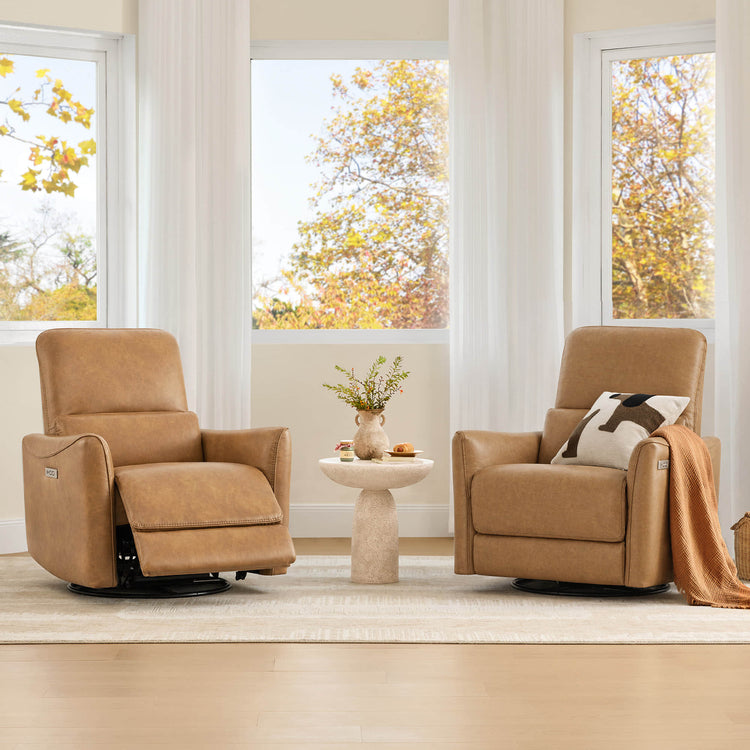
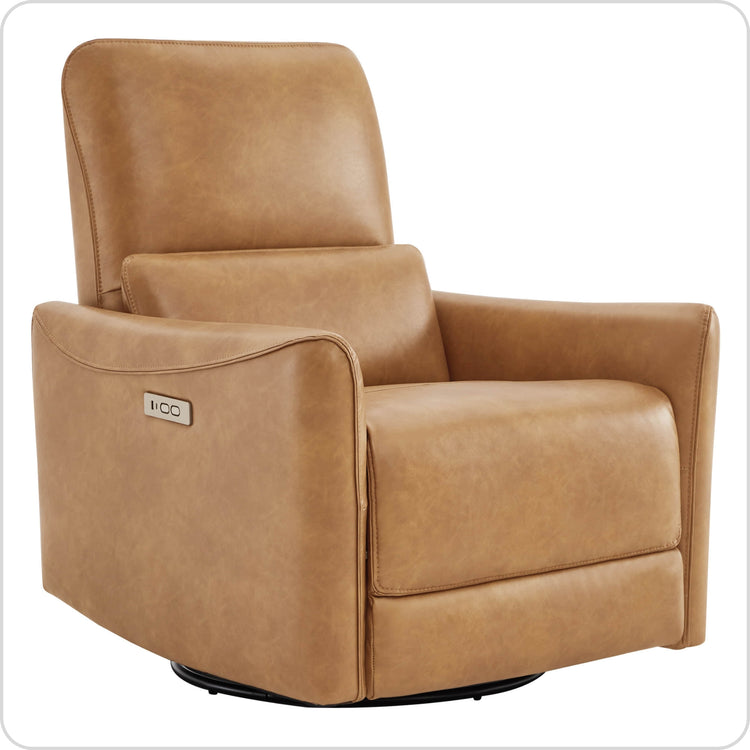
"Invisible technology" defines 2026 success: the chair looks like premium living room furniture while delivering medical-grade positioning. Top-grain leather or performance fabrics that resist wear from frequent use maintain appearance over years. The Maxwell Genuine Leather Swivel Glider Recliner with Power Lumbar & Headrest demonstrates how these features integrate without visual clutter.
Setting Up Your 2026 Home Recovery Hub: Buying and Placement Criteria
Successful setups begin with space planning. Wall-hugger designs need only 4–6 inches of clearance, while full-recline zero-gravity models may require 12–18 inches behind and several feet in front. Measure your intended corner before shopping.
Control options matter for daily usability. Integrated side panels suit users with good dexterity; large-button or magnetic remotes better serve those with arthritis or limited hand strength. Look for USB charging ports and cup holders that reduce the need to stand repeatedly.
Material choice affects both longevity and maintenance in recovery environments. Performance fabrics from collections like Performance Fabric resist stains from lotions or drinks, while top-grain leather offers a premium feel that improves with conditioning. Check weight capacity (typically 300–350 lbs for robust models) and warranty coverage for motors.
Our guide to Circulation and Edema Relief: Why Power Lift Chairs are 2026 Wellness Essentials provides additional detail on selecting for specific physiological support needs. For back-pain focused selections, review Finding Relief: The Best Zero Gravity Recliners for Back Pain in 2026.
The Future of Home Wellness: Investing in Your Infrastructure
Wellness seating represents a shift toward proactive home infrastructure rather than reactive medical purchases. A quality zero-gravity or power-lift recliner that matches your dominant use case can serve as a daily anchor for recovery, mobility support, or both for 8–12 years with proper care.
The strongest long-term value comes when the chair becomes part of your normal routine rather than a special-purpose tool stored in a corner. Match the mechanical capabilities, aesthetic integration, and control simplicity to your 2026 lifestyle goals—whether that means faster athletic rebound, sustained independence, or simply more comfortable daily living. Test in person when possible, verify all specifications against your room and body measurements, and prioritize models with strong motor warranties.
By treating recovery seating as infrastructure, many households discover improved daily comfort and greater peace of mind about long-term mobility without compromising their home design.
FAQs
Are Zero-Gravity Recliners Worth It for Daily Recovery in 2026?
Zero-gravity recliners deliver meaningful value when your primary goals involve spinal decompression, circulation support after activity, or restorative rest. The 128-degree positioning and leg elevation provide a distinct physiological advantage over standard recliners for these uses. They are usually less optimal if safe standing assistance is your dominant daily need. Hybrid triple-motor models can address both but typically cost more. Test the recline angle and motor smoothness in person before purchasing.
How Do Power Lift Recliners Help Seniors With Mobility?
Power lift recliners tilt forward from a seated position, reducing the effort and joint stress required to stand. This support promotes independence and can lower fall risk during transitions. Key factors include motor reliability, easy-to-use controls, proper seat height for the user’s leg length, and sufficient weight capacity. Occupational therapy guidance emphasizes matching the chair to the individual’s specific mobility profile rather than choosing based on features alone.
Can a Wellness Recliner Replace Medical Equipment for Post-Op Recovery?
Wellness recliners provide supportive assistance for post-operative rest and easier movement but do not replace prescribed medical equipment or professional rehabilitation plans. They can reduce strain during home recovery phases when chosen with input from your care team. Focus on models offering both lift capability for safe standing and adjustable recline for comfortable positioning. Always follow medical advice regarding positioning and activity levels.
What Should I Look for in a Wellness Recliner for Back Pain Relief?
Prioritize true zero-gravity positioning that reaches at least a 128-degree trunk-to-thigh angle, power-adjustable lumbar support, and an independent power headrest to maintain neutral neck alignment. Avoid static recliners that encourage slouching. Check for high-density foam that retains support over time and smooth, quiet motors for frequent position changes. Leather or performance fabric finishes that allow easy cleaning are practical for daily use. Measure your space for full recline clearance.
How Do I Choose Between Zero-Gravity and Power-Lift Recliners?
Choose based on your dominant need. Zero-gravity models excel for athletes or anyone prioritizing spinal unloading, circulation, and deep rest. Power-lift models are generally better for seniors or anyone who struggles with standing. If both needs are significant or may increase with age, select a multi-motor hybrid. Consider room layout, aesthetic preferences, weight capacity, and control ease. The heatmap earlier in this guide offers a quick visual reference for common scenarios.
Are Wellness Recliners Suitable for Small Living Rooms?
Many 2026 models use wall-hugger or compact designs that require minimal clearance. Measure from the wall to your intended footrest extension point when fully reclined. Power-lift and zero-gravity functions can work in tighter spaces if you select the correct mechanism type. Look for swivel or glider options only if you have sufficient floor space. High-design aesthetics ensure the chair enhances rather than dominates the room.
Recommended Products


More to Read
 7 Sofa Trends That Actually Improve Comfort in 2026
Upgrade your living room with furniture that supports your body. Here are 7 modern sofa features designed to maximize your daily comfort...
7 Sofa Trends That Actually Improve Comfort in 2026
Upgrade your living room with furniture that supports your body. Here are 7 modern sofa features designed to maximize your daily comfort...
 Mother's Day Gift Guide: Cozy and Stylish Furniture Picks for Modern Moms
Make Mother's Day more meaningful with furniture gifts that bring comfort, smart features, storage, and quiet luxury into her everyday routine.
Mother's Day Gift Guide: Cozy and Stylish Furniture Picks for Modern Moms
Make Mother's Day more meaningful with furniture gifts that bring comfort, smart features, storage, and quiet luxury into her everyday routine.
 Performance Fabric Reality Check: Does It Really Repel Pet Hair and Stains?
Performance fabric is often marketed as a miracle solution for homes with pets and kids, but the reality is more nuanced. It...
Performance Fabric Reality Check: Does It Really Repel Pet Hair and Stains?
Performance fabric is often marketed as a miracle solution for homes with pets and kids, but the reality is more nuanced. It...