
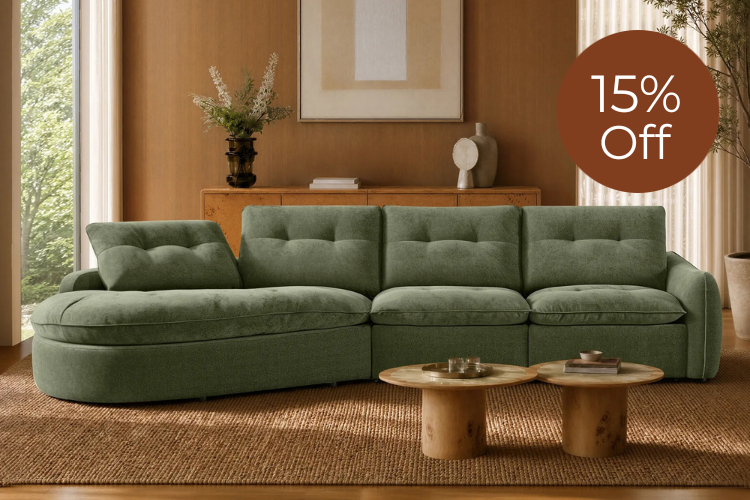
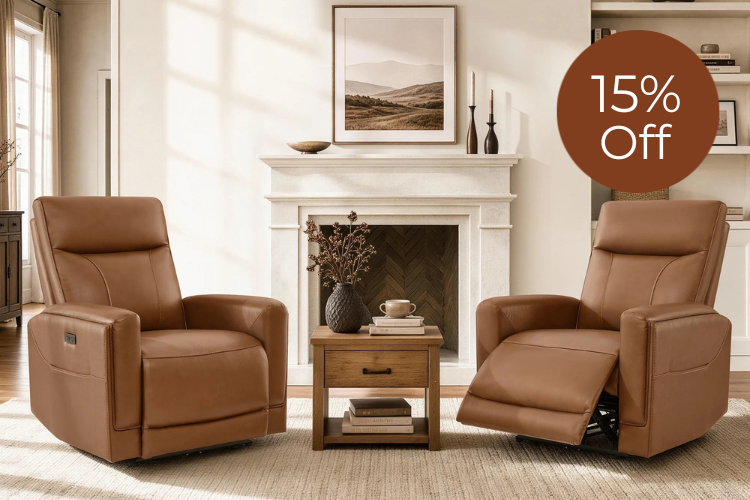
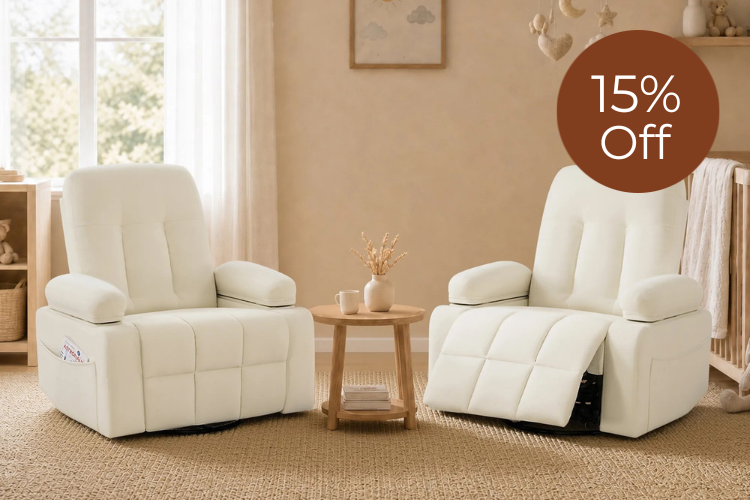
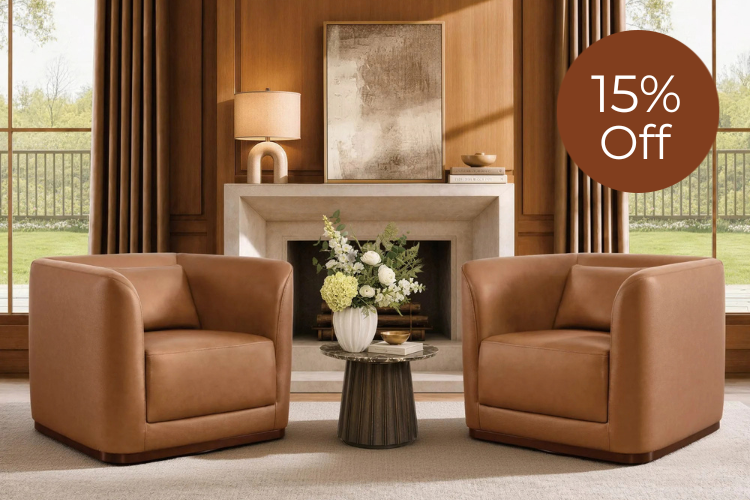


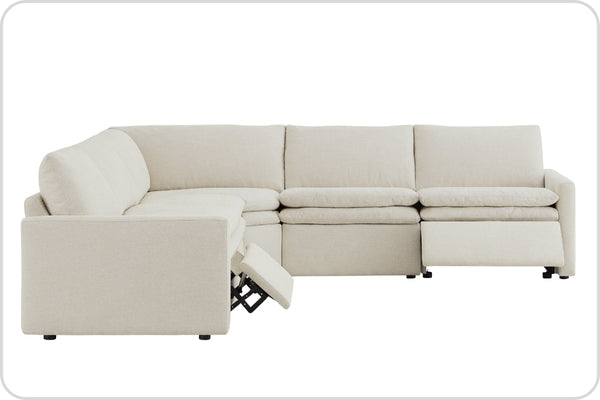






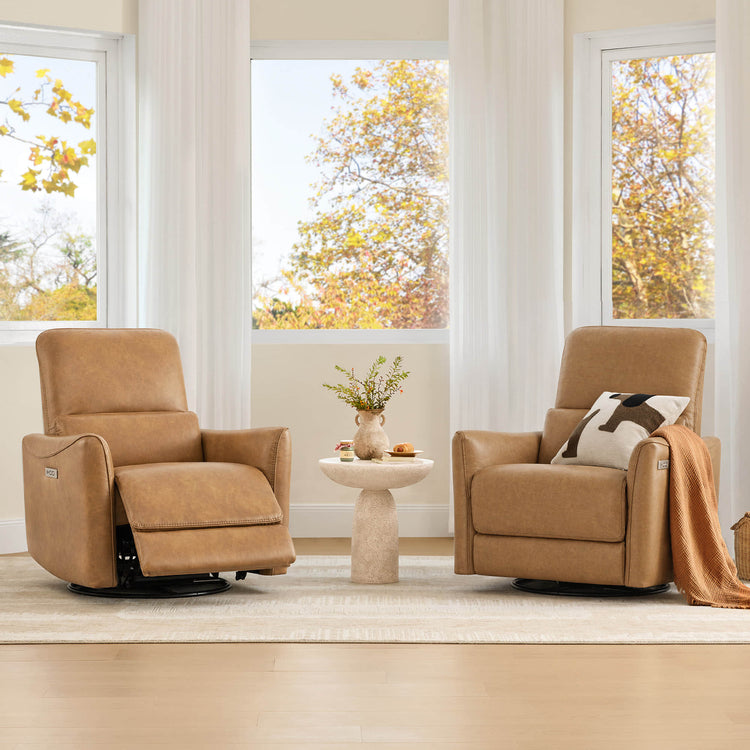
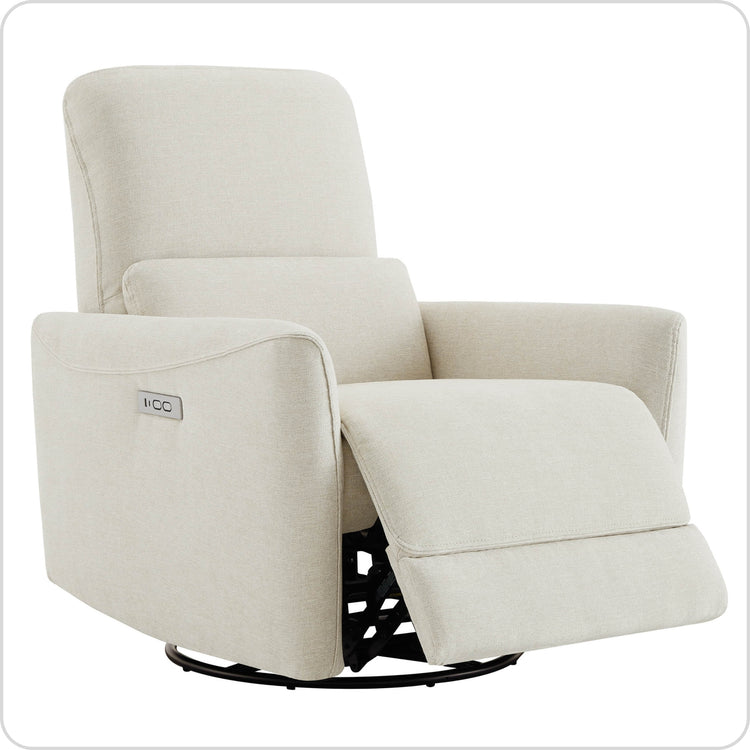
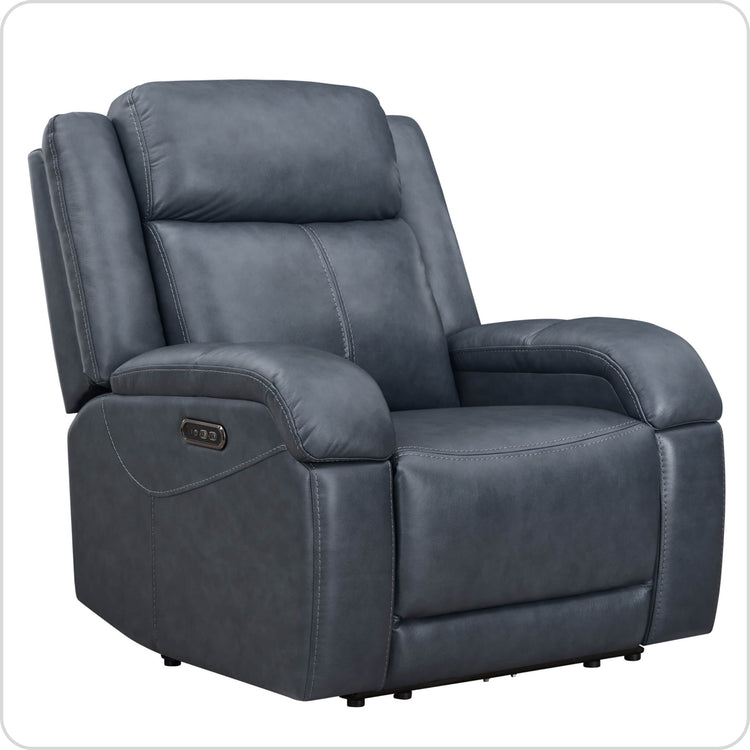
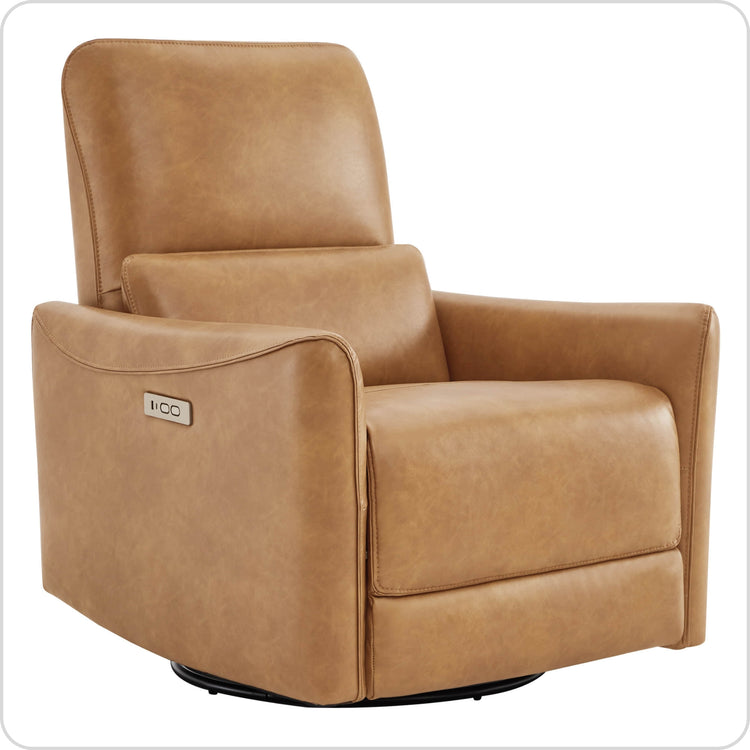
















Design-conscious homeowners can now enjoy theater-level comfort without the bulky, dated look of traditional recliners. In 2026, power reclining sectionals with hidden mechanisms, power-adjustable headrests, and zero-wall designs deliver ergonomic support and clean lines that blend seamlessly into modern living rooms or dedicated media spaces.

The key decision is matching the sectional's configuration and features to your primary use: immersive movie nights versus everyday family lounging. Straight-row modular layouts generally preserve optimal sightlines in dedicated theaters, while L-shaped designs offer better social flexibility in multipurpose rooms. Checking seat depth (aim for 22 inches or more), wall-hugger clearance, and independent power controls helps avoid comfort compromises hidden behind a slim silhouette.
The 2026 Shift: Why Power Reclining Sectionals Are Replacing Traditional Theater Seats
Traditional fixed theater seating often creates a heavy, dedicated look that clashes with evolving home aesthetics. Today's shoppers want modular power reclining sectionals that provide full recline, adjustable support, and integrated charging without dominating the room visually. This shift reflects a broader preference for "stealth luxury"—furniture that hides advanced motion technology behind sleek profiles.
Power reclining sectionals address the core conflict by using wall-hugger mechanisms and concealed motors. These allow full recline in tighter spaces while maintaining clean lines. For families hosting weekly movie nights, the ability to customize headrest and lumbar positions per seat improves ergonomics without forcing everyone into identical fixed positions. The result is a versatile piece that serves both dedicated viewing and casual living.
Yet not every slim design succeeds. Thin arms or low backs can reduce internal foam volume, leading to fatigue during longer films. A practical self-check is to verify seat depth and recline range in person or via detailed specs before purchase.
Comparing Comfort vs. Aesthetics: The "Hidden Tech" Threshold
A stylish reclining sectional succeeds for home theaters only when its modern look does not sacrifice seating support. The hidden-tech threshold separates low-profile designs that still deliver theater-grade comfort from those that look good but fall short during extended viewing.
Wall-hugger mechanisms represent a core benchmark. As this reclining sectionals guide notes, modern designs require as little as 4-6 inches of rear clearance for full recline. This enables placement closer to walls, preserving floor space in media rooms without forcing a floating layout.
Look beyond visual thinness. Check for adequate cushion depth (typically 22 inches or more for adults) and independent power controls for headrest, lumbar, and footrest. Slim-arm models sometimes compress foam volume, causing discomfort after two hours. Zero-gravity positions, available in select 2026 models, offer ergonomic relief by elevating legs slightly to reduce spinal pressure, though benefits remain personalized rather than universally therapeutic.
Our guide to recliners that don't look like recliners explores similar aesthetic-engineering trade-offs in standalone pieces and provides styling tips that transfer directly to sectionals.
This radar visualization clarifies how straight modular rows generally suit dedicated theaters while L-shapes perform better in social, multipurpose spaces.
Sizing and Layout: Matching Your Sectional to Your Room Dimensions
Proper sizing prevents the common regret of obstructed views or cramped walkways. Industry standards provide clear starting points for placement.
CEDIA recommends a horizontal viewing angle of approximately 43 to 45 degrees for the most immersive home cinema experience, according to their home cinema FAQs. Measure from the primary seating position to the screen center and adjust sectional depth and distance accordingly.
For multi-row theater setups, maintain 40 to 48 inches of seat pitch (the distance from the back of one row to the back of the next) to allow full recline without blocking aisles, per this home theater design guide. Straight modular rows simplify these calculations compared to L-shapes, which introduce more variables in corner placements.
Modular systems shine here. Collections that let you combine straight sections with optional chaises or consoles enable custom theater-row sizing that can grow with your needs. In dedicated rooms, prioritize straight configurations for consistent sightlines. In combined living-theater spaces, an L-shape often anchors the corner while still delivering recline for key seats.
See our entertainment room arrangement guide for additional tips on TV height, sofa placement, and avoiding neck strain.
Essential 2026 Features: Motors, Headrests, and Hidden Mechanisms
Dual and triple motor systems have become standard in premium power reclining sectionals. They enable independent adjustment of the footrest, headrest, and lumbar support so each viewer can achieve a neutral spine position during long sessions.
Power headrests and lumbar adjustments are particularly valuable because they maintain clear screen sightlines even when reclined. Zero-gravity positions, offered in several current collections, tilt the body to reduce pressure points—an illustrative ergonomic benefit that many users find helpful for movie marathons.
Safety and quality matter. Motorized reclining furniture should comply with UL 962, the Standard for Safety for Household and Commercial Furnishings, as outlined in the official UL document. Look for this certification when comparing models.
Hidden controls, integrated USB-C ports, and cable management further preserve the clean aesthetic. These features eliminate visible hardware that once signaled "recliner" rather than "modern sofa."
Our 2026 modular power reclining sectional guide and zero-gravity wall-hugger recliner overview dive deeper into these engineering details.

How to Choose the Best Reclining Sectional for Your Home Theater
Use this practical checklist to filter options efficiently:
- Measure your room and confirm wall-hugger clearance (4-6 inches) or floating space needed.
- Verify seat depth of at least 22 inches for adults and test recline range.
- Prioritize independent power headrests and lumbar on every seat for family movie nights.
- Check for UL 962 certification on motorized components.
- Select performance fabrics or top-grain leather that withstand spills and frequent use.
- For households with children or pets, follow CPSC guidance on motorized recliner safety to prevent entrapment risks, as detailed in their staff letter on recliner safety.
The final fit check is simple: sit in the sectional for at least 15 minutes in your preferred recline position. If it still feels supportive and the room layout works with the chosen configuration, it will likely serve you well for years.
Performance fabrics with high abrasion resistance are especially practical for theaters where snacks and frequent use are common. Our related upholstery standards guide explains how to read Martindale and Wyzenbeek ratings.
Recommended Chita Living options that meet many of these criteria include the Haley Buttery-Soft 4-Seat Modular Power Reclining Sofa with Power Headrests, the Skyline 4-Seat Zero Gravity Reclining Sectional sofa with Power Headrest, and wall-hugger models from the Oliver collection. These modular designs let you start with a straight row for theater use and expand later.
Frequently Asked Questions
Do power reclining sectionals work well in small home theaters?
Yes, when they use wall-hugger mechanisms requiring only 4-6 inches of clearance. Pair them with a compact straight-row layout and confirm your screen distance supports the 43-45° CEDIA viewing angle. Avoid oversized L-shapes that may crowd the space.
Are zero-gravity positions worth the upgrade for movie watching?
They can reduce pressure on the lower back during long sessions by elevating the legs slightly. The feature is most valuable if multiple family members have different height or posture needs, but test it in-store since the benefit is personal.
How do I keep a power reclining sectional looking modern and non-bulky?
Choose low-profile arms, slim backs, and fully concealed motors. Performance fabrics in neutral tones and integrated USB ports help maintain clean lines. Avoid models with visible stitching or oversized consoles unless your room can absorb the visual weight.
What maintenance do motorized reclining sectionals require?
Vacuum crevices regularly to prevent debris from interfering with mechanisms. Check power connections annually and keep children and pets away from moving parts per CPSC recommendations. Leather or performance fabric versions are easiest to clean after movie-night spills.
Can an L-shaped sectional still deliver good theater sightlines?
It can in multipurpose rooms, but straight rows usually provide more consistent angles across all seats. Place the longest side perpendicular to the screen and test sightlines from every position. Modular designs let you reconfigure later if viewing quality becomes an issue.
Are all power motors quiet enough for home theaters?
Most 2026 models operate at acceptable levels for casual use, but decibel ratings vary. Listen during a store demo with the room quiet. Dual-motor systems often feel smoother and less intrusive than single-motor designs.
Recommended Products

More to Read
 7 Sofa Trends That Actually Improve Comfort in 2026
Upgrade your living room with furniture that supports your body. Here are 7 modern sofa features designed to maximize your daily comfort...
7 Sofa Trends That Actually Improve Comfort in 2026
Upgrade your living room with furniture that supports your body. Here are 7 modern sofa features designed to maximize your daily comfort...
 Mother's Day Gift Guide: Cozy and Stylish Furniture Picks for Modern Moms
Make Mother's Day more meaningful with furniture gifts that bring comfort, smart features, storage, and quiet luxury into her everyday routine.
Mother's Day Gift Guide: Cozy and Stylish Furniture Picks for Modern Moms
Make Mother's Day more meaningful with furniture gifts that bring comfort, smart features, storage, and quiet luxury into her everyday routine.
 Performance Fabric Reality Check: Does It Really Repel Pet Hair and Stains?
Performance fabric is often marketed as a miracle solution for homes with pets and kids, but the reality is more nuanced. It...
Performance Fabric Reality Check: Does It Really Repel Pet Hair and Stains?
Performance fabric is often marketed as a miracle solution for homes with pets and kids, but the reality is more nuanced. It...