























Best recliners for apartment living

The best recliners for apartment living balance comfort with footprint, wall clearance, and visual weight. If your room is tight, judge the chair by how it affects walkways and how heavy it looks in the space, not just by seat size. In most apartments, a recliner that fits neatly and keeps circulation open will work better than a larger chair that feels more luxurious on paper.

What Makes a Recliner Work in an Apartment?
A good apartment recliner does three jobs at once: it fits the room, it preserves the way people move through the room, and it still feels like a chair you want to use every day. In small living areas, visual bulk matters as much as the tape-measure footprint, which is why a piece can technically fit and still make the room feel crowded. Architectural Digest’s small living room ideas make that trade-off easy to see.
The other factor is circulation. If the recliner blocks the path to a sofa, side table, or doorway, the room will feel smaller fast. That is why the best recliners for apartment living usually have a slimmer silhouette, cleaner lines, or a layout-friendly mechanism instead of just more padding.
One useful decision rule is this: if the recliner sits in a shared living room, protect the walkway first and the extras second. Another is: if the chair looks heavy from across the room, it may be the wrong choice even when the dimensions technically work. That is the kind of fit problem apartment shoppers regret most.
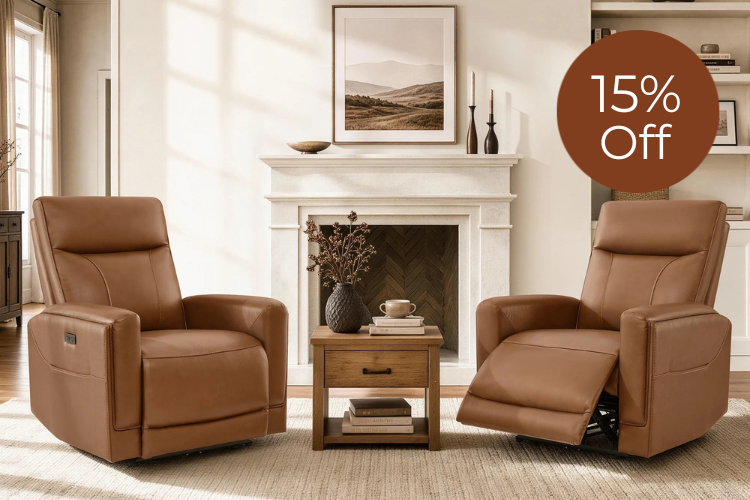
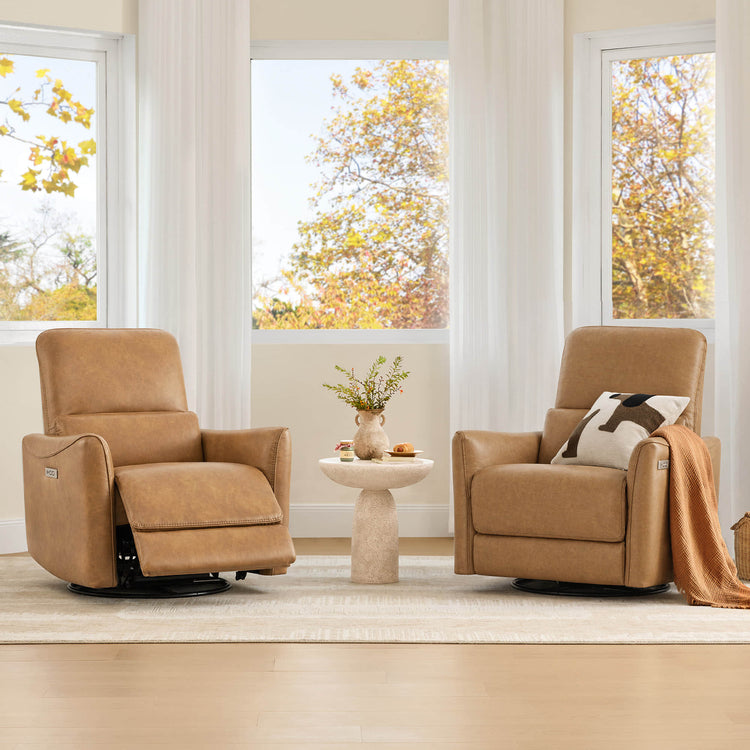
The hidden-power look is worth considering when you want comfort without a bulky read in the room.
Key Fit Factors for Small Spaces
Footprint and Visual Bulk
Width and depth matter, but so does the shape of the arms, base, and back. A recliner with a slimmer outline usually suits small apartments better than one with oversized sides or a very boxy profile. The goal is not to buy the smallest chair possible. It is to choose one that looks proportional beside a sofa, rug, and end table.

In practice, that means you should measure the spot where the chair will sit and also the path around it. If a recliner leaves a usable aisle but visually dominates the room, it may still feel like the wrong fit. For apartment shoppers, that is a real trade-off, not a style nitpick.
Wall Clearance and Recline Motion
Wall-hugger language is helpful, but it should be read carefully. CHITA’s wall-hugger clearance guide treats the design as a space-saving option, which is useful for apartment planning, but it does not mean every model needs zero clearance in every setup. Compare the actual recline motion, not just the mechanism label. Theater Seat Shop’s explanation of wall-hugger and zero-clearance mechanisms is a useful second check when you want the terminology spelled out more clearly.
The practical rule is simple: a chair can save rear space and still need room in front when it reclines. So don’t place it too close to a coffee table, storage cabinet, or fragile decor. If your room is wall-backed and narrow, this detail matters more than almost any other spec.
Comfort Features That Still Make Sense
Apartment-friendly comfort usually comes from features that improve daily use without making the chair feel overloaded. Power controls can be helpful if you want easy adjustment, and a power headrest can improve support without adding a bigger visual footprint. Hidden controls and charging ports can also keep the chair looking cleaner.
The key is restraint. Extra features should support the room, not clutter it. If a recliner gains a lot of bulk to add convenience, the trade-off may not be worth it in a compact living room.
Space-Saving Recliner Types by Room Layout
| Recliner type | Best apartment condition | What it helps with | Trade-off to watch |
|---|---|---|---|
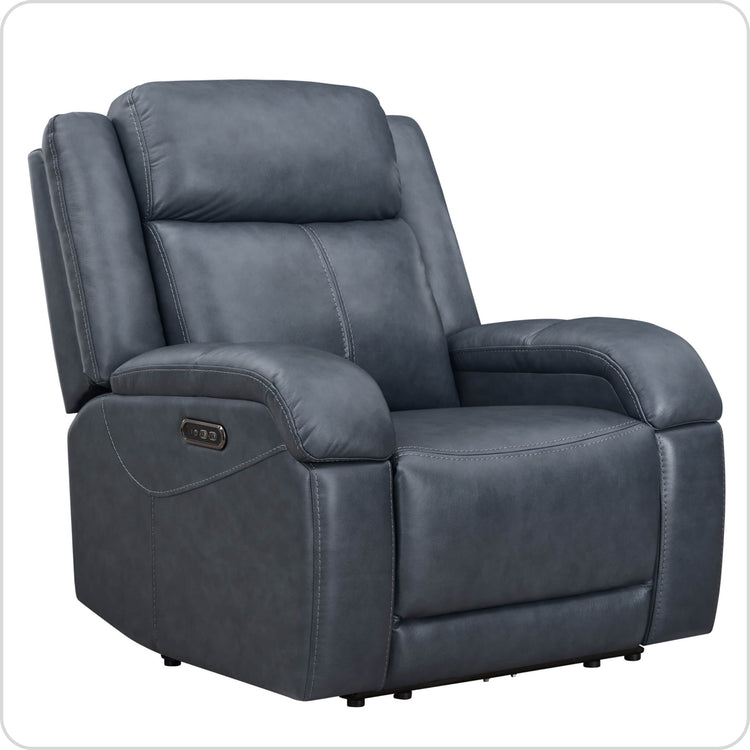
| Wall-hugger power recliner | Wall-backed living rooms | Reduces rear-clearance stress and supports a tighter placement plan | Still needs front space when reclining |
| Compact modern power recliner | Small living rooms where the chair must feel lighter visually | Keeps the room from looking overfurnished | May give up some lounge scale or features |
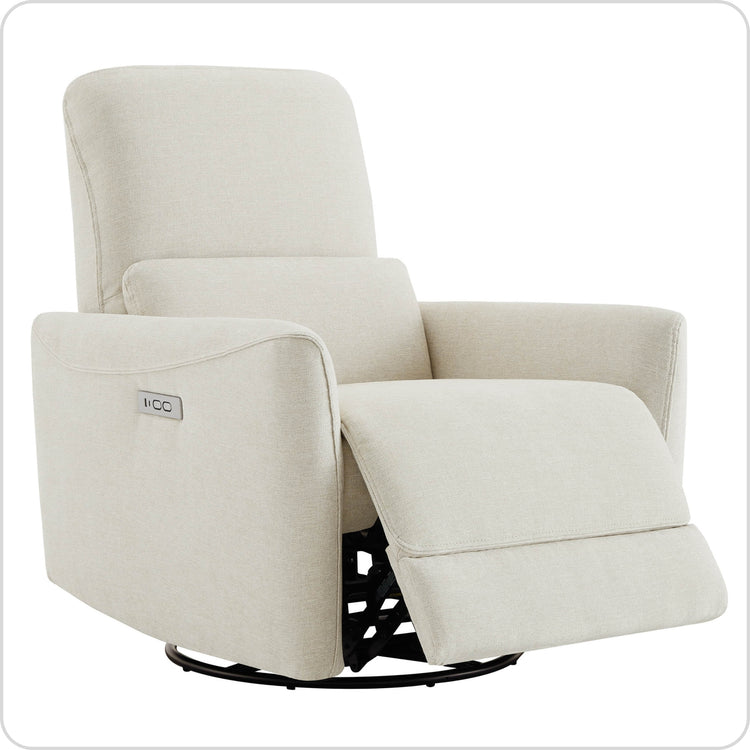
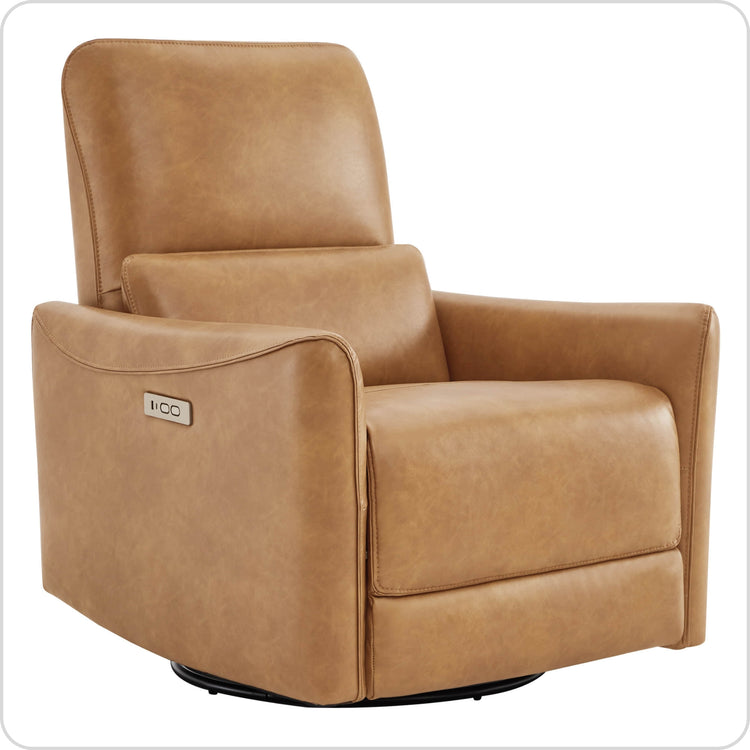
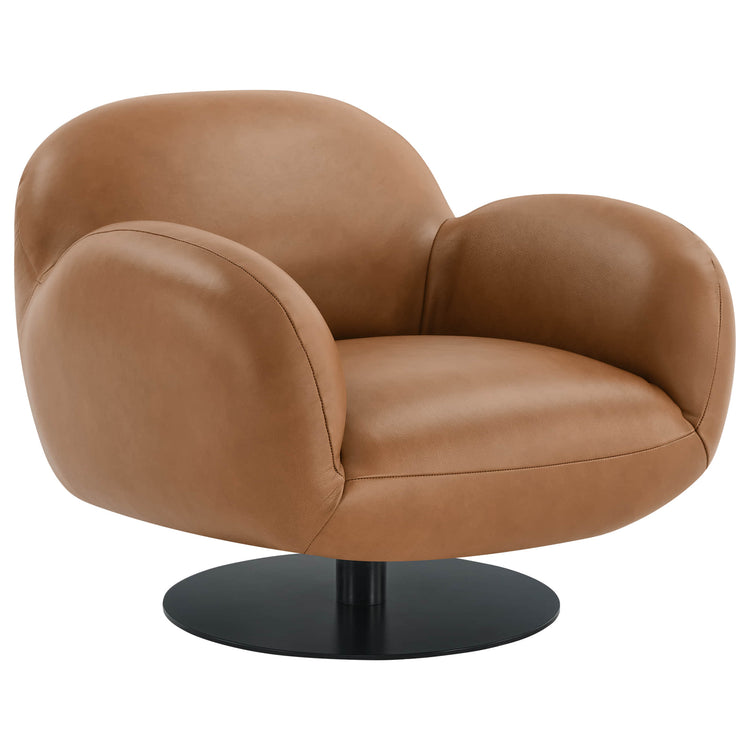
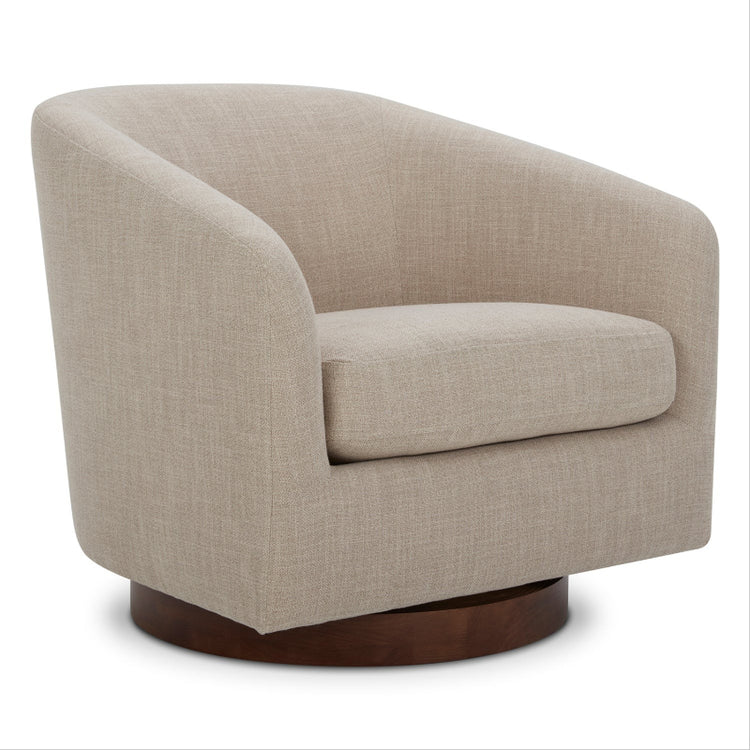
| Swivel or glider recliner | Narrow or multi-use studios | Lets you change orientation without moving the chair’s footprint | It does not automatically save wall space |
| Two-seat reclining option | Larger apartments with one main seating zone | Adds shared lounging without filling the room with multiple chairs | Needs the most planning and usually the most square footage |
This is where the recommendation flips. If the room is narrow and changes use during the day, swivel is often the smarter apartment choice because it adds flexibility, not because it shrinks the chair. Apartment Therapy’s guidance on narrow living room layouts supports that flexibility-first approach.
If the chair will sit against a wall, wall-hugger or zero-wall styling usually makes more sense than a swivel base. If the room is more open and the recliner may face a TV, a window, or a conversation area at different times, swivel can be the better call. If you need a shared lounging seat for a larger apartment, a two-seat reclining option can make sense, but only after you have checked the walking path around it.
For a broader browse path, power recliner options are a reasonable place to compare compact styles, while lounger chairs can help if you want a softer, more lounge-like profile.
Best Setup Paths for Different Apartment Shoppers
For Tight Walkways and Small Living Rooms
If your main concern is a narrow path around the chair, start with wall-hugger behavior, slim arms, and a compact silhouette. That combination usually does the best job of protecting circulation while still giving you a comfortable primary seat. The wall-hugger recliner guide is a useful next read if you want a deeper look at space-saving setup.
A conservative product example here is CHITA’s Keni wall-hugger recliner. Use it as a check-before-buying option, not as proof of universal fit, because the product page title alone does not settle your room-clearance question. If your apartment layout is especially tight, verify the recline motion against your wall and table placement before buying.
For Studio Apartments That Need Flexible Seating
In studios and open-plan layouts, the chair often has to do more than one job. It may face the TV at night, a window during the day, and a conversation area when guests come over. That is why swivel or glider recliners can be so useful: they help you reorient the seat without moving the whole chair.
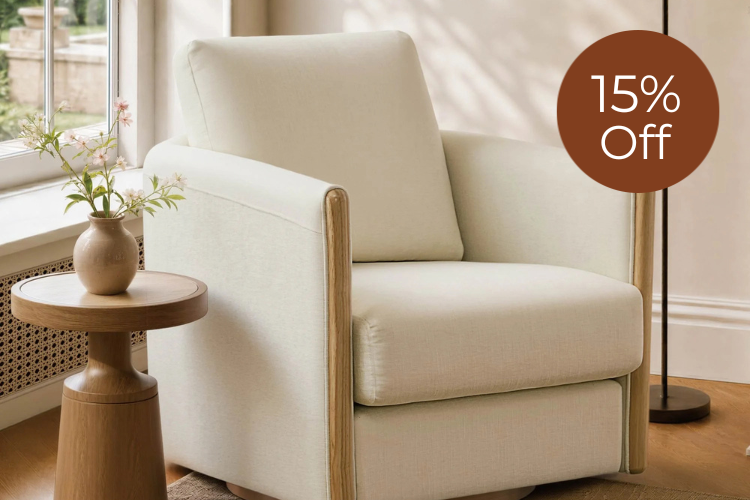
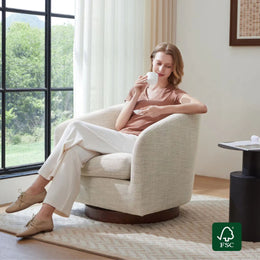
CHITA’s Tracee modern power swivel glider recliner fits that kind of browsing path, but it should still be checked against your actual floor plan. Swivel helps with flexibility, not guaranteed footprint reduction. If you need a chair that can switch zones easily, this is a stronger match than a fixed recliner.
For Design-Forward Shoppers Who Want a Cleaner Profile
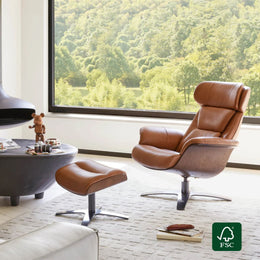
If you care as much about the look of the room as the comfort of the seat, prioritize hidden controls, restrained proportions, and materials that read visually lighter. That is where apartment furniture often wins or loses. A recliner can be comfortable and still feel too dominant if the profile is too heavy.
CHITA’s Isaac zero-wall recliner is a relevant example to browse if you want a more streamlined direction, but you should still check current specs before assuming the fit. For apartment living, a cleaner profile is only useful if the chair also works with your walkway, wall placement, and daily use.
Final Apartment-Living Checklist
Before you buy, measure the chair location, the walkway beside it, and the space in front of it when reclined. Then check whether the recliner will sit against a wall, share space with a coffee table, or need to rotate for different uses. A small apartment can handle a recliner if the layout stays open.
Start with the power recliner collection, then narrow down by mechanism and room shape.
FAQs
How Much Clearance Does a Wall-Hugger Recliner Usually Need?
It depends on the mechanism and model, so the safest approach is to check the published specs and test the proposed spot in your room. Wall-hugger designs are meant to reduce rear clearance, but they do not erase the need to plan for recline motion and nearby furniture.
What Size Recliner Works Best in a Small Apartment Living Room?
Look at width, depth, arm shape, and how much circulation space remains around the chair. A compact recliner can still feel wrong if it blocks a walkway or visually overwhelms the room, so room balance matters as much as raw size.
Can a Power Recliner Work Better Than a Manual Recliner in Apartments?
Sometimes, yes. Power recliners can offer smoother adjustment and a cleaner look if the controls are tucked away, but the better choice still depends on footprint and clearance. A well-sized manual recliner can work better than a bulky power model in a tight room.
What Is the Difference Between a Wall-Hugger and a Zero-Wall Recliner?
They are related, but not always the same. Zero-clearance designs are often described as needing very little space behind the chair, while wall-huggers are generally framed as more space-conscious recliners that still need some room. Check the specific model’s motion and dimensions before buying.
How Do I Keep a Recliner From Making My Apartment Feel Crowded?
Choose a slimmer silhouette, keep the color and materials visually light if possible, and preserve open paths around the chair. It also helps to avoid oversized side tables or crowded accessory groupings right next to the recliner. The room should feel organized, not packed.
Recommended Products


More to Read
 7 Sofa Trends That Actually Improve Comfort in 2026
Upgrade your living room with furniture that supports your body. Here are 7 modern sofa features designed to maximize your daily comfort...
7 Sofa Trends That Actually Improve Comfort in 2026
Upgrade your living room with furniture that supports your body. Here are 7 modern sofa features designed to maximize your daily comfort...
 Mother's Day Gift Guide: Cozy and Stylish Furniture Picks for Modern Moms
Make Mother's Day more meaningful with furniture gifts that bring comfort, smart features, storage, and quiet luxury into her everyday routine.
Mother's Day Gift Guide: Cozy and Stylish Furniture Picks for Modern Moms
Make Mother's Day more meaningful with furniture gifts that bring comfort, smart features, storage, and quiet luxury into her everyday routine.
 Performance Fabric Reality Check: Does It Really Repel Pet Hair and Stains?
Performance fabric is often marketed as a miracle solution for homes with pets and kids, but the reality is more nuanced. It...
Performance Fabric Reality Check: Does It Really Repel Pet Hair and Stains?
Performance fabric is often marketed as a miracle solution for homes with pets and kids, but the reality is more nuanced. It...