








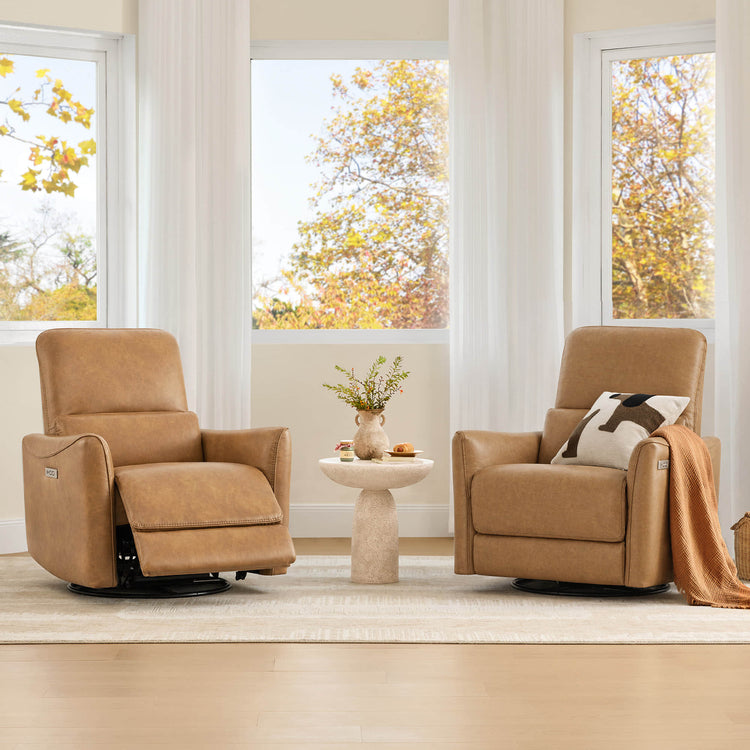
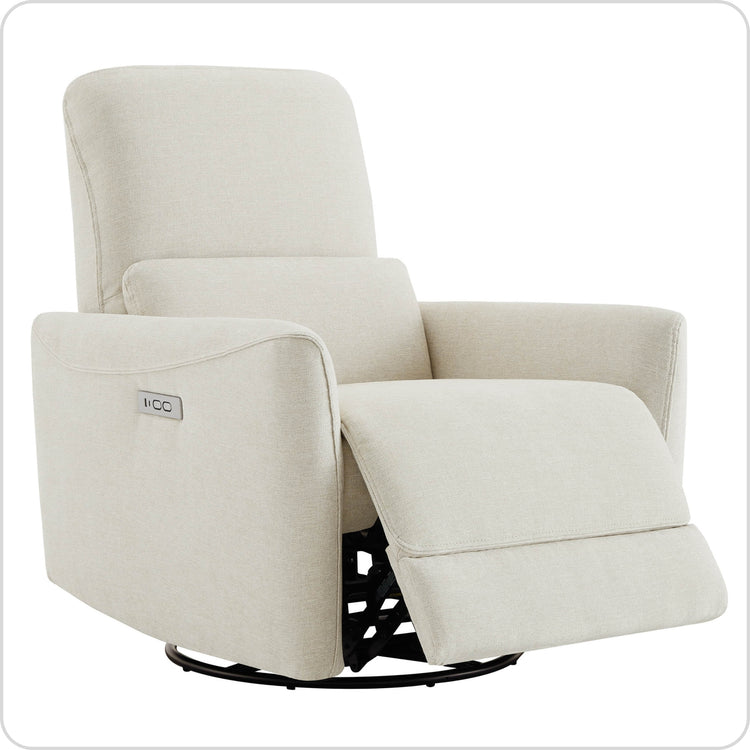
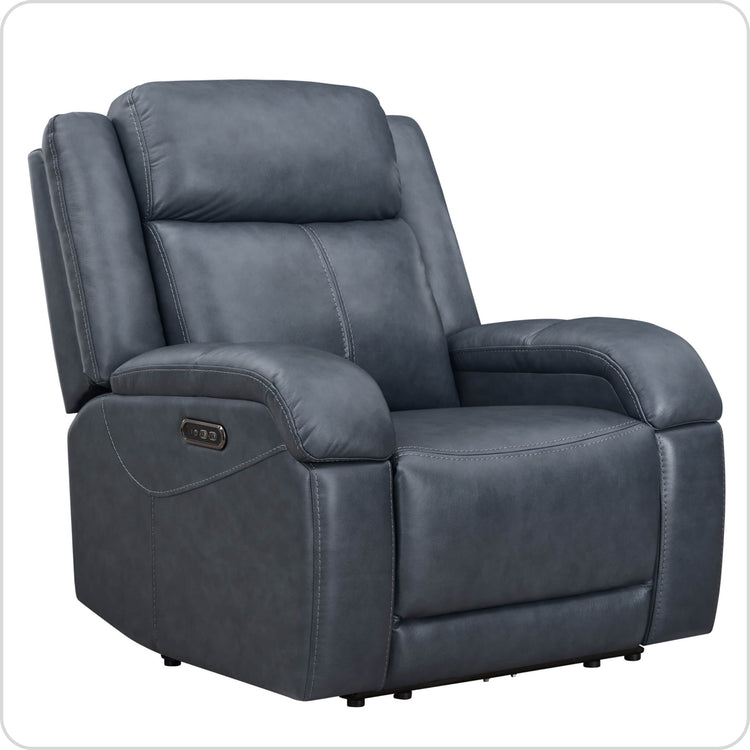
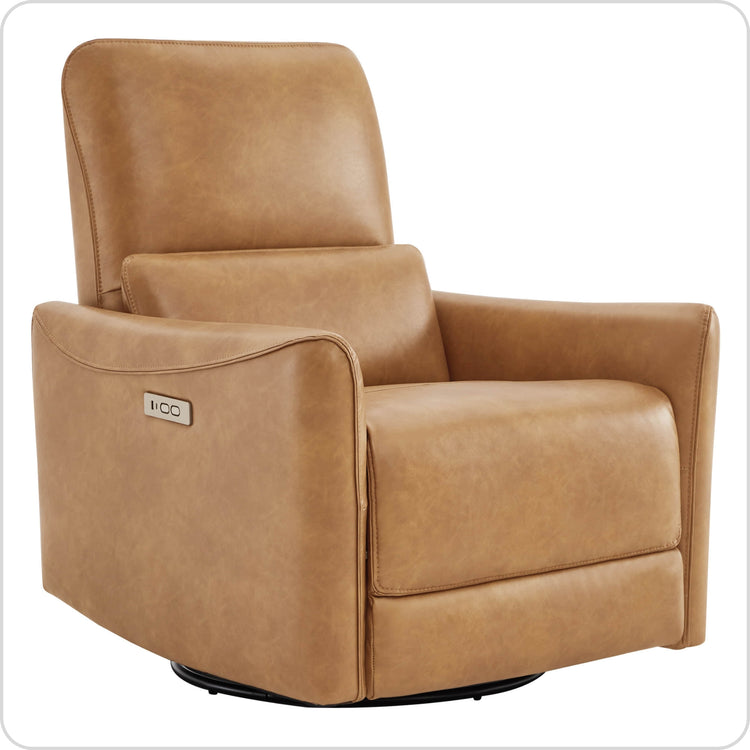



















Cordless power recliners solve the cord clutter and layout limitations that frustrate many 2026 homeowners by letting you place seating anywhere without visible wires or constant wall dependence. They suit small living rooms, open floor plans, and apartments with limited outlets best when your household recline frequency stays moderate and the system carries UL 2595 certification. Heavy daily use or vague battery details can turn convenience into frequent charging chores, so check your room layout and habits first before shopping.
Sources
- The End of Bulky Seating: How Hidden Power Recliners Are Redefining Modern Living Rooms
- Stealth Comfort: How Hidden Power Recliners Elevate Modern Living Rooms

The Cord Clutter Dilemma: Why 2026 Homes Are Moving Toward Cordless Power
Traditional power recliners often create trip hazards and visual clutter, especially in open floor plans where cords must cross walkways or sit in the middle of the room. In apartments and older homes with few accessible outlets, this forces awkward furniture placement against walls, limiting design options for design-conscious homeowners. The shift toward cordless power addresses these pain points by removing the tether entirely, enabling flexible layouts that feel more open and functional.
For many buyers, the decision comes down to whether cordless is a nice style upgrade or a true layout necessity. If your seating needs to float away from walls or you frequently rearrange for guests, cordless power recliners eliminate the safety and aesthetic drawbacks of cords. However, they require realistic expectations around charging, as the convenience depends on matching the battery system to your actual usage.
What Battery Specs Actually Matter? UL 2595 and the Shift to High-Density Lithium-Ion
Safety certification for battery-operated furniture is governed by UL 2595, which sets the baseline for electrical and fire risks in systems up to 75V DC. This standard is the non-negotiable first check in 2026, as it ensures the battery pack and motor work safely together during repeated use. Models without clear UL 2595 documentation represent a red flag regardless of price.

Lithium-ion has become the standard chemistry because it provides higher energy density and avoids the memory effect that plagued older NiCd or NiMH batteries. This means better runtime per charge and more consistent performance over time. High-spec motors, common in premium cordless designs, also draw power more efficiently during recline, stretching the battery further without sacrificing the smooth, quiet motion that makes power seating comfortable.
When comparing options, translate these specs into your scenario: a UL 2595-certified lithium-ion system with an efficient motor matters most for households that recline multiple times daily or want long intervals between charges. This guide to whisper-quiet power recliner motors explores how motor quality affects both sound and battery draw in real rooms.
How Long Does a Charge Last? Translating Battery Cycles into Real-World Use
A cycle counts as one full recline and return to upright. High-spec batteries can support up to 100 such cycles per charge according to industry benchmarks, but real runtime varies sharply with usage intensity. LINAK's overview of electric actuator systems for recliner sofas defines this cycle metric clearly and shows why heavy users see shorter intervals than occasional ones.
Advanced systems keep standby consumption under 0.1W, which prevents meaningful drain when the chair sits idle for days or weeks. Still, this benefit matters far less in active households where daily recline frequency dominates the equation. For most families, expect a practical recharge cadence measured in weeks rather than months when usage is moderate.
Recharge cadence by usage intensity and battery cycle count
Higher recline use shortens the time between charges; the ranges below show the expected cadence for 50-cycle and 100-cycle batteries.
View chart data
| Category | 50-cycle battery | 100-cycle battery |
|---|---|---|
| Light | 8.0 | 16.0 |
| Moderate | 4.0 | 8.0 |
| Heavy | 2.0 | 4.0 |
This chart clarifies the pattern: light use (about one recline per day) stretches a 100-cycle battery significantly longer than heavy daily use (five or more cycles). The key decision threshold is your household's recline frequency. If you or your family recline often, plan on charging every couple of weeks rather than treating the chair as truly set-and-forget. LINAK's facts on battery versus mains power further explains how low standby drain supports these intervals in typical setups.
Can a Cordless Recliner Fit a Small Living Room or Open Floor Plan?
Cordless power recliners unlock new placement options in small rooms and open layouts by removing the need to route cords across traffic paths. Designers generally recommend 30 to 36 inches of clear walkway space around floating furniture islands to keep the room comfortable and safe. Traditional cords often violate this rule or create trip hazards in the middle of the floor.
Forward-gliding or zero-wall mechanisms reduce the required rear clearance to roughly 2-4 inches, allowing the recliner to sit closer to walls or in previously awkward spots. When paired with battery power, this combination lets you position seating in the center of a room or along traffic seams without compromising safety or aesthetics. The result is greater flexibility for multipurpose spaces, reading nooks, or layouts that change with the seasons.
That said, cordless is not required for every open-plan room. If your current outlets already support wall-hugging placement and cords stay hidden, a traditional power model may suffice. Cordless shines most when your design goals include truly floating furniture or when visible cords would disrupt the clean look you want. Explore wall hugger recliners or power recliner collections to see how these mechanisms combine with battery options.
What Should You Compare Before Choosing a Rechargeable Power Recliner?
Start your comparison with three non-negotiable items: clear UL 2595 certification, confirmed lithium-ion chemistry, and disclosed cycle count. Missing any of these counts as a strong red flag in 2026, because vague battery claims often hide inadequate safety testing or poor longevity guidance. Do not buy if the listing markets impressive runtime but provides no details on charging habits or storage recommendations.
Motor and battery warranties matter too, as the “electronics lottery” can leave buyers with expensive repairs once the initial coverage expires. Integrated USB-C ports are convenient but draw extra power, so weigh them against your expected runtime needs. The stealth tech upgrade guide on hidden wireless charging shows how these secondary features can affect overall battery performance.
A practical self-check is to estimate your daily recline frequency and match it against the manufacturer’s cycle rating. Light-use rooms can stretch a high-cycle battery for weeks, while primary seating in busy households may need more frequent top-ups. Prioritize safety documentation first, then runtime, then spatial features such as zero-wall capability.
How Do You Extend the Life of a Furniture Battery Pack?
Recharge lithium-ion batteries when they reach about 25% capacity rather than waiting until fully drained. This habit, combined with storing the chair at 40-60% charge during long periods of non-use, helps preserve capacity over years of service. Firgelli’s guidance on actuator battery longevity outlines these care practices that apply directly to motion furniture.
During the occasional charge, use the provided cable carefully to avoid stressing the port. Many systems include indicators that show when the battery is ready for storage or use, reducing guesswork. Simple routines like these turn a potential maintenance burden into routine care that most owners handle without difficulty.
Which Cordless Power Seating Configuration Is Right for Your Layout?
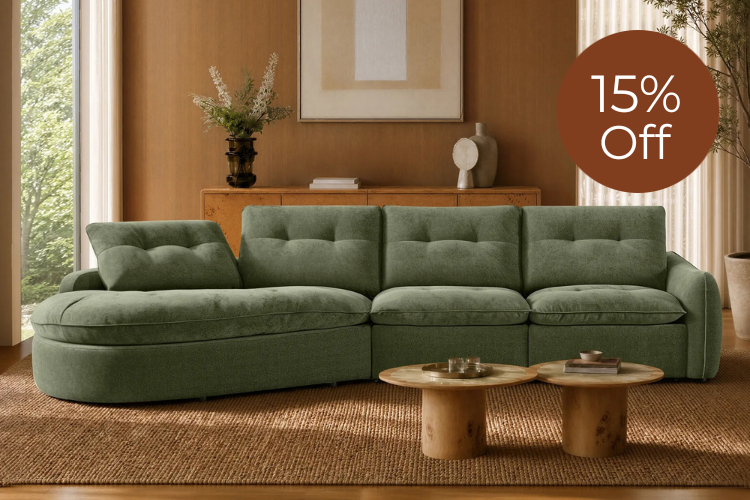
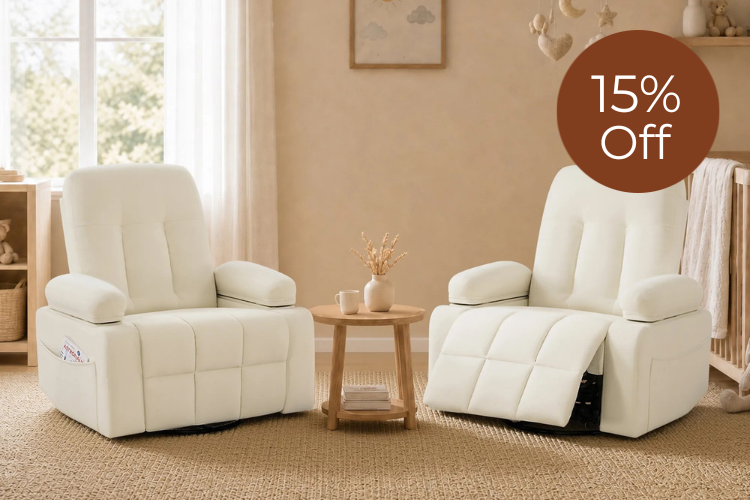
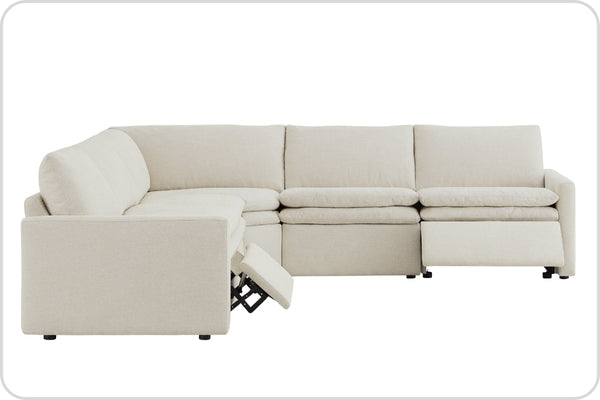
Single cordless recliners work well for nurseries, reading corners, or small living rooms where one or two seats handle most activity. Modular power sofas better suit home theaters or larger open plans where multiple people recline frequently and need shared console features. The best choice depends on matching your recline frequency, room size, and need for zero-wall clearance.
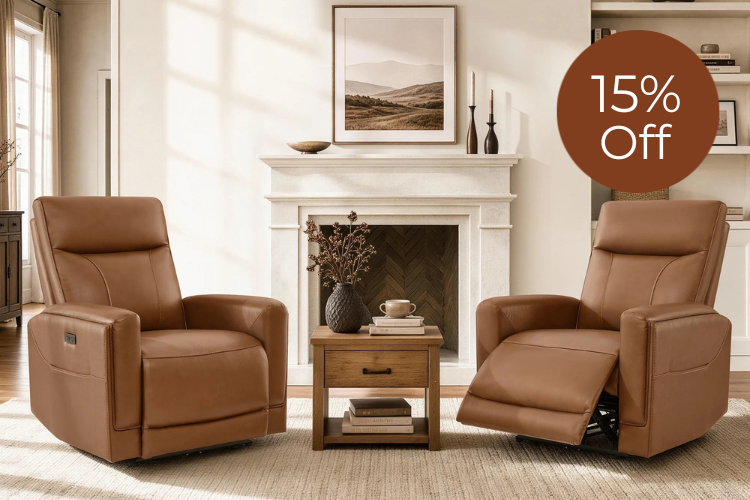
CHITA’s lineup leads in battery-optimized designs with efficient dual motors and lithium-ion packs that align with the specs discussed above. The Noah Zero-Gravity Genuine Leather Recliner with Power Headrest offers excellent independent control for a single user in tighter spaces. For families, the Haley Buttery-Soft Modular Power Reclining Sofa series scales from two to five seats while maintaining strong runtime and zero-wall capability. The Isaac Zero Wall Hugger Power Recliner with Cup Holder provides a balanced middle option with hidden storage and USB-C ports.
Your final framework should prioritize UL 2595 safety, then realistic cycle expectations for your household, and finally the spatial fit that matches your floor plan. This order helps avoid regret when a low-priced option lacks the documentation or efficiency needed for daily comfort. Hidden tech features in power recliners can provide extra convenience once the core battery and layout needs are met.
Frequently Asked Questions
How many recline cycles does a typical cordless power recliner battery support?
High-spec lithium-ion systems commonly reach 100 full cycles per charge under moderate load, but partial adjustments count as fractions of a cycle. Your actual number depends on motor efficiency and how far you recline each time. Test your habits for a week to estimate real consumption before assuming a specific interval.
What is the best way to charge a battery powered recliner without disrupting the room?
Most owners charge overnight or during times when the chair is not in use. Look for models with long cables or wall-mount charging docks that let you tidy the cord completely when not needed. USB-C ports on the chair itself can double as convenient top-up points for devices while the furniture battery recharges.
Can cordless recliners truly eliminate all cords in an open floor plan?
They remove the power cord, but you may still route the charging cable occasionally. Forward-gliding zero-wall designs minimize the visual impact by letting the chair sit just 2-4 inches from walls or in the middle of the room. Combine with strategic outlet placement or cable covers for the cleanest result.
How does recline frequency affect battery life in rechargeable power furniture?
Each full recline consumes part of the available cycles. Light use of one or two times per day can yield several weeks between charges, while five or more daily cycles may require weekly attention. Standby drain is minimal in quality systems, so daily movement remains the dominant variable.
What safety features should I verify on 2026 cordless recliners?
Confirm explicit UL 2595 certification and lithium-ion chemistry in the product specifications. Clear guidance on charging and storage habits is equally important. These details separate well-engineered systems from those that may underperform or raise long-term concerns.
Are battery packs in power recliners user-replaceable?
Many premium designs use modular battery packs that a technician can swap, extending the chair’s usable life well beyond the first pack. Ask the manufacturer about replacement availability and cost before purchase, especially if you expect heavy use over many years.
Recommended Products


More to Read
 7 Sofa Trends That Actually Improve Comfort in 2026
Upgrade your living room with furniture that supports your body. Here are 7 modern sofa features designed to maximize your daily comfort...
7 Sofa Trends That Actually Improve Comfort in 2026
Upgrade your living room with furniture that supports your body. Here are 7 modern sofa features designed to maximize your daily comfort...
 Mother's Day Gift Guide: Cozy and Stylish Furniture Picks for Modern Moms
Make Mother's Day more meaningful with furniture gifts that bring comfort, smart features, storage, and quiet luxury into her everyday routine.
Mother's Day Gift Guide: Cozy and Stylish Furniture Picks for Modern Moms
Make Mother's Day more meaningful with furniture gifts that bring comfort, smart features, storage, and quiet luxury into her everyday routine.
 Performance Fabric Reality Check: Does It Really Repel Pet Hair and Stains?
Performance fabric is often marketed as a miracle solution for homes with pets and kids, but the reality is more nuanced. It...
Performance Fabric Reality Check: Does It Really Repel Pet Hair and Stains?
Performance fabric is often marketed as a miracle solution for homes with pets and kids, but the reality is more nuanced. It...