
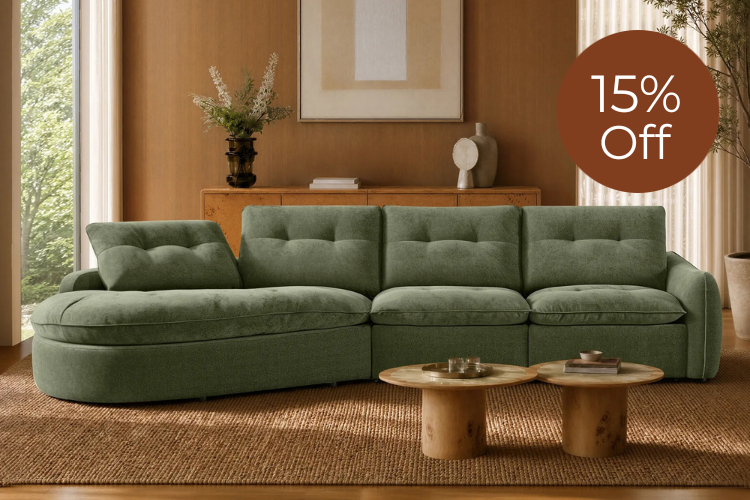
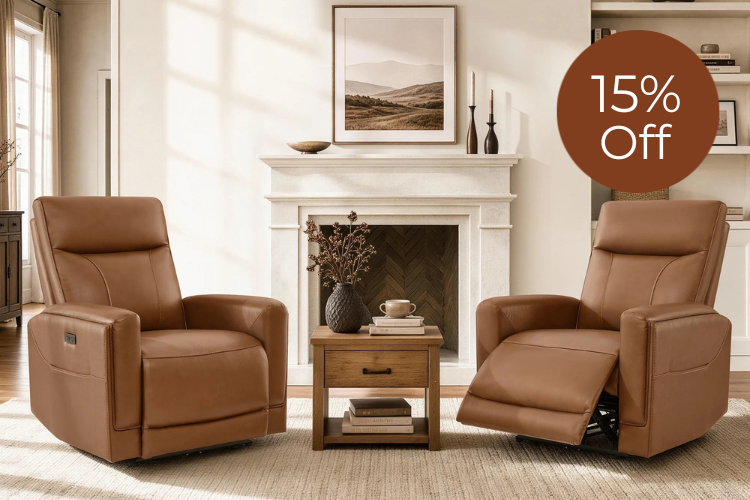
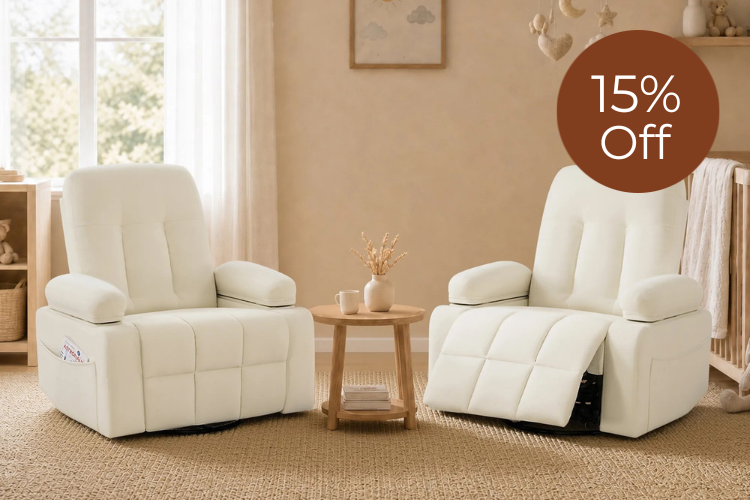
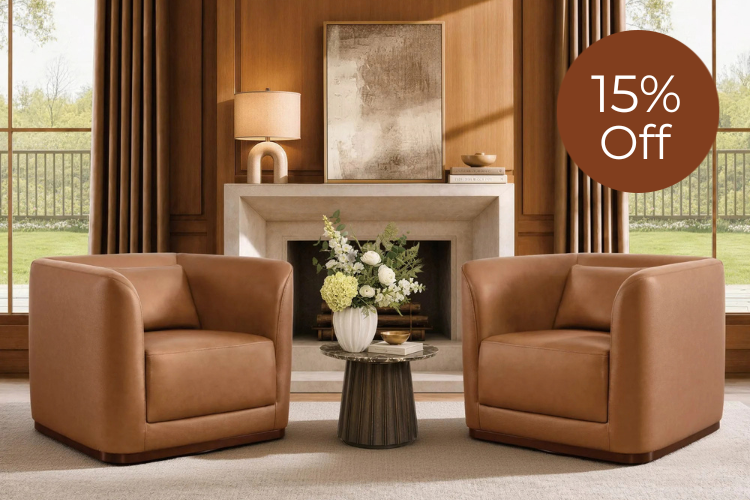








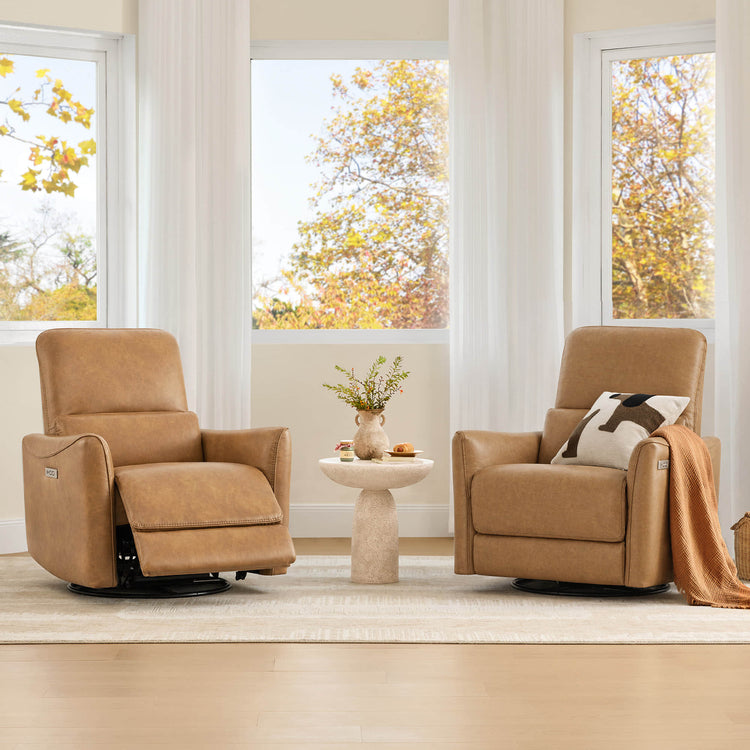
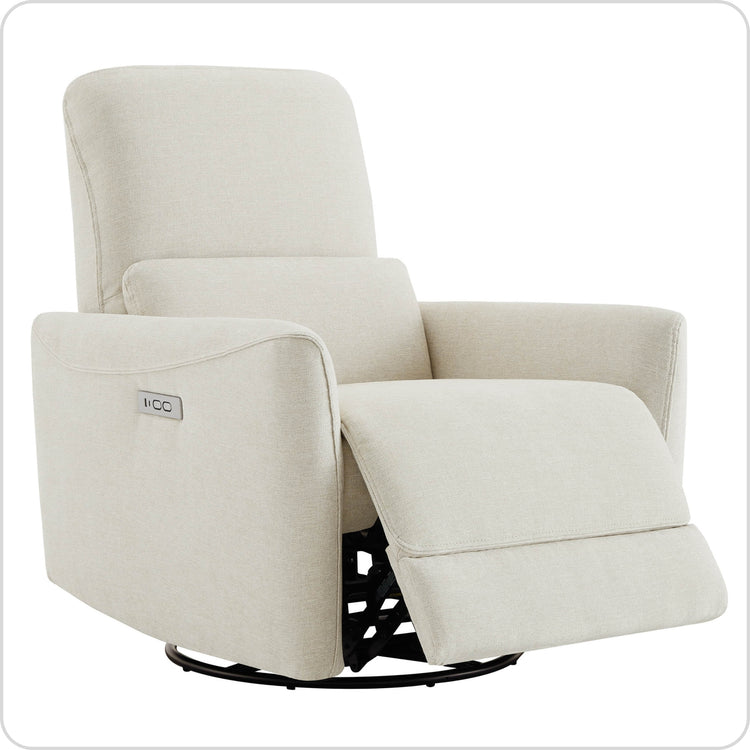
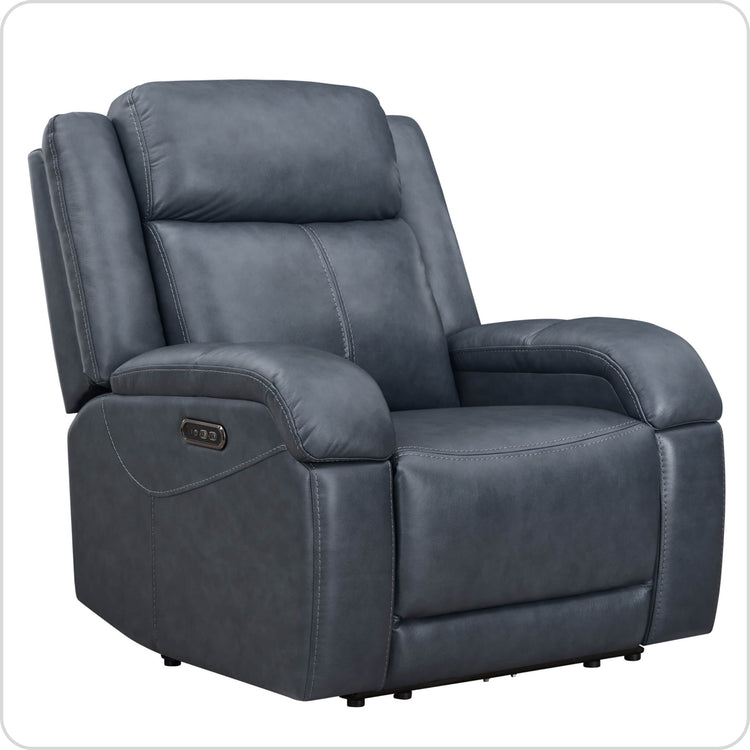
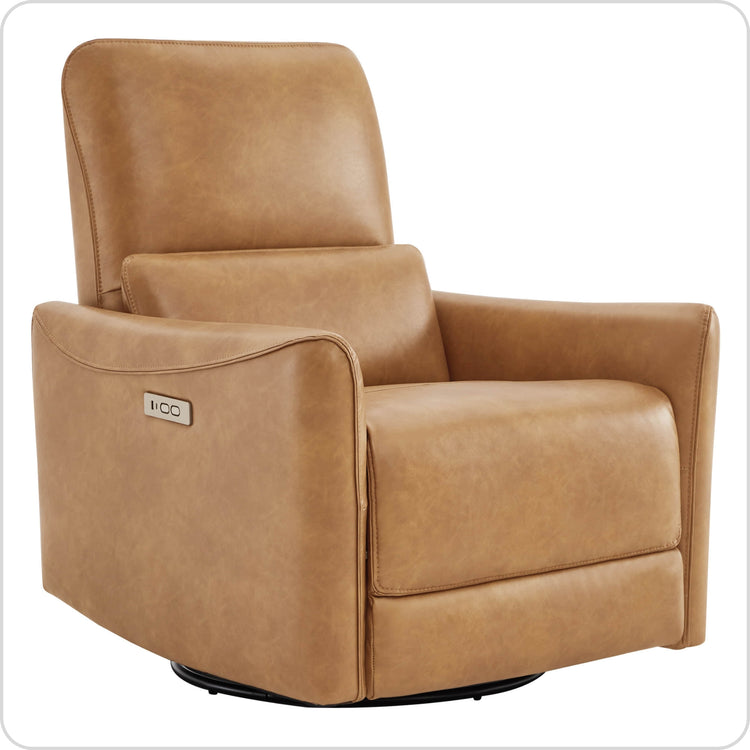


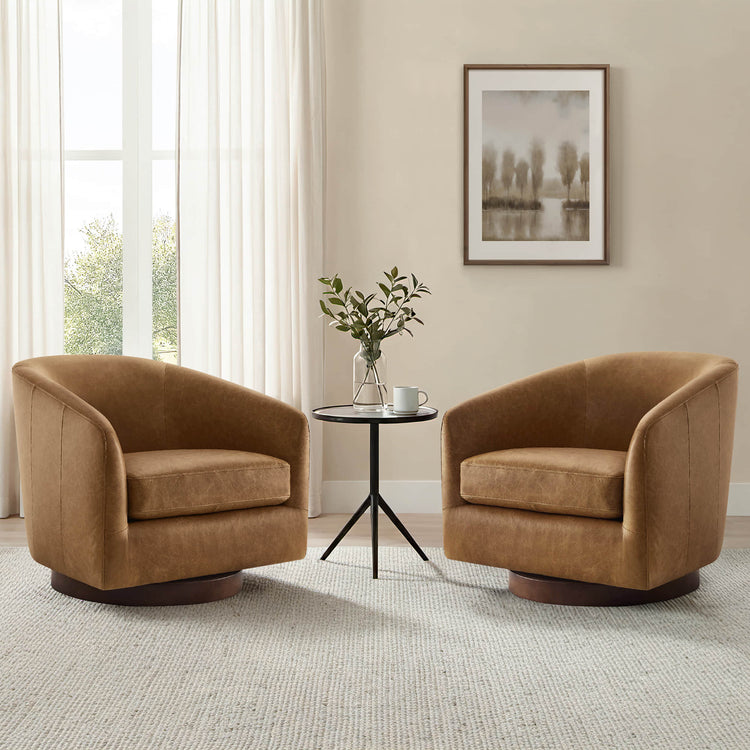
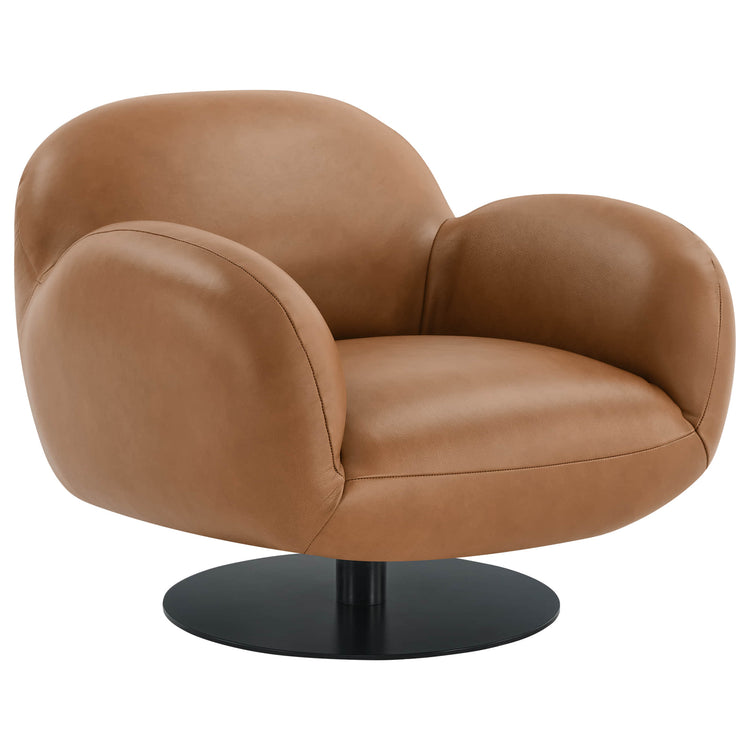
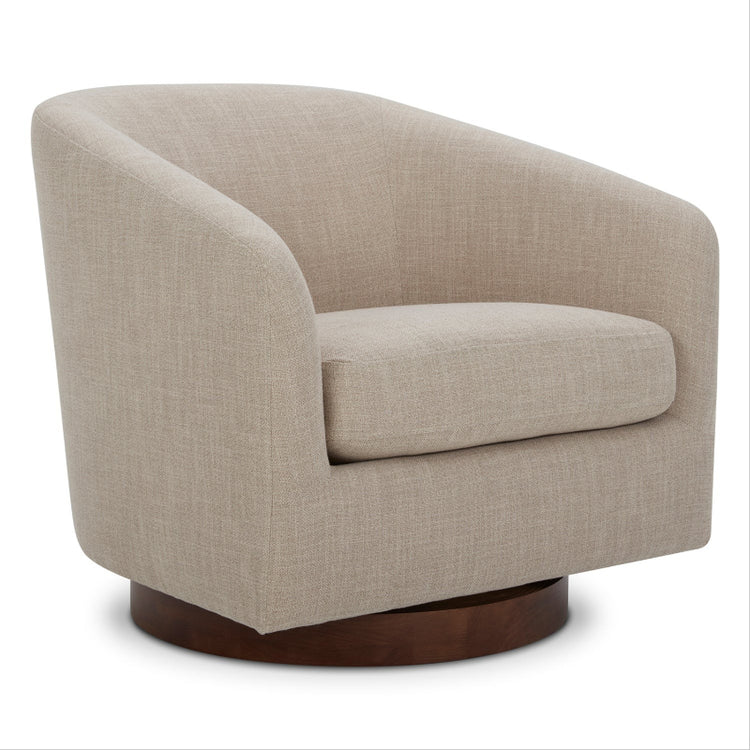

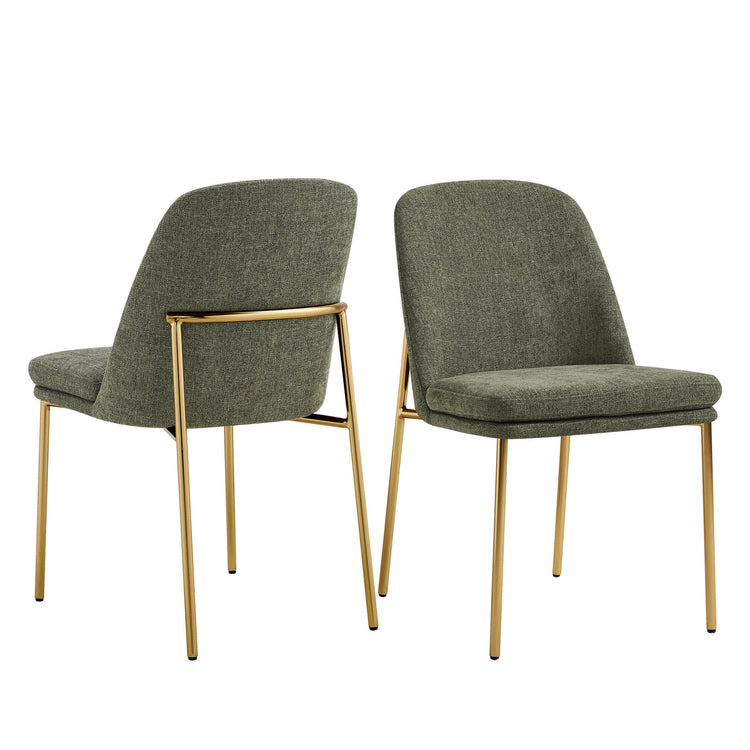
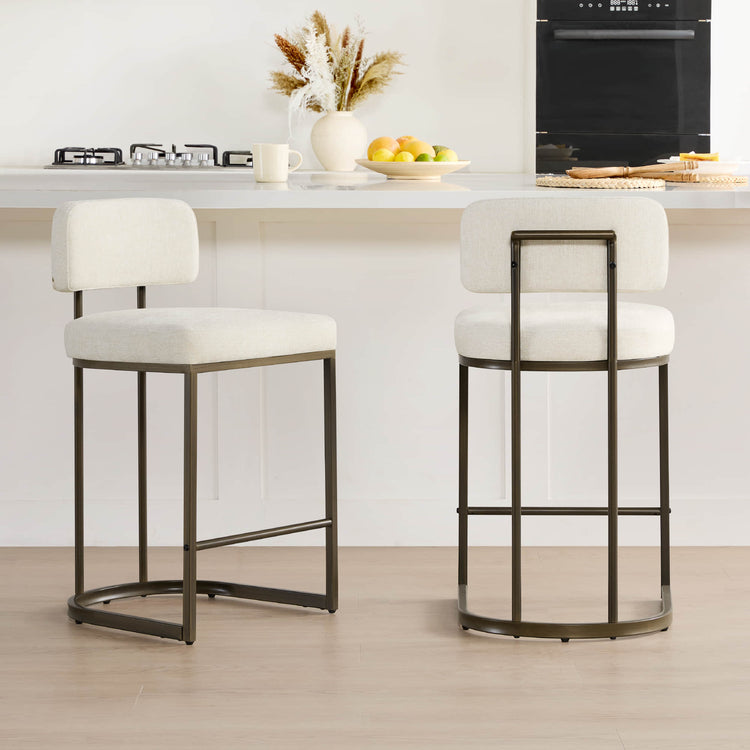


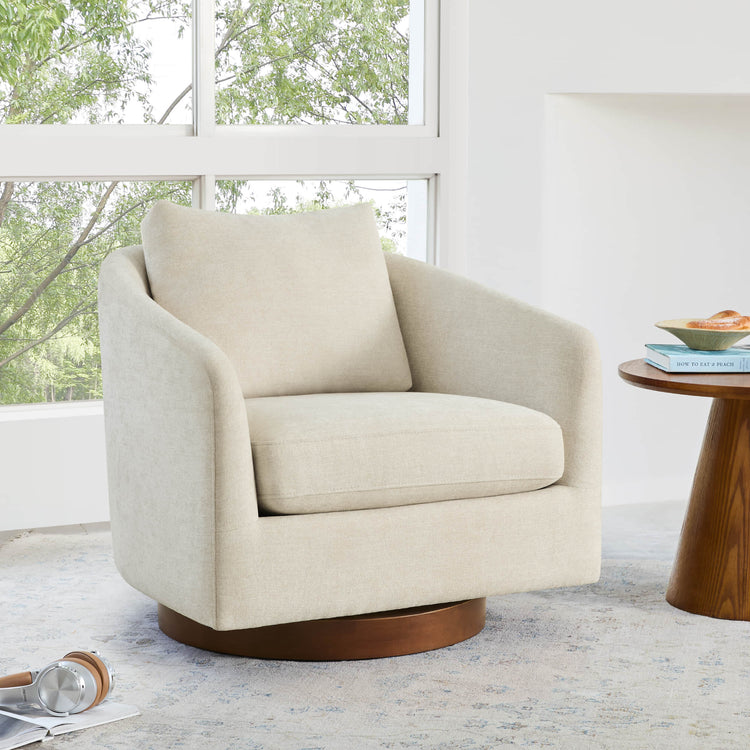
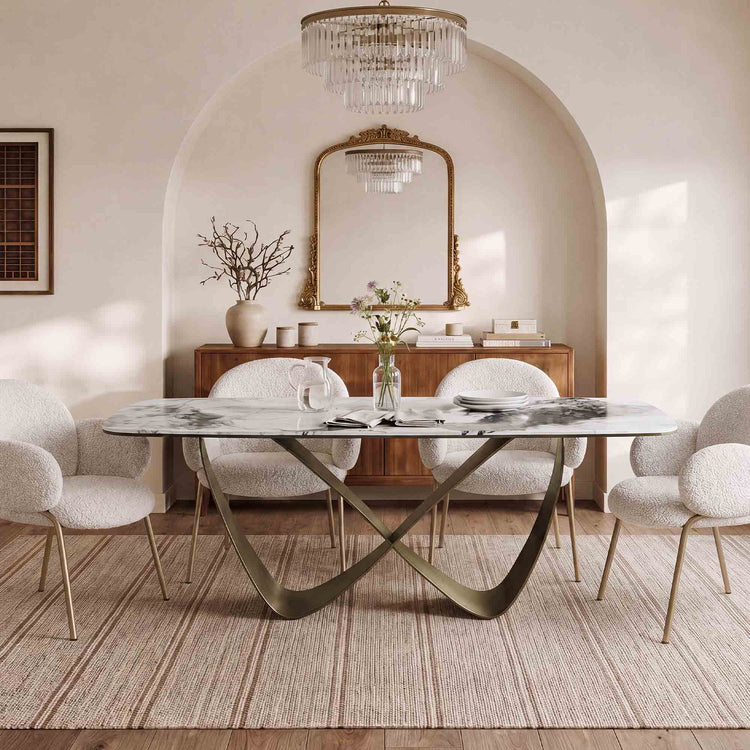
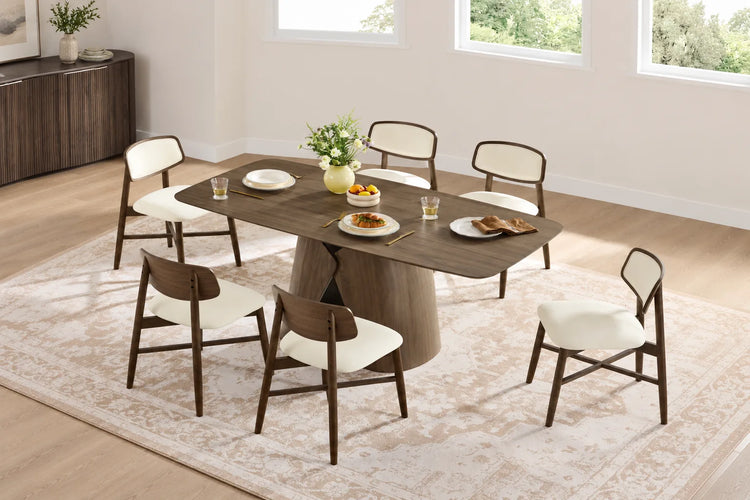

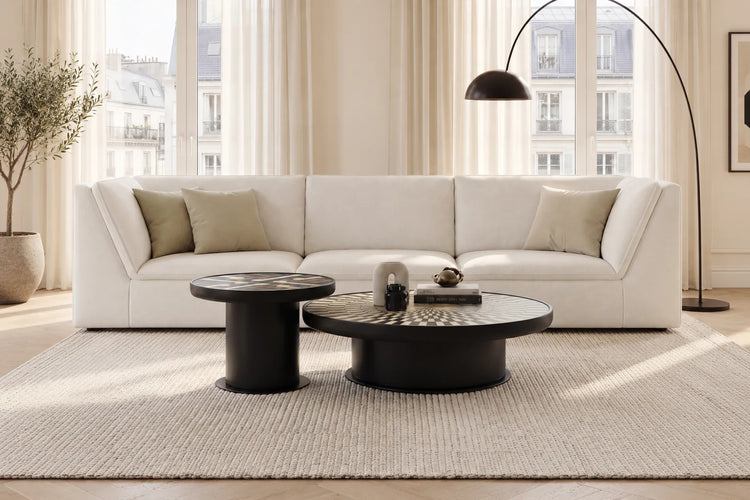

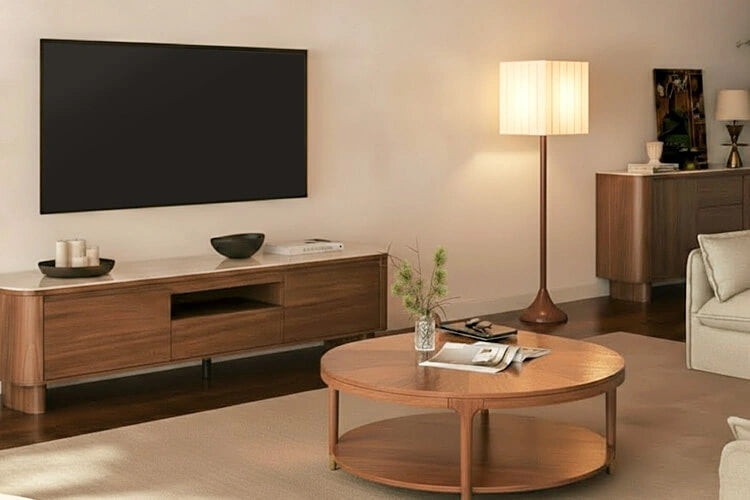


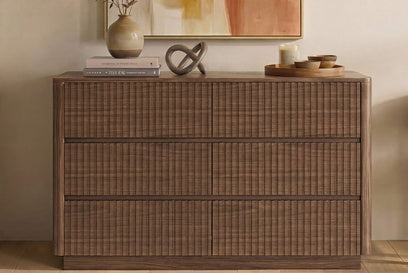
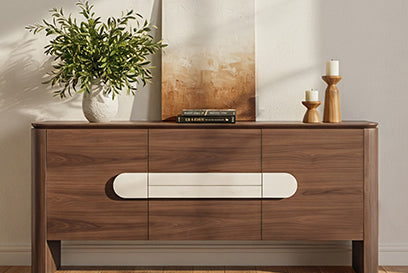
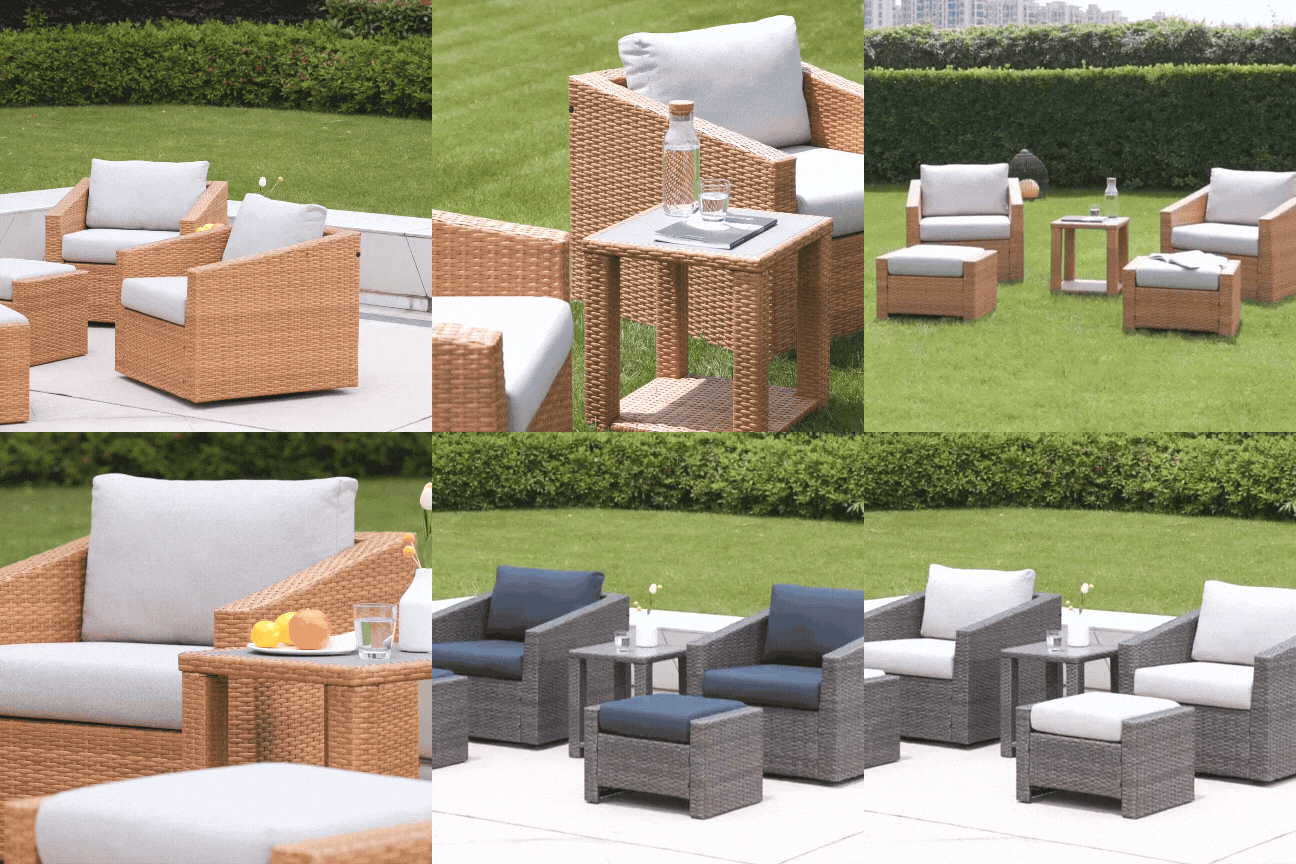









A 2026 high-spec living room combines refined aesthetics with industrial-grade engineering—high-density foam (2.0+ lb/ft³ for better shape retention), performance fabrics rated for 30k–50k+ Wyzenbeek double rubs, UL 962-certified motors, and thoughtful layout planning that preserves walkways. This approach delivers status without sacrifice for busy families and value-conscious upgraders who sit for long periods, but it is not the right fit if your space sees light use, you plan frequent style changes, or you cannot verify third-party test data before purchase.
Sources
- The 2026 Guide to Modular Power Reclining Sectionals: Flexibility Meets Engineered Comfort
- Hidden Tech: The Best Power Recliner Features You Didn't Know You Needed
- The Smart Alternative: Why High-Spec Furniture Costs Less in 2026
- Spec-Sheet Savvy: How to Compare Furniture Engineering Like a Pro
The early decision layer is simple: measure your daily usage, room constraints, and willingness to pay a 25–40% premium for components that typically last longer in real homes. If those align, high-spec often lowers long-term regret. If not, well-chosen standard pieces may serve you better.

Defining the 2026 High-Spec Living Room: Status without Sacrifice
In 2026 the high-spec living room is defined by measurable engineering that pairs premium appearance with performance you can verify on a spec sheet. The category has shifted away from oversized cloud-like silhouettes toward refined modularity—structured lines, cleaner proportions, and modular systems that adapt without dominating the room. According to designers, this trend emphasizes visual breathing room while preserving deep comfort (https://www.elledecor.com/design-decorate/trends/a70304750/couch-trends-2026/).
Industrial arbitrage is the core idea: you pay for better foam, stronger frames, quieter motors, and more durable fabrics rather than brand markup. The result is status without sacrifice—furniture that looks high-end, performs under daily use, and avoids the slouch trap where initial sink-in feel hides poor long-term lumbar support and rapid sagging. For deeper insight into fabric performance, see our guide to Decoding Upholstery Standards: The 2026 Guide to Performance Fabric Durability.
This category particularly suits style-conscious homeowners upgrading from basic furniture, families needing durable flexible seating, urban apartment dwellers with limited space, and remote workers who use the living room for extended sitting. It is less suitable for formal rooms used only occasionally or for buyers who prefer to refresh their look every few years.
Engineering Signals: Beyond the Polished Showroom Look
The difference between showroom appeal and real engineered comfort usually hides in components you cannot see in photos. High-spec pieces integrate invisible tech—built-in USB-C ports, power-adjustable headrests, zero-wall recline mechanisms, and reinforced frames—while keeping clean minimalist lines. The slouch trap is common: deep, ultra-plush cushions can feel luxurious at first but often lack sufficient lumbar support and compress over time, leading to regret after one to two years of heavy use.

Foam density serves as one of the clearest signals. A heuristic benchmark used across the industry suggests 2.0 lb/ft³ or higher (often 2.2–2.5+ in premium lines) helps cushions retain shape and support for 5+ years in active households, while densities below 1.8 lb/ft³ are more typical of disposable-tier seating that may develop body impressions sooner. For a full breakdown of foam metrics, read The Secret to a Sag-Free Sofa: Understanding High-Density Foam in 2026.
Motor noise and recline smoothness also matter. Whisper-quiet operation (under 45–50 dB in many 2026 models) improves usability in shared or nursery-adjacent spaces. Our guide Whisper-Quiet Power: A 2026 Guide to Recliner Motor Decibels explains how to evaluate these claims.
The High-Spec Spec Sheet: How to Compare Brands Objectively
Reading spec sheets objectively separates marketing language from engineering reality. Focus on three categories: foam density, fabric abrasion resistance, and safety certifications. High-spec residential fabrics should meet 30,000–50,000 Wyzenbeek double rubs for heavy-use environments; this range provides a practical buffer against pilling, thinning, and wear from pets or children (https://www.twosistersecotextiles.com/pages/abrasion-test-results).
Motorized furniture should carry UL 962 certification, which tests the complete electrical and structural safety of the system (https://www.ul.com/services/furniture-testing-services-performance-and-durability). Structural integrity is often validated against BIFMA X5.4 standards for repeated load and fatigue resistance in lounge seating (https://www.bifma.org/page/standardsoverview). FSC-certified wood frames and no-sag sinuous springs further signal industrial-grade construction rather than lightweight engineered-wood substitutes.
Missing these details or relying on vague claims such as “premium foam” or “heavy-duty fabric” is a confidence downgrade. Treat any sofa or sectional that does not disclose density, rub count, and relevant test standards as likely aesthetic-first. The chart below visualizes typical thresholds that help distinguish the tiers in common 2026 residential setups.
Standard vs High-Spec Component Thresholds
Tiered comparison of key engineering signals that typically separate standard residential furniture from high-spec investment-grade options. Use these ranges as planning guidelines; always verify actual product certifications.
Show Data Table
| Component | Standard Tier | High-Spec Tier | What It Changes |
|---|---|---|---|
| Foam Density (lb/ft³) | ≤1.9 | 2.0–2.8+ | Shape retention over 5+ years |
| Fabric Durability (Wyzenbeek Double Rubs) | 15k–25k | 30k–60k+ | Resistance to family wear and pets |
| Safety & Structural Standards | Basic compliance | UL 962 + BIFMA X5.4 | Motor safety and long-term frame strength |
Layout Logic: Mapping the High-Spec Motion Footprint
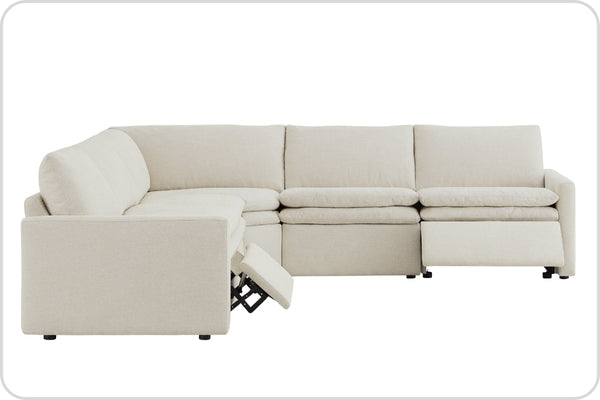
High-spec motion furniture—especially power recliners and zero-gravity designs—requires more than floor space. The practical 30–36 inch clearance for primary walkways should survive when pieces are fully reclined; otherwise the room can feel cramped or blocked (https://chitaliving.com/blogs/furniture-guide/2026-master-guide-power-reclining-sectionals). Zero-wall (wall-hugger) mechanisms help in tight rooms because they need far less rear clearance, but zero-gravity positions add both horizontal and vertical arc that can still intrude on traffic paths.
Modular systems offer flexibility yet risk footprint creep when too many pieces are added. A useful two-state test is to verify the layout works both closed and fully reclined. For media console styling that complements these layouts, see Beyond the Screen: Expert Tips for Styling Your TV Stand and Media Console.
If your room cannot absorb the recline arc while preserving at least one clear walkway, even the best high-spec recliner becomes a layout problem rather than a comfort upgrade. Measure twice before ordering.
Material Choices: Performance Meets Tactile Luxury
2026 trends favor performance corduroy, bouclé, and chenille that deliver buttery-soft tactile feel while meeting high abrasion thresholds. These materials often carry water- and stain-resistant treatments that simplify cleaning compared with traditional fabrics. However, many performance fabrics still require specific care—check the cleaning code (Code S for solvent only versus Code W for water-based) rather than assuming machine-washable covers.
Leather offers natural patina and durability for pet households but shows scratches more readily and can feel cooler or stickier in warm weather. Performance fabrics generally provide better balance for families with kids and animals. Our comparison Performance Fabric vs Leather: Which Recliner Material is Right for You? and the 2026 Guide to Family-Proof Modular Sectionals: Pets, Kids, and Performance Fabric explore these trade-offs in detail.
The maintenance illusion is real: marketing that promises “easy care” sometimes conceals dry-clean-only requirements or sensitivity to certain cleaners. Always confirm cleaning instructions before purchase.
Decision Framework: Choosing Your High-Spec Configuration
The final choice between a modular sectional and a power reclining sofa should start with a clear “who is this not for” filter. High-spec configurations are usually a poor fit if your living room sees light daily use, you cannot verify foam density, fabric ratings, and safety certifications, or the restocking fees and delivery logistics would create excessive financial risk on return. Returns of large modular systems often involve 15–25% restocking fees plus the practical burden of repackaging, making accurate upfront research essential.
A practical final checklist includes:
- Foam density of at least 2.0 lb/ft³ and supporting ILD ratings for your preferred firmness.
- Fabric rated 30k–50k+ double rubs with a cleaning code that matches your lifestyle.
- UL 962 or equivalent motor safety certification plus BIFMA structural testing where motion is involved.
- Confirmed motion footprint that preserves 30–36 inch walkways in your actual room.
- Total cost that aligns with expected 7–10 year usable life in your household.
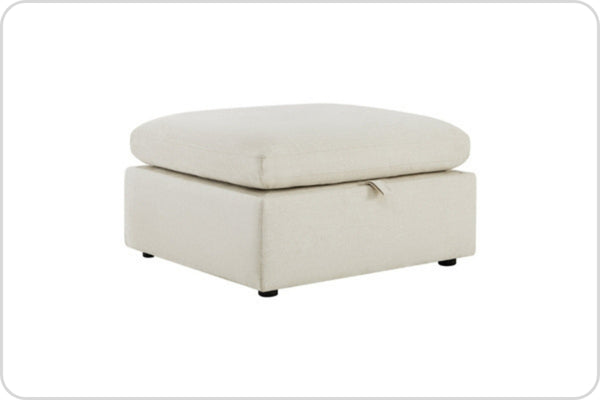
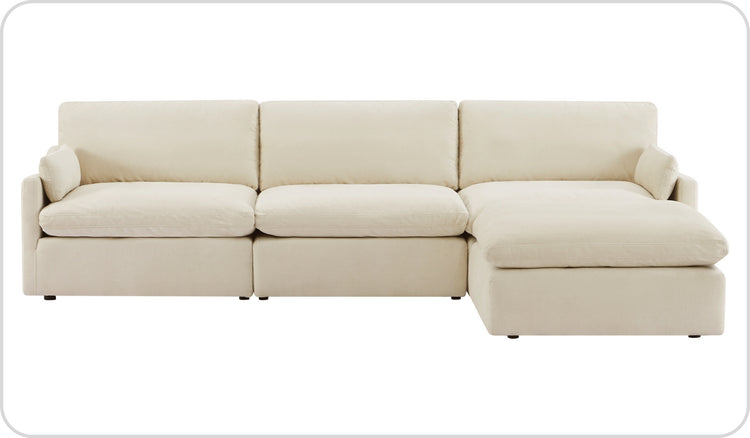
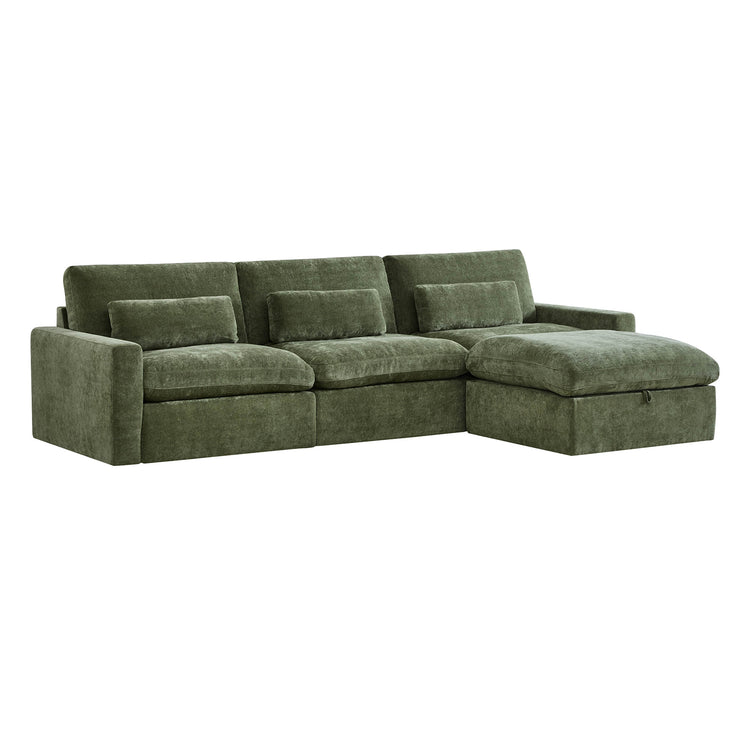
Recommended high-spec examples that align with these conditions include the Haley Buttery-Soft 3-Seat Modular Power Reclining Sofa with Power Headrests for families wanting zero-wall recline and integrated charging, the Skyline 4-Seat Zero Gravity Reclining Sectional sofa with Power Headrest for near-weightless comfort, and the Ace Minimalist Chenille Adjustable Backrest 3-Seater Modular Sofa with Storage Armrest for flexible storage-focused layouts. Broader options appear in the Performance Fabric and Leather Sofas collections.
When these checks are satisfied, a high-spec living room typically reduces long-term replacement frequency and daily frustration. When they are not, a more modest configuration or different room priority may be the wiser path.
How Do High-Spec Living Rooms Differ From Standard Ones in Daily Use?
High-spec rooms maintain cushion shape and fabric appearance longer under heavy traffic, but they often require slightly firmer initial feel and more careful initial off-gassing management. Standard rooms can feel plusher at first yet show wear sooner in active households.
What Spec Sheet Numbers Matter Most When Comparing Brands?
Prioritize foam density (2.0+ lb/ft³), fabric abrasion rating (30k–50k Wyzenbeek), UL 962 motor safety, and BIFMA structural testing. Vague terms such as “premium” or “heavy duty” without numbers or third-party references are red flags.
Is a Power Reclining Sectional Suitable for Small Living Rooms?
It can be when the model uses zero-wall mechanics and your layout preserves 30–36 inch primary walkways even when reclined. Zero-gravity positions add extra clearance needs; always test the full motion footprint in your space or with accurate measurements.
Do Performance Fabrics Eliminate All Cleaning Worries?
No. While they resist stains and spills far better than untreated textiles, most still require prompt treatment and follow specific cleaning codes. Many are not fully machine-washable; check the label rather than assuming “performance” equals zero maintenance.
When Does High-Spec Furniture Stop Being Worth the Premium?
When daily use is light, you plan to move or redecorate within 4–5 years, or you cannot obtain verifiable test reports. In those cases the added cost rarely delivers proportional benefit.
What Should I Check First Before Buying a High-Spec Modular Sofa?
Request the full spec sheet and third-party certificates, measure your room for motion clearance, and run the “not for me” checklist. Confirm foam density, fabric rub count, motor certifications, and realistic cleaning requirements before committing.
Recommended Products


More to Read
 7 Sofa Trends That Actually Improve Comfort in 2026
Upgrade your living room with furniture that supports your body. Here are 7 modern sofa features designed to maximize your daily comfort...
7 Sofa Trends That Actually Improve Comfort in 2026
Upgrade your living room with furniture that supports your body. Here are 7 modern sofa features designed to maximize your daily comfort...
 Mother's Day Gift Guide: Cozy and Stylish Furniture Picks for Modern Moms
Make Mother's Day more meaningful with furniture gifts that bring comfort, smart features, storage, and quiet luxury into her everyday routine.
Mother's Day Gift Guide: Cozy and Stylish Furniture Picks for Modern Moms
Make Mother's Day more meaningful with furniture gifts that bring comfort, smart features, storage, and quiet luxury into her everyday routine.
 Performance Fabric Reality Check: Does It Really Repel Pet Hair and Stains?
Performance fabric is often marketed as a miracle solution for homes with pets and kids, but the reality is more nuanced. It...
Performance Fabric Reality Check: Does It Really Repel Pet Hair and Stains?
Performance fabric is often marketed as a miracle solution for homes with pets and kids, but the reality is more nuanced. It...