








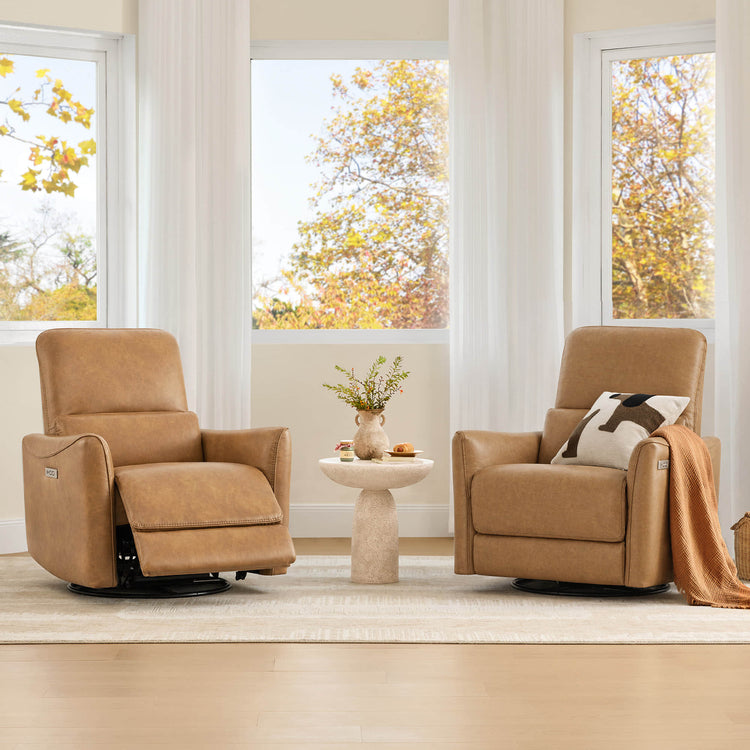
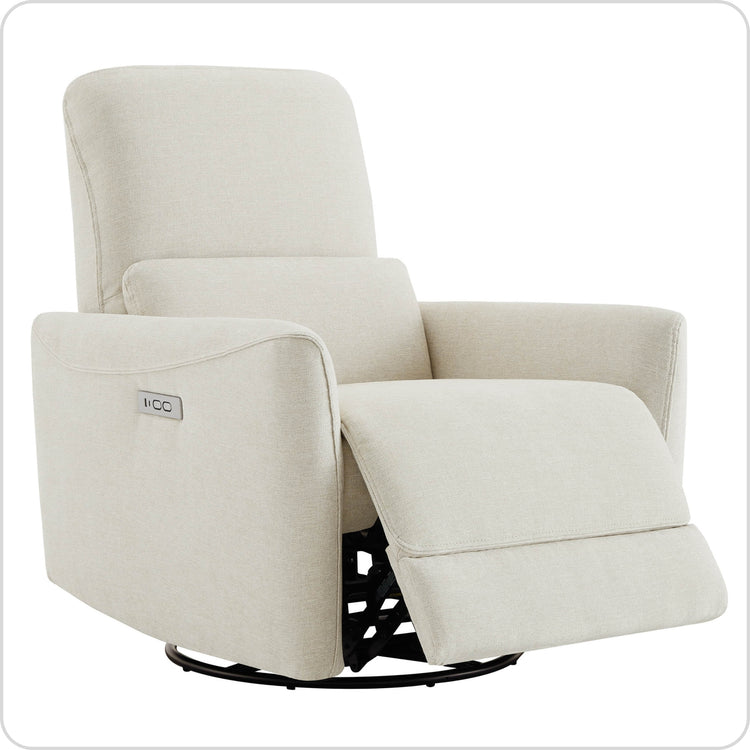
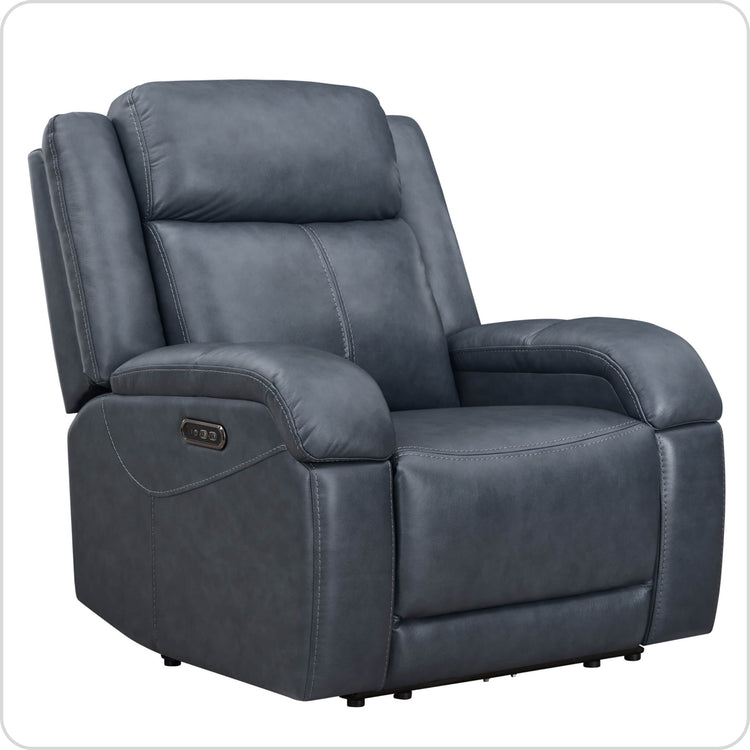
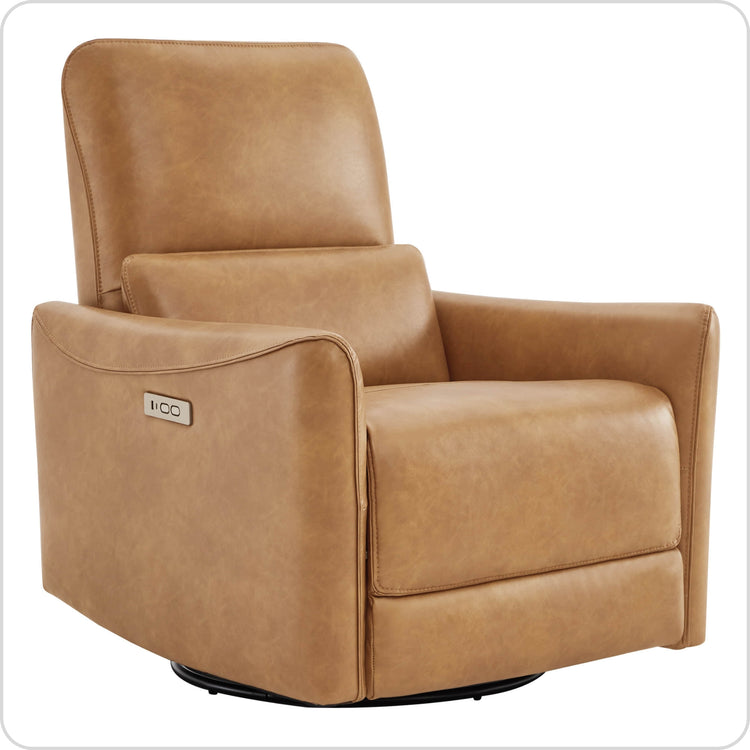















In 2026, high-spec power recliners have evolved from simple furniture into engineered mechanical systems where motor architecture, recline geometry, and spatial design directly determine daily comfort and long-term reliability. The key decision is to check for precision thresholds rather than marketing labels: look for true zero-gravity positioning that reaches a 120–128 degree torso-thigh angle with independent head and foot control, dual or triple motors for customization, zero-wall clearance of 0–4 inches, and whisper-quiet operation below 40 dB. These specifications separate chairs that deliver meaningful decompression and immersion from those that only appear similar on the surface.
Sources
- Scratch-Resistant Performance Leather: 2026 Material Guide for High-Traffic Recliners
- Circulation and Edema Relief: Why Power Lift Chairs are 2026 Wellness Essentials
- The Athlete’s Recovery Station: Optimizing Zero Gravity for Muscle Repair
- Finding Relief: The Best Zero Gravity Recliners for Back Pain in 2026
- The End of Bulky Seating: How Hidden Power Recliners Are Redefining Modern Living Rooms
- Recliners That Don't Look Like Recliners: Blending High-Tech Comfort with Modern Design

Motor Engineering: The Whisper-Quiet Benchmark and Dual-Motor Precision
Motor choice sets the foundation for both performance and durability in power seating. Most 2026 premium models have shifted to brushless DC (BLDC) motors. These deliver higher torque with fewer moving parts, resulting in smoother operation and longer service life compared with older brushed designs.
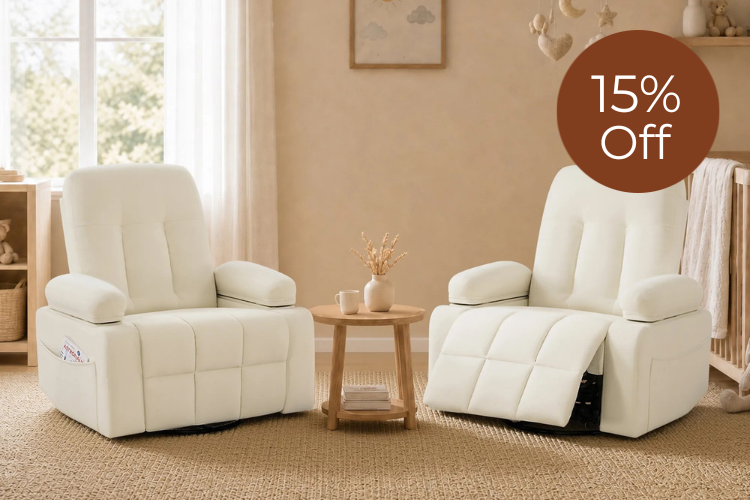
The term “whisper-quiet” refers to motors that operate in the 30–40 dB range—roughly the volume of a quiet library or a soft whisper. This threshold matters in nurseries, where sudden mechanical sounds can disturb sleep, and in home theaters, where even modest noise can break immersion during quiet scenes. Actual perceived loudness still depends on floor type, room acoustics, and distance, so treat the decibel rating as a helpful planning benchmark rather than an absolute guarantee.
Dual-motor or triple-motor systems provide the clearest upgrade path. With independent control of the headrest, lumbar, and footrest, users can fine-tune posture without forcing the entire mechanism to move in lockstep. This independence often reduces strain on individual motors, which can extend overall mechanical life. Single-motor designs are usually quieter on paper but limit customization and can feel less refined during daily use.
For most buyers, prioritize dual-motor systems when the chair will see several hours of use per day or serve multiple users with different height and posture needs. If the room layout is tight or noise is a primary concern, combine the motor spec with zero-wall engineering and measured decibel ratings rather than relying on brand claims alone.
True 0G vs. Marketing 0G: The Science of Precision Zero-Gravity
Zero-gravity positioning originated in NASA research on Neutral Body Posture (NBP), the relaxed spinal alignment astronauts adopt in microgravity where muscle tension drops and pressure on the spine is minimized (NASA Spinoff). Precision 0G translates that geometry to Earth: the torso-to-thigh angle reaches approximately 120–128 degrees, the legs elevate above heart level, and the lumbar curve is gently supported.
Many chairs labeled “zero-gravity” only lift the legs partially or stop at shallower angles. These deliver pleasant relaxation but do not achieve the same decompression effect. The meaningful mechanical threshold is the 120–128 degree band combined with independent head and foot adjustment. Without that geometry and control, the chair functions more as a comfortable recline than a precision recovery tool.
When the correct angle is reached, studies show compressive forces on lumbar discs can decrease by 62–70% in microgravity-like positioning (npj Microgravity). This reduction is often described as a sensation of floating or spinal relief rather than a medical cure. For users experiencing back or leg fatigue from prolonged sitting, the difference between marketing 0G and precision 0G can be noticeable after 30–60 minutes of use.
The chart below visualizes the threshold that separates these categories.
Zero-Gravity Recline Angle Threshold for Power Recliners
A recliner is closer to true zero-gravity decompression when the torso-thigh angle reaches roughly 120-128 degrees, especially if head and foot sections move independently. Angles below that band are more likely to be comfort reclines than precision zero-gravity positioning.
View chart data
| Category | Lower target band | Upper target band |
|---|---|---|
| 100° | 120.0 | 128.0 |
| 110° | 120.0 | 128.0 |
| 120° | 120.0 | 128.0 |
| 128° | 120.0 | 128.0 |
| 140° | 120.0 | 128.0 |
Chairs that reach this band with independent motors are generally better suited for recovery or extended seating sessions. Those that fall short remain excellent for casual lounging but should not be marketed as equivalent.

Spatial Engineering: Zero-Wall Design and Modular Footprints
Space constraints often determine whether a power recliner can actually be used in its intended location. The “wall-hugger” label is frequently misused. True zero-wall designs allow full recline with only 0–4 inches of rear clearance by using forward-gliding tracks that shift the seat base away from the wall as it reclines.
This engineering is especially valuable in small living rooms, nurseries, or modular sectionals where every inch counts. Before buying, measure the actual clearance needed in the fully reclined position rather than trusting the label. Swivel radius and footrest extension should also be factored into the operational footprint.
For tight layouts, zero-wall combined with compact modular designs prevents the common regret of a chair that looks perfect in the showroom but cannot be placed against a wall or beside a side table at home. Check the manufacturer’s clearance specifications in the exact room configuration you plan to use.
Matching Specifications to Your Scene: Theater, Reading, or Recovery?
Different rooms and activities reward different specification stacks. High-spec home theater setups benefit from consistent recline geometry that supports a 36-degree field of view across multiple seats, as recommended by THX standards for immersion without neck strain (THX). Integrated Qi2 wireless charging and USB-C PD ports keep devices ready without visible cords, while whisper-quiet motors preserve dialogue clarity.
Reading nooks prioritize upright support, low-noise actuation, and easy return to a neutral seated position. Here, a single smooth motor with tactile controls and stable lumbar positioning often matters more than maximum recline depth. Precision 0G is less critical unless the reader also uses the chair for short recovery breaks.
Wellness and recovery users gain most from true 0G geometry, lift-assist features, and independent lumbar or headrest motors. These allow the chair to transition smoothly from seated to elevated-leg positions that many find helpful for circulation and pressure relief. Avoid assuming universal medical outcomes; the benefit is subjective decompression rather than a treatment.
A practical self-check is to list your primary activity and room constraints first, then match the motor count, recline angle, clearance, and charging features to that scenario. Overbuying theater-grade immersion for a quiet reading corner wastes budget, while under-specifying motors in a shared media room leads to early wear.
Our Hidden Tech: The Best Power Recliner Features You Didn't Know You Needed explores additional integration options that complement these core specifications. For theater-focused buyers, the Stealth Tech Upgrade: Power Recliners with Hidden Wireless Charging details how Qi2 systems perform in practice.
Engineering for Durability: BIFMA Standards and Long-Term Reliability
Longevity separates high-spec investments from short-term purchases. BIFMA certification subjects frames, mechanisms, and upholstery to standardized cycle testing—often 100,000+ repetitions—verifying structural integrity under repeated stress (BIFMA Standards). Look for this mark or equivalent manufacturer documentation when evaluating premium models.
Dual-motor designs and internalized cable management reduce the “electronics lottery” risk by limiting wear points and protecting wiring from pinch damage during recline. Reinforced frames and high-density foam that resists compression over years further extend usable life.
Maintenance reality matters: even well-engineered chairs experience gradual foam softening after several years of heavy use. Plan for periodic checks of power connections and lubrication points. Chairs that combine BIFMA-rated components with accessible service parts are less likely to become disposable after the warranty expires.
Our guide to Whisper-Quiet Power: A 2026 Guide to Recliner Motor Decibels provides deeper benchmarks for balancing noise and durability, while Beyond Comfort: How Lift Chairs and Zero-Gravity Recliners Support Wellness at Home examines how these specifications translate to daily wellness routines.
Choosing Your 2026 Power Recliner: A Specification Checklist
Translate the engineering details into a confident purchase by using this decision framework. First confirm the intended primary use—home theater, reading, recovery, or mixed. Then verify the recline angle reaches at least the 120–128 degree band with independent controls if decompression is a priority. Check zero-wall clearance against your actual wall-to-furniture spacing. Confirm motor noise ratings and charging standards match room acoustics and device habits. Finally, look for BIFMA or equivalent durability testing and review warranty coverage for motors and electronics.
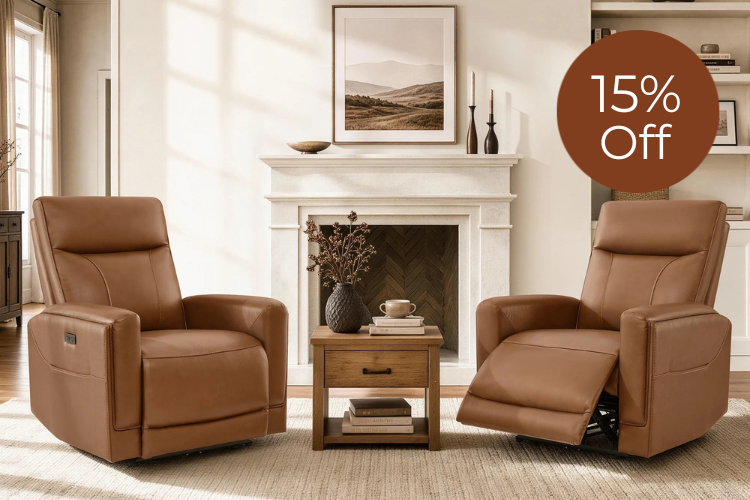
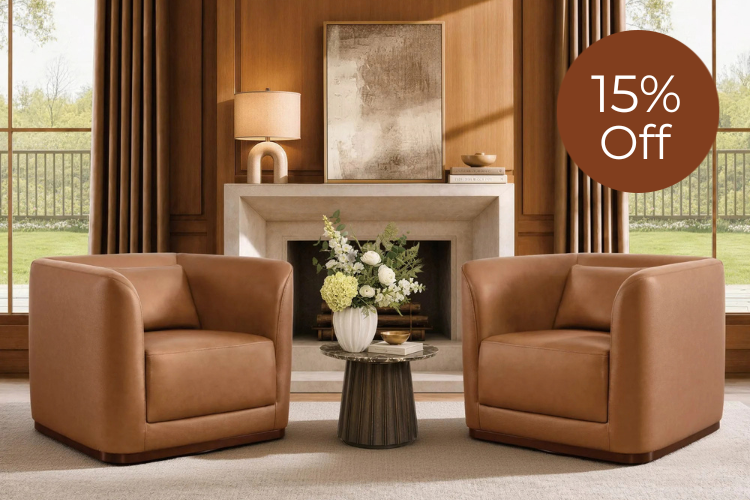
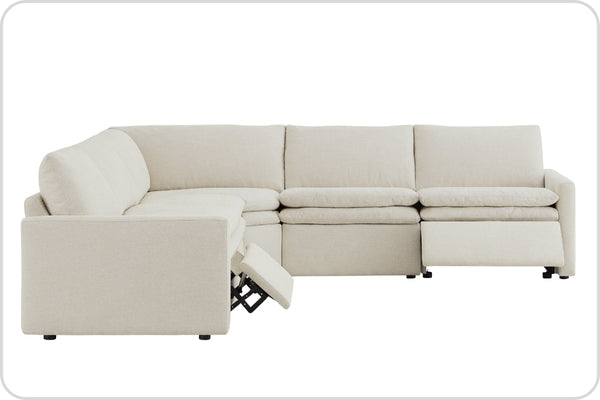
Models such as the Murphy Premium Dual-Motor Genuine Leather Zero-Wall Power Reclining Sofa or the Skyline 2-Seat Zero Gravity Reclining Sofa with Power Headrest illustrate how these specifications come together in real products. The Maxwell Genuine Leather Swivel Glider Recliner with Power Lumbar & Headrest adds swivel mobility for multi-angle reading or conversation. Browse the Genuine Leather Recliner Collection or Swivel Recliners to compare options that meet your measured needs.
Applying these checks helps avoid the common pitfalls of noise surprises, insufficient clearance, or premature mechanical fatigue. The result is a power seating system engineered for your specific retreat rather than a generic recliner that happens to have a power button.
Do Power Recliners Last Longer Than Manual Ones?
Dual- or triple-motor power systems with BIFMA-rated components often outlast basic manual recliners when used daily, because the motorized actuators distribute force more evenly and reduce user strain on release mechanisms. However, power models contain electronics that require occasional cable and connection checks. Expect 7–12 years of reliable service from a well-specified 2026 model with proper care; manual versions may feel simpler but can develop hinge wear faster under repeated forceful use.
Is Zero-Gravity Positioning Medically Beneficial?
Precision zero-gravity geometry can reduce lumbar disc pressure and create a sensation of spinal decompression that many users find helpful for temporary relief after long periods of sitting or standing. It is not a medical treatment or cure for diagnosed conditions. Consult a healthcare professional for back pain management; the chair serves as a comfortable tool that supports better posture and circulation rather than replacing clinical care.
How Quiet Are Whisper-Quiet Recliner Motors in Practice?
Premium 2026 brushless motors typically measure 30–40 dB during operation, comparable to a quiet library. Real-world volume depends on flooring, room size, and distance from the chair. In carpeted spaces or with ambient noise, the sound is rarely noticeable. Test in your own room acoustics if the chair will be used near sleeping areas or during quiet entertainment.
What Is the Difference Between Power and Manual Reclining for Daily Use?
Power recliners allow smooth, controlled movement to exact positions with minimal physical effort, which is advantageous for users with limited mobility or those who recline frequently. Manual versions require more upper-body strength and offer fewer intermediate stops. Power systems add convenience and precision but introduce a small dependency on electricity and slightly higher upfront cost.
How Much Space Do High-Spec Power Recliners Really Need?
Zero-wall models require only 0–4 inches of rear clearance for full recline, making them suitable for rooms as small as 10 by 12 feet when placed against a wall. Add 24–36 inches in front for footrest extension and at least 30 inches on the sides for safe swivel if that feature is included. Always measure your exact layout, including baseboards and nearby furniture, before purchase.
Which Features Matter Most for Home Theater Seating?
Prioritize consistent 120–128 degree recline geometry across seats for uniform viewing angles near the THX-recommended 36-degree field of view, whisper-quiet motors under 40 dB, and integrated Qi2 or USB-C charging. Independent headrest and lumbar motors help maintain posture during long sessions. Zero-wall capability simplifies row installation against walls or risers.
Recommended Products

More to Read
 7 Sofa Trends That Actually Improve Comfort in 2026
Upgrade your living room with furniture that supports your body. Here are 7 modern sofa features designed to maximize your daily comfort...
7 Sofa Trends That Actually Improve Comfort in 2026
Upgrade your living room with furniture that supports your body. Here are 7 modern sofa features designed to maximize your daily comfort...
 Mother's Day Gift Guide: Cozy and Stylish Furniture Picks for Modern Moms
Make Mother's Day more meaningful with furniture gifts that bring comfort, smart features, storage, and quiet luxury into her everyday routine.
Mother's Day Gift Guide: Cozy and Stylish Furniture Picks for Modern Moms
Make Mother's Day more meaningful with furniture gifts that bring comfort, smart features, storage, and quiet luxury into her everyday routine.
 Performance Fabric Reality Check: Does It Really Repel Pet Hair and Stains?
Performance fabric is often marketed as a miracle solution for homes with pets and kids, but the reality is more nuanced. It...
Performance Fabric Reality Check: Does It Really Repel Pet Hair and Stains?
Performance fabric is often marketed as a miracle solution for homes with pets and kids, but the reality is more nuanced. It...