




























Recliners Mistakes to Avoid in TV watching

If you are comparing recliners for long TV sessions, the biggest mistake is choosing for a few minutes of showroom comfort instead of the third hour of a movie marathon. The right recliner guide for TV watching should help you check sightlines, neck support, and room fit before style takes over.

Why Good Recliner Fit Matters for TV Watching
A recliner can feel great at first and still become tiring once you settle in for a full episode run or movie night. That is usually a fit problem, not just a softness problem. The seat may encourage your head to drift forward, your shoulders to round, or your lower back to stop getting useful support.
That is why this topic is really about avoiding recliner buying mistakes for watching TV, not finding the plushest chair on the floor. If a seat looks stylish but does not suit your viewing posture, the discomfort often shows up later. A useful follow-up is to compare headrest recliners with traditional designs before you buy.
Mistakes That Throw Off Sightlines
For most living rooms, the first check is simple: can you sit back and look at the screen without lifting your chin or collapsing your posture? Home theater guidance often uses a screen center around 42 inches from the floor as a comfortable starting point, and seating guides also suggest placing the TV at eye level or slightly below when seated.

Sitting Too Low or Too Deep for the Screen
If the seat drops you too low, the screen can sit above your natural line of sight. That makes you tilt your head back a little at a time, which may not feel dramatic for 10 minutes but becomes noticeable during longer sessions. A very deep seat can create the same problem if it lets your torso sink back faster than your eyes can stay level.
The check is practical: sit in the reclined position you would actually use for TV, then see whether your eyes meet the screen without a chin lift. If they do not, the recliner may be fine for lounging but not ideal for focused viewing.
Ignoring Screen Height and Viewing Distance
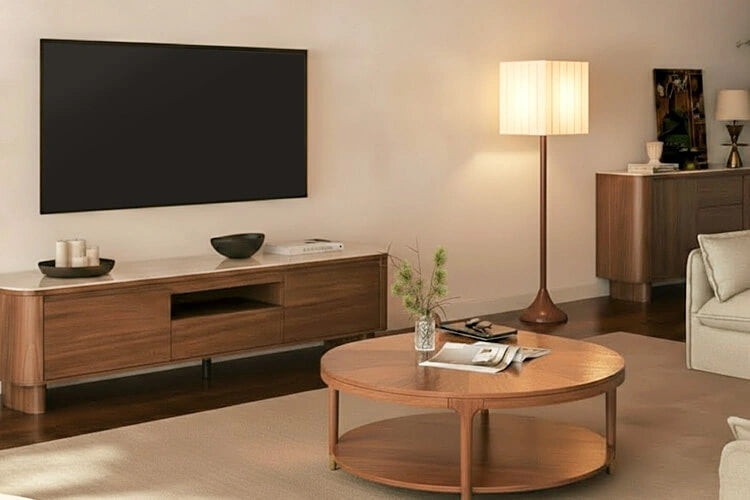
A recliner should be chosen with the room layout, not just the chair, in mind. A model that works in one living room can feel wrong in another if the screen is mounted too high, the seat sits too close, or the viewing angle forces constant upward looking.
That is where TV height guidance and seating fit come together. The chair is only half of the setup. If the room makes you work to see the screen, even a good recliner can start to feel tiring.
Choosing a Recline Angle That Breaks the Sightline
A position that feels relaxing for a nap is not always the best position for TV. If the backrest opens too far, the screen may stay visible but stop feeling natural to watch. That is especially true in rooms where the TV is fixed high on the wall.
The better choice is usually a chair that allows smaller posture changes, not only one dramatic lounging angle. If you watch long series, that flexibility matters more than a one-note recline feel.
Quick Sightline Checks
- Sit where you will actually watch TV, not just upright for a showroom test.
- Confirm that your eyes meet the screen without a chin lift.
- Make sure the TV is centered far enough down that you are not looking up for the whole session.
- Check that the reclined position still keeps the screen easy to scan.
Comfort Features That Prevent Binge-Watching Fatigue
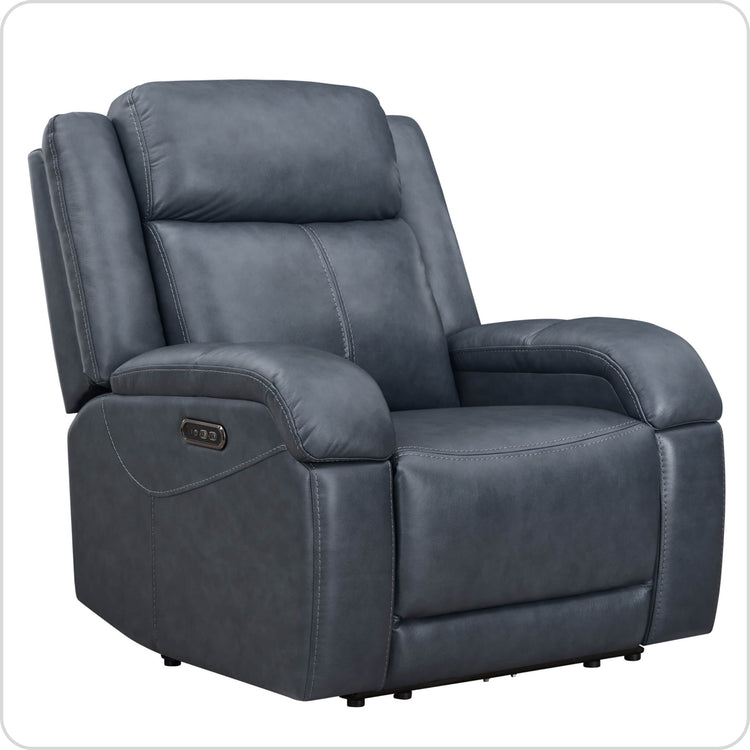
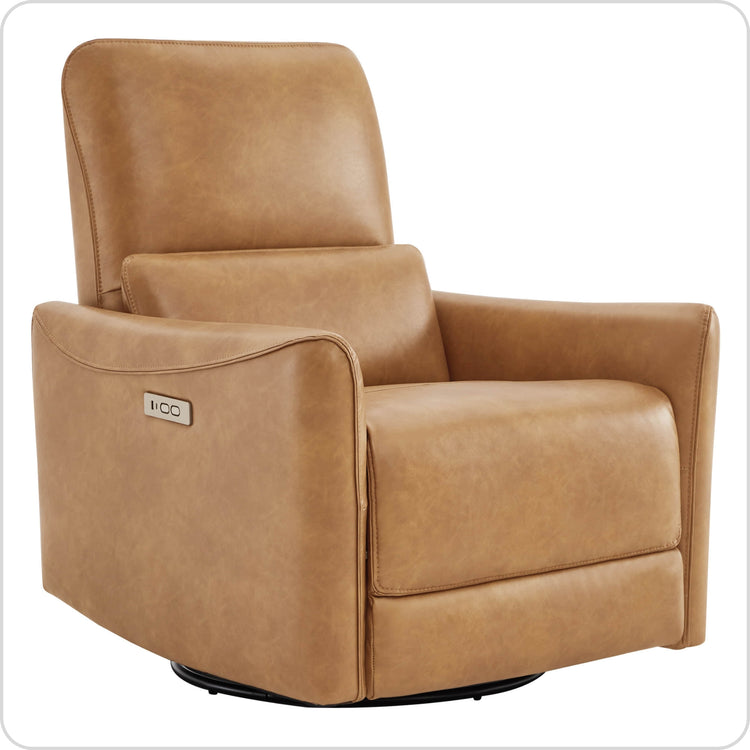
The most useful features are the ones that help your body stay relaxed for a long stretch, not the ones that look impressive in a listing. For long TV nights, adjustable head support and lumbar support usually matter more than decorative stitching or a trendy silhouette. A recliner that pushes the head forward or leaves the neck unsupported can contribute to stiffness after watching TV for a while, according to neck-pain and recliner guidance. Use adjustable neck support as a buying condition, not a bonus feature.
Here is the simplest way to judge the tradeoff:
- Adjustable headrest helps when your screen height or torso length is not average. It matters most if you watch for hours.
- Lumbar support matters when your lower back starts to flatten out in a deep seat.
- Seat depth matters if a chair makes you slide forward or forces your knees and back into a strained angle.
- Power recline matters when small position changes are easier to live with than a fixed manual stop.
- Space-saving motion matters when the chair has to live close to a wall or in a tighter media room.
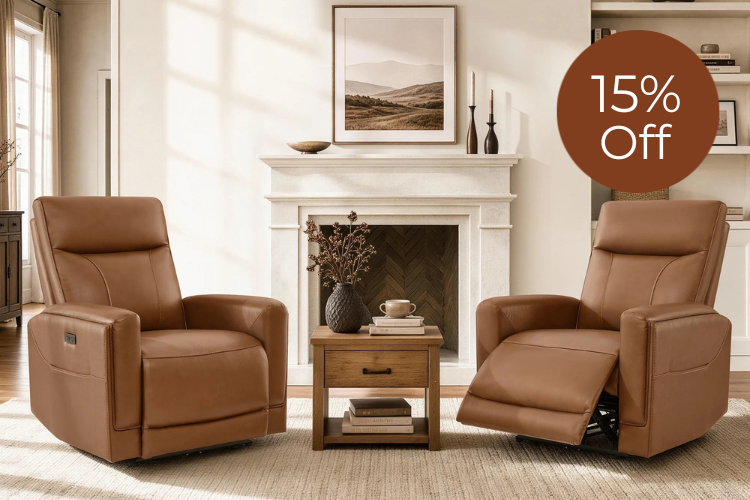
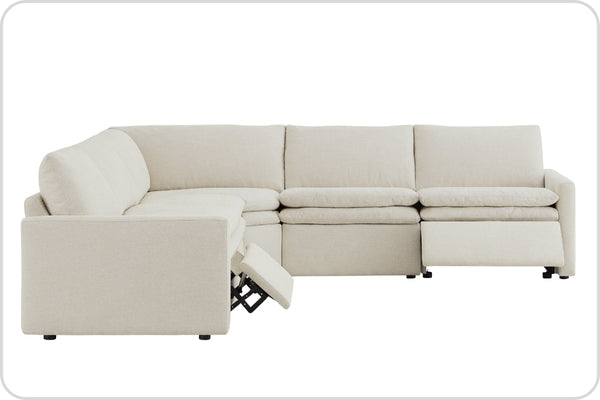
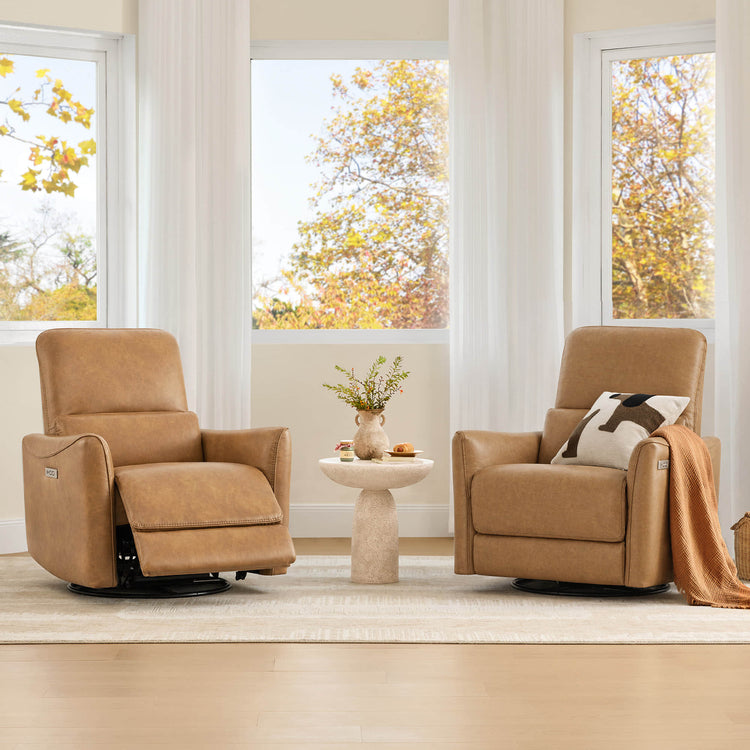
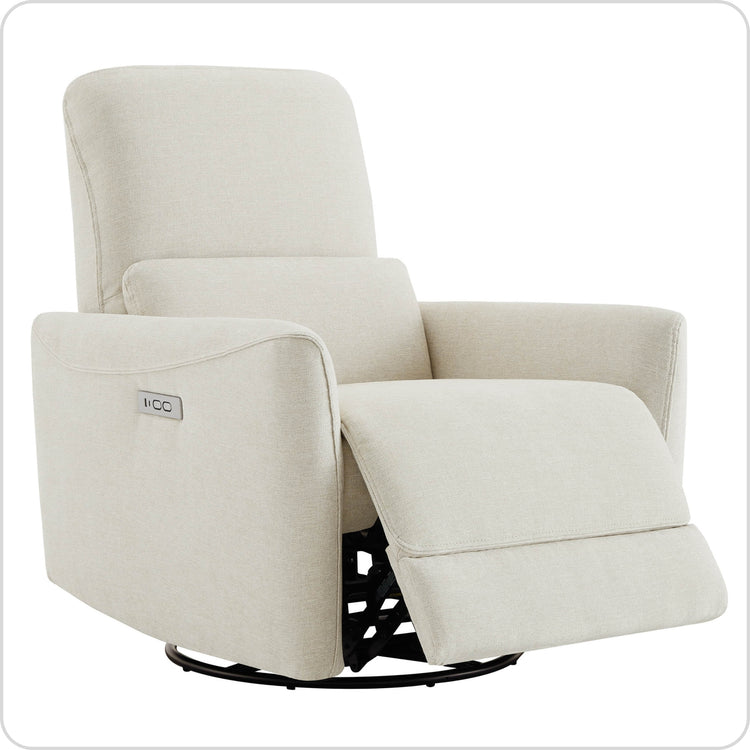
If you want a style-led seat that still gives you a clearer support path, compare power seating options after you decide which support feature fixes your real problem. For example, a chair like the Owen reclining sofa is more relevant when you already know you want power headrest support, while a browse through recliner clearance options may make sense only after you have the fit conditions sorted.
Room Layout Mistakes That Make a Good Chair Feel Wrong
A good recliner can still disappoint if the room works against it. The most common setup mistake is buying the chair first and trying to force the room around it later. That often creates awkward traffic flow, a bad viewing angle, or a recline position that runs into a wall or side table.
- TV too high: If the screen is mounted well above seated eye level, your neck has to work harder. That is one of the fastest ways to turn a comfortable chair into a tiring one.
- Not enough clearance: Some recliners need room behind them, while others are designed to sit closer to a wall. Check the motion path before you assume it will fit.
- Poor side-table reach: If the armrest is perfect but your drink, remote, or reading light is out of reach, the setup will still feel annoying in real use.
- Traffic flow problems: A recliner that blocks the main walkway often gets used less comfortably than expected.
This is where room-specific fit matters more than showroom softness. A chair that looks ideal online can still feel wrong if it forces you to twist, reach, or sit with the screen too high. If your space is tight, check zero-wall fit before you buy.
What to Check Before You Buy
Use this as a quick pre-buy checklist for recliner buying mistakes for watching TV:
- Measure the viewing setup first. Check where the TV sits, how high the screen center lands, and whether your seated eye line feels natural.
- Test the real watching posture. Sit the way you would during a movie, not just upright for 30 seconds.
- Check head and lower-back support. If your head drifts forward or your lower back feels unsupported, keep shopping.
- Confirm recline clearance. Make sure the chair can recline without hitting the wall, coffee table, or walkway.
- Compare support before style. Leather, color, and trim matter, but not if the seat fails your posture test.
If you are shopping on price as well as comfort, browse recliner clearance only after you know the chair shape and support level you actually need. A cheaper model is not a win if it solves the wrong problem.
FAQs
How Do I Know If a Recliner Fits My TV Viewing Height?
Sit in the position you will actually use for TV and see whether your eyes naturally meet the screen without chin lift or slouching. If the screen feels too high, the problem may be the room layout, not just the chair.
What Recliner Feature Helps Most During Long Movie Nights?
There is no single best answer for every body, but adjustable head support and lumbar support are usually the first features to check for long sessions. They matter most when a chair has to support a relaxed viewing posture for more than a quick sit.
Can a Wall-Hugger Recliner Still Be Comfortable for TV Watching?
Yes, if its support shape still matches your body and the TV height works with the reclined position. A wall-hugger design helps with space, but it does not automatically solve sightline or neck-support problems.
Why Does a Soft Recliner Sometimes Feel Worse After an Hour?
Soft padding can hide weak support at first. After a while, the seat may let your head, shoulders, or lower back drift into a less neutral posture, which is when TV comfort usually starts to drop.
What Should I Test In-Store Before Buying a Recliner for TV Watching?
Test the exact posture you expect to use at home. Recline partway, check whether your head stays supported, confirm your lower back does not collapse, and make sure the chair still fits the room when it moves.
Final Takeaway
The safest way to avoid recliner buying mistakes for watching TV is to judge the chair as part of a full viewing setup. Start with sightlines, then check head and lumbar support, then confirm that the recliner still fits your room once it moves. If you want a better long-session fit, buy for posture first and style second.
Recommended Products



More to Read
 7 Sofa Trends That Actually Improve Comfort in 2026
Upgrade your living room with furniture that supports your body. Here are 7 modern sofa features designed to maximize your daily comfort...
7 Sofa Trends That Actually Improve Comfort in 2026
Upgrade your living room with furniture that supports your body. Here are 7 modern sofa features designed to maximize your daily comfort...
 Mother's Day Gift Guide: Cozy and Stylish Furniture Picks for Modern Moms
Make Mother's Day more meaningful with furniture gifts that bring comfort, smart features, storage, and quiet luxury into her everyday routine.
Mother's Day Gift Guide: Cozy and Stylish Furniture Picks for Modern Moms
Make Mother's Day more meaningful with furniture gifts that bring comfort, smart features, storage, and quiet luxury into her everyday routine.
 Performance Fabric Reality Check: Does It Really Repel Pet Hair and Stains?
Performance fabric is often marketed as a miracle solution for homes with pets and kids, but the reality is more nuanced. It...
Performance Fabric Reality Check: Does It Really Repel Pet Hair and Stains?
Performance fabric is often marketed as a miracle solution for homes with pets and kids, but the reality is more nuanced. It...