






















How to Choose sofas for neutral living rooms

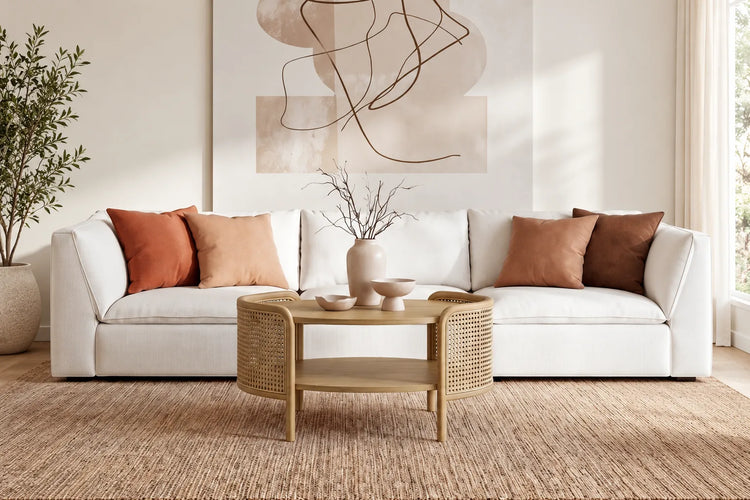
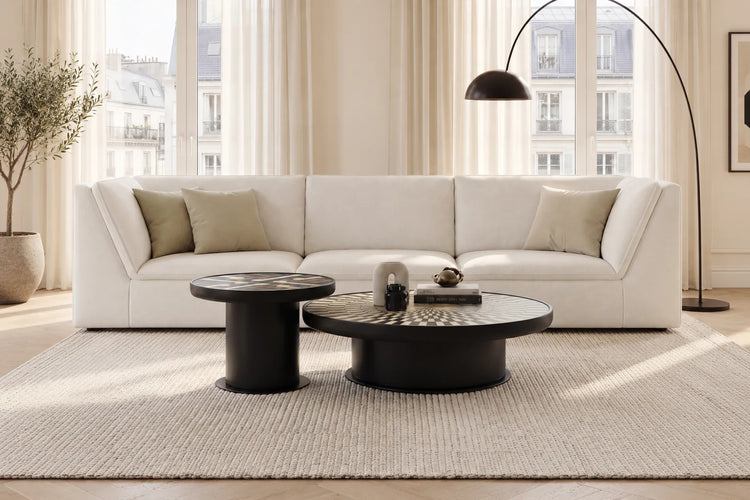
Neutral living rooms look best when the sofa does more than match the walls. If you are learning how to choose sofas for neutral living rooms, start with texture, silhouette, and fabric performance before you think about color. That is what keeps a beige or cream room from feeling flat.

Why Flat Neutrals Fall Short
A neutral room usually fails when every surface feels visually similar. If the rug, walls, drapes, and sofa all sit in the same soft range, the room can feel unfinished even when each piece is expensive.
Texture Makes the Palette Feel Intentional
For most homes, texture is the fastest way to make a neutral room feel designed. A nubby weave, a matte fabric surface, or a cushioned profile adds depth without introducing a new color family.
That matters because the sofa often becomes the room's main visual anchor. In a colorful space, art or accent chairs can do more of that work. In a neutral room, the sofa has to carry more of the interest.
Shape Adds Contrast Without Adding Color
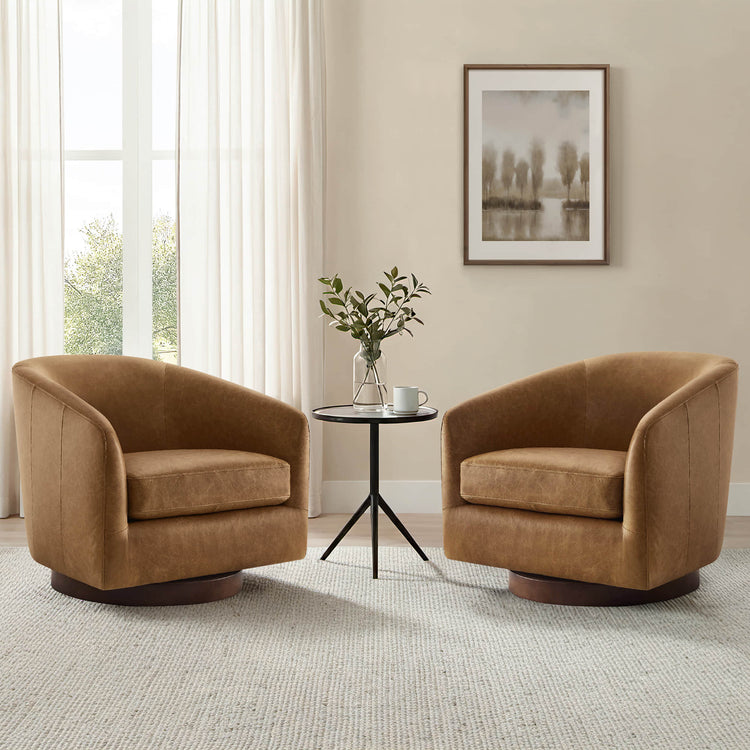
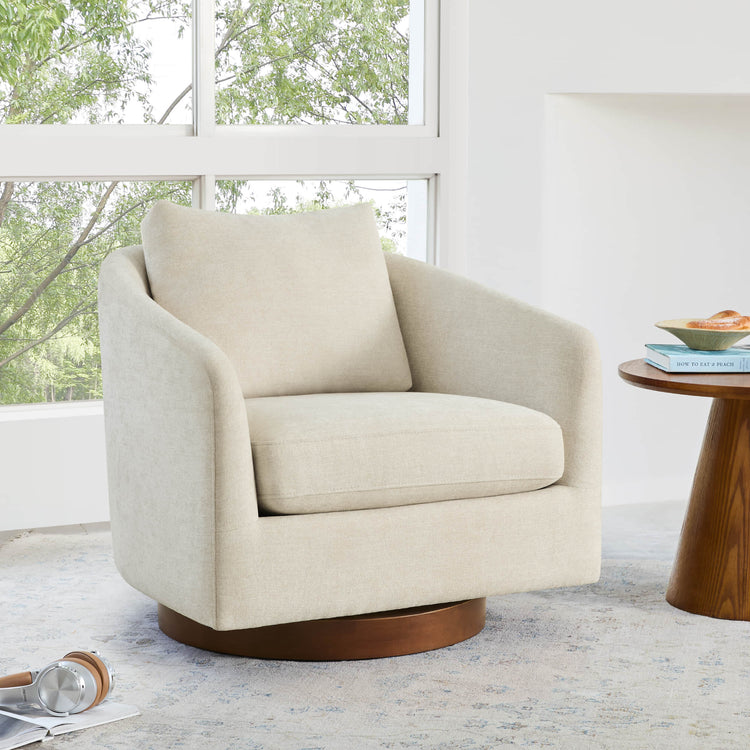
Silhouette matters almost as much as fabric. Straight arms, a low frame, or a curved profile can change the whole feel of a room, even if the upholstery stays beige.
A sofa with a clear shape reads as a design choice. A boxy, low-contrast sofa with the same tone as the wall often disappears, especially in open-concept rooms with lots of light.
Scale Keeps Neutrals From Looking Washed Out
Oversized furniture can make a light room feel heavy, while undersized furniture can make it look sparse. The goal is not just to fit the wall length. It is to make the sofa feel proportionate to the room's volume, windows, and traffic paths.
If the room already has a lot of visual softness, choose one element that gives the eye a stopping point. That could be a structured arm, visible legs, or a deeper seat that signals comfort and purpose.
Choose Performance Fabrics First
For families, the first filter is not color. It is whether the fabric can handle real use without demanding constant babysitting. That is why performance fabric is often the smartest starting point for a light sofa in a busy home.
Industry guidance from the American Home Furnishings Alliance's fabric standards treats abrasion, cleanability, and colorfastness as core performance checks. ASTM also covers upholstery fabric requirements in related standards, while Wyzenbeek abrasion testing is the common U.S. benchmark for wear resistance.
Performance Fabric Basics
A performance fabric does not mean "invincible." It usually means the textile and finish are designed to improve day-to-day cleanability and wear resistance compared with a decorative fabric that is chosen mostly for looks.
For neutral living rooms, that distinction matters. Light shades can show spills, pet hair, and everyday handling more quickly, so the face fabric has to do more work than the color alone suggests.
What to Look for in a Busy Household
Tighter weaves usually hold up better visually than loose, fuzzy textures because they give dirt and pet hair fewer places to settle. A smoother surface also tends to be easier to vacuum or brush.
The best way to judge the sofa is to ask what will happen after six months of use, not how it looks on day one. If the home has kids, pets, or frequent guests, choose cleanability and rub performance before you choose a soft-looking finish.
Performance Fabric vs. Chenille vs. Leather for Pet Homes can help you compare materials when pets are part of the decision.
When This Choice Breaks Down
A delicate fabric can still work in a neutral room, but usually only if traffic is light and maintenance is consistent. If the sofa will face movie nights, snacks, and pet contact, a more forgiving surface is the safer choice.
In other words, choose for the life you actually live. A beautiful fabric that makes you anxious is not a good match, even if it photographs well.
Modular Shapes That Keep Rooms Flexible
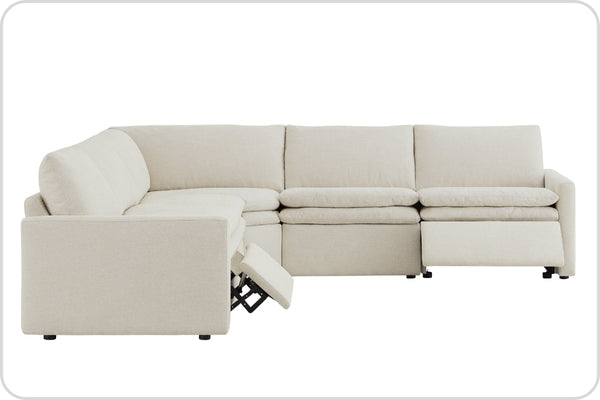
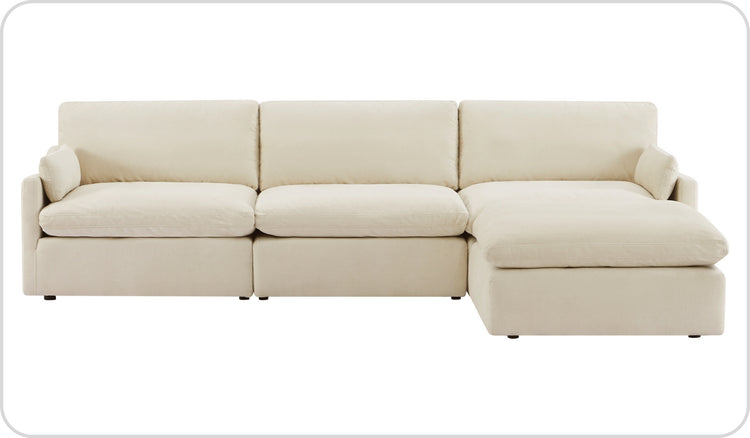
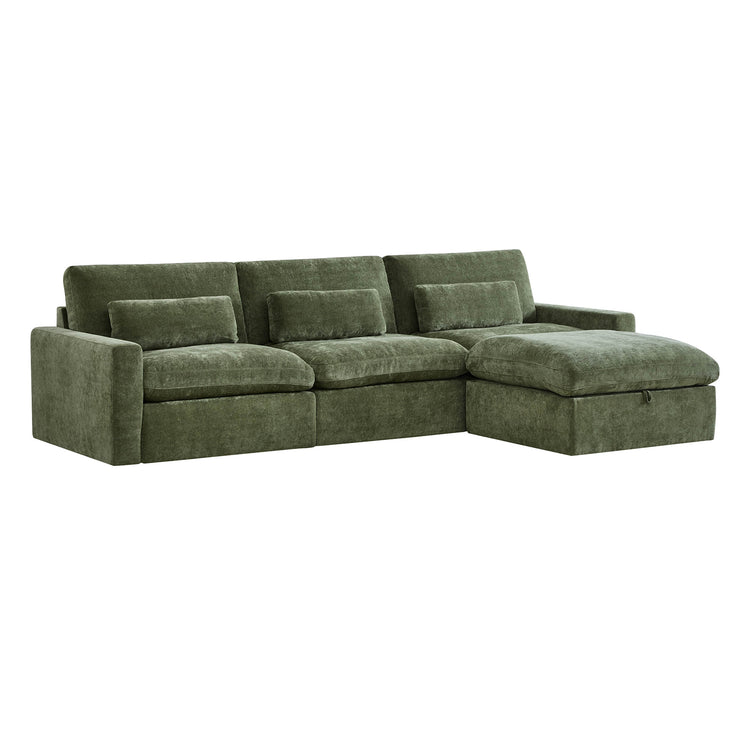
Neutral rooms benefit from flexible shapes because the palette is calm, so the layout has to do more of the visual and functional work. A modular sofa is often the easiest way to keep that flexibility without adding clutter.

Exploring the Versatility of Modular Sofas: A Comprehensive Overview is a useful next stop if you want a broader look at configuration options.
For open-concept homes, modular seating can help you adapt the room as needs change. One month you may want a long lounging setup, and later you may need a more open path for traffic or entertaining.
Modular Pieces Solve Real Friction
The hidden benefit is not just style. It is fewer compromises when the room changes. Modular pieces can make delivery easier, reduce layout regret, and let you reconfigure around rugs, tables, or a larger gathering.
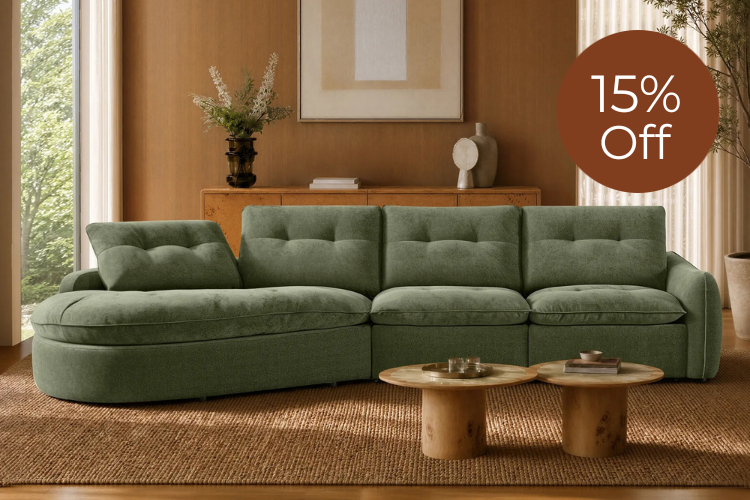
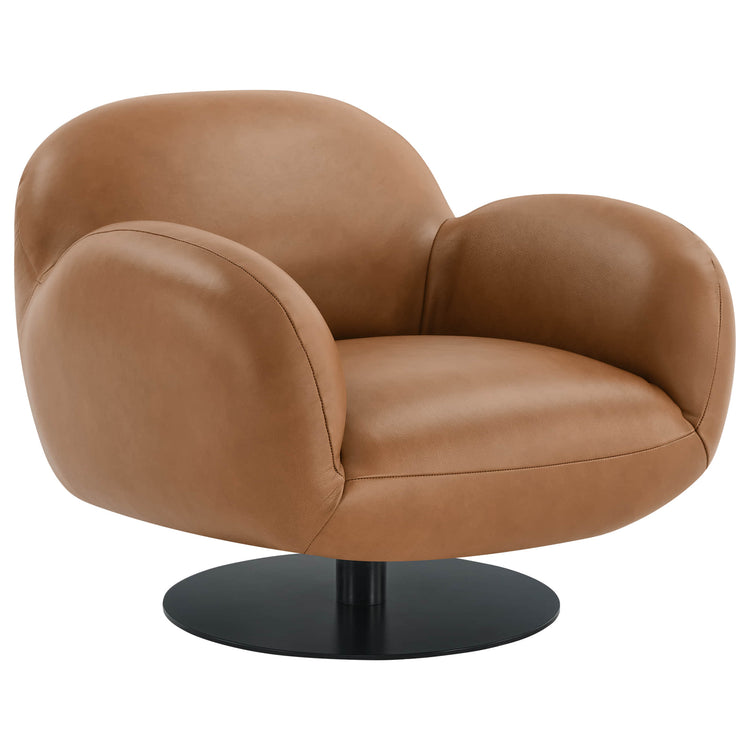
Curved or wraparound profiles can also soften the straight lines that dominate many neutral rooms. That is especially helpful if the room already has hard edges from windows, fireplace surrounds, or built-ins.
Fixed Shapes Still Make Sense Sometimes
A fixed sofa is not wrong. It can be the better call if the room is small, the traffic path is tight, or you already know the layout will not change.
The main question is whether you want permanence or flexibility. If your living room doubles as a play area, TV room, and hosting space, modular usually offers more long-term value.
A Sofa Checklist for Neutral Rooms
Before you narrow the field, check the room the way the sofa will actually live in it. That means lighting, flooring, layout, and cleaning habits, not just color swatches.
The 2026 Spec-First Sofa: Why Feature Density is the New Luxury is a helpful follow-up if you want a deeper spec-first buying lens.
- Look at the room in daylight and evening light. Warm bulbs can make a cream sofa feel richer, while cool light can make the same fabric look flatter.
- Compare the sofa against the flooring and rug, because those surfaces change how light upholstery reads.
- Check the arm shape, leg style, and cushion profile together. A neutral sofa needs at least one strong design cue.
- Confirm the care instructions before you decide. If the cover is hard to clean, the sofa may not suit a busy household.
- Measure the seat depth and total footprint against your actual daily use, not just the wall length.
That checklist usually separates the sofas that merely look nice online from the ones that keep looking good after regular use.
Match Features to Household Needs
The right sofa features change with the home. In practice, the best choice depends on whether you need easy cleaning, stronger visual presence, or a shape that keeps circulation open.
| Household Need | Sofa Features To Prioritize | Why It Helps |
|---|---|---|
| Kids and frequent use | Cleanable performance fabric, sturdy base, shape-retaining cushions | Easier upkeep and less visible daily wear |
| Pets | Tighter upholstery surface, brush-friendly finish, durable seams | Hair and debris are easier to manage |
| Open-concept layout | Finished back and sides, clear silhouette, modular or curved form | The sofa looks intentional from more angles |
| Smaller living room | Lighter visual weight, raised legs, compact footprint | Helps the room feel open and less crowded |
| Lounging-heavy family room | Deeper seating, softer cushion fill, flexible configuration | Better for relaxing without losing structure |
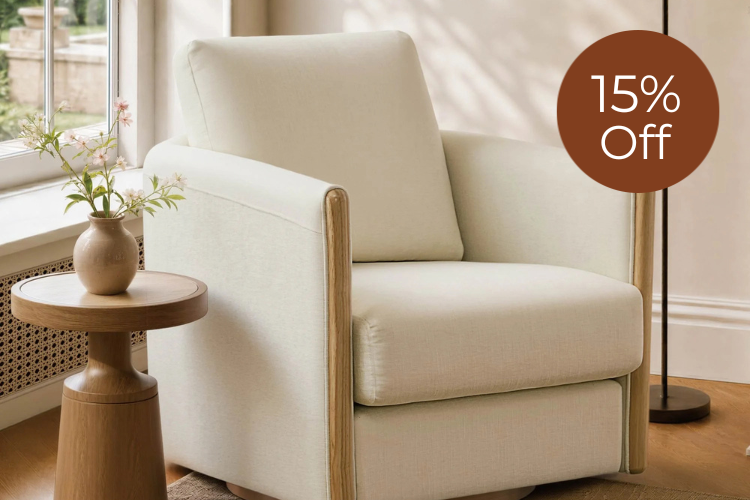
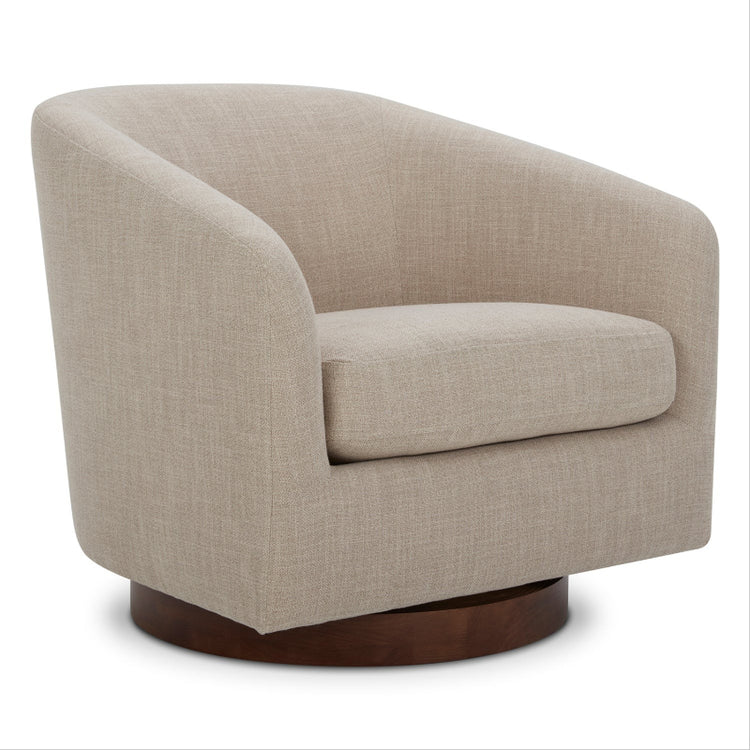
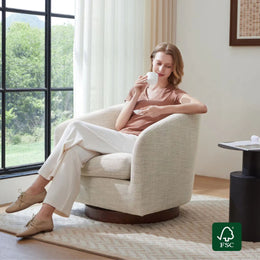
For a family room that needs a polished neutral anchor, consider structured performance options with wood bases as navigation points because their profiles align with many buyers' needs in this setup.
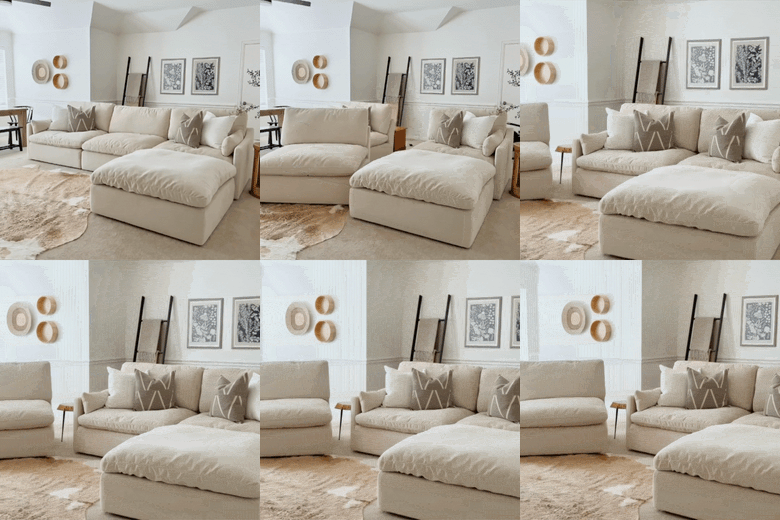
If your room changes often, compare curved, room-softening silhouettes from modular collections. Use them as style and layout references, then verify the fabric and care details before buying.
When the Recommendation Flips
If your priority is maximum flexibility, modular shapes usually win. If your priority is a cleaner, more formal outline in a smaller room, a simpler fixed sofa can be the better fit.
If the room has pets or heavy traffic, favor tighter upholstery and easier care over a plush, open-texture look. If the room is mostly for low-traffic entertaining, you can lean more heavily into soft texture and sculptural shape.
Measure, Order, and Set It Up
Before you order, measure the wall, walkways, doors, and any stairs or elevators the sofa has to pass through. That prevents the most frustrating kind of mistake, which is getting the right style in the wrong size or format.
Check whether the sofa ships as one piece or in modules, because that affects delivery and setup more than many shoppers expect. Then confirm returns, warranty, and assembly details so the final cart matches your actual home, not just your mood board.
You can browse current arrivals or explore Living Room Furniture & Decor Ideas to compare how a sofa will sit with rugs, tables, and lighting. The goal is simple: make the sofa the anchor, not an afterthought.
Related Resources
- Decoding Performance Fabrics – What are Performance Fabrics?
- Sofa Placement Ideas That Instantly Upgrade Your Living Room
- 9 Common Sofa Buying Mistakes and How to Avoid Them
FAQs
Q1. How Do You Keep a Light Sofa Looking Clean in a Busy Home?
Vacuuming seams and cushions regularly helps more than most people expect, because dust and hair build up before stains do. If the cover or cushion insert is removable, follow the care label exactly, since heat and agitation can change the fabric's look over time.
Q2. What Sofa Fabric Shows the Least Everyday Wear?
Tighter weaves usually hide routine wear better than loose, fuzzy textures because they trap less debris and keep abrasion marks less visible. Seam construction and cushion recovery matter too, since a good face fabric can still look tired if the cushions collapse quickly.
Q3. Can a Neutral Sofa Still Be the Focal Point?
Yes, if the silhouette and materials do the work. In a neutral room, a sofa with visible legs, a curved profile, or a textured finish can draw the eye without depending on bright color, and lighting can make the same upholstery read warmer or cooler.
Q4. How Much Sofa Depth Works Best for Family Lounging?
Deeper seats usually feel better for lounging, while shallower seats suit tighter rooms and more upright sitting. Cushion fill changes the usable depth, so a sofa that measures deep on paper may still feel firm and supportive rather than sinky.
Q5. What Should You Check Before Ordering a Neutral Sofa Online?
Look at the stated dimensions, care instructions, and shipping format first. Then compare the sofa's back and side views with your room plan, because neutral pieces often need to look good from more than one angle in open-concept homes.
The Best Neutral Sofa Is the One That Earns Its Place
When learning how to choose sofas for neutral living rooms, focus on performance fabric, silhouette, and layout flexibility first. A neutral sofa works when it adds texture, keeps its shape, and fits the way your room is used every day. If you start with fabric performance, then check silhouette and layout flexibility, you are much less likely to end up with a room that feels plain or high-maintenance. The right sofa should steady the whole space, not disappear into it.
Recommended Products

More to Read
 7 Sofa Trends That Actually Improve Comfort in 2026
Upgrade your living room with furniture that supports your body. Here are 7 modern sofa features designed to maximize your daily comfort...
7 Sofa Trends That Actually Improve Comfort in 2026
Upgrade your living room with furniture that supports your body. Here are 7 modern sofa features designed to maximize your daily comfort...
 Mother's Day Gift Guide: Cozy and Stylish Furniture Picks for Modern Moms
Make Mother's Day more meaningful with furniture gifts that bring comfort, smart features, storage, and quiet luxury into her everyday routine.
Mother's Day Gift Guide: Cozy and Stylish Furniture Picks for Modern Moms
Make Mother's Day more meaningful with furniture gifts that bring comfort, smart features, storage, and quiet luxury into her everyday routine.
 Performance Fabric Reality Check: Does It Really Repel Pet Hair and Stains?
Performance fabric is often marketed as a miracle solution for homes with pets and kids, but the reality is more nuanced. It...
Performance Fabric Reality Check: Does It Really Repel Pet Hair and Stains?
Performance fabric is often marketed as a miracle solution for homes with pets and kids, but the reality is more nuanced. It...