













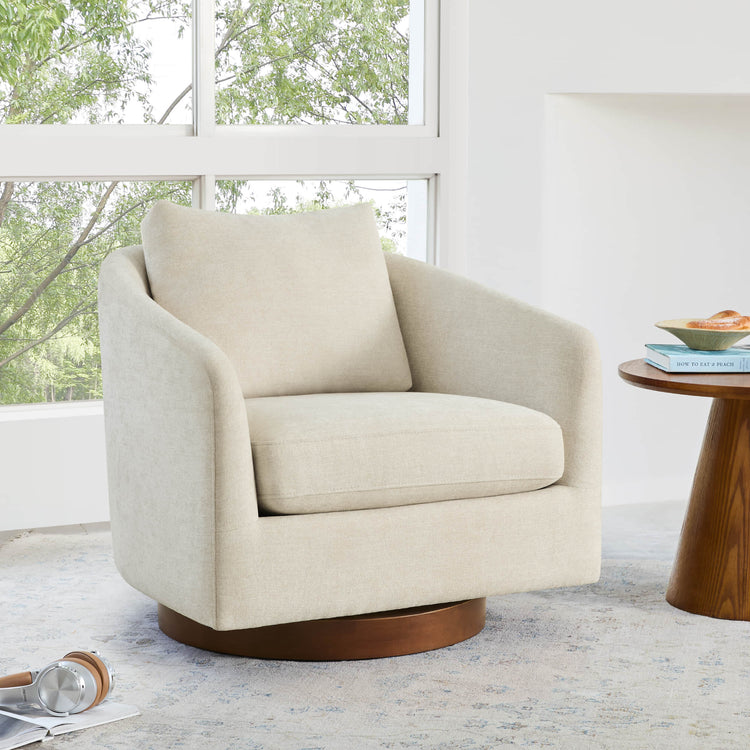












Nursery Glider Recliners: quiet motor vs Alternatives for contact naps

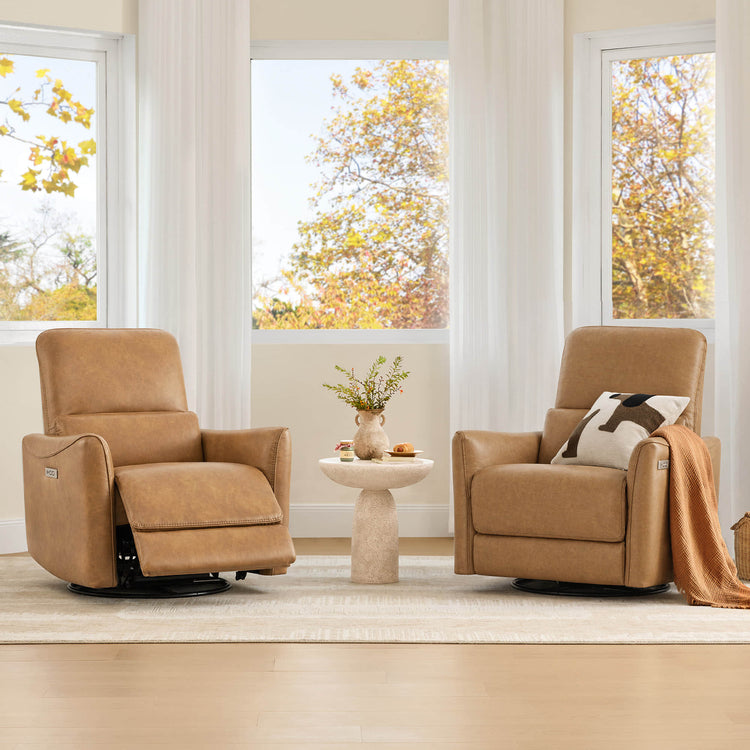
For a nursery glider recliner, the real question is not whether it is silent, but whether it moves gently enough to keep a sleeping baby settled during the handoff from your arms to the crib. That matters most during contact naps, late-night soothing, and those awkward reset moments when a small jolt can undo a good stretch of calm. Peer-reviewed research on rocking and sleep shows why motion quality can help here, but it does not guarantee every baby will stay asleep.

Why Quiet Motion Matters for Contact Naps
The buying problem is simple: a chair can feel comfortable and still be a poor fit if it moves too abruptly when you sit down, recline, or return to neutral. That is where quiet, smooth motion earns its place in the nursery. It is less about perfect silence and more about reducing the kind of distraction that can wake a baby already halfway into sleep.
Rhythmic motion is the reason many parents prefer a glider or rocker in the first place. The sleep research above suggests that steady rocking can help infants transition toward sleep more quickly, but that is a general mechanism, not a promise. In real use, the useful question is whether the chair helps you settle, soothe, and reposition without adding extra disturbance.
That is also why the best chair for contact naps in nursery routines is often the one that feels calm at the reset moment. If the chair is noisy, jerky, or awkward to move while holding a baby, the comfort benefit can disappear fast. A quieter, smoother chair is especially helpful when you expect to repeat the same motion many times a night.
If you want a broader shopping lens before comparing specific motion types, the quiet nursery glider guide is a useful next stop.
Quiet Motor vs Manual Gliders
| Option | Smoothness at Reset | Caregiver Effort | Transfer Disturbance Risk | Setup Constraints | Best Fit |
|---|---|---|---|---|---|
| Manual recliner | Medium | Higher | Higher | Lower | Occasional soothing, simpler rooms, tighter budgets |
| Quiet-motor power recliner | Higher | Lower | Lower | Higher | Frequent contact naps, repeated transfers, fatigue-heavy routines |
The difference is usually not just “quiet versus not quiet.” It is smoother versus less smooth, and easier versus more effortful. Manual chairs can work well, but they may rely more on body movement and user timing. Some people are fine with that. Others find that the reset is where the baby gets stirred.

A power chair can reduce how much force you need to use when sitting back, rising, or changing position. That matters when you are holding a sleeping baby and want the handoff to feel controlled. A 2026 nursery recliner guide focused on silent power and lumbar support is a good follow-up if you are leaning toward a powered setup.
For a general motion comparison, the difference between rockers and gliders is worth understanding too, because not every moving chair feels the same in a nursery.
The main rule is this: if you do frequent transfers and the chair is part of your nap workflow, quiet-motor power is often the safer bet. If you use the chair only occasionally, and your room layout is simple, a manual model may be enough.
| Decision Factor | Manual Glider | Quiet-Motor Power Recliner |
|---|---|---|
| Motion at reset | Often feels more direct and can be a little less forgiving | Usually feels smoother at the transition |
| Effort to use | Higher | Lower |
| Best for | Occasional soothing and simpler layouts | Frequent naps and repeated night use |
| Setup needs | Fewer constraints | Needs outlet access and cord planning |
If you prefer a deeper walk-through of chair mechanics before you decide, this guide to glider recliner movement gives a broader comparison of gliders, rockers, and power recliners.
What to Prioritize in a Nursery Glider Recliner
Start with motion quality, then check the practical stuff that makes the chair easy to live with every night. The most useful features are the ones that reduce friction during a real routine, not the ones that look impressive in a product photo.
Motion Feel and Transition Control
Smooth starts and stops matter most when a baby has just fallen asleep in your arms. A chair that glides or reclines in a controlled way is easier to manage than one that resets with a click or a small jerk. That does not mean every manual chair is bad. It means the motion should match how sensitive your transfer routine is.
Seat Support for Long Feeds
Support for your back, neck, and arms matters because contact naps and night feeds can stretch on longer than expected. Good support does not solve sleep deprivation, but it can make the session less tiring. If you are choosing a nursery glider recliner for frequent use, comfort is not a luxury feature, it is part of the workflow.
Room Fit and Everyday Convenience
This is where a lot of nursery chairs break down. A power chair needs outlet access, sensible cord routing, and enough clearance to move without bumping the crib or dresser. The federal guidance on UL 962 household furnishings is a useful reminder that motorized furniture should be judged for electrical and mechanical safety, but that does not replace a real room-fit check. For broader background on fabric durability and everyday wear, performance fabric durability can also help you compare upholstery choices.
Small Extras That Reduce Friction
Small details can matter more at 2 a.m. than they do in a showroom. Easy-to-reach controls, storage pockets, and simple-to-clean fabric can all make the chair easier to live with. Treat them as convenience helpers, not proof that the chair will improve sleep.
Which Chair Fits Your Nursery Routine
- Choose a quiet-motor power chair if you do frequent contact naps, repeated night soothing, or a lot of baby-to-crib transfers. The lower-effort motion can help when you are tired or recovering and want fewer abrupt position changes.
- Choose a manual glider if you want a simpler setup, use the chair less often, or care more about low cost and low complexity than powered convenience.
- Check outlet placement before you fall in love with a power model. If the cord path will crowd the crib or create awkward placement, that chair may be a bad fit even if it looks perfect online.
- Pick the chair you will still like on a normal Tuesday night, not just the one that sounds ideal in the nursery plan.
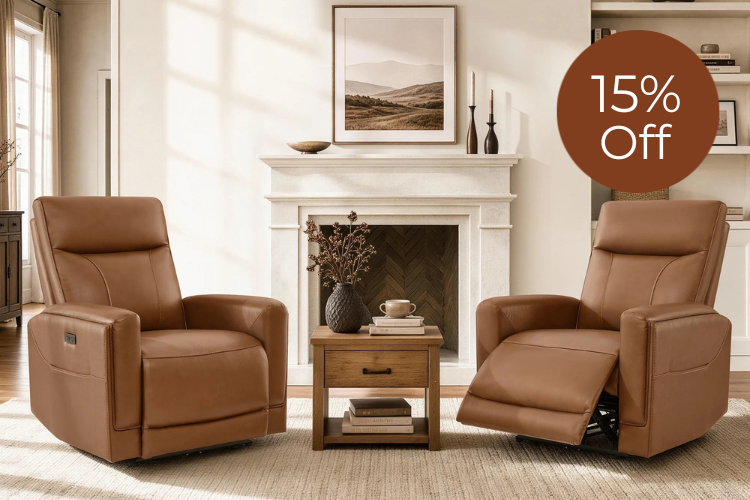
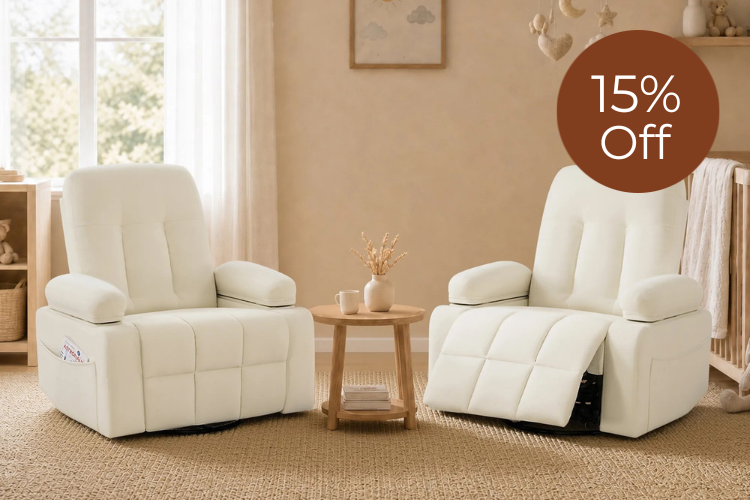
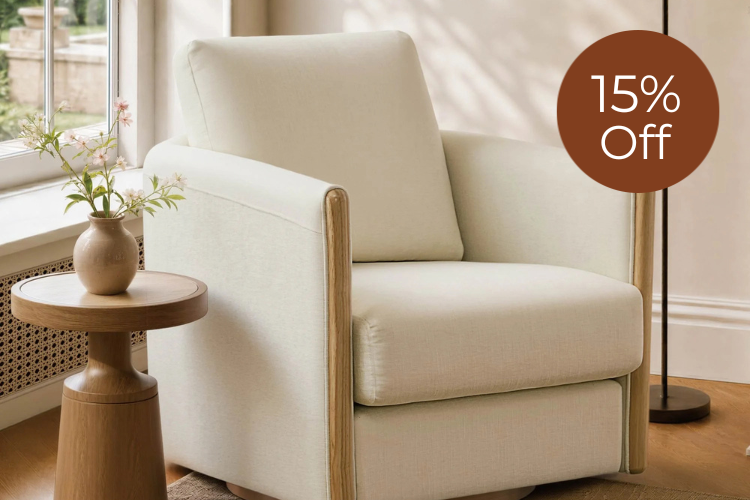
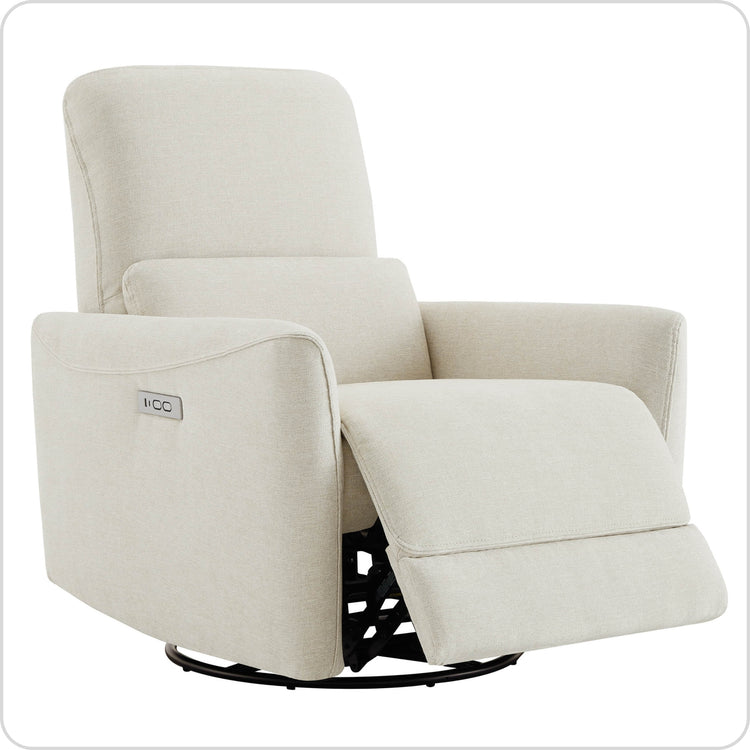
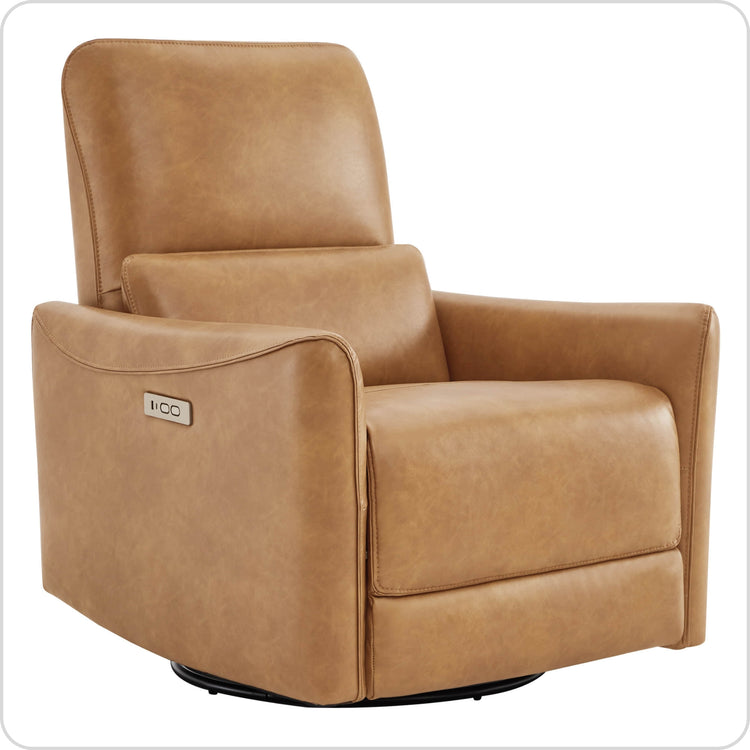
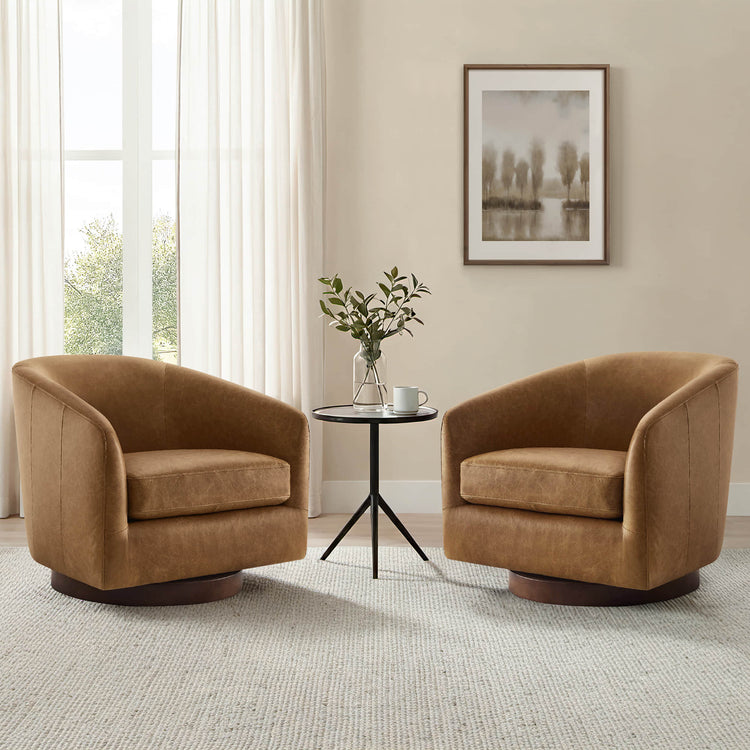
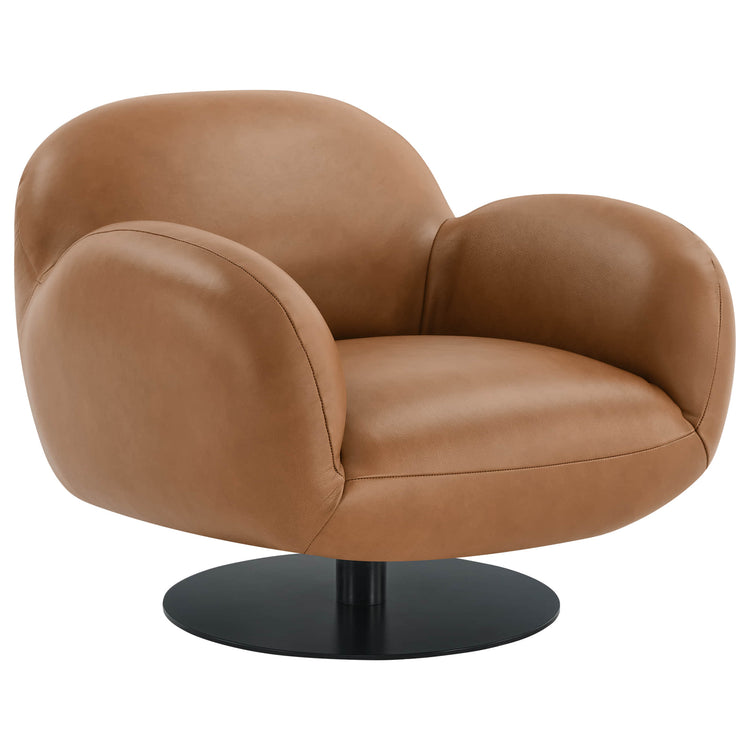
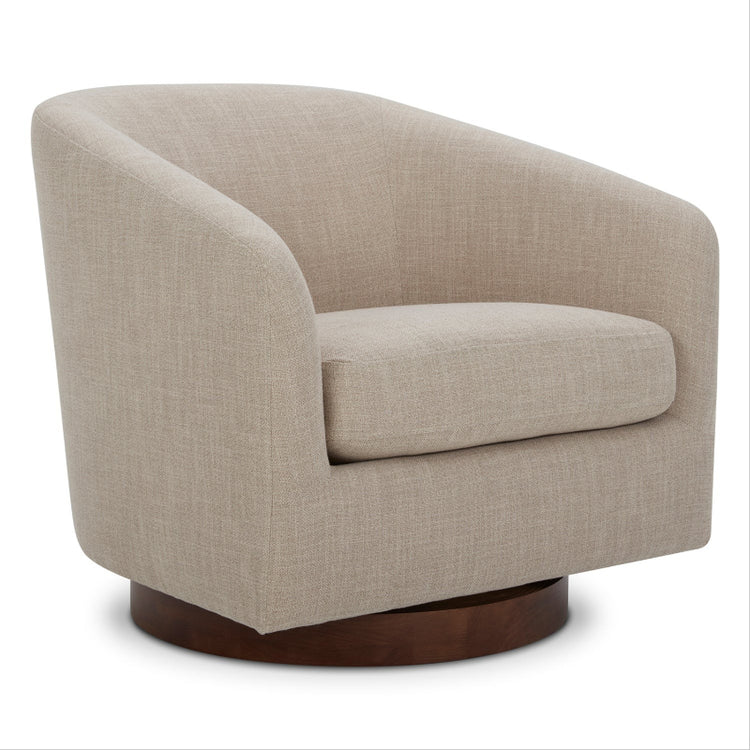
Parents in postpartum recovery often value the easier positioning and standing transitions of a power chair, but that is a convenience benefit, not a medical one. If you want a closer look at powered options, Aurora power swivel seating and Tracee nursery recliners are worth checking as navigation points, especially if you want a smoother motion profile in a nursery setup. If you are still comparing categories, the 2026 nursery quiet-glider guide can help narrow the decision.
Final Nursery Setup Checks
- Test the motion in the context that matters: sitting down, reclining, and returning to neutral while imagining you are holding a sleeping baby.
- Measure the room, then confirm the chair leaves room for the crib, side table, and walking space.
- Plan outlet access and cord routing before buying a power model.
- Check pinch points and leg-rest gaps, because the CPSC recliner entrapment guidance warns that narrow gaps and poor clearance can create hazards for mobile infants and toddlers.
- Treat the Baby Safety Alliance verification program as one helpful testing signal, not as a blanket guarantee.
- Compare delivery timing, assembly expectations, and whether the chair will still feel useful after the newborn phase.
If you want the quiet-motor nursery glider recliner route, this is the point to narrow the choice by room fit and routine, then check the product details with the same standard every time.
Related Resources
FAQs
How Quiet Is a Power Nursery Glider Compared With a Manual One?
Power chairs can feel less effortful and more controlled, but noise and smoothness still vary by design, motor, and how the chair is installed in the room. The useful question is whether the motion stays low-distraction during the reset, not whether it is perfectly silent.
What Chair Features Help Most During Contact Naps?
Look first for smooth motion, supportive seating, and controls you can reach without twisting. After that, check room fit and outlet access. Features like storage pockets or charging ports can help, but they are secondary to how the chair behaves when you are settling a sleepy baby.
Can a Swivel Glider Make Crib Transfers Easier?
It can make repositioning feel smoother for some caregivers, especially when the chair lets you turn without using extra effort. The transfer still depends on timing and sleep stage, so a swivel helps most when it removes one more awkward movement from the handoff.
What Size Nursery Works Best for a Power Recliner?
A power chair works best when you have enough clearance for the recline motion and a clean plan for the cord. Small nurseries can still work, but only if the chair, crib, and walkway fit comfortably together without crowding the room.
Why Do Some Parents Prefer a Power Chair for Night Soothing?
Because repeated nights add up. A power chair can reduce physical strain during sitting, standing, and repositioning, which matters when you are already tired. That convenience is the point, especially if the chair is part of a nightly feed-and-settle routine.
Final Takeaway
If contact naps and crib transfers are the main use case, a nursery glider recliner with quiet, controlled motion is often the smarter choice. Manual chairs still make sense for simpler routines, but power models usually win when smooth reset and lower caregiver effort matter most. Measure the room, check the outlet plan, and choose the chair that fits the way you actually soothe your baby.
Recommended Products


More to Read
 7 Sofa Trends That Actually Improve Comfort in 2026
Upgrade your living room with furniture that supports your body. Here are 7 modern sofa features designed to maximize your daily comfort...
7 Sofa Trends That Actually Improve Comfort in 2026
Upgrade your living room with furniture that supports your body. Here are 7 modern sofa features designed to maximize your daily comfort...
 Mother's Day Gift Guide: Cozy and Stylish Furniture Picks for Modern Moms
Make Mother's Day more meaningful with furniture gifts that bring comfort, smart features, storage, and quiet luxury into her everyday routine.
Mother's Day Gift Guide: Cozy and Stylish Furniture Picks for Modern Moms
Make Mother's Day more meaningful with furniture gifts that bring comfort, smart features, storage, and quiet luxury into her everyday routine.
 Performance Fabric Reality Check: Does It Really Repel Pet Hair and Stains?
Performance fabric is often marketed as a miracle solution for homes with pets and kids, but the reality is more nuanced. It...
Performance Fabric Reality Check: Does It Really Repel Pet Hair and Stains?
Performance fabric is often marketed as a miracle solution for homes with pets and kids, but the reality is more nuanced. It...