
























2026 Sustainable Furniture Questions Buyers Should Ask Before Ordering Online


Sustainable furniture is easy to claim and harder to verify, so the smartest 2026 move is to ask for specifics before you buy. If a product page stays vague about materials, labor, or repairability, treat that as a reason to dig deeper, not a sign to trust the label. The goal is not to find perfect furniture, but to find the clearest evidence of value over time.

Why Sustainability Claims Need a Second Look
Online furniture pages often mix real signals with polished language. That is why the FTC Green Guides matter here: broad environmental claims should be backed by evidence buyers can verify, not just by mood words and leaf icons. In practice, that means sustainable furniture claims should lead to follow-up questions, especially when the listing never explains what is actually eco-friendly.
For most shoppers, the first filter is simple: if the listing cannot say what the piece is made from, where it was made, and how long key parts can be serviced, it is not ready for a confident purchase. Photos can show style, but they do not reveal frame quality, factory conditions, or repair options. If those details matter to you, the burden is on the seller to make them visible.
A useful starting point is a broader explainer on eco-friendly furniture choices, then use this article to pressure-test the claims. That is the right order: learn the terms first, then verify the product page.
Ask These Material Questions First
Material sourcing is one of the fastest ways to separate real sustainable furniture signals from vague branding. When a seller gives specifics, you can judge both impact and longevity. When it does not, you are left guessing about the very parts that determine how the furniture will age.

What Is the Wood Source?
Ask whether the frame wood is FSC-certified, reclaimed, recycled, or simply "wood." FSC certification provides traceable evidence that wood comes from responsibly managed forests when the full chain of custody is certified, but it is not blanket proof that the whole product is sustainable. That distinction matters when the rest of the piece uses mixed materials or unclear finishing.
If the brand uses a wood claim, ask whether it applies to the entire frame, only part of it, or just a component. A certification tied to one material does not automatically cover upholstery, foam, adhesives, or the factory process. That is why buyers should verify the exact product and material, not just the badge. The same caution applies to SCS Global Services guidance on controlled wood sourcing.
What Are the Fabric and Fill Materials?
Upholstery content changes both the sustainability story and day-to-day use. Ask what the cover is made from, whether the fill is replaceable, and whether the cushions can be flipped or re-stuffed. For a sofa, these are not small details; they determine whether the piece can age gracefully or become a replacement project.
If you want a deeper read on cushion support and foam, The Secret to a Sag-Free Sofa: Understanding High-Density Foam in 2026 is a useful follow-up. The decision point is simple: a durable fill that keeps shape usually matters more than a green-sounding fabric label if you want the piece to stay useful.
Which Finishes, Adhesives, and Treatments Are Used?
Low-VOC, water-based, or formaldehyde-free language can be helpful, but only if the brand states what the claim applies to. Ask which finish, glue, or treatment is being referenced, because "non-toxic" on a product page can be too broad to interpret safely. The useful version of the question is not "Is it eco-friendly?" but "Which material or treatment are you talking about?"
This is also where indoor use matters. If the piece will sit in a small apartment, nursery, or tightly sealed room, surface treatments deserve more attention than they would in a spare-room setup. When the seller cannot explain the finish, the claim is weaker than the styling suggests.
Can the Materials Be Repaired or Replaced?
Repairability is one of the most underrated parts of sustainable furniture. Removable covers, replaceable cushions, swappable feet, and available parts can extend useful life without forcing a full replacement. That makes the piece a better long-term buy even if the upfront price is higher.
If the brand cannot say whether covers, cushions, or legs are replaceable, ask yourself whether the furniture is meant to be maintained or merely replaced. A piece can look sturdy online and still be a poor sustainability choice if a single damaged part sends the whole item to the curb.
Check Ethics Beyond the Product Page
- Where is the furniture made? Ask for the country, city, or factory relationship if the brand shares it. A transparent answer gives you a better sense of oversight and sourcing consistency.
- Who makes it, and under what conditions? If the retailer can explain wage standards, worker safety, or third-party audits, that is a better sign than a generic "ethically made" claim. Transparency about factory location, wage standards, worker safety, and third-party audits is a useful risk signal.
- Can the brand explain quality control? Clear answers about inspections, sampling, or production partners help show whether the company understands its own supply chain.
- What happens when the retailer will not answer directly? Silence is not neutral. In a crowded online market, a brand that avoids basic sourcing questions is giving you a risk signal.
The practical test here is not whether every detail is public. It is whether the seller can answer the basics without hiding behind marketing copy.
A useful boundary: if the answer is vague on location, labor, or oversight, do not upgrade the product just because the photos look premium. Good design and ethical production can coexist, but you should not assume they do.
Compare Durability Signals That Protect Value
Durability is part of sustainability because furniture that lasts longer usually creates less waste over time. That does not mean every long warranty is a quality signal, but it does mean buyers should look for construction details that support repair and repeated use. If a piece cannot survive everyday wear, its green story is incomplete.
| Signal | What To Look For Online | Why It Matters | Red Flags |
|---|---|---|---|
| Frame construction | Hardwood, engineered wood, or a clearly described frame build | The frame is the backbone of the piece | "Sturdy" with no frame detail |
| Joinery | Reinforced joints, corner blocks, or other construction notes | Better joinery usually helps the piece hold up | No explanation beyond style language |
| Cushion support | High-density foam, spring support, or supported seating | Support affects sagging and comfort over time | Vague comfort claims only |
| Removable covers | Zip-off covers or washable/replaceable upholstery | Makes cleaning and repairs easier | Covers that cannot be removed or serviced |
| Replaceable parts | Legs, cushions, arms, or modules sold separately | Lets you fix worn sections instead of replacing everything | No parts or service path listed |
| Warranty terms | Clear coverage length and what is excluded | Shows what the seller is willing to stand behind | Big warranty headline, small exclusions |
If you want a more detailed durability lens, The 2026 Repairability Manifesto: Why High-Spec Modular is the Ultimate Investment is worth comparing against any listing that promises "built to last." That phrase only matters if the construction details support it.
For shoppers comparing a sofa, this is where modularity can be a real advantage. If parts are replaceable and covers are serviceable, the piece may be easier to keep in rotation. If everything is sealed and non-removable, the design may still be attractive, but the sustainability case weakens.
Use a Final Pre-Checkout Checklist
- Confirm the exact materials, including frame wood, upholstery, fill, and any finish or treatment. If the listing is vague, ask for clarification before you pay.
- Recheck the dimensions, care instructions, and room fit. A piece that is sustainable in theory is not helpful if it is too bulky, too hard to clean, or poorly sized for your space.
- Read shipping, delivery, return, and warranty terms before you add to cart. Logistics matter because a disappointing delivery or hard return can turn a good-looking listing into an expensive mistake.
- Save screenshots or page notes. Listings change, and having the original claims can help if the product page is edited after purchase.
- Only buy once the answers feel specific, consistent, and tied to the exact item you want.
That final pass is where many shoppers avoid regret. If a listing looks good but still cannot clearly answer the basics, it is usually better to keep browsing than to gamble on a greenwashed impulse buy. For a category browse, the FSC Certified Furniture collection is a sensible place to start when wood sourcing is your priority, while Performance Fabric can help if your main concern is easier everyday upkeep.
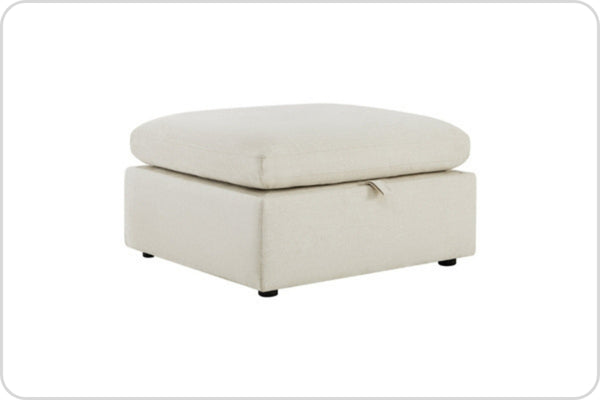
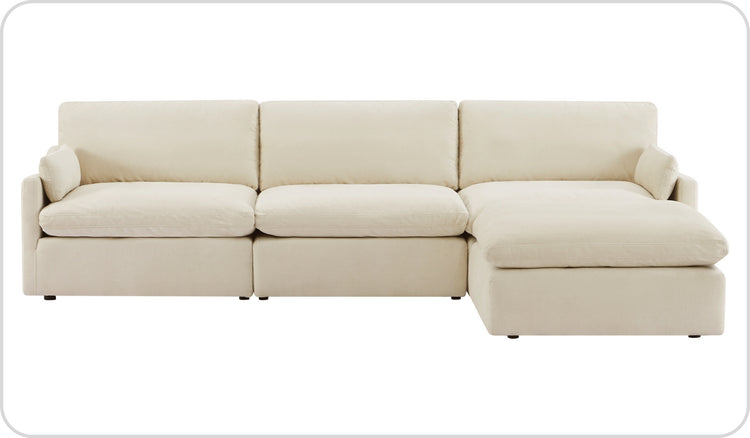
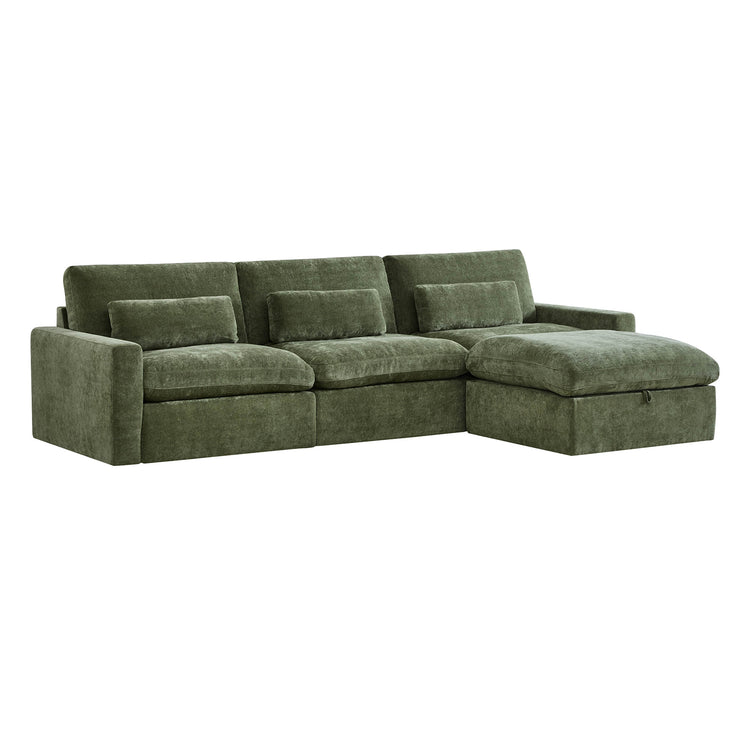
For shoppers comparing layouts rather than a single seat, Modular Sofas is a helpful category path, especially when repairability or reconfiguration is part of the decision. Review the Maisie 4-seat Modular Sofa with Storage Ottoman and Clover Acacia Wood Rope Outdoor Modular Sectional Set only after confirming materials and service details.
What To Verify First In Sustainable Furniture Listings
A simple check order for comparing online furniture listings: start with the clearest transparency cues, then move to durability signals and checkout details.
View chart data
| Category | Check priority |
|---|---|
| Material transparency | 4 |
| Manufacturing transparency | 3 |
| Durability signals | 2 |
| Checkout logistics | 1 |
FAQs
Q1. How Can I Tell If a Furniture Listing Is Greenwashing Me?
Greenwashing usually shows up as vague claims, missing product-level detail, and no clear explanation of materials or manufacturing. If the page says "eco-friendly" but cannot tell you what is actually certified, repaired, or replaceable, the claim is too soft to treat as proof.
Q2. What Certifications Should I Ask About When Buying Sustainable Furniture?
Ask what each certification covers and whether it applies to the exact product or only one material. A badge can be helpful, but it should not be treated as proof of the entire item's sustainability. The best listings explain the scope instead of relying on the logo alone.
Q3. Can a Durable Sofa Also Be the More Sustainable Choice?
Often, yes, if the piece is built to stay in use and can be repaired instead of replaced. Longevity can reduce waste over time, but only when the construction and service details support it. A durable sofa that cannot be maintained is only a partial sustainability win.
Q4. Why Does Repairability Matter More Than Trendy Design?
Repairability matters because replaceable covers, parts, and cushions can extend the useful life of the whole piece. Trendy design may look fresh today, but serviceable construction is what helps a sofa or chair stay relevant after everyday wear starts to show.
Q5. How Should I Compare Two Similar Sustainable Furniture Options Online?
Compare them in this order: material transparency, manufacturing transparency, durability signals, then shipping and return terms. If one listing is clearer on the exact product and repair path, that usually beats a prettier page with weaker details. When the trade-off is close, choose the one with fewer unknowns.
Choose the Listing That Answers More Questions
The best sustainable furniture choice is usually the one that answers the most concrete questions with the least ambiguity. Compare material transparency first, then manufacturing details, durability signals, and finally shipping terms. If a seller can clearly explain materials, production, repairability, and checkout terms, you have a stronger basis for buying online. If it cannot, keep looking. In 2026, clarity is one of the most useful sustainability signals a buyer can find.
Related Resources

Recommended Products


More to Read
 7 Sofa Trends That Actually Improve Comfort in 2026
Upgrade your living room with furniture that supports your body. Here are 7 modern sofa features designed to maximize your daily comfort...
7 Sofa Trends That Actually Improve Comfort in 2026
Upgrade your living room with furniture that supports your body. Here are 7 modern sofa features designed to maximize your daily comfort...
 Mother's Day Gift Guide: Cozy and Stylish Furniture Picks for Modern Moms
Make Mother's Day more meaningful with furniture gifts that bring comfort, smart features, storage, and quiet luxury into her everyday routine.
Mother's Day Gift Guide: Cozy and Stylish Furniture Picks for Modern Moms
Make Mother's Day more meaningful with furniture gifts that bring comfort, smart features, storage, and quiet luxury into her everyday routine.
 Performance Fabric Reality Check: Does It Really Repel Pet Hair and Stains?
Performance fabric is often marketed as a miracle solution for homes with pets and kids, but the reality is more nuanced. It...
Performance Fabric Reality Check: Does It Really Repel Pet Hair and Stains?
Performance fabric is often marketed as a miracle solution for homes with pets and kids, but the reality is more nuanced. It...