






















Families With Kids Layout Ideas with sofas

Families with kids need sofas layout ideas for families with kids that balance comfort, play space, cleanup, and a room that still looks finished. The best setup is usually the one that keeps walkways clear, gives you sightlines to the main activity zone, and does not turn the whole room into a permanent obstacle course.

Start With the Family Flow
For most homes, the first decision is not how many seats you can squeeze in. It is whether the room lets adults move, kids play, and everyone still see what is happening. A living room that works for families feels open enough for daily life, but anchored enough that it does not look temporary.
The most useful check is simple: can you walk through the room without weaving around corners, toy piles, or a coffee table? Nationwide Children's Hospital and HealthyChildren.org both emphasize clear walkways and stable furniture in homes with children, which matters just as much as style. If your layout blocks circulation, it usually feels crowded faster than it looks cozy.
A good family room also preserves sightlines. If you can see the play zone, TV, or conversation area from the main sofa, cleanup and supervision both get easier. That is why 2026 Open-Plan Zoning: A Pillar Guide to Modular Layouts is a useful follow-up if you are trying to divide one room into zones without walls.
Layout Patterns That Work for Kids
L-Shaped Sectionals for Corner Control
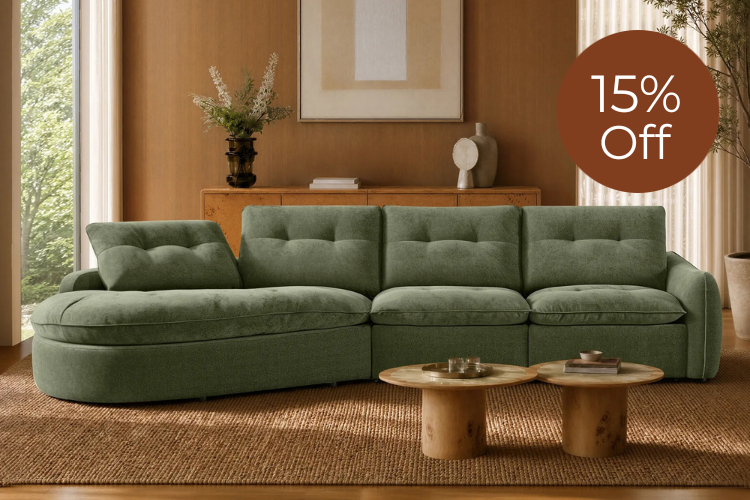
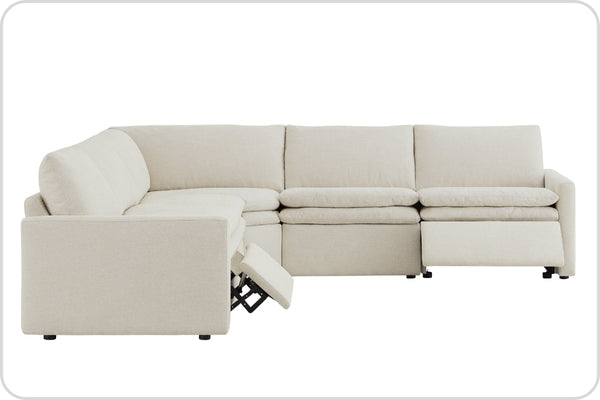
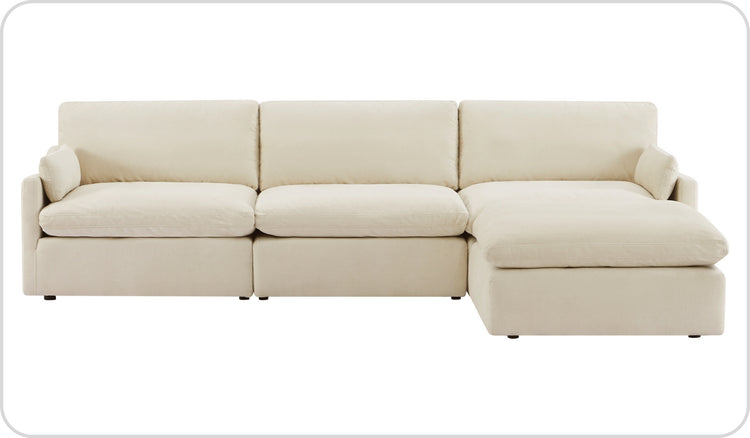
An L-shaped layout is often the easiest starting point when you want the sofa to define one side of the room and leave the other side open. In many family rooms, that corner shape helps keep the main seating area contained without closing off the entire floor.
This works best when the room is narrower or when you want one edge of the sofa to act like a visual boundary. It is a smart choice if kids tend to spread toys across the center of the room and you want a natural stopping point. The trade-off is that a big corner piece can also make the room feel fixed if you expect to rearrange often.
Floating Sofa Layouts for Open Play Space
A floating layout is usually the better call when the room is part play zone, part lounge, and part traffic path. By pulling the sofa away from the wall, you can leave a clear lane behind or beside it, which helps in open-concept homes where people keep crossing the room.
This setup is especially useful if your family uses the space for playdates, homework, or floor play. It gives kids room to move without forcing the entire room to look like a toy room. The boundary is obvious: if the room is too small, floating the sofa can steal the very square footage you were trying to save.
U-Shaped Setups for Bigger Family Gatherings
A U-shaped setup can make sense when the living room is large enough to hold a central activity zone. It creates a more social feel, which is helpful for movie nights, game nights, and weekends when kids, parents, and guests all pile in.
The upside is seating and conversation flow. The downside is circulation, because a U-shape can become awkward if it traps movement in the middle or blocks the easiest path across the room. It is best when you have enough space to keep the center usable, not just decorative.
Double-Seating Zones for Multi-Age Households
If older kids and adults use the room at the same time, two smaller seating zones can work better than one oversized sofa wall. One zone can face the TV or the main media area, while another can support reading, charging devices, or conversation.
This approach gives the room more flexibility as kids grow. It also avoids the common regret of buying a giant sofa that looks impressive but leaves no meaningful floor space. If your household changes from quiet evenings to active group hangouts, separate seating clusters may fit better than one dominant sectional.

Choose Materials That Handle Real Life
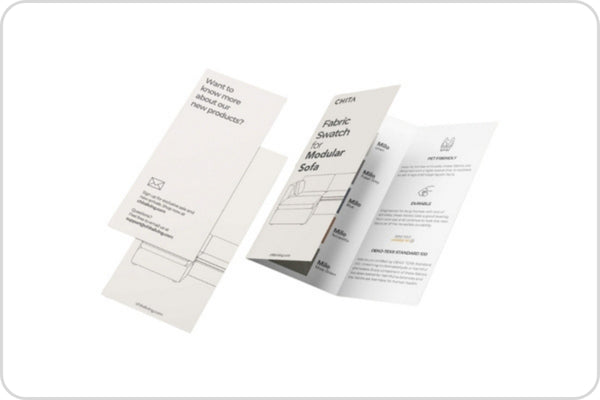
When kids are in the picture, material choice matters as much as layout. Performance fabrics are usually the better starting point because they are designed to tolerate everyday wear better than basic upholstery, especially when spills and sticky hands are part of the routine. For a deeper dive into fabric durability terms, see CHITA's upholstery standards guide.
That does not mean every light-colored sofa is a bad idea. It means the finish should match your cleanup habits. If you are realistic about wiping, blotting, and routine care, a lighter look can still feel polished in a family room. If you want a worry-free surface with no upkeep, that expectation usually breaks down fast.
Removable or reversible cushions can also reduce day-to-day friction, even if they do not make the sofa indestructible. When you are comparing options, Performance Fabric is a useful browsing path, but the real check is whether the care instructions fit your life. A stylish sofa that becomes stressful to maintain is rarely a long-term win.
Build in Storage and Cleanup
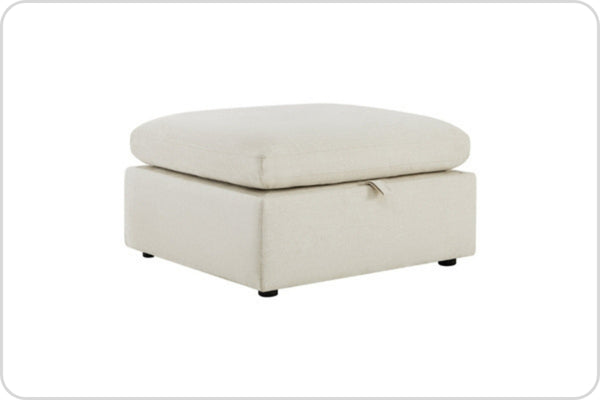
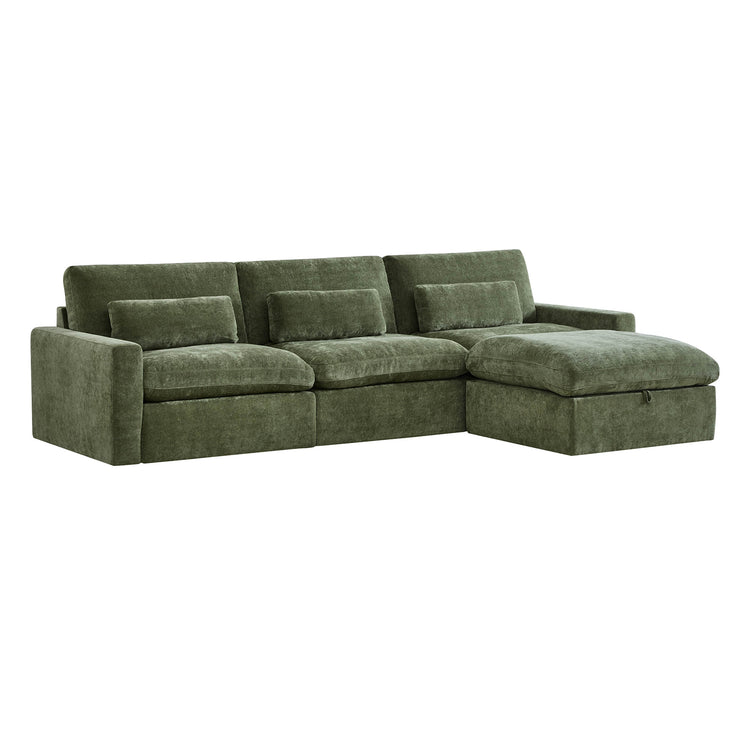
Storage changes how a family room feels by the end of the day. A storage ottoman can hide blankets, board games, or small toys without adding another bulky cabinet, and that matters when the sofa has to do more than one job. For a product example that keeps storage front and center, consider modular options with built-in storage if you want the seating and storage to work together.
The bigger cleanup win is often the floor, not the sofa. Leaving one intentional open patch gives kids a place to play and gives adults a place to reset the room quickly. Setup NYC makes a similar point about clutter control through storage and open floor areas, and the logic is straightforward: fewer items competing for the same square footage means faster daily cleanup.
A tighter modular build can help too. If you are trying to avoid crumb traps and shifting seats, The Zero-Gap Sectional: Solving the 'Crumb-Trap' and Shifting Seat Problem in 2026 explains why tighter seams and anti-shift features matter on hard floors. For families, the practical payoff is less fiddling, less sweeping into hard-to-reach gaps, and fewer little annoyances after dinner.
Storage Ottomans That Hide the Clutter
An ottoman works best when it earns its footprint. If it gives you hidden storage and a place to rest feet, it can replace a second piece of furniture instead of adding to the clutter. That is especially useful in smaller family rooms where every item has to justify itself.
Seat Configurations That Leave a Clear Toy Zone
A good kid-friendly layout usually leaves one visible patch of floor open on purpose. That patch does not need to be large, but it should be easy to reset. If toys keep spreading across the whole room, the sofa is probably too central or the seating blocks your fastest path to cleanup.
Zero-Gap and Tight-Seam Benefits for Crumbs
Families with kids notice crumbs quickly. Sofas with tighter seams and less shifting are easier to sweep around, and that matters more than decorative details when the room gets used every day. It is not a luxury feature; it is a convenience feature that changes how often the room feels messy.
Rugs, Baskets, and Side Tables That Support Fast Reset
The sofa layout should work with the rest of the room, not against it. Baskets collect small toys, rugs help define zones, and side tables give everyone a landing spot for cups or chargers. When those pieces are coordinated, the room resets faster after meals, play, and screen time.
Make the Layout Grow With Your Kids
The most flexible family room setups are the ones that can change when the kids do. A sofa that works for toddler play may need to shift for homework, then shift again for teen movie nights. Modular pieces make that easier because the arrangement can change without buying a whole new sofa every few years.
| Layout Approach | Best For | Flexibility | Cleanup Ease | When To Choose It |
|---|---|---|---|---|
| Compact corner setup | Smaller rooms with one main seating zone | Moderate | Good if the room stays simple | Choose it when you want a clear boundary and fewer loose pieces |
| Floating sofa layout | Open-plan rooms that need a play lane | High | Good if walkways stay open | Choose it when traffic flow and supervision matter most |
| Modular sectional with storage | Families that need seating plus hidden storage | High | Very good for daily reset | Choose it when the room has to switch between play, lounging, and hosting |
| Larger gathering-focused arrangement | Big rooms and frequent family hangouts | Moderate to high | Moderate | Choose it when group seating matters more than open floor area |
If you are comparing shopping paths, Modular Sofas is the broadest place to start, while Kenna Modular Collection, Josie Modular Collection, and Grace Curved Sofa Collection give you specific browsing directions once you know the room needs more flexibility than a fixed sofa can offer. For families, that flexibility is usually the main reason modular seating earns its keep.
Finish With a Safety and Style Check
Before you buy, check the path kids and adults use most often. If the sofa creates sharp corners in a walkway or blocks an exit path, the room is not really working, no matter how good it looks in photos. Also confirm that any rug, gripper, or connector matches your floor type so the seating stays where you put it.
Run a quick walkthrough test: walk the main routes with arms full, then sit and confirm sightlines to play areas remain clear. Add wall anchors for tall pieces and choose grippers suited to your flooring. These small steps keep the layout both safe and practical for daily family use.
The best family sofa layout is the one you can live with every day. It should support play, keep cleanup realistic, and still feel like part of a polished home. If a layout solves only style or only storage, it usually fails once real family life starts.
FAQs
Q1. How Do You Arrange a Sofa in a Family Room With Kids?
Start with circulation and sightlines. Keep the main walkway clear, face the sofa toward the room's main activity area, and leave one open patch for play or quick cleanup. If the room feels cramped, remove one extra table or chair before you add another seat.
Q2. What Sofa Shape Works Best for Small Families With Kids?
A compact sectional or simple corner layout usually works best when the room is tight. It gives you enough seating without splitting the room into too many zones. If the room has open traffic flow, a floating sofa can still work, but only if it does not choke off movement.
Q3. Can a Light-Colored Sofa Work in a House With Children?
Yes, if the fabric and your routine match. A light sofa can work when you choose performance fabric, clean spills quickly, and accept that family furniture needs real upkeep. If you want a zero-maintenance look, a lighter color usually creates more stress than value.
Q4. Why Do Modular Sofas Help Growing Families?
They let the room change as your kids do. You can rework the setup for floor play, movie nights, sleepovers, or homework without replacing the whole sofa. That flexibility is especially useful for families who want one room to handle several jobs.
Q5. How Do You Keep a Family Sofa Layout From Looking Cluttered?
Use one main seating focus, then add hidden storage, baskets, and a defined open floor patch. Clutter usually builds when every surface has a job and every corner collects something. A simpler layout with fewer visual interruptions tends to look calmer, even when kids are using it daily.
Related Resources
Recommended Products

More to Read
 7 Sofa Trends That Actually Improve Comfort in 2026
Upgrade your living room with furniture that supports your body. Here are 7 modern sofa features designed to maximize your daily comfort...
7 Sofa Trends That Actually Improve Comfort in 2026
Upgrade your living room with furniture that supports your body. Here are 7 modern sofa features designed to maximize your daily comfort...
 Mother's Day Gift Guide: Cozy and Stylish Furniture Picks for Modern Moms
Make Mother's Day more meaningful with furniture gifts that bring comfort, smart features, storage, and quiet luxury into her everyday routine.
Mother's Day Gift Guide: Cozy and Stylish Furniture Picks for Modern Moms
Make Mother's Day more meaningful with furniture gifts that bring comfort, smart features, storage, and quiet luxury into her everyday routine.
 Performance Fabric Reality Check: Does It Really Repel Pet Hair and Stains?
Performance fabric is often marketed as a miracle solution for homes with pets and kids, but the reality is more nuanced. It...
Performance Fabric Reality Check: Does It Really Repel Pet Hair and Stains?
Performance fabric is often marketed as a miracle solution for homes with pets and kids, but the reality is more nuanced. It...