

























Are bedroom furniture Worth It for rental bedrooms?

For rental bedrooms, bedroom furniture is worth the higher upfront cost when you expect daily use, more than one move, or guest turnover that will punish weak construction. If the stay is short, the room is lightly used, or you will replace it soon, budget or secondhand pieces usually make more sense.

The Real Cost of Rental Bedroom Furniture
The real question is not whether bedroom furniture looks nice on delivery day. It is whether the piece still feels solid after a year, a move, and a few rounds of cleaning. BIFMA's home-furniture standards focus on strength, stability, and durability, which is a useful lens for rental buyers: decorative details matter less than whether the frame and joints stay usable.
That is why cheap furniture can end up costing more. If a bed frame wobbles, a dresser sags, or a finish chips quickly, the low checkout price gets replaced by replacement costs, delivery hassle, and another round of assembly. Rental bedrooms need furniture that balances moveability, durability, and a clean look that still feels intentional.
A useful decision sentence is this: if a piece will be used every day and moved again, quality is usually worth paying for; if it is temporary or decorative, cheaper is often the better fit. That boundary matters because the value comes from spreading the purchase across actual use, not from paying extra for style alone.
The rental side of the equation is similar. IRS guidance on depreciation for furniture and equipment shows that furniture is generally treated as a long-lived asset in income-producing settings, which reinforces the basic planning idea: buy like you expect the item to have a useful life, not like it is disposable.
When Quality Pays Off
One-Year Lease Apartments
A one-year lease can justify better bedroom furniture when the piece will be used every day and then moved again. That is especially true for the bed frame, dresser, and storage pieces, because they carry the daily load of sleeping, clothing, and clutter control.
This is where the 12–18 month rule of thumb is useful. For stays in that range or longer, the room has enough time to earn back better construction, especially if the piece can move or resell well later. The rule is not a guarantee, but it is a practical starting point for rental planning.
Frequent Moves and Reassembly
Frequent movers benefit from furniture that comes apart cleanly, stacks efficiently, and survives reassembly without loosening. A heavy fixed piece can look impressive in a showroom and still be a headache on a third-floor walkup.
That is why modular or repairable construction often wins for renters who expect change. If you want a deeper look at reuse and transport trade-offs, the repairability index is a useful follow-up, and the 2026 Modular Expansion Playbook is worth a skim if you are thinking in terms of reconfiguration over time.
Vacation Rentals and Guest Turnover
Weekly guest turnover changes the value equation. In a vacation rental, the room has to stay presentable after repeated use, quick cleanups, and occasional rough treatment. That makes finish durability and easy-care surfaces more important than the lowest price.
A good decision sentence here is: if the bedroom needs to look polished after frequent turnovers, better-built furniture is usually the safer buy; if the room is used lightly and updated often, budget pieces can be fine. The goal is not perfection. It is keeping the room guest-ready without replacing furniture every season.
Storage-Heavy Small Bedrooms
Small bedrooms often get the most value from furniture with built-in storage because it reduces the number of separate pieces you need to buy and move. In a compact apartment, one smarter bed or dresser can do more work than several cheap accessories.
That is the practical reason storage beds, dressers, and compact nightstands tend to justify a higher spend. They improve the room's function, not just its appearance, which matters more when square footage is tight.

What Matters in a Bedroom Piece
Frame Strength and Joinery
If a bedroom piece has to survive moves, frame strength matters more than surface decoration. A solid or well-engineered frame is less likely to loosen, sway, or fail when it is lifted, shifted, and reassembled.
BIFMA's standards language around stability and structural performance is helpful here even though the standard is not a bedroom-only rulebook. The practical takeaway is simple: check whether the frame, support rails, and connectors look built for repeated use, not just for one easy delivery.
Finish, Fabric, and Wear Resistance
In rentals, finishes do a lot of quiet work. A stain-resistant upholstery, a durable wood finish, or an easy-care surface can save time when the room needs quick cleaning between tenants or before a move.
That does not mean every premium finish is worth the premium price. It means the finish should match the room's use. If you expect spills, pets, or frequent cleaning, durability matters more. If the room is rarely touched, appearance may matter more than wear resistance.
Storage, Weight, and Disassembly
Weight is not just a shipping issue. Heavy, one-piece furniture can be hard to get through hallways, stairs, elevators, and door frames. If you move often, you feel that friction every time, not just at checkout.
A helpful self-check is to ask whether the item can be moved in manageable parts and reassembled without special tools or guesswork. If the answer is no, the piece may still be worth it in a permanent home, but it is a weaker fit for a rental that you expect to leave.
Comfort Over a Full Lease
Bedroom furniture gets daily use, so comfort matters more than it does in a purely decorative room. A bed frame that supports the mattress properly, or a dresser that opens smoothly, affects your routine every day.
That is why renter value is not just about resale. It is also about how much annoyance the piece removes from the lease. The best pieces are the ones you stop thinking about because they work.
Budget Furniture Versus Better-Built Pieces
| Factor | Budget Furniture | Better-Built Pieces | Best Fit |
|---|---|---|---|
| Upfront Price | Lower | Higher | Short stays or tight budgets vs. multi-lease use |
| Expected Longevity | Often shorter | Usually longer | One lease vs. multiple leases |
| Moveability | Often mixed | Often better when modular | Frequent movers |
| Maintenance | More likely to show wear | Easier to keep presentable | Guest turnover and daily use |
| Storage Usefulness | Varies | Often stronger in functional pieces | Small bedrooms |
| Appearance Retention | Can fade faster | Tends to hold up better | Rental listings and visible rooms |
| Best Fit Renter Type | Short-term, low-risk, low-use | Long-term, frequent mover, host | Decide by lease length and use |
The value gap is not just price. It is replacement risk. A cheaper piece that needs to be replaced after one move can end up more expensive than a sturdier piece that survives multiple leases.
That said, better-built does not automatically mean better for every renter. If the room is temporary, lightly used, or likely to be re-furnished soon, premium pricing is often wasted; if the piece will anchor daily life for years, the higher cost can be justified.
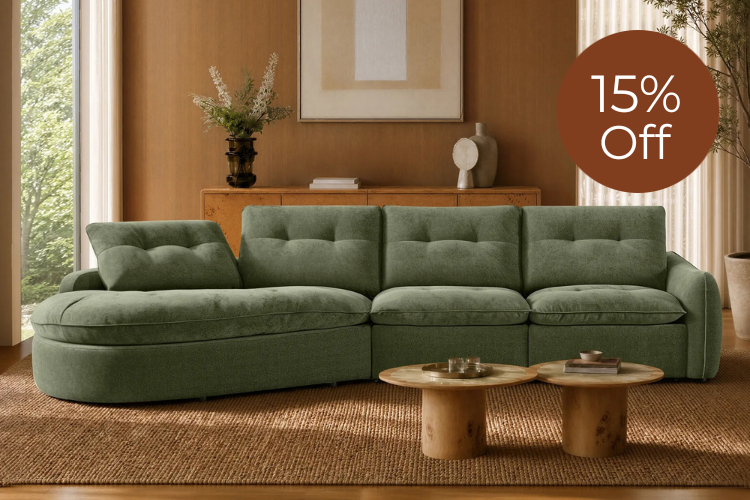
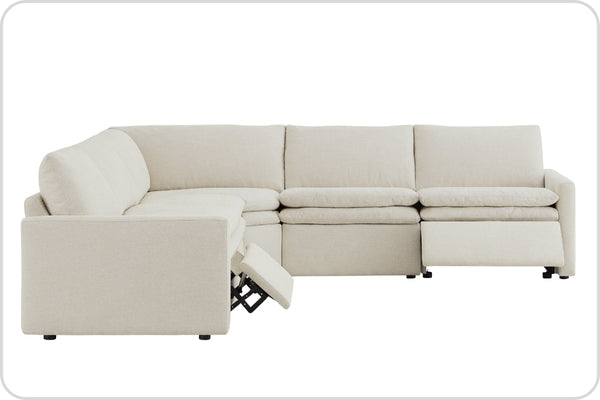
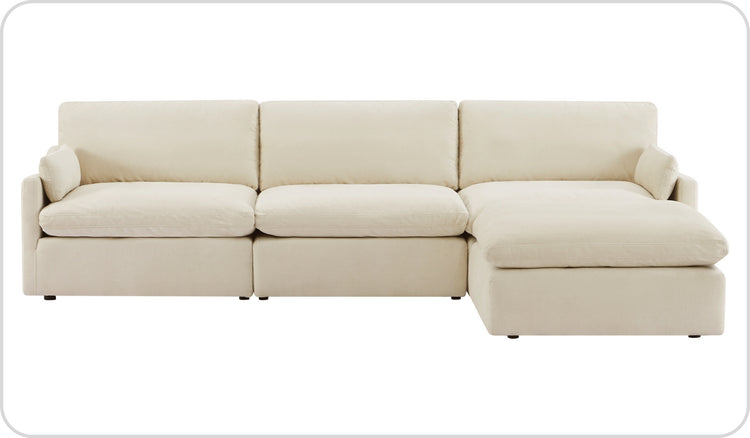
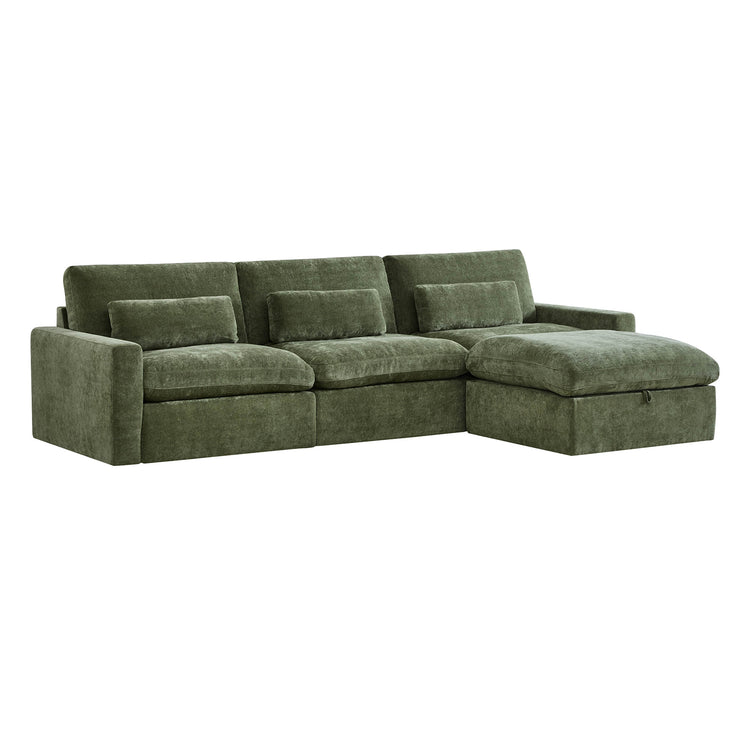
For renters comparing broader categories, internal browsing can help you think in reusable systems rather than one-off buys. The Modular Sectional Sofas collection is a good example of category-level browsing, and Best Selling Sofas can be useful if you want to compare how style, durability, and price sit together.
Best Bedroom Pieces for Renters
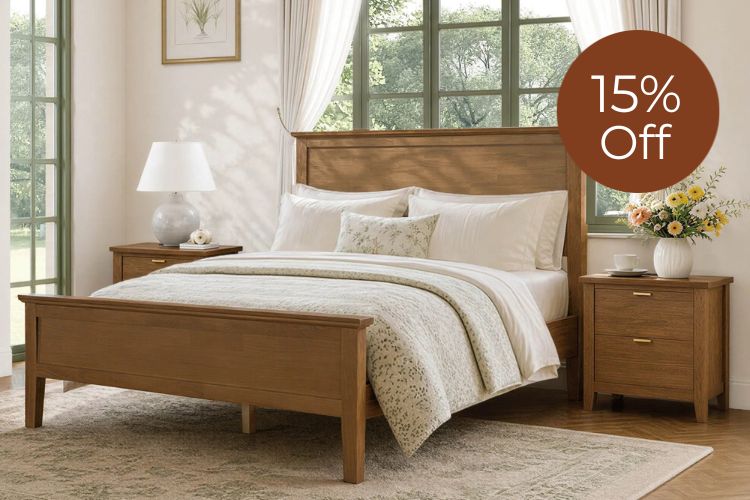
A sturdy bed frame or platform bed is often the first place to spend more. It anchors the room, gets daily use, and usually has to survive a move if you are not staying put forever.
A dresser or storage bed is often the next best upgrade when closet space is limited. In small apartments, storage can matter more than decor because it reduces clutter and the need for extra furniture.
A compact nightstand with real storage is worth paying up for if it keeps the room functional. A mirror, bench, or accent chair only deserves a higher budget if it solves a real space or comfort problem.
If you are looking at a bed with hidden storage, the Ezra Mid-Century Boucle Platform Bed is a sensible place to start browsing. Treat it as a check-before-buying option for renters who specifically need storage and a cleaner room layout, not as a universal answer for every bedroom.
For readers who are thinking about broader modular reuse, the 2026 Repairability Manifesto article is a useful background read on why repairable construction can matter over time.
A Simple Buy or Pass Rule
- Buy better bedroom furniture if the piece will be used every day and likely kept through more than one move.
- Buy better if the room needs storage, comfort, or a polished look that cheap pieces tend to lose quickly.
- Pass on premium pricing if the item is decorative, highly temporary, or likely to be replaced soon after moving.
- Choose modular or repairable construction when you expect apartment changes, shared housing, or frequent transport.
- Consider resale value and ease of reuse before paying for features that do not improve daily use.
For a quick rule of thumb, start here: if the furniture has to survive more than one lease or support daily use in a visible room, pay more; if not, keep it simple and save the cash. That is the cleanest way to avoid overbuying while still protecting comfort where it matters.
Decision Scenarios
| Scenario | Recommendation |
|---|---|
| Short stay | Lower spend fits better |
| Around 1 year | Either can work |
| 12–18 months | Higher spend can be worth it |
| Longer-term use | Higher spend can be worth it |
| Frequent moving | Lower spend fits better |
| Vacation rental | Higher spend can be worth it |
What to Do Before You Buy
If you are furnishing a rental bedroom now, check three things first: how long you expect to keep the piece, how often it will move, and whether it solves storage or comfort problems you will actually feel. Cross-check doorway width and stair clearance before ordering, test drawer and door operation in person when possible, and confirm that any modular sections can be carried by two people. If the answer points to long use, repeated moves, or turnover traffic, bedroom furniture is usually worth paying up for. If not, buy lighter and simpler.
Related Resources
- Why a Modular Sofa is the Smartest Investment for Renters in 2026
- How to Choose a Bed Frame That Won't Shake or Wobble
- Decoding Upholstery Standards: The 2026 Guide to Performance Fabric Durability
FAQs
Q1. When does bedroom furniture justify a higher price in a rental?
Q2. Are modular pieces better for frequent movers?
Q3. What should I check before buying a bed frame for an apartment?
Q4. How long should a rental piece last to break even on quality?
Q5. Can budget furniture work in a guest bedroom?
Recommended Products



More to Read
 7 Sofa Trends That Actually Improve Comfort in 2026
Upgrade your living room with furniture that supports your body. Here are 7 modern sofa features designed to maximize your daily comfort...
7 Sofa Trends That Actually Improve Comfort in 2026
Upgrade your living room with furniture that supports your body. Here are 7 modern sofa features designed to maximize your daily comfort...
 Mother's Day Gift Guide: Cozy and Stylish Furniture Picks for Modern Moms
Make Mother's Day more meaningful with furniture gifts that bring comfort, smart features, storage, and quiet luxury into her everyday routine.
Mother's Day Gift Guide: Cozy and Stylish Furniture Picks for Modern Moms
Make Mother's Day more meaningful with furniture gifts that bring comfort, smart features, storage, and quiet luxury into her everyday routine.
 Performance Fabric Reality Check: Does It Really Repel Pet Hair and Stains?
Performance fabric is often marketed as a miracle solution for homes with pets and kids, but the reality is more nuanced. It...
Performance Fabric Reality Check: Does It Really Repel Pet Hair and Stains?
Performance fabric is often marketed as a miracle solution for homes with pets and kids, but the reality is more nuanced. It...