























2026 Modular Furniture Trends for Hybrid Living Spaces

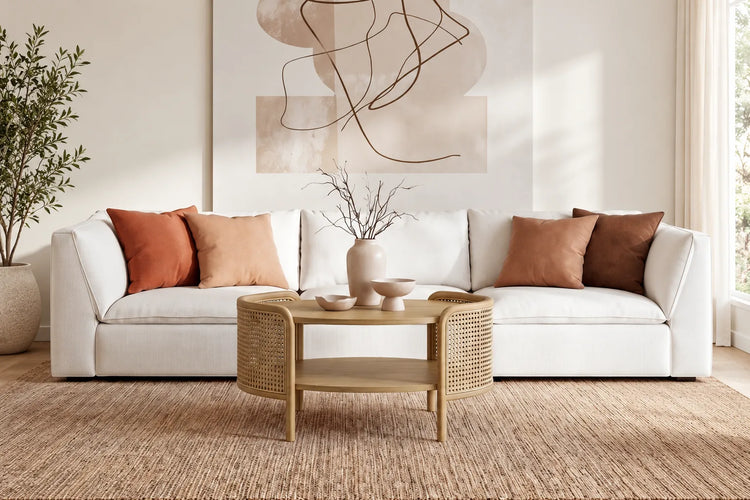
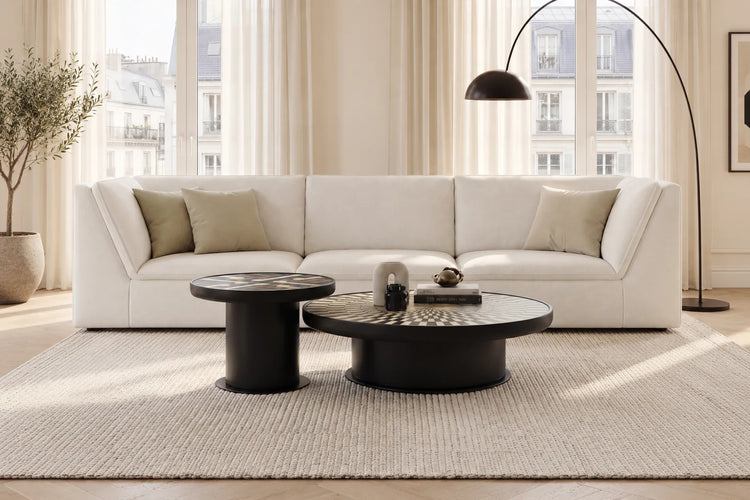
2026 modular furniture trends are about one thing: making a living room work harder without looking busier. For hybrid homes, the best modular furniture is flexible enough to switch between work, family, and entertaining, but calm enough to feel intentional in every mode.

Why Hybrid Homes Need Modular Furniture
The biggest shift in 2026 is practical, not decorative. Many US homes now need seating that can support a laptop session in the afternoon and a family movie at night without a full room reset. That is why modular furniture keeps showing up in design conversations: it fits changing routines better than a fixed layout.
The 2026 design outlook from ASID points toward adaptive, modular interiors that support hybrid work and multi-use rooms. In plain terms, that means buyers are prioritizing furniture that can change shape with the day instead of locking the room into one use. Modular sectionals support daily reconfiguration without full replacement.
A good modular sofa for hybrid living does not just add seats. It lowers friction. If your room has to serve as a workspace, lounge, and entertaining area, the furniture should make those shifts easier rather than forcing you to move half the room every time.
One useful rule: if your seating only works well in one daily mode, it is probably not the right modular system for a hybrid room.
The 2026 Design Shift to Fluid Layouts
The design language this year is moving toward fluid layouts, cleaner silhouettes, and hidden utility. That does not mean every modular piece needs to look minimalist. It means the best systems are less visually heavy and easier to reconfigure when your room's purpose changes.

In many setups, the most valuable upgrades are the ones you barely notice at first: built-in power, discreet storage, and pieces that do not require extra side tables to stay functional. Those features matter most when the room has to handle charging, reading, media, and casual work in the same footprint.
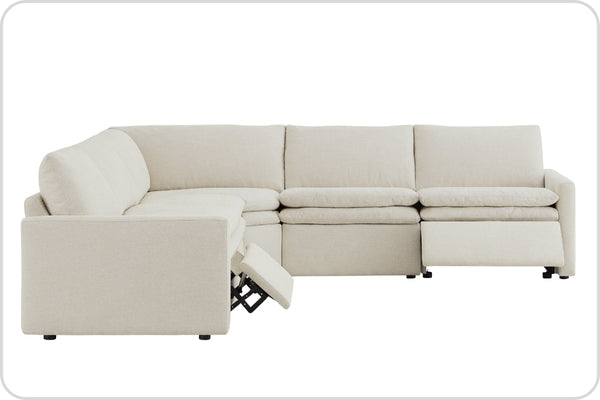
Low-profile forms also help keep open-plan rooms from feeling chopped up. A modular sectional with simpler lines usually reads as one organized shape instead of a cluster of unrelated pieces. That matters most in apartments and shared living spaces, where visual clutter can make the room feel smaller than it is.
For shoppers comparing feature sets, the right question is not whether a sofa has more features. It is whether each feature reduces daily friction.
The 2026 Guide to Modular Power Reclining Sectionals: Flexibility Meets Engineered Comfort is a useful next stop if you are weighing power features against layout flexibility.
Reconfigurable Sectionals for Daily Mode Switching
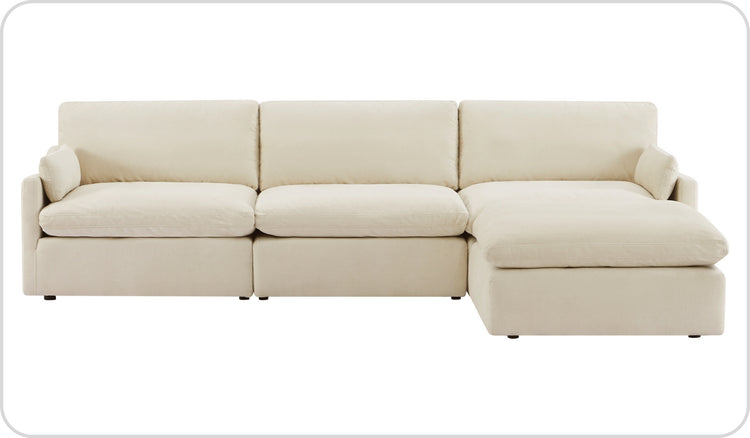
Reconfigurable sectionals are the clearest example of the 2026 modular furniture trends. They make sense when the same room has to support different social sizes across the week. If a Saturday gathering and a weekday work session both happen in the same room, movable modules give you more control over the floor plan.
The trade-off is that more flexibility can also mean more setup effort. If the room changes constantly, choose a system that is simple to move and easy to reconnect. If it takes too long to rebuild, you may stop using the flexibility you paid for.
Integrated Power for Work, Media, and Charging
Integrated power is useful when a living room doubles as a work zone or media zone. It reduces the need for extension cords and makes the room feel more self-contained. That said, power features are only worth paying for if your seating actually stays near a wall, outlet, or charging routine long enough to use them.
If the room layout changes often and your outlets are already convenient, power features may be a nice extra rather than a deciding factor. In that case, storage or modular fit may matter more.
Storage-Ready Pieces That Reduce Visual Clutter
Storage has become one of the most practical parts of the hybrid-living conversation. In real homes, blankets, remotes, chargers, toys, and work gear tend to pile up where people sit. Built-in storage helps modular furniture do two jobs at once: provide seating and contain the mess that comes with shared spaces.
That benefit matters most in open-plan rooms because visual clutter travels farther there. If you can hide the everyday items that usually sit on side tables or the floor, the whole room feels more settled.
Low-Profile Forms That Keep Rooms Feeling Open
A lower visual profile is not just a style preference. It can make a room easier to live in. In apartments, smaller family rooms, and open layouts, bulky arms or overly deep silhouettes can dominate the room and make circulation awkward.
The open-plan zoning guide is helpful if you are trying to split one room into distinct uses without blocking sightlines.
What Makes a Modular Sofa Work Long Term
Long-term value comes from how the sofa behaves after repeated use, not just how it looks on delivery day. For hybrid homes, the pressure points are structure, connectors, cushion recovery, and cleaning practicality. Those are the parts most likely to affect whether the sofa still feels worth keeping after the novelty wears off.
| Criterion | Why It Matters In Hybrid Living | What To Look For | Common Trade-Off | Risk If Ignored |
|---|---|---|---|---|
| Frame stability | A hybrid room gets used more often | Solid, well-braced construction | Heavier pieces can be harder to move | Sagging or wobble over time |
| Connector reliability | Reconfiguration exposes weak points | Secure connectors that feel consistent | More secure systems may take longer to reset | Shifting sections and loose seams |
| Cushion recovery | Daily use shows flattening fast | Cushions that bounce back after sitting | Softer comfort can lose shape sooner | A sofa that looks tired early |
| Cleaning practicality | Family and work traffic create mess | Easy-clean or performance fabric options | Some performance fabrics feel less plush | More visible wear and stains |
| Configuration flexibility | The room may need to change shape | Modules that can be rearranged without fuss | More choices can mean more decision fatigue | Buying a system that is too rigid |
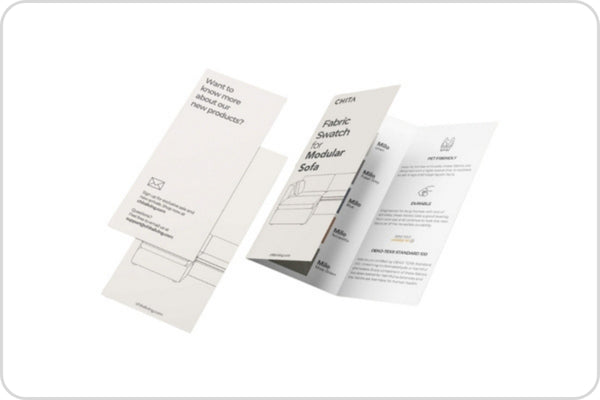
If you want a deeper look at fabric choices, Performance Fabric is a useful browsing path, especially if your household includes kids, pets, or frequent spill risk. For durability language and fabric-readiness, this also pairs well with the 2026 upholstery standards guide.
The key boundary is simple: a modular sofa can look premium and still wear badly if the build underneath is weak. If you reconfigure often, connector quality becomes more important than a pretty silhouette.
Layouts That Fit Real Homes
The best layout is the one that supports the room's most common mode first. A modular system should solve your everyday life, not just your best-staged version of it.
Open-Plan Living Rooms With Shared Zoning
Open-plan rooms work best when modular furniture creates soft borders instead of hard walls. A sectional can define the living area while still letting the room breathe. That is useful when you want the space to feel social but not scattered.
The main check here is circulation. If people have to squeeze around the sofa to move through the room, the layout is working against you.
Small Apartments That Need Multiple Functions
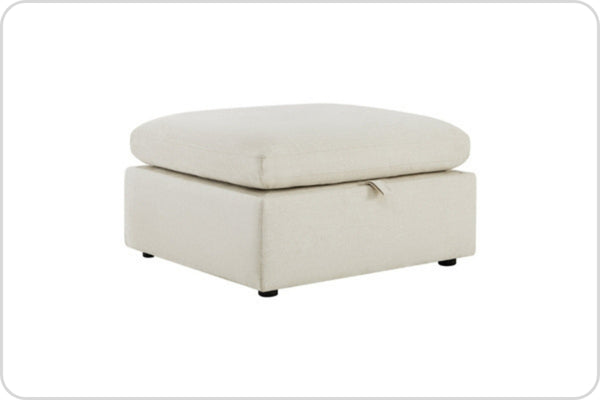
In smaller homes, modular furniture only works if it protects floor space. Compact modules, movable ottomans, and restrained proportions usually make more sense than oversized pieces that dominate the room.
This is where modular furniture can break down. If the sofa is so large that you never move it, you are paying for flexibility you do not actually use.
Family Rooms That Convert for Guests
In family rooms, the value of modular seating is often in conversion. You may want a movie setup most nights, then a guest-friendly layout once in a while. Modular pieces make that switch less awkward, especially when ottomans or armless sections can be repositioned.
A useful check is whether the room still works when one module is removed. If the layout collapses without perfect symmetry, it may be too dependent on one arrangement.
L-Shapes, Pits, and Conversation Clusters
These layouts are best when the room needs conversation first, not just TV viewing. L-shapes and pit-style setups can support a more social feel, but they only work if the modules fit the room without crowding the edges.
For buyers comparing shapes, the sectional vs. modular sofa guide is a useful reference point. It helps clarify when a fixed sectional is enough and when a truly reconfigurable system earns its keep.
Final Checks Before You Buy
Before you buy, measure the room's walkway paths, doorway clearances, and the main seating footprint. If the set barely fits on paper, it will feel even tighter in daily use.
- Check how the modules connect and whether they feel secure when moved.
- Confirm the sofa still sits stably on your flooring.
- Make sure storage or power features solve a real household problem, not just a styling brief.
- Choose fabrics that match your cleaning habits, not your ideal habits.
- Think about whether the layout should still make sense if your job, family size, or room use changes in a few years.
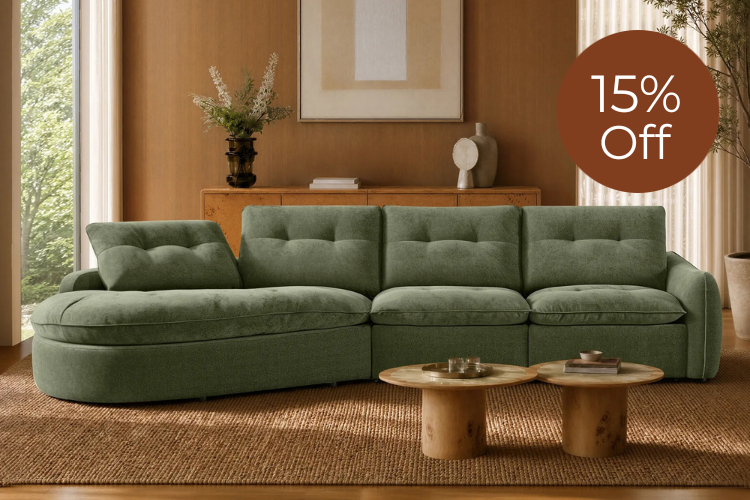
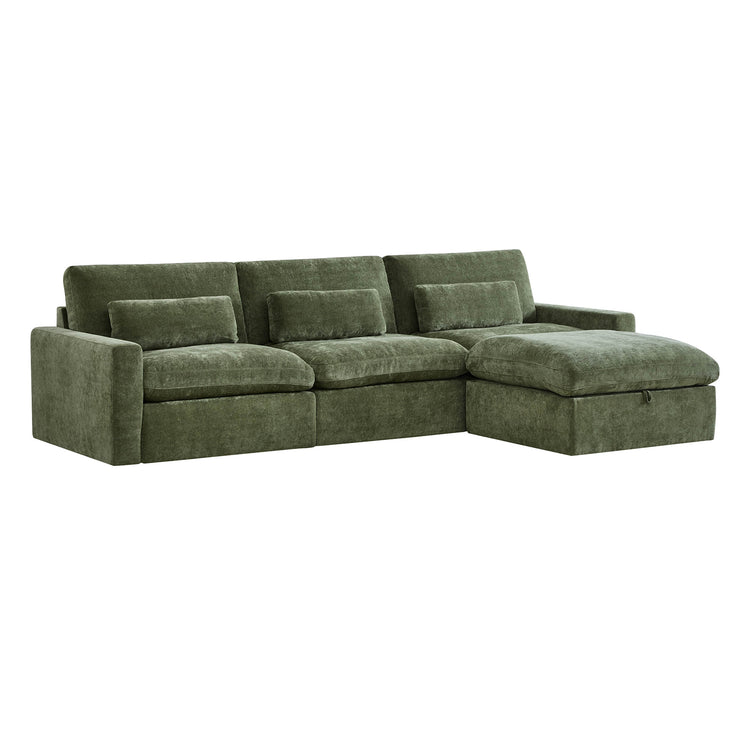
If you want to browse specific modular paths, the Kenna Modular Collection is a clean starting point, and the Ivy 5-Seat Performance Fabric Modular Sectional Sofa with Storage Ottoman is a practical example of the storage-first direction many buyers are considering.
One good decision sentence to keep in mind: if your room changes frequently, choose a modular system that is easy to reconnect; if your room changes rarely, prioritize comfort, scale, and fabric performance instead.
What These Trends Mean for Your Next Purchase
The 2026 modular furniture trends are not really about collecting more features. It is about choosing seating that fits the way hybrid homes actually work. If your room needs to flex between work, family, and entertaining, modular furniture can be a smart investment. If your layout never changes, a simpler fixed setup may be the better fit.
FAQs
Q1. How Do You Choose the Right Modular Sofa for Hybrid Living?
Start with the room's most common daily use, then check whether the sofa can still adapt for the second and third uses. The right choice balances size, connector quality, cleanup, and reconfiguration ease over the long term, not just how it looks on delivery day.
Q2. What Features Matter Most in 2026 Modular Furniture?
The most useful features are flexible modules, stable connectors, storage, and fabrics that hold up to real household traffic. Power can be valuable too, but only if your layout gives you a practical place to use it.
Q3. Can a Modular Sectional Work in a Small Apartment?
Yes, if the layout preserves circulation and the modules are scaled to the room. In tight spaces, oversized pieces can erase the benefit of modularity, so measure doorway paths and walking routes before you buy.
Q4. Why Do Some Modular Sofas Shift or Feel Loose?
That usually comes down to weak connectors, repeated reconfiguration, or a layout that does not suit the floor surface. If the sofa is moved often, connector quality matters more than most shoppers expect.
Q5. Can Modular Furniture Still Look High-End and Minimal?
Yes. Low-profile shapes, balanced proportions, and restrained fabrics can keep modular seating looking polished. The trick is choosing a system that feels intentional in the room, not one that looks like a pile of interchangeable parts.
Related Resources
- The 2026 Move-In Guide: Adapting Modular Sofas for Apartment-to-House Transitions
- The 2026 Spec-First Sofa: Why Feature Density is the New Luxury
- The 2026 Modular Living Manifesto: How to Design a 'Forever Home' with Reconfigurable Seating
- Comparisons Between Sectional and Modular Sofas: Key Considerations for Buyers
Recommended Products

More to Read
 7 Sofa Trends That Actually Improve Comfort in 2026
Upgrade your living room with furniture that supports your body. Here are 7 modern sofa features designed to maximize your daily comfort...
7 Sofa Trends That Actually Improve Comfort in 2026
Upgrade your living room with furniture that supports your body. Here are 7 modern sofa features designed to maximize your daily comfort...
 Mother's Day Gift Guide: Cozy and Stylish Furniture Picks for Modern Moms
Make Mother's Day more meaningful with furniture gifts that bring comfort, smart features, storage, and quiet luxury into her everyday routine.
Mother's Day Gift Guide: Cozy and Stylish Furniture Picks for Modern Moms
Make Mother's Day more meaningful with furniture gifts that bring comfort, smart features, storage, and quiet luxury into her everyday routine.
 Performance Fabric Reality Check: Does It Really Repel Pet Hair and Stains?
Performance fabric is often marketed as a miracle solution for homes with pets and kids, but the reality is more nuanced. It...
Performance Fabric Reality Check: Does It Really Repel Pet Hair and Stains?
Performance fabric is often marketed as a miracle solution for homes with pets and kids, but the reality is more nuanced. It...