






















Sensory-Friendly Seating: 2026 Guide to Power Recliners for Neurodivergent Comfort

In 2026, sensory-friendly seating has become a cornerstone of the wellness home, offering neurodivergent adults practical tools for regulation and decompression rather than one-size-fits-all medical solutions. High-spec power recliners with whisper-quiet motors, zero-gravity positioning, and thoughtful adjustability can reduce sensory triggers while supporting daily rest, focus, and nervous system downshifts—provided you match the chair to your specific sensitivity profile.

What Is Sensory-Friendly Seating in 2026?
Sensory-friendly seating goes beyond basic comfort to prioritize features that minimize overload and support personal regulation in everyday home environments. For many neurodivergent adults, this means choosing furniture that reduces auditory, tactile, and visual triggers while providing reliable proprioceptive input—the body's sense of position and movement that helps with grounding and calm.
The PAS 6463:2022 standard for neuro-inclusive design emphasizes reducing sensory overload through acoustic control, restorative spaces, and predictable environments. In today's wellness-focused homes, this translates to power recliners engineered for smooth, quiet motion and adjustable support rather than generic lounge chairs.
This approach aligns with the broader shift toward engineered comfort. As explored in The Rise of the Wellness Recliner: Why Zero Gravity Is a Smart Living Room Upgrade, zero-gravity positioning elevates the legs above the heart to minimize gravitational strain, which can support nervous system regulation for those seeking decompression after demanding days.
Choosing Between Swivel Gliders and Wall-Hugger Recliners
Your primary regulation style—whether you seek rhythmic vestibular input (movement) or crave predictable proprioceptive stability—should guide the recliner architecture you select. Sensory seekers often benefit from gentle motion that provides vestibular stimulation without overwhelming the system, while sensory avoiders typically prefer stable, quiet designs that eliminate unexpected shifts or noise.
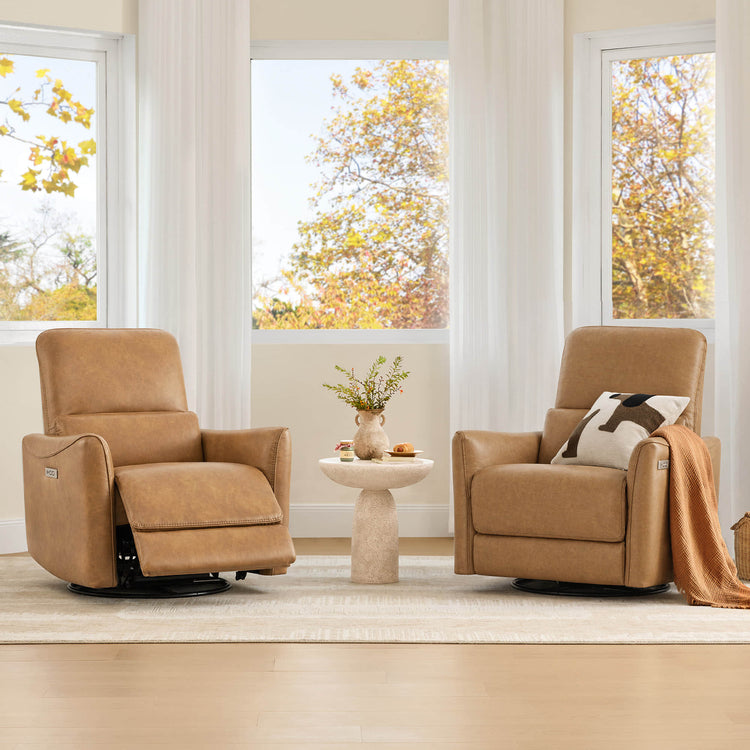
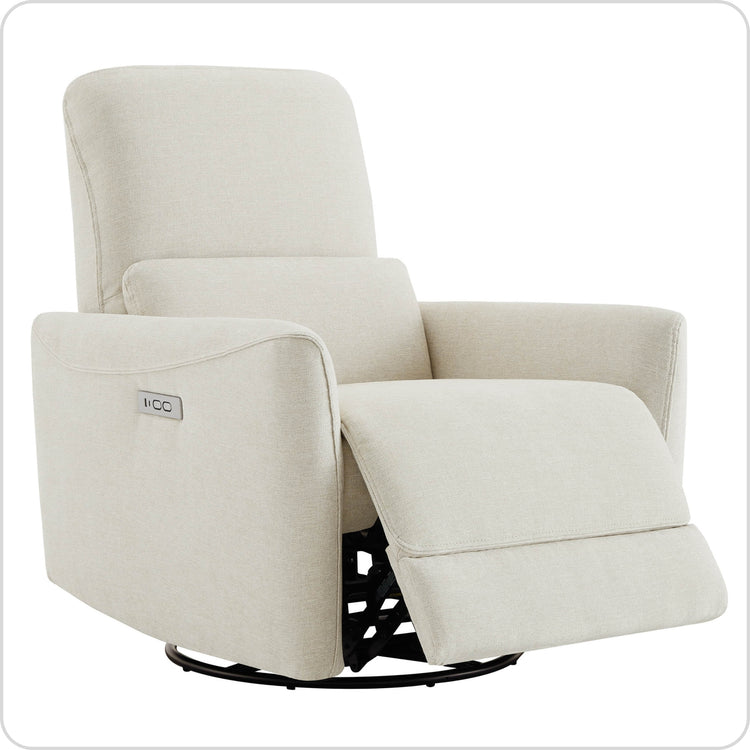
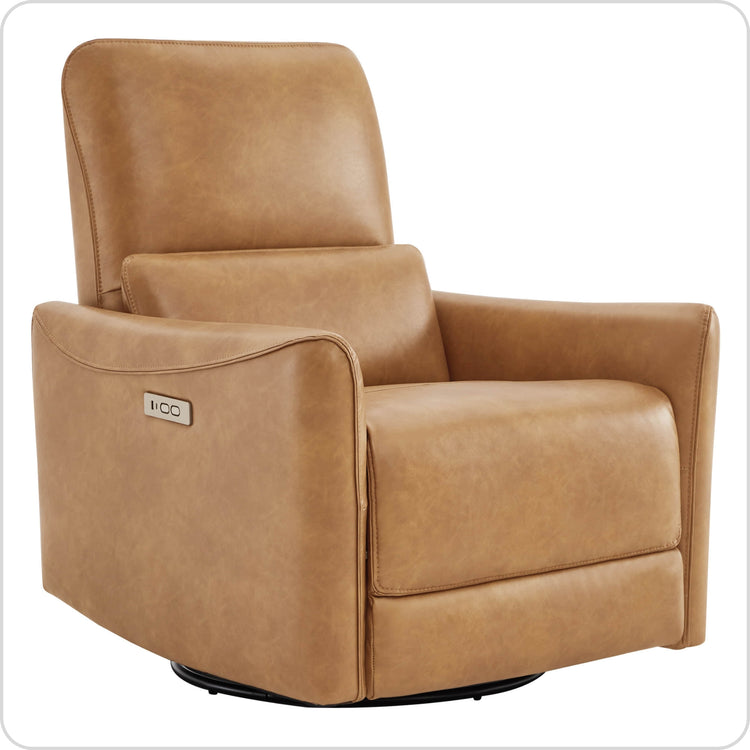
Swivel glider power recliners deliver smooth, rhythmic movement that can help with restlessness or the need for subtle motion input. Models like the Vinca Modern Power Swivel Glider Recliner with Power Lumbar & Headrest offer infinite micro-adjustments via power controls, reducing the cognitive load of manual operation and allowing precise positioning that feels agency-driven rather than imposed.
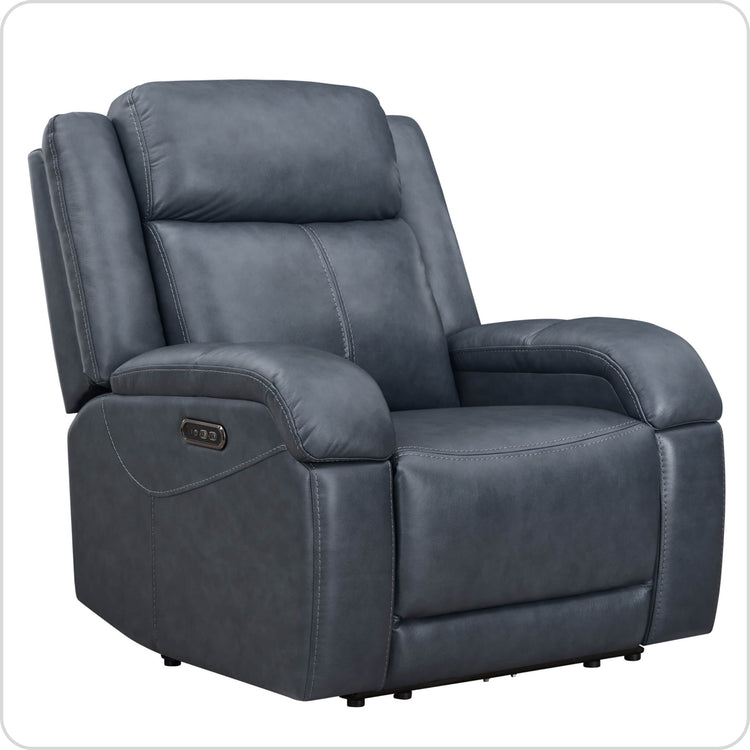
In contrast, wall-hugger designs stay close to the wall even when fully reclined, making them ideal for small decompression corners or shared spaces where predictability matters most. The Isaac Genuine Leather Wall Hugger Power Recliner with Power Headrest and the Keni Wall Hugger Power Recliner with Power Headrest exemplify this category, delivering stable support without requiring extra floor clearance.
For fluctuating needs—common in many neurodivergent profiles—a versatile zero-gravity option like the Leif Super Zero Gravity Power Leather Recliner can toggle between active support and deep rest. The key decision point is whether unpredictable motion would create more friction than it resolves; if so, prioritize wall-hugger stability over glider movement.
Translating Recliner Features into Real Sensory Benefits
Specific power features deliver tangible sensory support when matched to individual needs. Zero-gravity positioning, for instance, elevates the legs above the heart to minimize gravitational strain, which research indicates can activate the parasympathetic nervous system and lower cortisol levels in many users seeking deep decompression.
Independent lumbar support provides consistent deep pressure that many neurodivergent adults describe as grounding. According to practical guidance on sensory tools, consistent deep pressure input from seating can be regulatory and calming for those who seek proprioceptive regulation.
Power headrests, as found on the Stella Lay-Flat Power Recliner with Power Headrest, allow precise neck and head positioning that reduces micro-strain and visual fatigue throughout the day. These adjustments matter because even small misalignments can compound sensory load over hours of use.
The insight here is that features work best as part of a personalized sensory diet: a seeker might use powered motion for active regulation, while an avoider benefits more from the quiet predictability of stable recline.
Sensory Profile vs. Recliner Feature Fit
Use this matrix as a decision aid: it highlights which chair architectures are usually the better fit for sensory seekers, sensory avoiders, and fluctuating profiles under typical home-use setups.
View chart data
| Scenario | Swivel Glider | Wall-Hugger | Zero-Gravity | Quiet Motors | Adjustable Lumbar/Headrest |
|---|---|---|---|---|---|
| Sensory Seeker | 3.0 | 2.0 | 3.0 | 2.0 | 3.0 |
| Sensory Avoider | 2.0 | 3.0 | 3.0 | 3.0 | 3.0 |
| Fluctuating | 3.0 | 3.0 | 3.0 | 3.0 | 3.0 |
The Acoustic Advantage: Why Whisper-Quiet Motors Matter
Motor noise often serves as a gating factor for sensory-sensitive users. Even excellent ergonomic support loses value if the recline mechanism produces a sudden clunk or persistent hum that triggers startle responses or increases cognitive load.
Sensory-friendly design therefore prioritizes acoustic control. Quiet motors and sound-absorbing elements help create zones of calm by muting unpredictable auditory triggers that many neurodivergent adults find draining. Power mechanisms generally outperform manual levers here because they deliver smooth, controlled transitions instead of abrupt mechanical effort.
Look for recliners marketed with low-decibel or “whisper-quiet” operation—though individual sensitivity thresholds vary, so testing in person remains the most reliable check. Textiles that dampen sound further enhance the low-sensory retreat, making the entire chair feel like a decompression tool rather than another household appliance.
Tactile Comfort: Performance Fabrics and Sensory Sensitivity
Fabric texture directly influences daily cognitive load for those with tactile sensitivities. Overstimulating materials—whether too rough, sticky, or prone to static—can trigger overload, while smooth, breathable options often feel regulating.
In 2026, performance fabrics strike a practical balance between tactile comfort and real-life maintenance. Compare bouclé, velvet, and top-grain leather: bouclé offers a soft, textured feel many find calming yet requires prompt attention to spills, while leather provides easy cleaning but can feel cooler or less forgiving on pressure points. Our guide to Performance Fabric vs Leather: Which Recliner Material is Right for You? explores these trade-offs in depth.
Maintenance itself supports sensory well-being by reducing executive-function demands. Stain-resistant, easy-clean surfaces (often labeled “Code W” for water-based cleaning) prevent small accidents from becoming persistent sensory irritants. When evaluating options, also consider PFAS-free claims where available, though many performance fabrics still use treatments—verify current specifications for your sensitivity profile.
Pet owners may find additional value in Is Performance Bouclé Cat-Proof? A 2026 Durability Test for Pet Parents, which examines how these materials hold up under real household conditions.
Designing Your Decompression Zone: Fit and Placement
Successful integration depends on treating the recliner as a dedicated sensory anchor rather than just another seat. Wall-hugger models like the Keni excel in compact bedrooms or reading nooks because they preserve floor space while delivering full recline, helping create a predictable corner that signals “rest mode” to the brain.
Placement near an outlet is essential for reliable power function, and thoughtful lighting—avoiding harsh overheads in favor of softer, dimmable sources—further lowers visual input. As detailed in Maximizing Comfort in Minimal Square Footage: The 2026 Guide to Wall-Hugger Recliners and Creating a Private Retreat: How to Choose the Perfect Accent Recliner for Your Bedroom, the goal is a low-stimulation zone that supports transition between tasks without drawing attention or requiring constant readjustment.

Matching Your Sensitivity Profile to the Right Power Recliner
The most effective choice comes from aligning the chair’s dominant features with your primary regulation needs—movement for vestibular seekers, pressure and stability for proprioceptive avoiders, or versatile decompression for fluctuating profiles.
- If movement and rhythmic input help you reset, consider a power swivel glider such as the Vinca. Its smooth glide combined with power lumbar and headrest offers controlled vestibular support without jarring transitions.
- If predictability and silence are non-negotiable, opt for a wall-hugger like the Isaac or Keni. These deliver stable, quiet operation and power headrests that minimize micro-adjustment effort.
- If deep pressure relief and nervous-system downshift matter most, the Leif Super Zero Gravity Power Leather Recliner or Stella Lay-Flat model provide independent controls and zero-gravity positioning that many users find deeply regulating.
Remember that no single recliner meets every neurodivergent need. Test motion noise in person when possible, verify fabric texture against your sensitivities, and start with the feature that addresses your most frequent friction point. This profile-driven approach helps avoid regret purchases while building a genuinely supportive decompression zone in your 2026 wellness home.
FAQs
Are zero-gravity power recliners helpful for neurodivergent adults?
Zero-gravity positioning can support decompression by reducing gravitational strain on the body, which many users experience as calming. It is most beneficial for those who seek deep pressure relief or nervous-system reset, but results vary by individual sensitivity profile and should be viewed as personal comfort rather than universal therapy.
What makes a power recliner motor quiet enough for autism or ADHD?
Look for motors described as whisper-quiet or low-decibel that avoid abrupt clunks during transition. Acoustic comfort is highly personal; what feels tolerable to one person may still trigger another, so prioritize models with smooth, gradual power movement and test if possible.
Which fabric feels best for tactile sensory sensitivities?
Performance fabrics with smooth, non-scratch textures generally reduce overload compared to rough weaves or stiff leather. Easy-clean options also lower maintenance stress, though buyers should balance stain resistance with any chemical sensitivities and confirm current PFAS status.
How do power headrests and lumbar support help with sensory regulation?
They allow precise, independent adjustments that reduce neck strain and provide targeted deep pressure. This can lessen accumulated micro-tension throughout the day, particularly useful for users who experience posture-related sensory fatigue.
Should sensory seekers choose swivel gliders or wall-huggers?
Sensory seekers often prefer swivel gliders for the gentle rhythmic motion they provide, while avoiders usually favor wall-huggers for their predictable stability and minimal floor space requirements. Fluctuating needs may be best served by versatile zero-gravity models that adapt to both.
Can a single recliner work for the whole neurodivergent family?
It is rare for one chair to perfectly suit every profile. A family benefit is more likely when the recliner offers broad adjustability and quiet operation, but individual testing remains the best predictor of long-term satisfaction across different sensitivities.
Recommended Products

More to Read
 7 Sofa Trends That Actually Improve Comfort in 2026
Upgrade your living room with furniture that supports your body. Here are 7 modern sofa features designed to maximize your daily comfort...
7 Sofa Trends That Actually Improve Comfort in 2026
Upgrade your living room with furniture that supports your body. Here are 7 modern sofa features designed to maximize your daily comfort...
 Mother's Day Gift Guide: Cozy and Stylish Furniture Picks for Modern Moms
Make Mother's Day more meaningful with furniture gifts that bring comfort, smart features, storage, and quiet luxury into her everyday routine.
Mother's Day Gift Guide: Cozy and Stylish Furniture Picks for Modern Moms
Make Mother's Day more meaningful with furniture gifts that bring comfort, smart features, storage, and quiet luxury into her everyday routine.
 Performance Fabric Reality Check: Does It Really Repel Pet Hair and Stains?
Performance fabric is often marketed as a miracle solution for homes with pets and kids, but the reality is more nuanced. It...
Performance Fabric Reality Check: Does It Really Repel Pet Hair and Stains?
Performance fabric is often marketed as a miracle solution for homes with pets and kids, but the reality is more nuanced. It...