






















The 2026 Wellness Home: Engineering the Ultimate Recovery Space

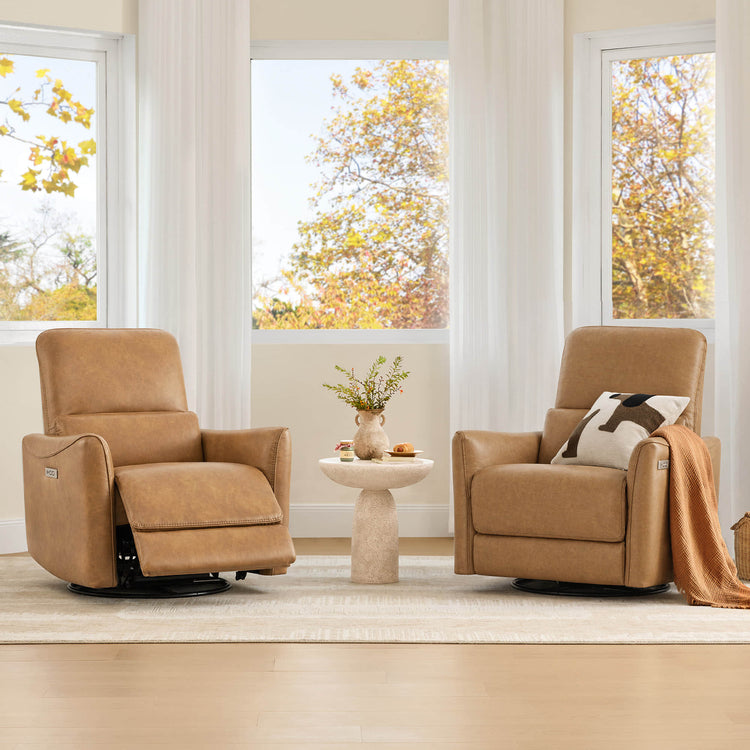
In 2026, the wellness home is no longer about adding a home gym or a dedicated therapy room. It is about turning everyday living spaces into seamless recovery stations where zero-gravity positioning, targeted lumbar support, and silent power mechanisms deliver postural comfort and mental restoration without making the room feel clinical.
集群地图
- The 2026 Nursery Essential: Why a Silent Power Glider is the Ultimate Postpartum Upgrade
- The 2026 Nursery Essential: Choosing a Glider Recliner with Silent Power and Lumbar Support
- The 2026 Guide to Quiet Power Recliners for Nurseries
- Hidden Tech: The Best Power Recliner Features You Didn't Know You Needed
For most design-conscious homeowners who sit for long hours, a true recovery recliner that reaches near the 128-degree neutral body posture benchmark offers noticeably better spinal alignment and pressure relief than a standard recliner—provided the chair actually achieves that geometry and fits your room layout. The key decision is whether your primary need is postural recovery (favoring verified zero-gravity models) or general relaxation (where a well-designed wall-hugger may suffice), and whether your space requires minimal rear clearance or can accommodate a larger footprint.

The 2026 Wellness Home: A New Standard for Recovery
The concept of the wellness home has shifted from isolated exercise zones to restorative ecosystems woven into daily life. In 2026, “invisible wellness” means restorative features that support posture and relaxation while blending into modern interiors rather than standing out as medical equipment. The living room has become the primary hub because it is where most adults unwind after work, read, stream content, or nap—activities that benefit from intentional support for the spine and pressure points.
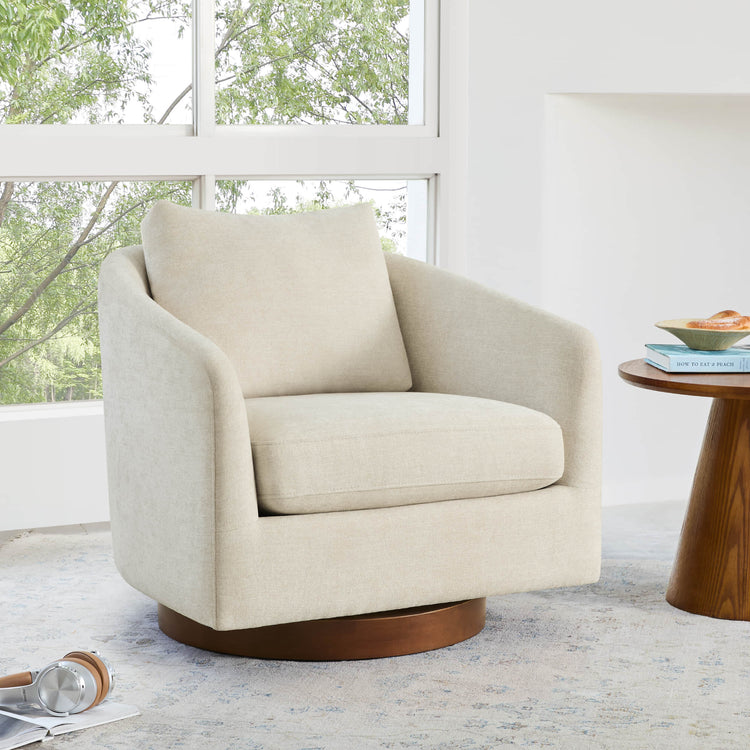
This approach prioritizes furniture that works with your existing décor instead of forcing a redesign. A well-chosen recliner can serve as the centerpiece of a recovery corner without disrupting traffic flow or visual harmony. As this trend toward integrated wellness grows, the focus moves from flashy gadgets to furniture that quietly supports physical comfort and mental reset in the spaces you already use every day. For deeper reading on blending power recliners into contemporary rooms, see our guide to The Aesthetic Recliner: Hidden Power for Modern Living Rooms.
The Science of Zero Gravity: From NASA to Your Living Room
Zero-gravity seating draws directly from NASA’s research into Neutral Body Posture (NBP), the position the human body naturally assumes in microgravity to minimize stress on muscles and the spine. According to NASA Spinoff documentation, this posture reduces musculoskeletal strain, a principle now applied to Earth-bound furniture for everyday comfort.
The practical benchmark is a trunk-to-thigh angle of approximately 128 degrees. As NASA’s ergonomic studies explain, this angle helps align the vertebrae, eases pressure on the lower back, and can improve circulation by elevating the legs relative to the heart—benefits that translate into noticeable relaxation during extended sitting. In real use, this positioning often feels “weightless” because it distributes body weight more evenly across the seat and backrest.
That said, zero-gravity is a comfort and posture-support feature, not a medical treatment. The difference matters most for people seeking recovery after long workdays rather than clinical intervention. Related reading includes Zero Gravity Recliners: The Ultimate Home Recovery Station and Beyond Comfort: How Lift Chairs and Zero-Gravity Recliners Support Wellness at Home.
True Recovery Recline Benchmark: Zero-Gravity vs Standard Reclining
A threshold view of whether a recliner reaches the 128° trunk-to-thigh benchmark associated with true zero-gravity setup guidance, alongside the limited share of marketed ZG models reported to meet it and the usual wall-hugger clearance range.
View chart data
| Category | Recline angle / benchmark |
|---|---|
| Standard recline | 110.0 |
| Marketed ZG recliners (typical share) | 128.0 |
| True zero-gravity benchmark | 128.0 |
Comfort vs. Claims: How to Spot a True Recovery Recliner
Many recliners carry “zero gravity” or “wellness” labels, yet an ergonomic study found that only 28% actually achieve the anatomical criteria for Neutral Body Posture—specifically the 128-degree trunk-to-thigh angle and a complementary thigh-to-calf relationship. This gap between marketing and geometry is the most common source of buyer disappointment.
A true recovery recliner should let you settle close to that 128-degree benchmark while providing adjustable lumbar support that aligns with the natural curve of your lower back. Headrest and seat depth must match your height and torso length so your shoulders stay supported and your knees do not press into the edge. If a chair cannot reach a meaningfully open angle or if the lumbar pad sits too high or low for your frame, treat it as lifestyle comfort rather than dedicated postural support.
Use this quick self-check before purchase: Can the chair reach near 128 degrees without forcing your posture? Does the lumbar zone stay in contact across the full recline range? Is there independent control of the headrest and footrest? Answering yes to these points separates genuine recovery seating from models that simply recline farther. For related posture guidance, review What is the Healthiest Way to Sit in a Recliner?.
Engineering the Layout: Wall-Hugger Tech for Small Spaces
Room size often determines whether a recovery recliner becomes a practical daily station or a layout problem. Wall-hugger (zero-wall) mechanisms slide the chair forward as it reclines, so the piece needs only 3 to 6 inches of clearance behind it instead of the 12–18 inches a traditional recliner demands. This makes them the default choice for apartments and tight living rooms.
Beyond clearance, maintain 24–30 inches of clear walkway around the chair so the space still feels open and restorative rather than cramped. In compact apartments, place the recliner near a power outlet and natural light while keeping it out of main traffic paths. In open-plan homes, the same chair can anchor a relaxation zone as long as its design coordinates with surrounding furniture.
The right layout choice flips based on your floor plan: wall-hugger models for tight spaces, visually integrated designs for larger rooms where the chair becomes part of the overall aesthetic. Our guide to The Aesthetic Recliner: Hidden Power for Modern Living Rooms explores these integration details further.

Designing for the Senses: Materials and Aesthetics of the 2026 Recovery Space
The 2026 recovery space succeeds when it feels calming rather than clinical. Biophilic design—natural wood tones, tactile fabrics such as bouclé, and soft neutral palettes—helps the nervous system register safety and comfort. These materials also wear well under daily use while resisting the “medical furniture” look that many homeowners want to avoid.
Silent power mechanisms are equally important. Quiet motors (typically under 50 dB) prevent the mechanical noise from breaking the restorative mood during recline or return. Hidden controls and integrated USB-C ports keep the visual field clean. When choosing upholstery, performance fabrics often suit families or pet owners better than leather because they resist stains yet still deliver a premium hand-feel. Compare options in our article Performance Fabric vs Leather: Which Recliner Material is Right for You?.
The Professional Checklist: Buying for Longevity and Safety
Motorized furniture should carry UL 962 certification for electrical safety and BIFMA X5.4 compliance for structural durability. Look for no-sag springs, corner-blocked frames, and high-density foam that maintains support at the 128-degree position over years of use.
Match seat depth to your thigh length (typically 20–22 inches for average adults) and ensure the headrest cradles the neck without pushing the head forward. Power headrests and independent footrest controls add precision for different family members sharing the chair.
Don’t buy if you need clinician-prescribed medical seating, if the chair’s scale would dominate a small room and ruin the aesthetic, or if the recline path would block essential walkways even with wall-hugger technology. In those cases, a simpler lounge chair or a different room layout usually serves better.
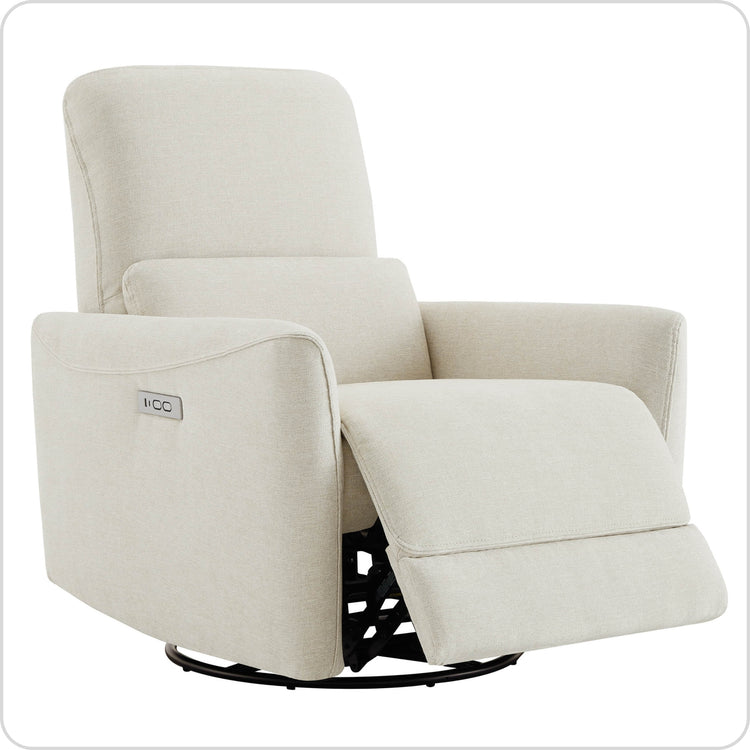
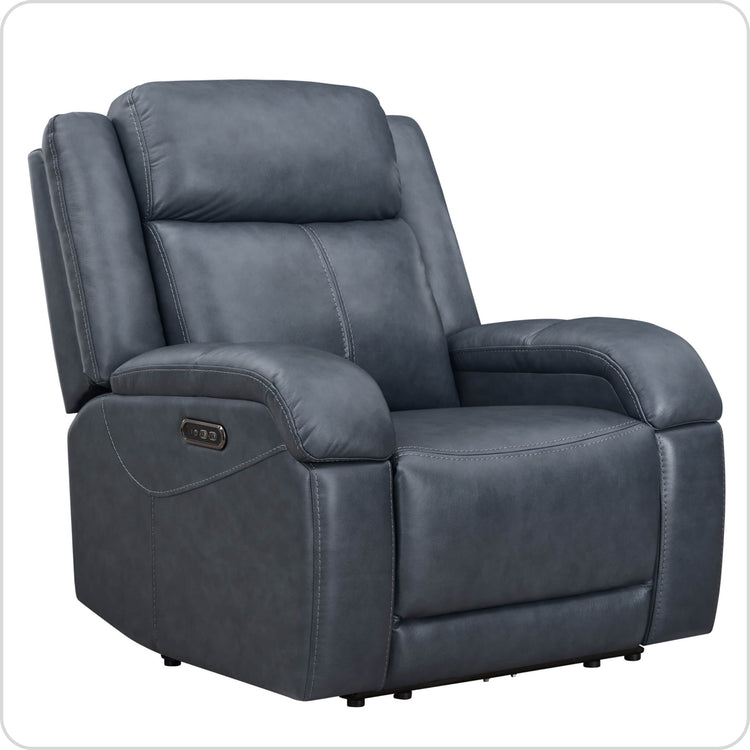
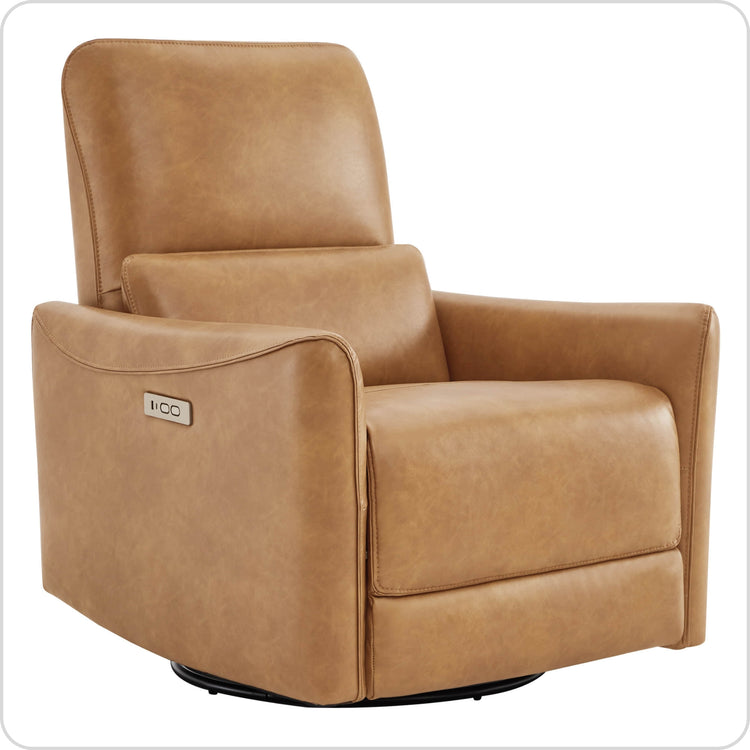
Prioritize models from collections such as our Leather Recliners or Performance Fabric after verifying the specific chair meets your clearance and angle requirements. The Atlas Modern Zero-Gravity Power Recliner and Hadley Modern Zero Wall-hugger Power Recliner illustrate current options that combine the geometry, quiet operation, and design sensibility discussed above—always confirm exact specs for your space before purchase.
Your 2026 Recovery Station Setup Checklist
Use this practical list to turn theory into action:
- Measure rear clearance and walkway space before choosing wall-hugger versus traditional recline.
- Verify the chair reaches within 5 degrees of 128° trunk-to-thigh when fully reclined.
- Test lumbar placement and headrest height while sitting in the store or using detailed product dimensions.
- Confirm UL 962 and BIFMA certifications are listed in the specifications.
- Choose fabrics and wood finishes that coordinate with your existing living-room palette.
- Place the chair near a power outlet and, when possible, natural light while preserving clear pathways.
- Schedule a trial period or return window so you can test the chair in your actual room lighting and traffic flow.
Following these steps helps ensure the recliner you select becomes a long-term asset to your wellness home rather than an expensive piece that never quite fits your life or layout.
Recommended Products

More to Read
 7 Sofa Trends That Actually Improve Comfort in 2026
Upgrade your living room with furniture that supports your body. Here are 7 modern sofa features designed to maximize your daily comfort...
7 Sofa Trends That Actually Improve Comfort in 2026
Upgrade your living room with furniture that supports your body. Here are 7 modern sofa features designed to maximize your daily comfort...
 Mother's Day Gift Guide: Cozy and Stylish Furniture Picks for Modern Moms
Make Mother's Day more meaningful with furniture gifts that bring comfort, smart features, storage, and quiet luxury into her everyday routine.
Mother's Day Gift Guide: Cozy and Stylish Furniture Picks for Modern Moms
Make Mother's Day more meaningful with furniture gifts that bring comfort, smart features, storage, and quiet luxury into her everyday routine.
 Performance Fabric Reality Check: Does It Really Repel Pet Hair and Stains?
Performance fabric is often marketed as a miracle solution for homes with pets and kids, but the reality is more nuanced. It...
Performance Fabric Reality Check: Does It Really Repel Pet Hair and Stains?
Performance fabric is often marketed as a miracle solution for homes with pets and kids, but the reality is more nuanced. It...