






















The 2026 Guide to Small Space Luxury: Wall-Hugger and Zero-Gravity Recliners Explained

The 2026 Guide to Small Space Luxury: Wall-Hugger and Zero-Gravity Recliners Explained
Urban apartment dwellers no longer have to choose between floor space and ergonomic comfort. Wall-hugger recliners slide the seat forward to achieve full recline with as little as 3–6 inches of wall clearance, while true zero-gravity models tilt the body into a NASA-inspired neutral posture that elevates the legs above the heart. The right choice depends on whether your primary constraint is tight wall clearance or targeted wellness support.
Related Guides
- Zero Gravity Recliners: The Ultimate Home Recovery Station
- Maximizing Comfort in Minimal Square Footage: The 2026 Guide to Wall-Hugger Recliners
- Zero Gravity & Wall-Hugger Recliners: Ultimate Comfort for Small Spaces
- Big Comfort, Small Footprint: The Best Power Recliners for Apartments and Cozy Rooms

The New Standard for Small Space Luxury: Wall-Hugger vs. Zero-Gravity
Small-space living and the rise of home wellness have converged in 2026. City dwellers want recliners that deliver luxury comfort without dominating limited square footage. Wall-hugger designs prioritize minimal rear clearance, while zero-gravity recliners focus on pressure relief through a specific tilt that mimics weightless positioning.
The mechanical difference is straightforward: wall-huggers use a sliding track that moves the entire base forward as you recline, keeping the headrest close to the wall. Zero-gravity models use a cradle-tilt mechanism that rotates the seat and backrest, often requiring a few extra inches behind the chair. This distinction matters most in apartments where every inch counts for walkways and furniture placement.
Maximizing Square Footage: How Wall-Hugger Recliners Work
Wall-hugger recliners, sometimes called zero-clearance or zero-wall models, solve the classic problem of standard recliners that need 12–18 inches of space behind them to fully extend. This buying guide explains that wall-huggers typically require only 3 to 6 inches between the headrest and the wall.
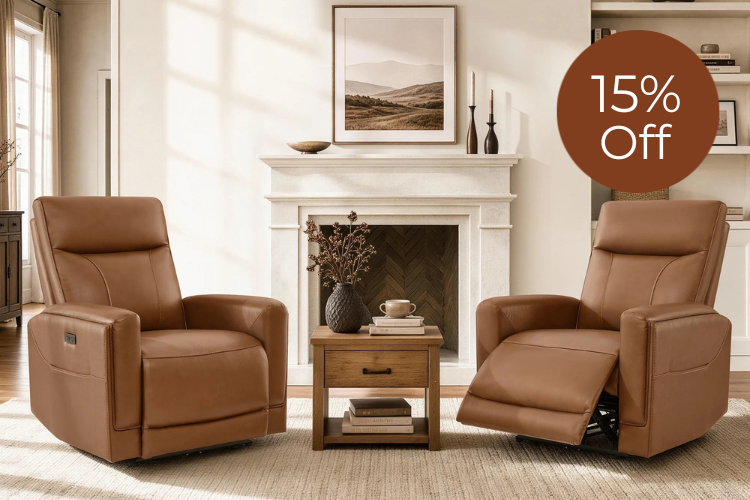
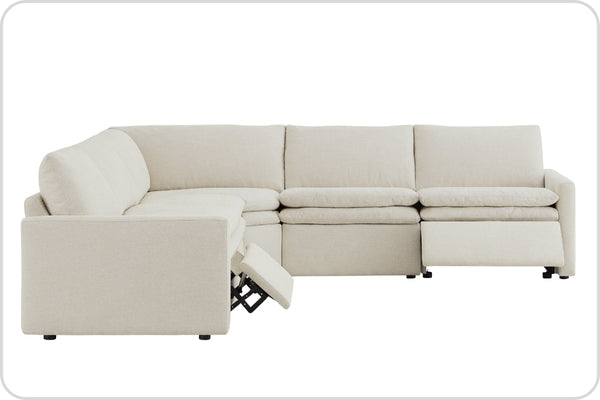
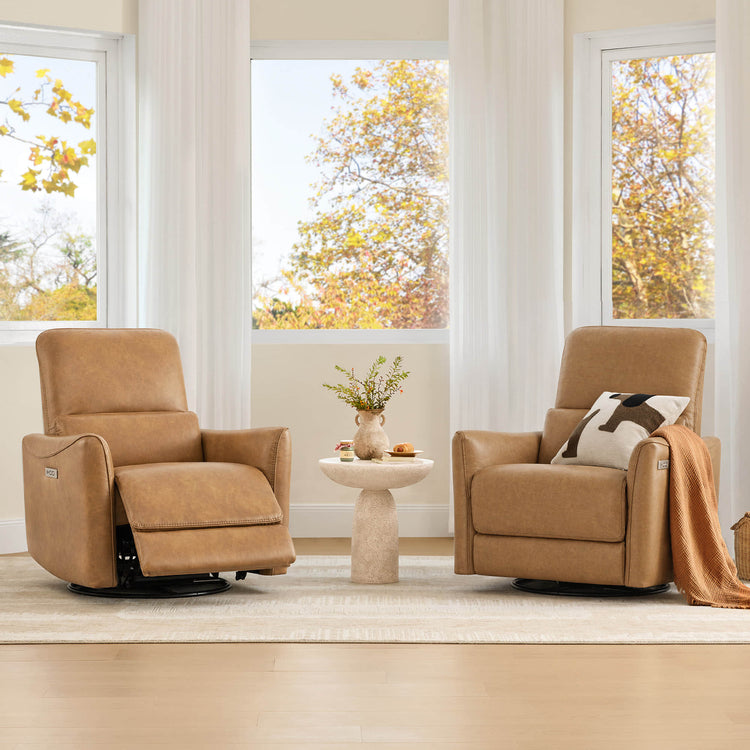
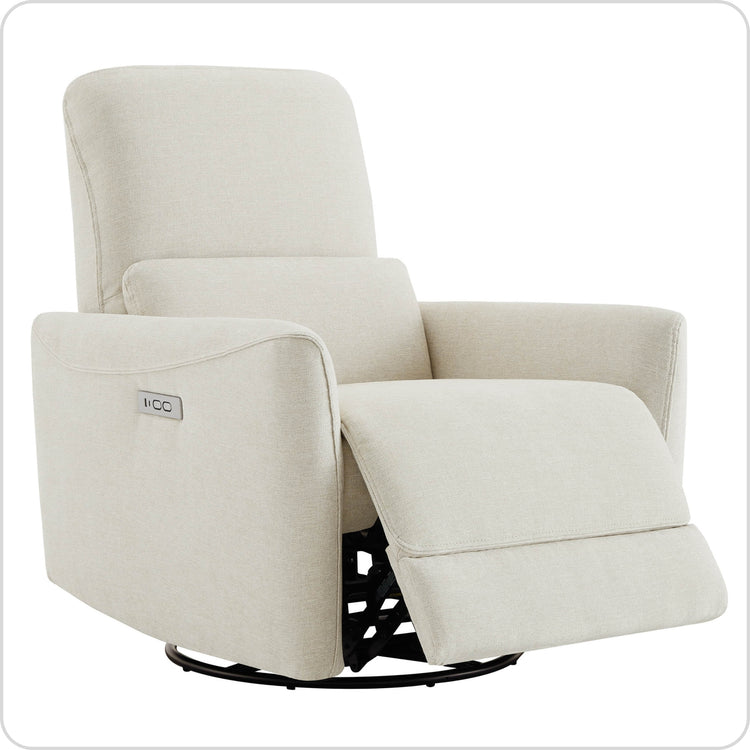
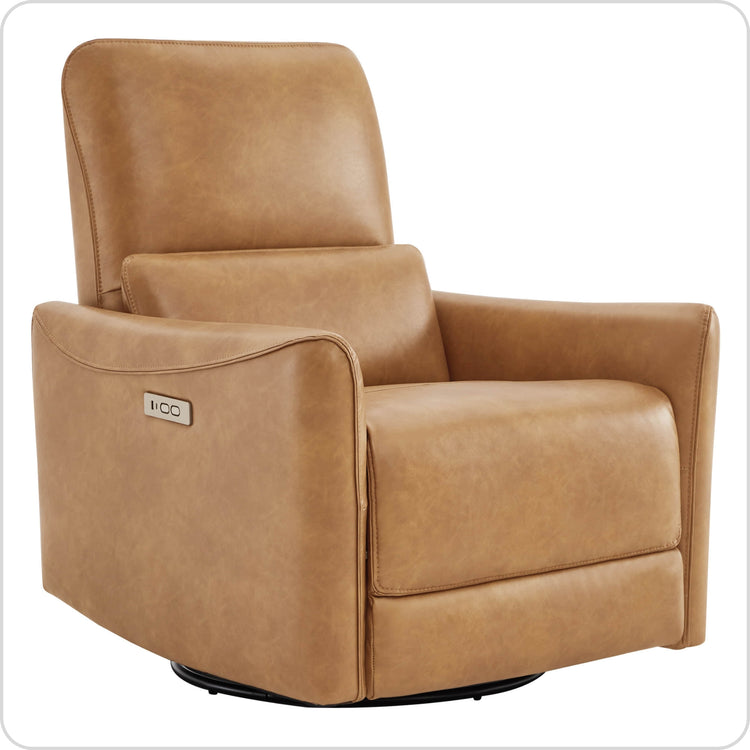
The mechanism relies on a linear sliding track. As the footrest rises, the seat glides forward, preserving the chair’s position relative to the wall. This makes them ideal for narrow living rooms, reading nooks, or rooms where the recliner must sit against a wall or near a doorway. Our Hadley Modern Zero Wall-hugger Power Recliner exemplifies this category with its smooth power motion and compact footprint.
For renters or condo owners, this design removes the guesswork of measuring recline paths. You can place the chair almost flush to the wall and still enjoy full extension without rearranging other furniture.

The Wellness Factor: Why True Zero-Gravity is Worth the Extra Inches
Zero-gravity recliners trace their concept to NASA’s research on Neutral Body Posture, the position the human body naturally assumes in microgravity to reduce muscle strain. In this posture, the legs are elevated above the heart level, which can help with circulation and pressure distribution.
The Center for Spine & Orthopedics notes that the zero-gravity position helps relieve painful pressure points along the spine and limits muscle and joint discomfort by distributing body weight more evenly. However, a deep 140-degree recline is not the same as a true cradle-tilt zero-gravity position. The latter creates a slight bucket effect that many users find more supportive for longer lounging sessions.
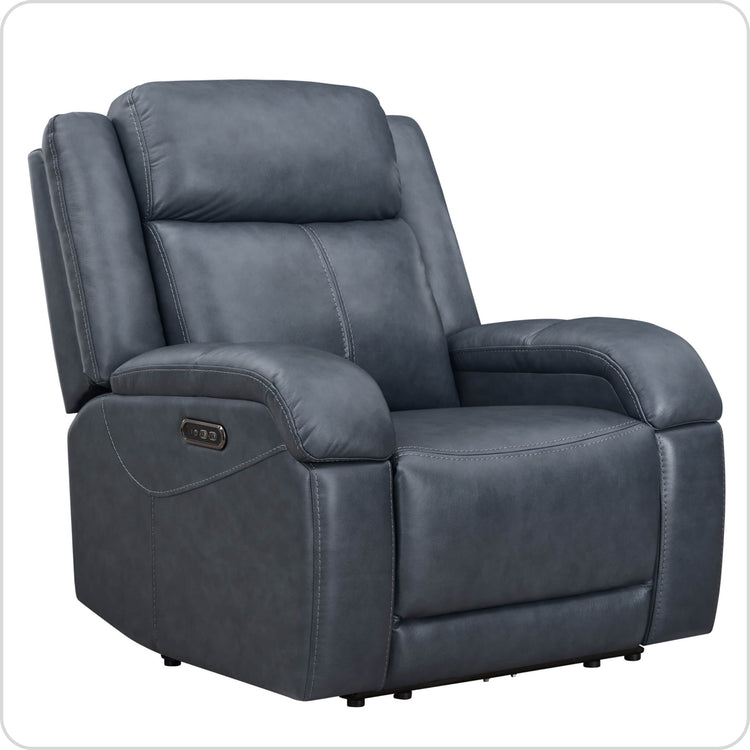
These chairs suit wellness-focused buyers who value recovery benefits over absolute minimal clearance. Models like the Atlas Modern Zero-Gravity Power Recliner and Sable Super Zero-gravity Triple-Motor Power Recliner with Storage deliver this posture while adding power lumbar and headrest adjustments. Keep in mind that results vary by individual; these features support comfort rather than treat medical conditions.
The 6-Foot Runway: Calculating Your Real Operational Footprint
Many buyers focus only on wall clearance and overlook the full operational footprint. The deciding measurement is the distance from the chair’s front edge at full recline to the nearest obstacle in the traffic path. Typical fully reclined lengths range from roughly 62–72 inches depending on the mechanism.
Will This Chair Block a Door or Traffic Path When Fully Reclined?
Operational footprint by room width, using bounded clearance ranges for typical wall-hugger and zero-gravity recliners.
View chart data
| Category | Rear Wall Clearance (wall-hugger) | Fully Reclined Length (wall-hugger) | Remaining Walkway (wall-hugger) | Rear Wall Clearance (zero-g) | Fully Reclined Length (zero-g) | Remaining Walkway (zero-g) |
|---|---|---|---|---|---|---|
| 9 ft room width | 3 | 65 | 43 | 7 | 72 | 34 |
| 11 ft room width | 3 | 65 | 67 | 7 | 72 | 58 |
Use this 6-foot (72-inch) operational runway as a general rule of thumb for planning. Measure from the planned front edge of the recliner in full recline to the nearest fixed obstacle such as a coffee table, door, or hallway. In a 10×10 room with a single traffic lane, a wall-hugger often preserves usable walkway space better than a zero-gravity model. Our Wall-Hugger Recliner Clearance: The Small Space Guide provides additional layout examples.
Decision Matrix: Matching the Mechanism to Your Home
Choose a wall-hugger when wall clearance or walkway traffic is your main constraint. The Hadley Modern Zero Wall-hugger Power Recliner or Isaac Zero Wall-hugger Power Recliner with Cup Holder deliver smooth recline while staying close to the wall. These models suit space-first buyers in studios or narrow dens.
Opt for true zero-gravity when wellness support matters more than absolute minimal clearance. The extra 3–4 inches behind the chair enables the full cradle tilt that many find superior for circulation and pressure relief. The Atlas and Sable models serve wellness-first shoppers who can accommodate the slightly larger operational footprint.
For multi-use spaces such as a nursery corner, prioritize quiet motors and compact overall dimensions. Explore the full Wall Hugger Recliners collection or read Beyond Comfort: How Lift Chairs and Zero-Gravity Recliners Support Wellness at Home for more on recovery positioning.
Remember that returns of large furniture often carry significant restocking fees, so measure carefully before purchase. A simple self-check—sit in the planned spot, extend your legs fully, and walk the intended traffic path—helps avoid disappointment after delivery.
Frequently Asked Questions
How Much Wall Clearance Does a Wall-Hugger Recliner Actually Need?
Most wall-hugger models require 3–6 inches between the headrest and wall at full recline. This is significantly less than the 12–18 inches demanded by traditional recliners, making them practical for apartments and condos where furniture sits close to walls.
Is a Zero-Gravity Recliner Better for Back Discomfort Than a Wall-Hugger?
Zero-gravity positioning distributes weight evenly and elevates the legs, which many users report reduces pressure points. However, it is not a medical treatment. Choose it for comfort and recovery support when your room can accommodate the additional clearance needed for the tilt mechanism.
Can I Place a Recliner Directly Against the Wall?
True zero-wall designs allow placement with minimal gap, but always verify the specific model’s requirements. Even wall-huggers benefit from a small buffer to avoid rubbing against baseboards or outlets during movement.
What Is the Difference Between Deep Recline and True Zero-Gravity?
Deep recline (around 140 degrees) offers comfortable lounging. True zero-gravity adds a cradle tilt that positions the legs above the heart, following the NASA-derived neutral body posture for potentially greater pressure relief.
How Do I Measure My Room for a Small-Space Recliner?
Measure the full operational footprint: wall to front edge at full recline, plus the remaining walkway needed for safe traffic. Focus on the 72-inch runway guideline rather than wall clearance alone to prevent blocking doors or paths.
Recommended Products

More to Read
 7 Sofa Trends That Actually Improve Comfort in 2026
Upgrade your living room with furniture that supports your body. Here are 7 modern sofa features designed to maximize your daily comfort...
7 Sofa Trends That Actually Improve Comfort in 2026
Upgrade your living room with furniture that supports your body. Here are 7 modern sofa features designed to maximize your daily comfort...
 Mother's Day Gift Guide: Cozy and Stylish Furniture Picks for Modern Moms
Make Mother's Day more meaningful with furniture gifts that bring comfort, smart features, storage, and quiet luxury into her everyday routine.
Mother's Day Gift Guide: Cozy and Stylish Furniture Picks for Modern Moms
Make Mother's Day more meaningful with furniture gifts that bring comfort, smart features, storage, and quiet luxury into her everyday routine.
 Performance Fabric Reality Check: Does It Really Repel Pet Hair and Stains?
Performance fabric is often marketed as a miracle solution for homes with pets and kids, but the reality is more nuanced. It...
Performance Fabric Reality Check: Does It Really Repel Pet Hair and Stains?
Performance fabric is often marketed as a miracle solution for homes with pets and kids, but the reality is more nuanced. It...