










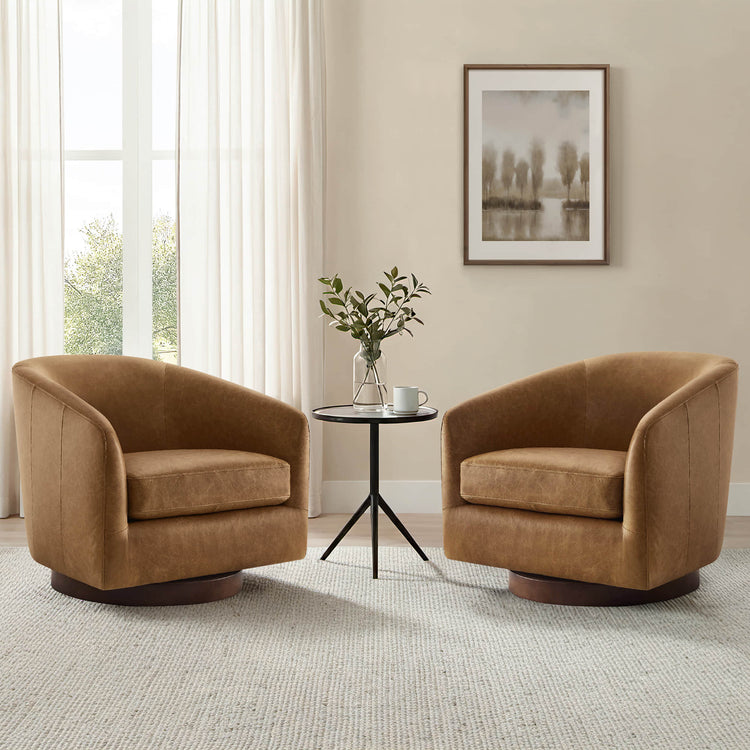
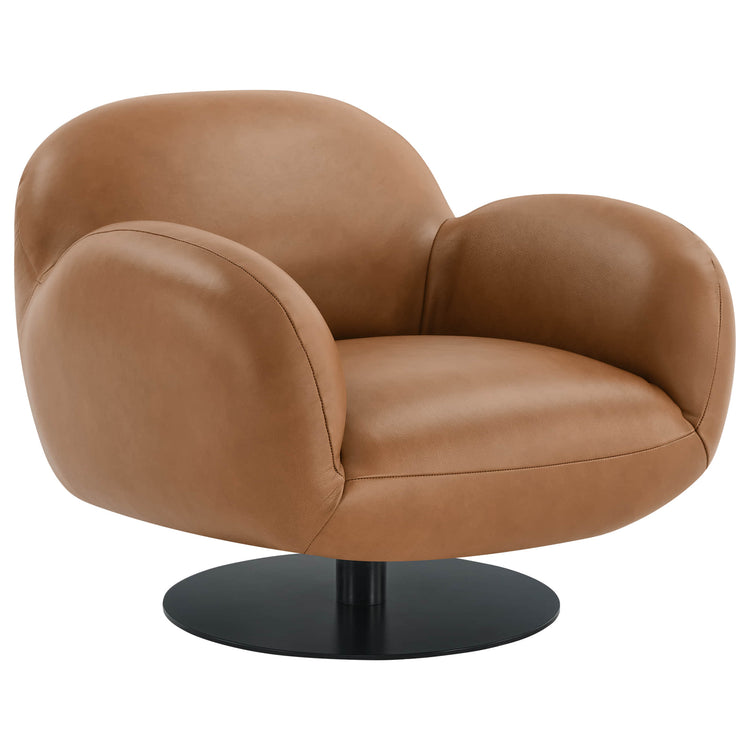
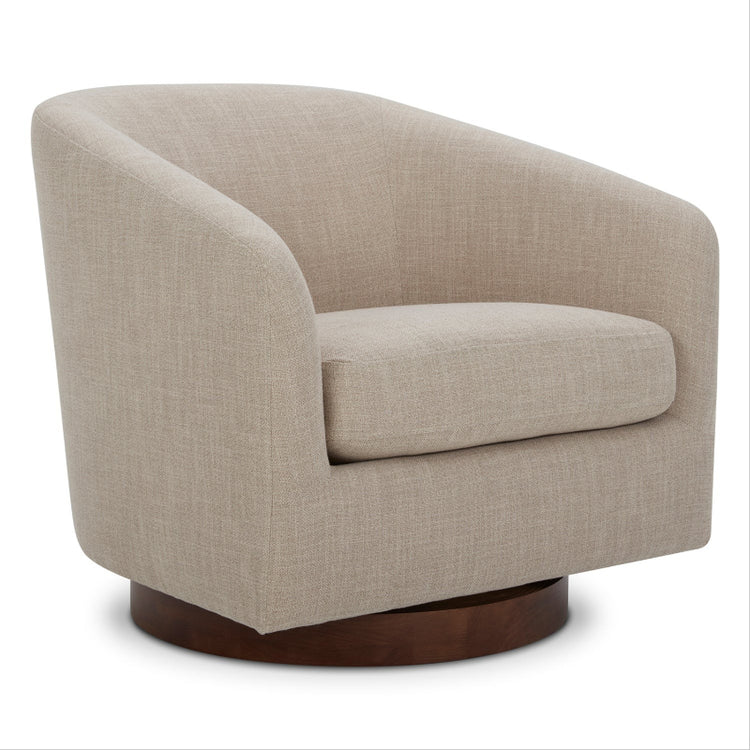












Aging Parents Layout Ideas with recliners

Recliners layout ideas for aging parents work best when you plan the walking paths first, then place the chair around them. That keeps the room easier to move through, lowers the chance of trip hazards, and still lets the space feel like a normal living room instead of a care room.
Start With the Walkways
Start by mapping the main routes from the entry, hallway, sofa, side tables, and any doors that open into the room. The National Institute on Aging's fall-prevention room guide is clear that trip hazards and blocked paths are the first things to remove near seating areas.
- Sketch the room and mark the paths people actually use.
- Identify where someone will sit down and stand up.
- Place the recliner so open space lands in front of the chair, not behind a narrow passage.
- Check that drawers and doors still open cleanly.
- Walk the route again while carrying a tray, cane, or laundry basket.
For most homes, the safest layout is the one that lets an older adult move straight to the chair without weaving around table legs, ottomans, or floor decor. If a path only works when everyone is careful, it is probably not the right layout.
Choose the Right Recliner Placement
The best recliner placement depends on where the user approaches from and how much turning the room requires. A chair that looks centered can still be a poor fit if it forces side-stepping or a twist around a coffee table.

Near a Stable Anchor Point
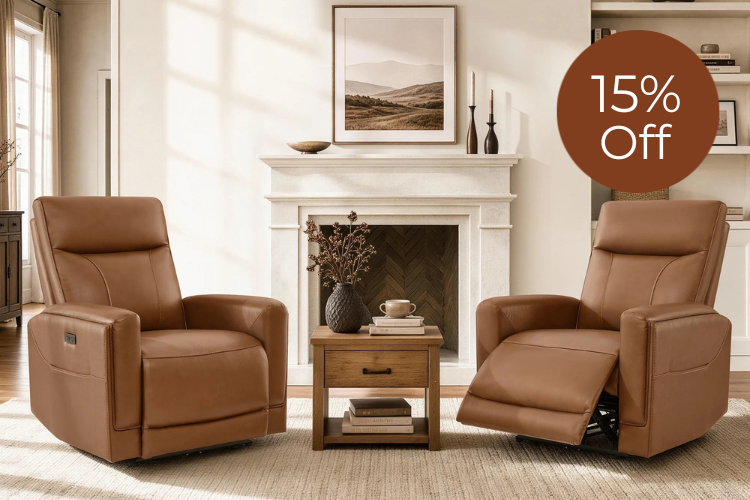
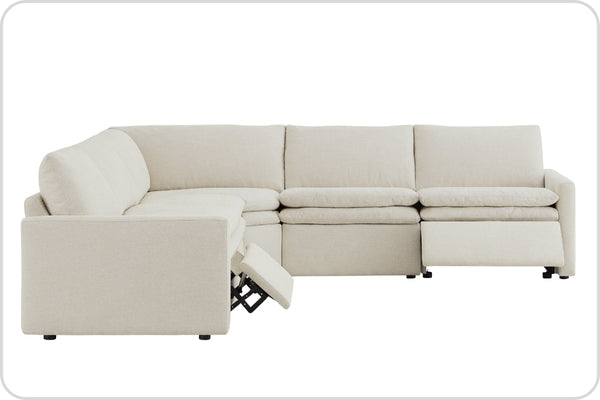
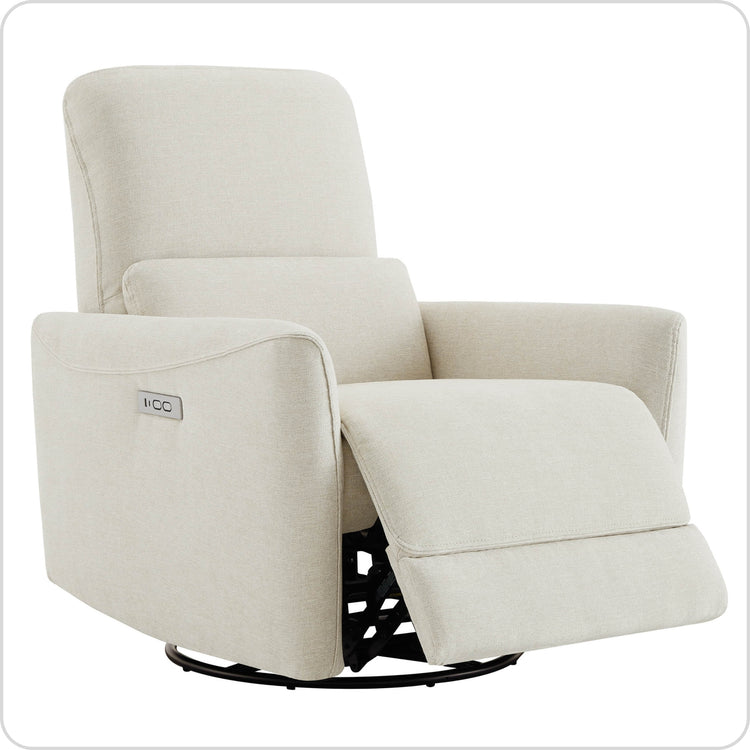
Place the recliner near a stable visual anchor, such as the sofa or media wall, so it feels connected to the room. That also makes it easier to keep the chair in line with the main conversation zone. If you want a space-saving option, a wall-hugger power recliner can be a useful browsing stop because its design is meant for tighter rooms.
Away From Tight Corners and Turns
Corners can seem efficient, but they often make standing up harder because the user has less room to shift weight and turn safely. If the chair sits in a corner, keep the front and side clear so the sit-to-stand motion stays simple. That matters most when a walker, cane, or stiff knees are part of daily life.
Facing the Conversation Zone
A recliner should still feel like part of the family room. Face it toward the sofa, seating cluster, or TV area so the person using it is not isolated.
Close to Lighting and Controls
Place the chair where a reading lamp, remote, and charging cable are easy to reach without leaning or stretching. For aging parents, that small convenience matters because repeated reaching can become annoying fast. The goal is to keep the chair usable every day, not just comfortable on day one.
Build a Senior-Friendly Seating Zone
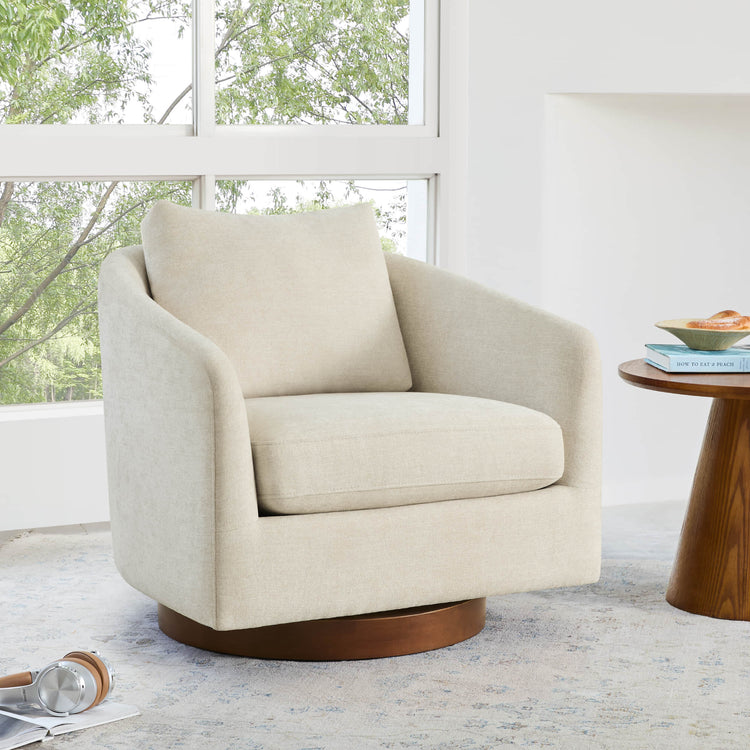
A senior-friendly seating zone should make the recliner feel integrated, not isolated. The room works better when the chair supports conversation, keeps surfaces reachable, and leaves enough open floor for natural movement.
The 2026 recliner trends for small spaces is a helpful next read if you are comparing compact, wellness-oriented seating styles.
| Layout choice | What it helps | Best for | Watch-outs |
|---|---|---|---|
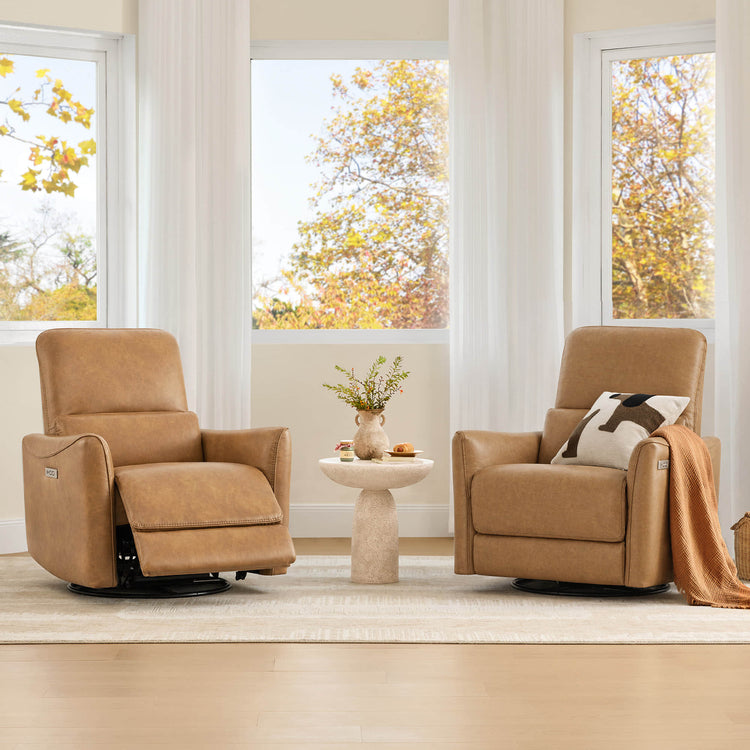
| Recliner by sofa | Easy conversation and a balanced seating cluster | Shared family rooms | Don't crowd the side table or block the stand-up path |
| Recliner beside window | Natural light and a pleasant reading spot | Quiet afternoon seating | Watch glare, cord placement, and curtain clearance |
| Pair of recliners across from a sofa | A symmetrical, family-friendly seating zone | Larger rooms or open-concept areas | Leave enough open floor between pieces |
| Recliner near media console | Easy TV viewing and simple control access | Media-focused rooms | Keep cords and remotes tidy so they do not become trip hazards |
| Single recliner in an open corner | A quieter, more private seating nook | Smaller rooms with limited wall space | Corners can feel tight if there is not enough turning room |
What this means in practice is simple: keep the recliner close enough to the main room activity to feel connected, but not so close that it blocks traffic. That balance usually matters more than the exact furniture style.

Pick Features That Reduce Daily Strain
For daily use, the most helpful features are the ones that reduce effort during sitting, reclining, and standing. That does not mean every family needs the same setup. It means the chair should match the motion that feels hardest for the user.
Power Controls Instead of Manual Force
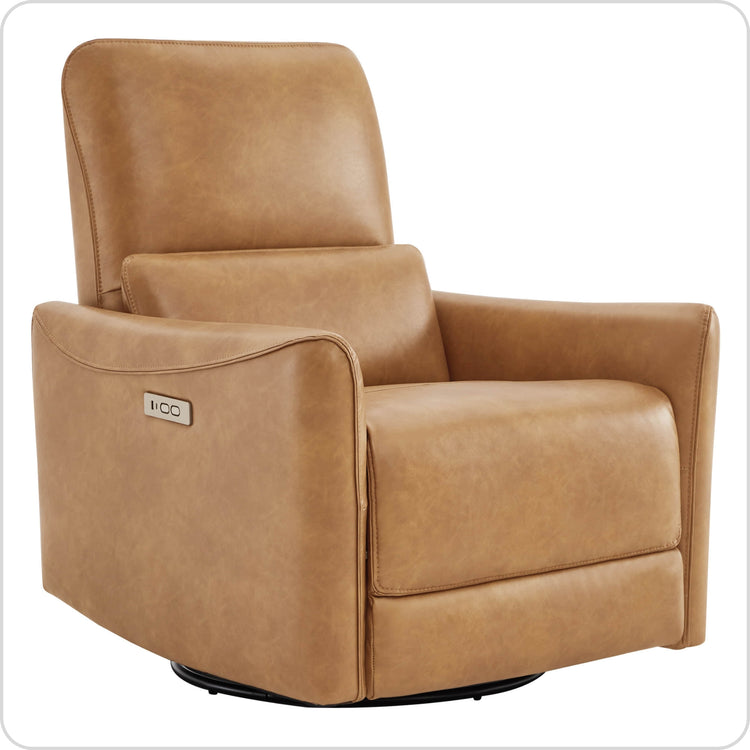
Power recline is often easier than a manual lever when the goal is smooth, low-effort movement. In a layout for aging parents, that matters because the chair should work with the room, not demand extra twisting or pushing.
Zero-Wall or Small-Footprint Designs
Small-footprint recliners are useful when the room still has to support walking paths. The benefit is not magic, just simpler placement. If the chair can sit closer to a wall without ruining clearance, you usually have more options for keeping the center of the room open.
Lift Assist for Easier Standing
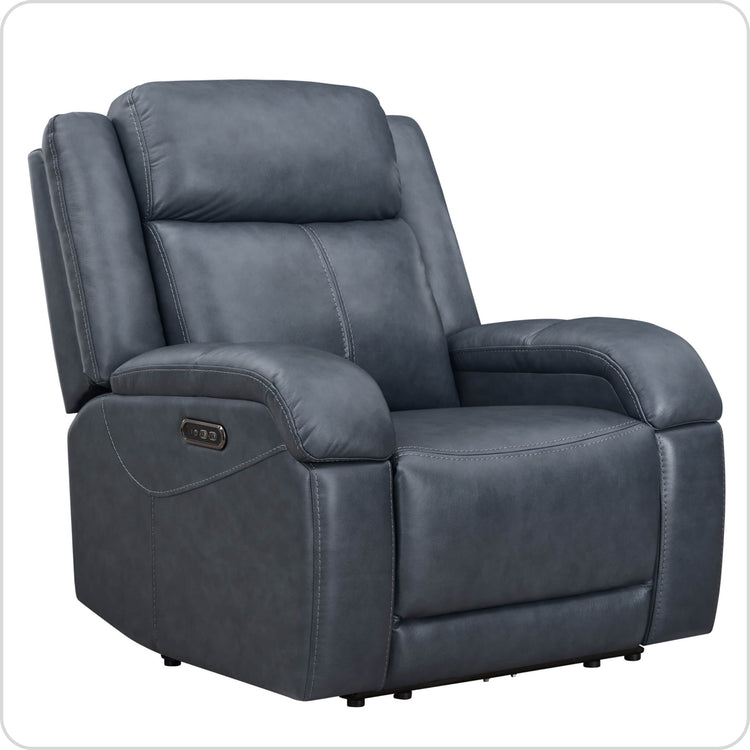
Lift assist can be a smart choice when the hardest part of the routine is standing up. If the user already stands comfortably, lift assist may be less important than overall fit, upholstery, or control placement.
Headrest and Charging Convenience
Headrest adjustment, USB charging, and similar conveniences do not replace good layout, but they can reduce daily friction. When the remote, charger, and lamp are all within reach, the chair becomes easier to live with and less likely to accumulate clutter around it.
If you are deciding between a lift-style seat and a more compact wall-hugger design, the real question is where the user struggles most: standing, reclining, or fitting the chair into a tight room. That choice matters more than feature count alone.
Finish the Room Safely and Beautifully
Before you call the layout finished, do a slow walk-through from the perspective of the parent who will use the chair most often. The AARP HomeFit Guide offers practical aging-in-place ideas for keeping the room comfortable without making it feel clinical. General living-room modifications such as reachable surfaces and clear circulation also support aging-in-place goals.
- Secure loose rugs and remove small obstacles from the recliner path.
- Make sure the recliner does not block outlets, vents, doors, or drawers.
- Check that lighting reaches the chair and the walking path at night.
- Confirm the side table, remote, and charging cable are easy to reach without leaning or stretching.
- Revisit the layout after a week of real use and adjust any trouble spots.
Related Resources
- The rise of the wellness recliner
- Healthiest way to sit in a recliner
- Lift chair recliner buying considerations
- Power recliner safety guide
- Hidden power recliners in modern rooms
- Upholstery durability standards
FAQs
Q1. How Much Space Should a Recliner Have Around It in a Family Living Room?
There is no universal number that fits every room, recliner style, or mobility need. The better test is whether someone can sit down, stand up, and pass by without tight turns, blocked drawers, or a path that depends on everyone being extra careful.
Q2. What Is the Best Place for a Recliner in a Room With Walkers?
Put the chair where the approach is as straight as possible and the stand-up zone stays clear. A walker should not have to catch on side tables, rug edges, or tight corners. If the path feels awkward when you test it with a mobility aid, the location needs adjusting.
Q3. Can a Power Recliner Work in a Small Living Room?
Yes, often, if the chair is sized correctly and the layout protects circulation. Wall-hugger or other small-footprint designs can help, but the room still needs open walking space. If the recliner makes the room feel narrower than before, it is too large or placed too tightly.
Q4. Why Does Lift Assist Matter for Aging Parents?
Lift assist can reduce effort during sit-to-stand transitions for some users, especially when standing up is the hardest part of the routine. It is most useful when mobility support is the priority. If the parent stands easily already, other factors like layout, upholstery, and controls may matter more.
Q5. Can Recliners Still Look Stylish in an Aging-In-Place Home?
Yes. Neutral upholstery, balanced proportions, and careful placement usually matter more than whether the chair has mobility support features. A recliner can look like part of the room when it shares the same visual language as the sofa, lighting, and tables instead of standing alone as a medical-looking add-on.
Make the Layout Work for Real Life
The best recliners layout ideas for aging parents are the ones that hold up after a week of real use, not just on moving day. If the chair keeps pathways open, supports standing, and still fits the room's style, you have a good setup. Start with circulation, then refine comfort and looks from there.
Recommended Products

More to Read
 7 Sofa Trends That Actually Improve Comfort in 2026
Upgrade your living room with furniture that supports your body. Here are 7 modern sofa features designed to maximize your daily comfort...
7 Sofa Trends That Actually Improve Comfort in 2026
Upgrade your living room with furniture that supports your body. Here are 7 modern sofa features designed to maximize your daily comfort...
 Mother's Day Gift Guide: Cozy and Stylish Furniture Picks for Modern Moms
Make Mother's Day more meaningful with furniture gifts that bring comfort, smart features, storage, and quiet luxury into her everyday routine.
Mother's Day Gift Guide: Cozy and Stylish Furniture Picks for Modern Moms
Make Mother's Day more meaningful with furniture gifts that bring comfort, smart features, storage, and quiet luxury into her everyday routine.
 Performance Fabric Reality Check: Does It Really Repel Pet Hair and Stains?
Performance fabric is often marketed as a miracle solution for homes with pets and kids, but the reality is more nuanced. It...
Performance Fabric Reality Check: Does It Really Repel Pet Hair and Stains?
Performance fabric is often marketed as a miracle solution for homes with pets and kids, but the reality is more nuanced. It...